

Product Overview
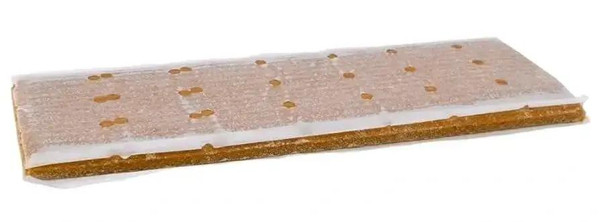
HiveAlive 4% Pollen Patty Honey Bee Feed — Protein Support When Pollen Is Limited
Support brood rearing and early-season colony growth with a ready-to-feed pollen substitute patty made with 4% pollen. Use it when natural pollen is scarce due to season, weather, or forage gaps.
- Product name: HiveAlive 4% Pollen Patty Honey Bee Feed
- Brand: HiveAlive
- SKU: FEED-4242
- URL: https://www.lappesbeesupply.com/hivealive-4-pollen-patty-honey-bee-feed/
- Type: Protein pollen substitute patty (ready-to-feed)
- Pollen content: 4%
- Net weight / patty weight: 1 lb.
- Primary use case: Supplemental protein feeding to support brood rearing
- Best seasons: Late winter, early spring, spring build-up
- Not a treatment: Not a pesticide, antibiotic, or mite treatment
- Storage: Store sealed, cool, dry, and out of direct sunlight; freezing is commonly used for long-term storage
- Shelf life: Contact our customer service department to find out the expiration date of current stock
- Quantity pricing (per 1 lb patty):
- 1–9 patties: $5.49 each
- 10–39 patties: $4.36 each
- 40+ patties: $4.25 each
What is HiveAlive 4% Pollen Patty Honey Bee Feed?
HiveAlive 4% Pollen Patty is a ready-to-feed protein supplement with 4% pollen to support brood rearing when pollen is scarce.
- This is a ready-to-use pollen substitute patty (no mixing required).
- The patty contains 4% pollen.
- This product is a feed supplement, not a medication.
- It is intended to support brood rearing and spring build-up.
HiveAlive 4% Pollen Patty is designed to provide supplemental protein when natural pollen is limited by weather, season, or forage gaps. Like all pollen patties, consumption and outcomes depend on colony strength, brood level, and whether bees also have access to carbohydrates (nectar or syrup). This is nutrition-only and should not be confused with mite control, antibiotics, or disease treatments.
When should you feed pollen patties to honey bees?
Feed pollen patties in late winter or early spring, or anytime colonies are raising brood but cannot collect natural pollen reliably.
- Late winter feeding supports brood rearing before early blooms begin.
- Early spring feeding can reduce protein bottlenecks during rapid brood expansion.
- Cold snaps and rainy stretches can stop pollen collection for multiple days.
- Packages, nucs, and splits often benefit during early build-up.
- Pollen patties are most useful when a colony is actively raising brood.
Feed pollen patties when bees need protein but cannot reliably collect it. This commonly occurs in late winter, early spring, or during extended poor weather. Strong colonies may consume patties quickly, while smaller colonies may consume them slowly. If bees ignore a patty, that can indicate strong natural pollen intake, low brood demand, or temperatures that limit movement.
How do you feed HiveAlive 4% Pollen Patties correctly?
Place the patty directly above the brood nest on the top bars, close the hive promptly, and check consumption after several days.
- Best placement is directly above the brood nest for nurse bee access.
- Work quickly to reduce heat loss in late winter and early spring.
- Check consumption after several days, then again after about a week.
- Remove patties that are not being consumed to reduce mold and pest risk.
- Keep patties clean and dry during handling.
The brood area is where nurse bees concentrate, so placing the patty above brood frames improves access and uptake. Consumption varies based on population, brood levels, and temperature. If a patty sits untouched for too long, it can mold or attract pests depending on region and season. Feeding is most effective when timed with active brood rearing and supported by adequate carbohydrates (nectar or syrup).
Can HiveAlive 4% Pollen Patty be used for packages, nucs, and splits?
Yes. HiveAlive 4% Pollen Patty can support packages, nucs, and splits during installation and early build-up when pollen is limited.
- New colonies often need protein while they draw comb and raise brood.
- Poor forage or cold weather can delay natural pollen intake.
- Protein feeding is commonly paired with syrup feeding when nectar is not coming in.
- Consumption rate is a practical indicator of colony demand.
- If bees ignore the patty, reassess timing or placement.
Packages, nucs, and splits are often in a high-demand growth phase while also stabilizing temperature and drawing comb. A protein patty can help reduce nutritional stress when natural pollen is delayed by weather or season. Monitor how quickly the bees consume the patty and adjust feeding based on brood expansion and incoming pollen.
Is HiveAlive 4% Pollen Patty a mite treatment or medication?
No. HiveAlive 4% Pollen Patty is a nutrition supplement only and is not a pesticide, antibiotic, medicine, or varroa mite treatment.
- This product is a feed supplement, not a pesticide.
- It does not replace mite monitoring or treatment plans.
- It is not an antibiotic or disease medication.
- Protein support can help brood rearing but does not treat disease.
This product is designed to support colony nutrition. It should not be used as a substitute for varroa monitoring, disease management, or any labeled mite treatment. If your goal is mite control, use a product specifically designed, tested, and labeled for that purpose.
Should you feed pollen patties while honey supers are on?
Many beekeepers avoid feeding pollen patties while harvest supers are on to reduce the risk of supplements mixing into surplus honey.
- A common practice is to avoid supplements during honey harvest periods.
- The concern is unintended mixing into surplus honey.
- Timing depends on management style and harvest goals.
- If feeding is needed, consider removing harvest supers first.
Many beekeepers stop feeding supplements once harvest supers are installed. This conservative approach helps protect honey purity and reduces confusion about what was fed during the surplus flow. If colony health requires supplemental feeding, some beekeepers remove harvest supers or delay honey production goals until nutrition is stabilized.
How should you store pollen patties for best shelf life?
Store pollen patties sealed in a cool, dry place out of sunlight; freezing is commonly used for long-term storage and freshness.
- Keep patties sealed to prevent drying and contamination.
- Store in a cool, dry environment.
- Avoid direct sunlight and heat.
- Freezing is commonly used for long-term storage.
Heat and moisture are the main enemies of pollen patties. For short-term storage, a cool, dry storage area is usually sufficient. For longer storage, freezing is commonly used to preserve freshness and reduce pest risk.
How long does one pollen patty last in a hive?
One patty may last a few days to multiple weeks depending on colony strength, brood level, weather, and pollen availability.
- Strong colonies in spring can consume patties quickly.
- Smaller clusters may consume patties slowly.
- Brood rearing increases protein demand.
- Cold weather can slow consumption by limiting movement.
- Check patties for mold or pests and remove if not eaten.
There is no universal consumption rate. A booming colony can eat a patty rapidly, while a small cluster may barely touch it. Check after several days and again after about a week. If a patty is not being consumed, remove it rather than leaving it in place where it may mold or attract pests depending on your region and season.
Which colonies benefit most from pollen patties in spring?
Colonies raising brood with weak or inconsistent pollen intake benefit most, including packages, nucs, spring splits, and early build-up hives.
- Best for colonies in active brood rearing.
- Best when natural pollen is limited or inconsistent.
- Commonly used for packages, nucs, and splits.
- Often unnecessary during strong pollen flows.
- Match feeding to brood levels and incoming pollen.
Pollen patties are most useful when brood rearing is happening but pollen intake cannot keep up. That includes early spring build-up, forage gaps, and new colonies trying to grow quickly. During heavy pollen flows, patties may be unnecessary and can be ignored. The best indicator is what the colony is doing: brood pattern, incoming pollen, and overall momentum.
What feeding tips help prevent mold and pests when using pollen patties?
Place patties above brood, keep them dry, and remove uneaten patties promptly to reduce mold and pest attraction in the hive.
- Place patties above brood for faster access and use.
- Remove patties that are not being consumed.
- Mold risk increases when demand is low or moisture is present.
- Pest risk varies by region and season.
- Keep patties sealed until use to reduce contamination.
The most common problems with pollen patties are leaving them too long, feeding when demand is low, and moisture exposure. The simplest prevention is placement above brood and frequent checks. If the colony does not consume the patty, remove it and reassess whether feeding is needed or whether natural pollen has become available.
How do you decide if HiveAlive 4% Pollen Patty is the right choice?
| Best for | Not ideal for | Consider instead |
|---|---|---|
| Spring build-up when pollen is scarce | Colonies already bringing in heavy pollen | No patty needed during strong pollen flow |
| Packages, nucs, and splits in early growth | Beekeepers wanting mite treatment | A labeled varroa control product (separate category) |
| Brood rearing support during cold snaps | Feeding while harvest supers are on (if avoiding supplements) | Delay feeding or remove harvest supers first |
Frequently Asked Questions
What is HiveAlive 4% Pollen Patty Honey Bee Feed?
It is a ready-to-feed protein pollen substitute patty made with 4% pollen to support brood rearing when natural pollen is limited.
Is HiveAlive 4% Pollen Patty a mite treatment?
No. It is a nutrition supplement only and is not a pesticide, antibiotic, medicine, or varroa mite treatment.
When should I feed pollen patties to honey bees?
Pollen patties are commonly fed in late winter and early spring, during spring build-up, or anytime colonies are raising brood but pollen intake is limited.
How do I feed a pollen patty to a hive?
Place the patty directly above the brood nest on the top bars, close the hive, and check consumption after several days.
Can I use HiveAlive 4% Pollen Patty for packages and nucs?
Yes. It can support packages, nucs, and splits during installation and early build-up when pollen is limited.
Should I feed pollen patties while honey supers are on?
Many beekeepers avoid feeding supplements while harvest supers are on to reduce the risk of mixing into surplus honey.
How should I store pollen patties?
Store sealed in a cool, dry place out of direct sunlight. For long-term storage, freezing is commonly used.
How long does one pollen patty last in a hive?
A patty may last a few days to multiple weeks depending on colony strength, brood level, weather, and pollen availability.
What should I do if bees are not eating the patty?
Remove the patty and reassess timing, placement, temperature, and whether natural pollen is available.
Can pollen patties mold or attract pests?
Yes. Uneaten patties can mold or attract pests, so they should be monitored and removed if not being consumed.
Product Expiration Notice:
Feed products have a defined expiration date and may not have the full shelf life remaining at the time of purchase. If you plan to order feed in advance, we recommend contacting us before hand to confirm the expiration dates of our current inventory. Any product remaining after the expiration date is not eligible for refund or replacement.
Related Links
- Shop All HiveAlive Products
- HiveAlive Super Syrup 1 Gallon Bee Feed
- HiveAlive 15% Pollen Patties
- Shop All Honey Bee Feed & Feeders
- Shop All Colony Maintenance & Feeding Supplies
Customer Reviews
Have you used HiveAlive 4% Pollen Patty Honey Bee Feed? We’d love to hear how it worked in your apiary.
- When did you feed it (late winter, early spring, or during build-up)?
- How quickly did your colonies consume the patty?
- Did you notice improved brood expansion?
- Would you recommend it for packages and nucs?
Your feedback helps other beekeepers make confident decisions and helps us continue improving our products and service.
Please send all feedback to us at [email protected].