
Beekeeping in Alabama | Equipment, bees & local resources
Alabama Beekeeping Supplies, Equipment & Bees for Sale
Whether you are starting your first backyard hive near Birmingham, expanding an apiary around Huntsville, or harvesting honey in Mobile or Dothan, Lappe's Bee Supply helps Alabama beekeepers find dependable equipment and practical guidance. We manufacture our own wax-dipped and painted wooden hive boxes in East Peru, Iowa.
Shop Langstroth beehives, complete hive setups, beginner kits, protective clothing, feeders, frames, foundation, honey extractors and bottling supplies online. We are an Iowa-based supplier serving customers across the United States, including Alabama—not a local Alabama storefront.
Free USA Shipping on Most Orders Over $100! Shop beekeeping supplies, hive equipment, and honey harvesting essentials with free shipping on qualifying orders. Check individual product descriptions for shipping eligibility.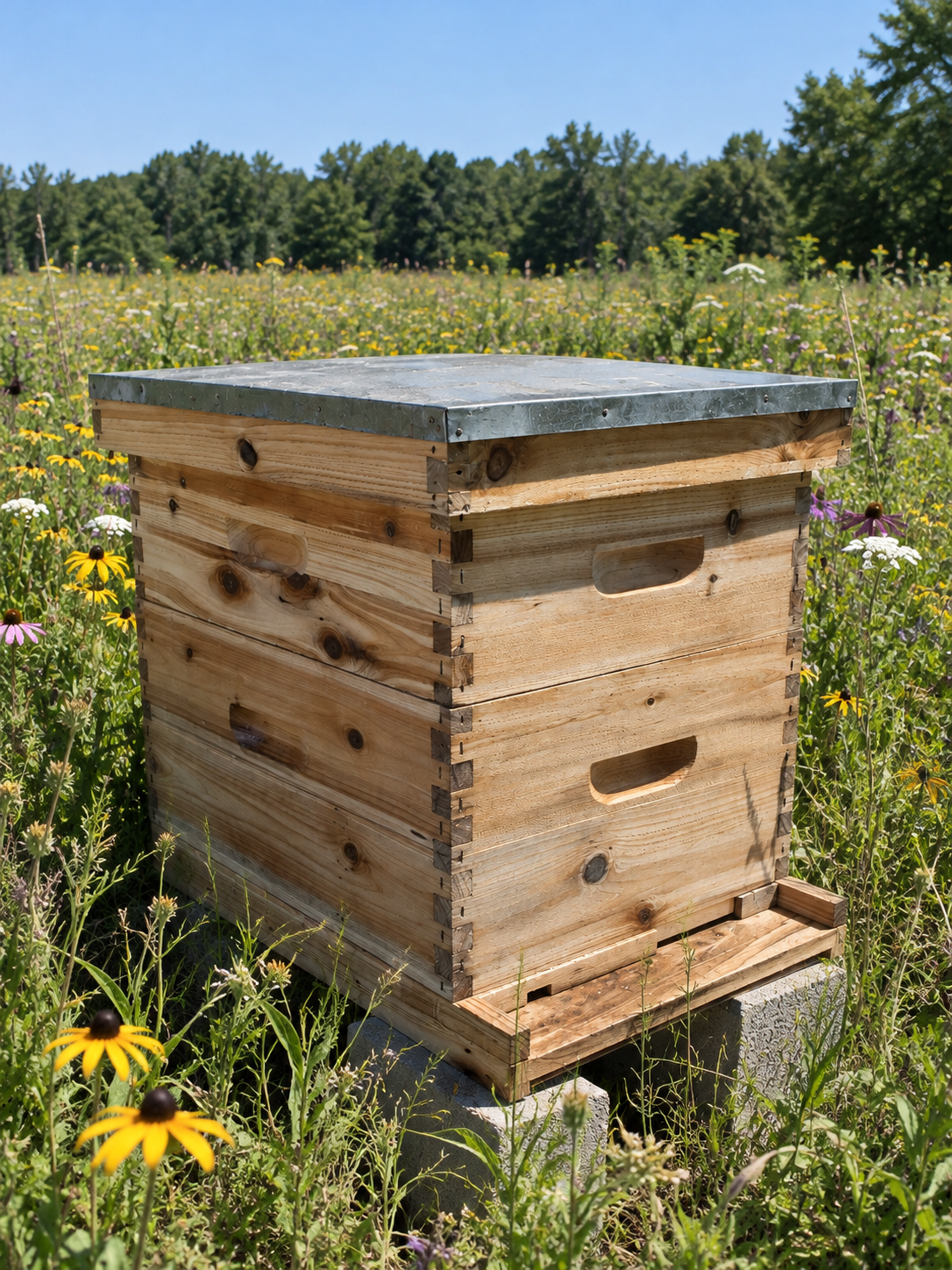
Why Alabama Beekeepers Shop Lappe's Bee Supply
From beginner beekeeping equipment to supplies for established apiaries, Lappe's Bee Supply offers quality products, practical experience, and convenient online shopping for Alabama beekeepers.
- Hive Boxes Manufactured in Iowa: We manufacture our own painted and wax-dipped wooden hive boxes in East Peru, Iowa, offering dependable equipment for beginner and experienced beekeepers.
- Ventilated Bee Suits & Jackets: Shop breathable protective clothing designed to improve comfort during hot-weather hive inspections, especially during Alabama's warm, humid summers.
- Beginner Beekeeping Kits & Equipment: Find hive kits, frames, foundation, smokers, hive tools, feeders, and other essentials to help start and maintain your colonies.
- Honey Bees & Mated Queens: Explore available package bees and queen bees, with seasonal shipping dates and ordering information.
- Free USA Shipping on Most Orders Over $100! Save on shipping when ordering qualifying beekeeping equipment and supplies.
New to Beekeeping? Join Our Free Beginner Beekeeper Weekly Guide!
Starting your first beehive can feel overwhelming, but you do not have to figure everything out on your own. Sign up for Lappe's Beginner Beekeeper Weekly Guide to receive helpful beekeeping tips, seasonal reminders, and practical guidance delivered directly to your email inbox.
Our weekly emails help new beekeepers learn about hive inspections, feeding, colony health, seasonal hive management, and more. Whether you are preparing for your first package of bees or caring for your first colony in Alabama, the guide helps you learn what to look for and what to do next.
Free to join — learn something new about beekeeping every week!
Shop Beekeeping Equipment for Alabama Beekeepers
Whether you manage a backyard colony or a larger apiary, dependable equipment makes inspections, colony growth and honey harvesting easier. Lappe's Bee Supply manufactures its own wax-dipped and painted wooden hive boxes in East Peru, Iowa, and offers equipment for beginners and experienced beekeepers. Explore the categories below to learn how to choose supplies that fit your needs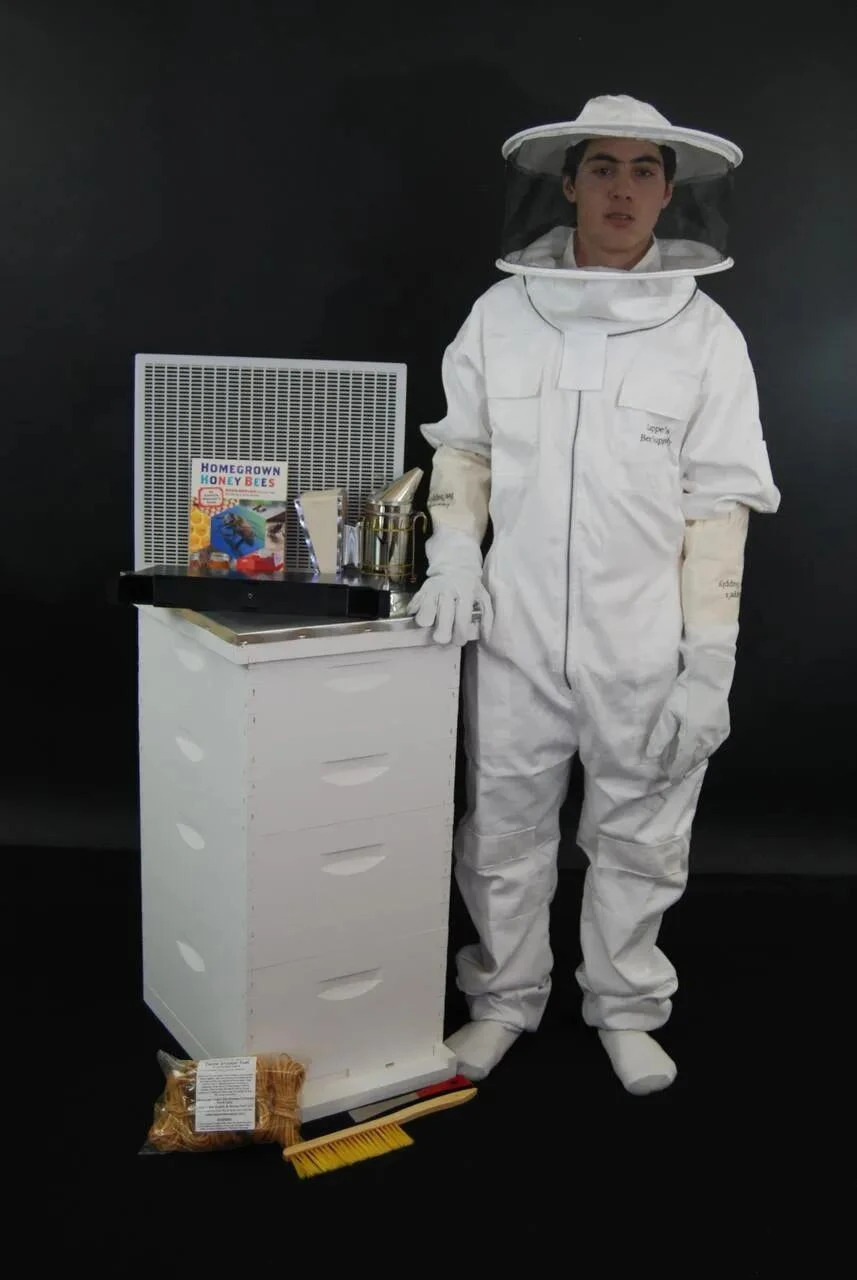
Beehives, Wax-Dipped & Painted Hive Boxes, and Beginner Kits
Choosing compatible hive equipment is one of the most important decisions for a new beekeeper. At Lappe's Bee Supply, we manufacture our own wax-dipped and painted wooden hive boxes in East Peru, Iowa. Wax-dipped boxes feature a protective wax finish that helps resist moisture exposure, while painted hive boxes provide a traditional weather-resistant finish when properly maintained. Both options can suit Alabama's humid summers and changing weather.
We offer 8-frame and 10-frame hive equipment. Eight-frame boxes are generally lighter when full, while ten-frame boxes provide greater frame capacity per box. Choose one frame size and keep your brood boxes, supers, frames and other components compatible. Complete hive setups and beginner kits can simplify purchasing, but always check each product listing for the exact components included.
Shop Wax-Dipped Hive Boxes | Shop Painted Hive Boxes | Shop Complete Hive Setups | Shop Beginner Kits
Frames, Foundation & Hive Components
Frames and foundation give bees a structure on which to build comb, raise brood and store honey. Select the correct depth for your deep, medium or shallow boxes and check that frame style and foundation fit together. Plastic foundation can provide a durable starting surface, while beeswax foundation is another familiar option; some beekeepers prefer wax-coated plastic foundation to encourage comb drawing. Colonies may also need additional brood boxes or honey supers as they grow, especially during strong spring nectar flows.
Before ordering replacements, check whether you use 8-frame or 10-frame equipment and match the size of existing components. Shop Frames & Foundation | Shop Unassembled Hive Components
Bee Suits, Jackets, Veils & Protective Clothing
Shop Bee Suits & Protective Gear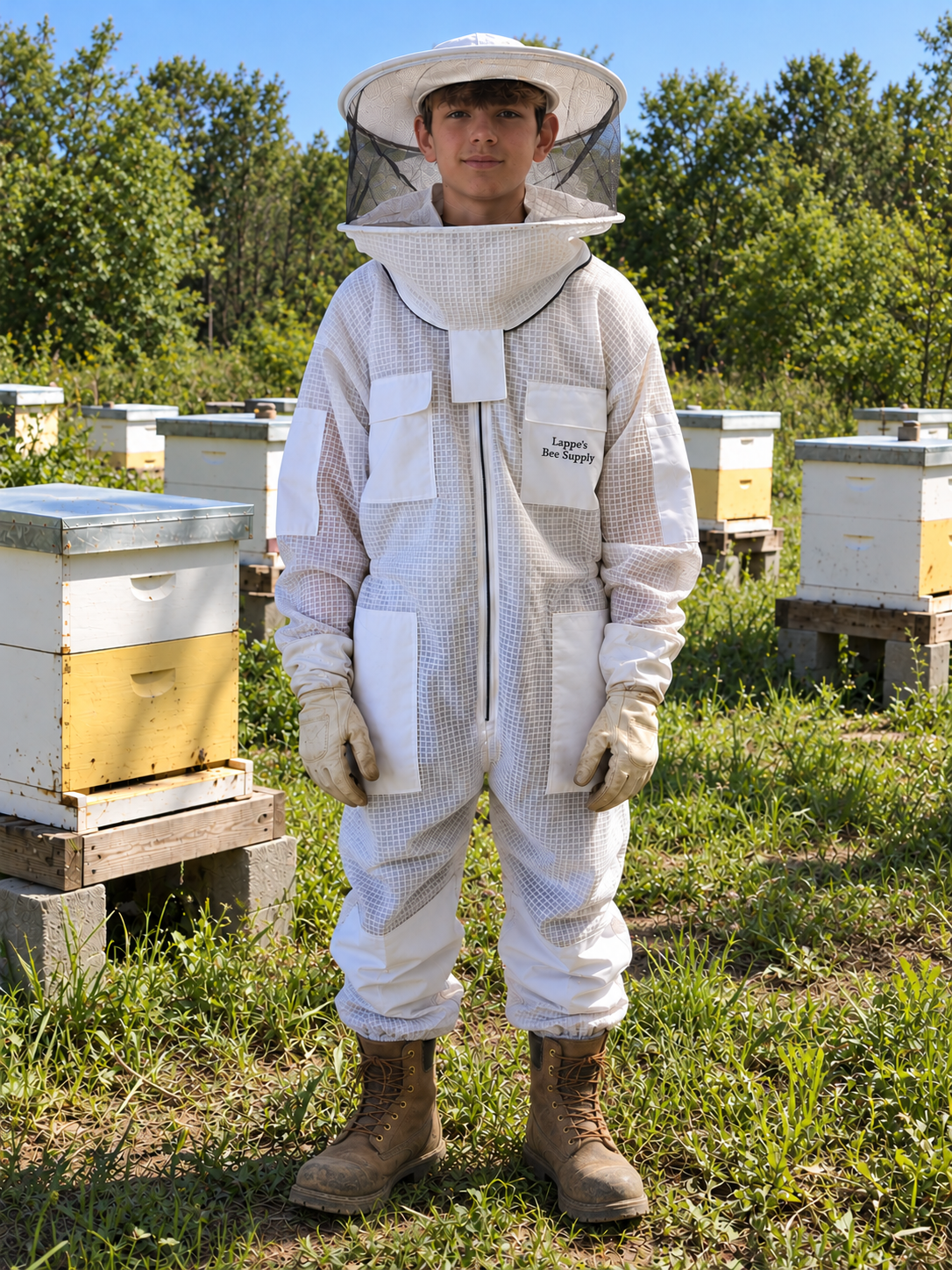
Staying comfortable and protected during hive inspections is especially important for Alabama beekeepers, where hot temperatures and high humidity can make working in the apiary challenging. Lappe's Bee Supply offers a selection of ventilated bee suits, vented beekeeping jackets, protective veils, and gloves designed to help beekeepers work more comfortably while reducing the risk of stings.
Our ventilated bee suits and jackets are especially useful for warm-weather beekeeping. Their breathable, ventilated construction allows air to circulate through the protective clothing, helping reduce heat buildup during long hive inspections. For beekeepers working through Alabama's hot summers, ventilated protective clothing can make a noticeable difference in comfort compared with traditional solid-fabric suits.
We also carry traditional beekeeping suits, jackets, veils, and gloves for those who prefer different styles of protection. Whether you're a beginner looking for full-body coverage or an experienced beekeeper seeking a lightweight, breathable option, choosing properly fitting protective clothing is essential. Protective clothing reduces sting risk but cannot eliminate it.
Explore our selection of beekeeping protective gear to find the right balance of ventilation, comfort, mobility, and sting protection for your apiary.
Bee Smokers, Hive Tools & Beekeeping Accessories
A smoker is used during inspections to help manage colony behavior. A hive tool helps separate boxes and frames that bees have sealed with propolis, while a bee brush can gently move bees from surfaces when needed. Choose a smoker that is comfortable to handle and learn safe lighting and extinguishing practices, especially during dry weather.
For a basic hive inspection tool kit, consider a quality bee smoker, hive tool, bee brush, and frame holder to keep removed frames secure while working your colonies. Shop Smokers & Hive Tools
Bee Feeders, Nutrition, Varroa Mite Treatments & Colony Health Supplies
Keeping honey bee colonies healthy and productive requires proper nutrition, regular inspections, and effective pest management. Although Alabama has a relatively long growing season, periods of limited nectar and pollen availability can still occur, particularly during summer dearths and seasonal transitions. Supplemental feeding can help support colonies when natural food sources are insufficient.
Lappe's Bee Supply carries honey bee feeders, pollen substitutes, bee nutrition products, Varroa mite treatments, and colony health supplies to help beekeepers care for their hives throughout the year. Choose from entrance feeders, top feeders, and in-hive feeders, along with supplemental pollen patties and other nutritional products. When selecting a feeder, consider its capacity, ease of refilling, and potential to encourage robbing.
Varroa mites are a serious threat to honey bee colonies, making regular monitoring and timely treatment essential. Treatment options vary in application methods, temperature restrictions, and compatibility with honey supers, so always follow current product labels and use a reliable mite-monitoring method to determine when treatment is needed.
Whether you're feeding a newly established colony, preparing hives for winter, or managing mite populations during the active beekeeping season, having the right supplies on hand helps support colony health. Avoid feeding sugar syrup while honey supers intended for harvest are on the hive.
Shop Bee Feeders | Shop Pollen Substitutes | Shop Varroa Mite Treatments
Honey Extracting, Processing & Bottling Equipment
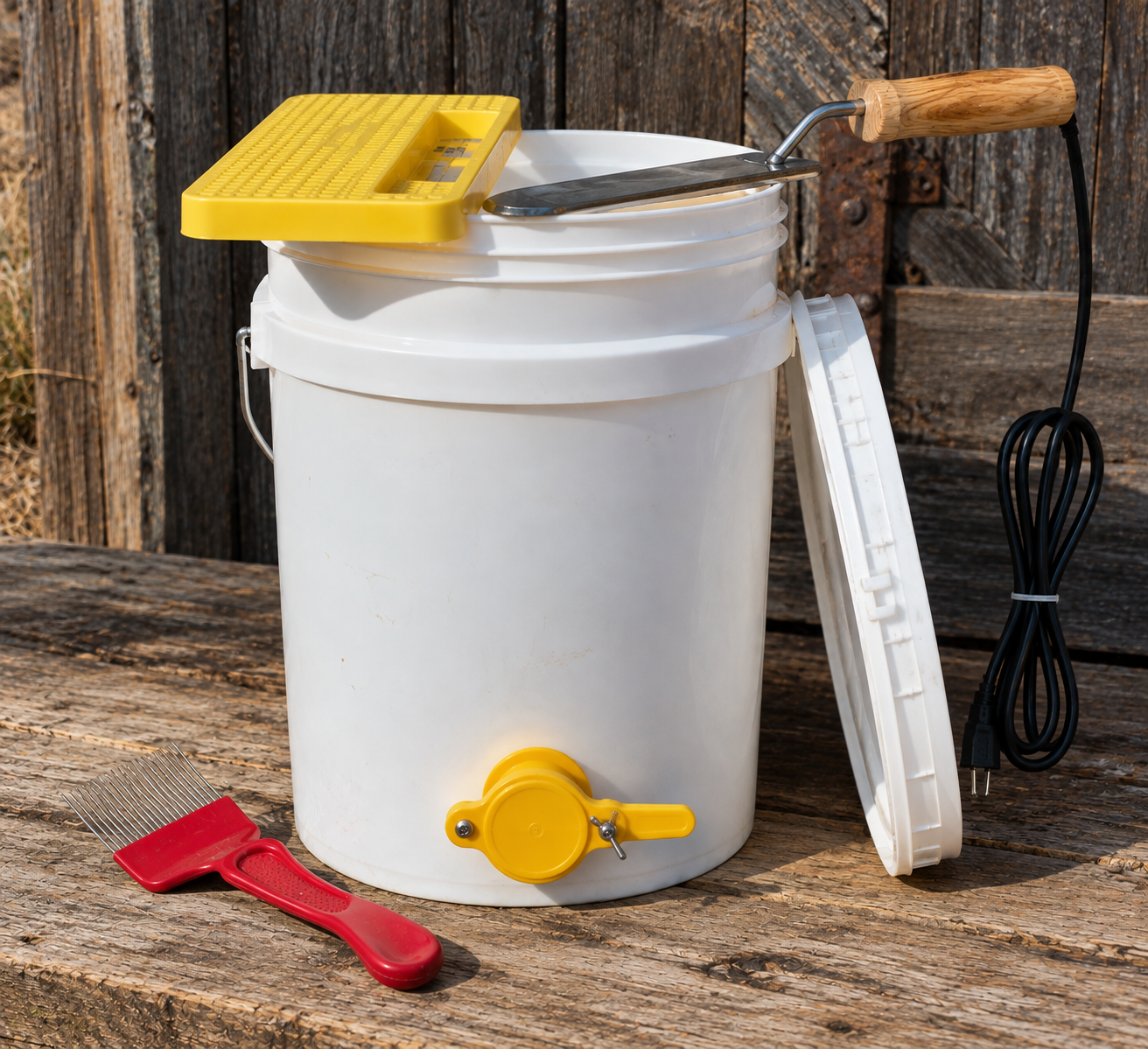
Harvesting honey involves several steps: removing ripe honey frames, uncapping sealed cells, extracting or crushing comb as appropriate, straining honey, and filling clean containers. An extractor spins honey from uncapped frames and can allow the comb to be reused. Choose extractor capacity based on the number of colonies and the frame sizes you expect to harvest.
Uncapping tools, strainers, food-contact bottling tanks, honey gates, jars and bottles can make processing more efficient. Smaller beekeepers may start with simple equipment, while larger operations may benefit from higher-capacity extractors and tanks. Shop Honey Extractors | Shop Extracting Tools | Shop Honey Containers | Shop Honey Labels
Queen Rearing & Supplies for Growing Apiaries
As an apiary grows, beekeepers may need queen introduction cages, marking tools, mating equipment, additional frames, feeding supplies and other specialized accessories. Queen-rearing equipment is most useful when paired with a clear plan for producing and evaluating queens. For larger operations, consistent hive dimensions and spare equipment can reduce delays during colony splits, requeening and honey flows.
Explore Queen-Rearing Supplies
Beeswax, Candle Molds, Wax Processing, Lip Balm & Soap Making Supplies
Beeswax is one of the most versatile products harvested from a beehive. Whether you are rendering wax from old comb, making homemade candles, creating lip balms or crafting handmade soaps, Lappe's Bee Supply offers waxes, candle molds, wax processing equipment and crafting supplies to help turn your ideas into finished products.
Beeswax & Candle-Making Wax: Choose from pure beeswax blocks, beeswax and paraffin blend candle wax blocks, yellow and white beeswax/paraffin blend pellets, coconut wax and palm wax. Pure beeswax is popular for traditional beeswax candles, while blended waxes provide additional options for different pouring methods, finishes and candle styles. The right wax depends on whether you are making molded candles, container candles or other projects; test wax, wick and mold combinations for the desired results.
Candle Molds & Candle-Making Supplies: Explore silicone candle molds featuring honey bees, honeycombs, flowers, decorative designs and seasonal shapes. Whether making candles for gifts, craft fairs or resale, use suitable molds and select compatible waxes and wicks for consistent results.
Beeswax Processing & Rendering Supplies: Beeswax recovered from comb may contain honey residue, propolis and other impurities. Wax processing equipment, filters and related supplies help beekeepers melt, strain and prepare wax for candle making and other projects. Heat wax carefully using equipment intended for wax processing.
Lip Balm Making Supplies: Beeswax helps give lip balm structure and firmness. Shop lip balm tubes, filling trays and other supplies that make filling and packaging multiple tubes easier, whether for personal use, gifts or small-batch sales.
Soap Making Supplies: Create handmade soaps with decorative silicone soap molds, including bee and honeycomb designs. Select ingredients and molds suited to your soap-making method and follow appropriate safety procedures.
From processing beeswax harvested from your own hives to creating candles, lip balms and soaps, find supplies for beginners and experienced makers alike.
Shop Beeswax & Candle Wax | Shop Candle Molds | Shop Wax Processing Supplies | Shop Lip Balm & Soap Making Supplies
Winter Beekeeping Supplies & Hive Protection
Preparing honey bee colonies for winter is important even in Alabama, where temperatures are generally milder than in northern states. Sudden cold snaps, fluctuating temperatures, excess moisture, and periods of limited forage can still create challenges for overwintering colonies.
Lappe's Bee Supply offers winter beekeeping supplies, including hive wraps, insulation products, moisture-control equipment, winter feeding supplies, and accessories to help beekeepers prepare for colder weather. Depending on your hive setup and local conditions, winter quilt boxes, insulated hive covers, entrance reducers, and supplemental winter feed may be useful.
Successful overwintering starts with healthy colonies, adequate food stores, and effective Varroa mite management before winter arrives. Choose winter protection based on local climate, hive ventilation, and colony needs rather than assuming every hive requires the same insulation.
Shop Winter Beekeeping Supplies
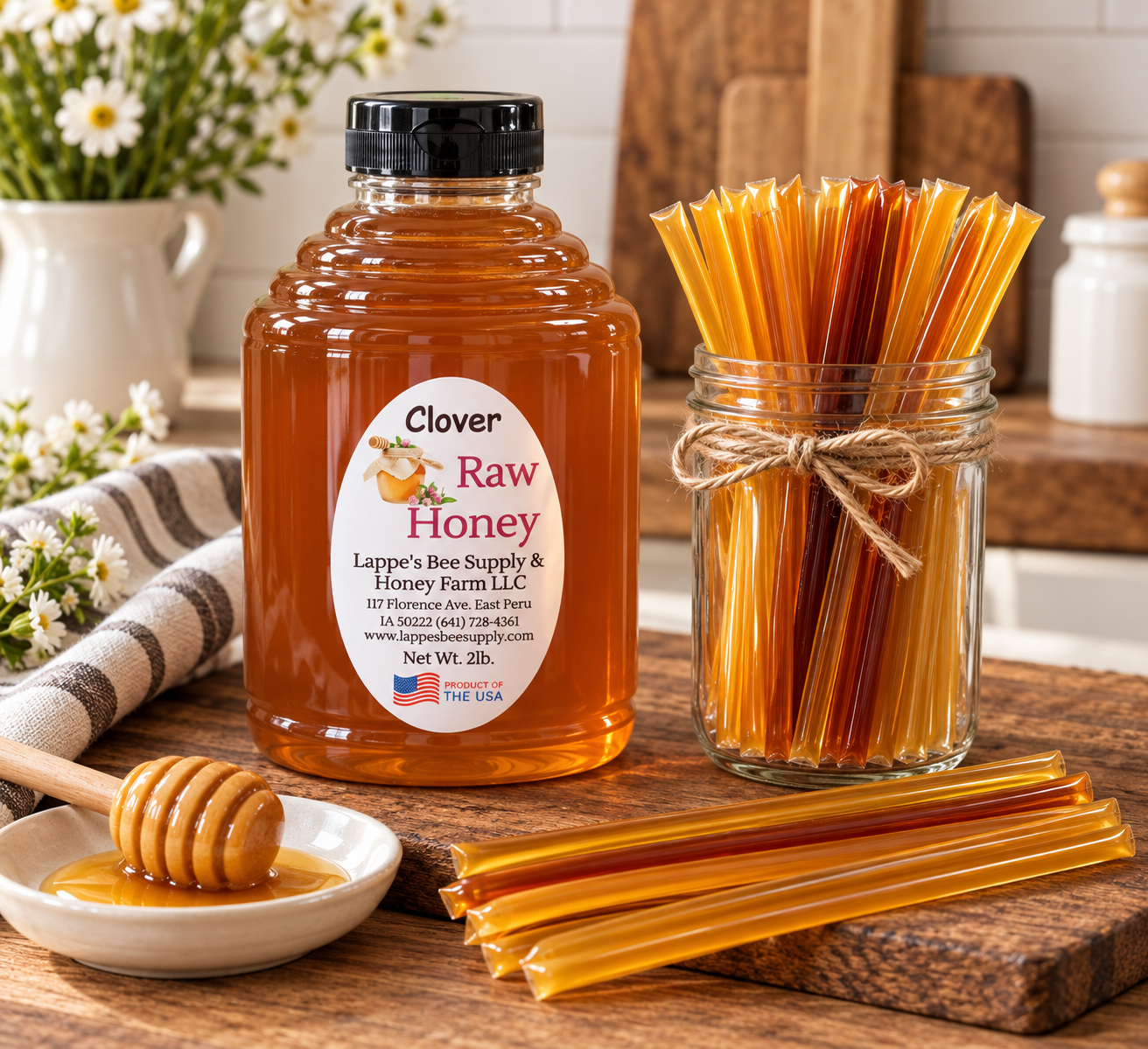
100% Pure Midwest USA Honey & Honey Sticks
Looking for delicious, high-quality American honey? Lappe's Bee Supply and Honey Farm offers 100% pure Midwest USA honey and convenient honey sticks for customers who appreciate the natural sweetness of real honey.
Our honey is a delicious choice for sweetening tea and coffee, baking, cooking, and enjoying straight from the jar. We also offer honey sticks, which provide a convenient, individually portioned way to enjoy honey. They're great for snacks, gift baskets, special events, and sharing with family and friends.
Whether you're a beekeeper shopping for equipment or simply looking for pure American honey, explore our selection of Midwest USA honey and honey sticks from Lappe's Bee Supply and Honey Farm.
Honey Bees for Sale in Alabama: What Can You Order?
When shopping for bees in Alabama, it is important to understand the difference between package bees, mated queens, and nucleus colonies. The state's rules affect which live-bee products may enter from another state.
Important: Alabama's No Comb Law
Alabama prohibits importing honey bees on comb from other states, including established colonies and five-frame nucleus colonies (nucs). The state permits imported package bees and queens when accompanied by a valid health certificate from the state of origin. See the Alabama Department of Agriculture's official explanation.
For Alabama customers: Lappe's pickup-only nucs in Iowa should not be transported into Alabama. Confirm live-bee destination eligibility, required documentation, shipping dates and current inventory before placing an order.
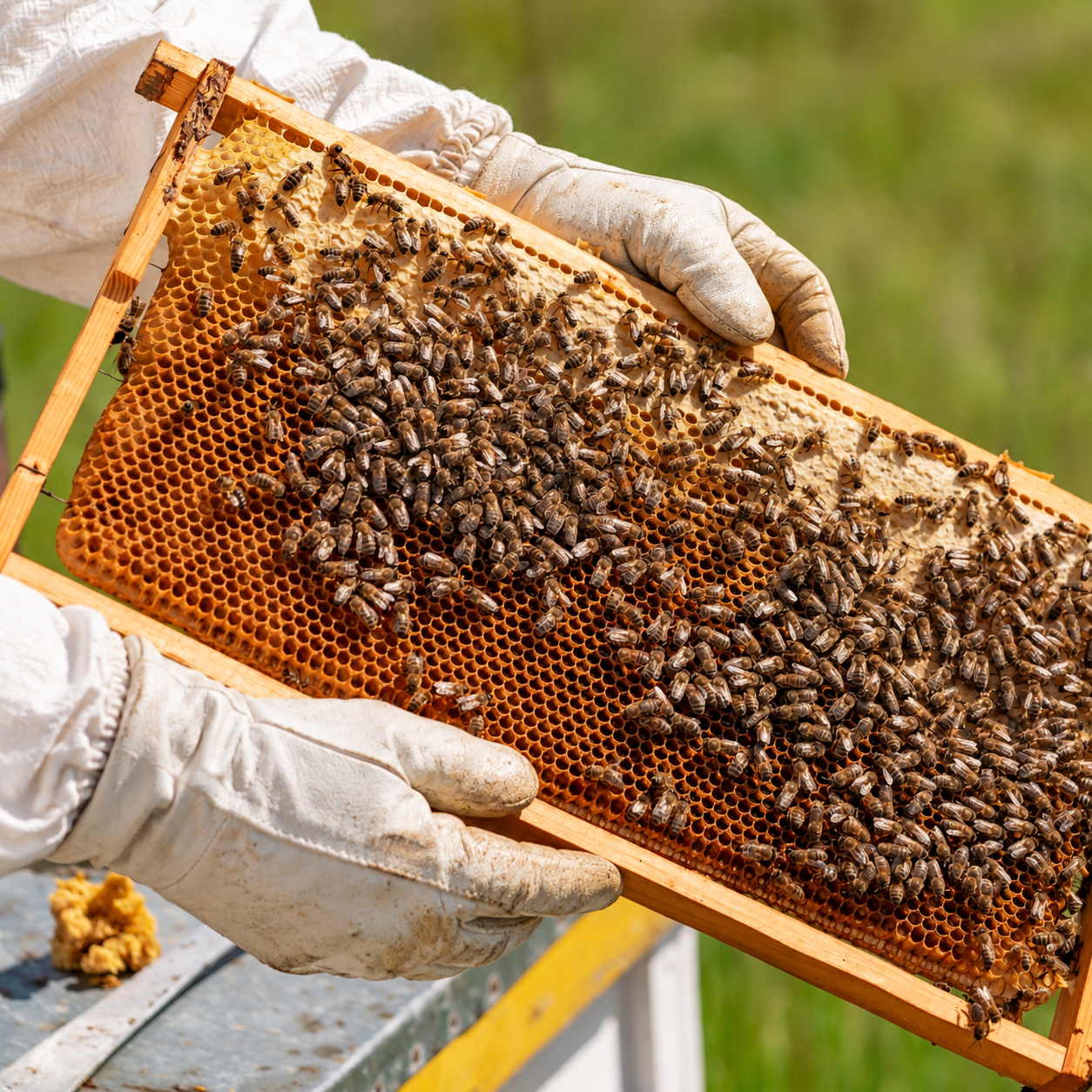
Package Honey Bees
Packages contain worker bees and a queen without drawn comb. They are a common option for installing bees into a new hive. Check seasonal inventory and Alabama shipping eligibility.
Explore Package BeesMated Queen Bees
Queens may be purchased for requeening an existing colony. A queen alone cannot establish a new colony without workers. Check our available shipping dates
Explore Queen BeesNucleus Colonies (Nucs)
A nuc includes bees and brood on frames of comb. Alabama's import restriction means out-of-state nucs cannot be brought into Alabama. Seek an eligible in-state source if you want to start with a nuc.
Read Alabama Import RulesStarting Your First Beehive in Alabama
A good first season begins well before bees arrive. Choose a safe apiary location, check local ordinances, learn how to inspect a colony, and obtain compatible equipment. Many beginners find it helpful to start with two colonies so they can compare colony development and troubleshoot problems with a local mentor.
Basic Beekeeping Checklist
- Check Alabama registration requirements and local rules.
- Join a local club or find an experienced mentor.
- Select an 8-frame or 10-frame hive system.
- Purchase protective gear, a smoker, hive tool and feeder.
- Arrange a legally eligible source of bees.
- Learn to monitor food stores, brood patterns and Varroa mites.
Which hive should you choose?
Eight-frame equipment can be lighter to lift when filled, while ten-frame equipment provides more space per box. Both can work well in Alabama. Consistency matters: choose a system and purchase matching boxes, frames, covers and bottom boards.
New colonies often need close attention to feeding, comb building, queen performance and expansion. Plan to inspect as conditions permit rather than following a rigid calendar.
Browse Beginner KitsAlabama Beekeeping Calendar: What to Watch Each Season
Alabama's growing season is relatively long, but timing differs between the Tennessee Valley, central Alabama, the Black Belt and the Gulf Coast. Use local bloom conditions, weather, and colony inspections—not dates alone—to decide when to feed, add space or harvest.
Spring: Build Strong Colonies
Monitor brood expansion and food reserves, prepare equipment before major nectar flows, and watch for swarm pressure. Confirm that colonies have enough space as forage increases.
Summer: Manage Heat & Harvest
Provide a dependable water source, monitor stores during nectar dearths, add supers when appropriate, and assess Varroa mite levels using a reliable monitoring method.
Fall: Prepare for Cooler Weather
Evaluate colony strength, queen performance, mite levels and food reserves. Address deficiencies early enough for colonies to raise healthy winter bees.
Winter: Monitor, Don't Disturb Unnecessarily
Check hive weight and entrances, protect equipment from moisture problems, and prepare replacement frames and supplies for spring. Cold-weather needs vary across Alabama.
Follow label instructions and temperature restrictions for any registered bee treatment. Local Extension educators and experienced Alabama beekeepers can help tailor timing to your region.
How Should Alabama Beekeepers Monitor and Control Varroa Mites?
Varroa destructor mites are among the most serious threats to honey bee colony health. These parasitic mites reproduce within developing brood cells, weaken honey bees, and transmit harmful viruses that can contribute to colony losses.
In Alabama, mild winters and an extended brood-rearing season can allow Varroa populations to increase over a longer period than in colder northern climates. This makes consistent mite monitoring and a year-round management plan especially important for Alabama beekeepers.
Regular Varroa mite monitoring helps determine whether treatment is necessary and whether a treatment has been effective. Alcohol washes and other established sampling methods can provide useful estimates of mite infestation levels. Visual inspections alone are not reliable for determining mite levels.
When mite levels require intervention, select a registered Varroa treatment appropriate for the colony's condition, current temperatures, brood levels, and honey-production status. Some treatments have strict temperature limitations, while others cannot be used with honey supers intended for harvest. Always follow the current EPA-approved product label.
Don't wait until a colony appears weak to begin monitoring for Varroa mites. Managing mite populations before they become excessive is an important part of maintaining healthy colonies and preparing bees for successful overwintering.
What Flowers and Trees Feed Honey Bees in Alabama?
Alabama's nectar sources vary by region and season. According to the Alabama Cooperative Extension System, important forage plants include clovers and yellow-poplar, while sourwood, gallberry, tupelo and other plants contribute in suitable areas. A colony's honey crop depends on weather, soil, nearby plant communities and colony strength—not simply the presence of one flowering species.
| Forage source | General flowering period | Why beekeepers watch it |
|---|---|---|
| Red maple | January–March | Early-season pollen and nectar where available |
| Crimson clover | April–June | Spring nectar and pollen |
| Yellow-poplar | April–June | Important nectar source in many areas |
| Sourwood | June–July | Regional summer forage |
| Goldenrod | July–October | Late-season nectar and pollen |
These are broad Extension bloom windows, not guarantees for a particular county or year. Record the first and last bloom dates near your own apiary and compare them with colony growth and honey storage. Avoid intentionally planting invasive species, even when bees visit their flowers.
Alabama Beekeeping Laws, Apiary Registration & Resources
Before keeping bees, review both statewide requirements and any county, municipal, zoning or neighborhood restrictions that apply to your location.
Apiary Registration
Alabama law requires registration of honey bee colonies and apiaries with the Commissioner of Agriculture and Industries. The statute generally specifies registration by October 1 each year and includes rules for colonies acquired later. Consult the agency for current forms, fees and exceptions.
Review Alabama's Apiary StatuteInterstate Bee Movement
Alabama restricts importing bees on comb. Imported packages and queens require a valid origin-state health certificate. Verify current rules with the Alabama Department of Agriculture before arranging a shipment.
Review the No Comb LawThis information is educational and is not legal advice. Official rules, administrative requirements and shipping eligibility may change.
Alabama Beekeeping Clubs & Associations
Looking for beekeeping classes, local meetings, or guidance from experienced beekeepers in Alabama? Connecting with a local beekeeping club is a great way to learn new skills, share experiences, and meet fellow beekeepers. Explore the Alabama beekeeping clubs and associations listed below to find an organization near you. Contact individual clubs for current meeting schedules, membership information, and upcoming events.
- Alabama Beekeepers Association (Statewide) — Visit club website
- Baldwin County Beekeepers Association (Robertsdale) — Visit club website
- Bibb County Beekeepers Association (West Blocton) — Find the club's Facebook contact link in our original directory
- Blount County Beekeepers Association (Cleveland) — Find the club's Facebook contact link in our original directory
- Central Alabama Beekeepers Association (Wetumpka) — Find the club's Facebook contact link in our original directory
- Chilton County Beekeepers Association (Clanton) — Find the club's Facebook contact link in our original directory
- Cullman Beekeepers Association (Cullman) — Visit club website
- Jackson County Beekeepers Association (Scottsboro) — Find the club's Facebook contact link in our original directory
- Jefferson County Beekeepers Association (Birmingham) — Visit club website
- Limestone County Beekeepers Association (Athens) — Find the club's Facebook contact link in our original directory
- Madison County Beekeepers Association (Huntsville) — Visit club website
- Mobile County Beekeepers Association (Mobile County) — Find the club's Facebook contact link in our original directory
- Northeast Alabama Beekeepers Association (Anniston) — Visit club website
- Queen’s Castle Beekeepers Association (Andalusia) — No contact link currently listed; check the statewide directory
- Shelby County Beekeepers Association (Columbiana) — Visit club website
- Southeast Alabama Beekeepers Association (New Brockton) — Visit club website
- Southwest Alabama Beekeepers Association (Southwest Alabama) — Find the club's Facebook contact link in our original directory
- St. Clair County Alabama Local Beekeepers Association (Ashville) — Find the club's Facebook contact link in our original directory
- Tallapoosa River Beekeepers (Tallapoosa River area) — Find the club's Facebook contact link in our original directory
- Tennessee Valley Beekeeping Association (Moulton) — Visit club website
- Walker County Beekeepers (Jasper) — Find the club's Facebook contact link in our original directory
- West Alabama Beekeepers Association (Tuscaloosa) — Find the club's Facebook contact link in our original directory
- Wiregrass Beekeepers Association (Dothan) — Visit club website
For additional updates to local club contact information, see the Alabama Beekeepers Association local club directory. Lappe's welcomes beekeeping clubs interested in educational materials and supply information; please email [email protected] to discuss your needs.
Frequently Asked Questions About Beekeeping in Alabama
Where can I buy beekeeping supplies for delivery to Alabama?
Lappe's Bee Supply sells beehives, frames, protective clothing, smokers, feeders, extracting equipment and more through its online store. Eligible orders can be shipped to Alabama; check checkout terms for shipping charges and exclusions.
Can I order package bees for delivery to Alabama?
Alabama permits imported package bees when accompanied by a valid health certificate from the state of origin. Availability, shipping dates and compliance documentation must be confirmed with the seller before ordering.
Can I bring a five-frame nuc from another state into Alabama?
No. Alabama's No Comb Law prohibits importing honey bees on comb, including nucleus colonies and established colonies. Lappe's Iowa pickup nucs are not a legal option for transport into Alabama.
Do I need to register beehives in Alabama?
Yes. Alabama has statewide apiary registration requirements. Review the current rules and registration process with the Alabama Department of Agriculture and Industries, and check for additional local restrictions.
What is the best time to start beekeeping in Alabama?
Spring is a common time to establish colonies because forage and brood rearing are increasing. Exact timing depends on location, weather, bee availability and the strength of the colony.
What equipment does a beginning beekeeper need?
Most beginners need a complete hive with compatible frames and foundation, protective clothing, smoker, hive tool, feeder, and appropriate colony-health monitoring supplies. A starter kit can simplify equipment selection.
Does Lappe's have a physical store in Alabama?
No. Lappe's Bee Supply is based in Iowa and serves Alabama customers through online ordering and applicable shipping services.
Where can I find Alabama beekeeping classes or mentors?
Start with the Alabama Beekeepers Association's local club directory. County and regional clubs often provide meetings, educational events and connections to experienced local beekeepers.
Ready to Equip Your Alabama Apiary?
Whether you are preparing a first hive, expanding your equipment, or getting ready to bottle a honey crop, Lappe's Bee Supply offers tools and supplies for every stage of beekeeping. Browse the online store or contact our team with equipment questions.
