Welcome to Lappe's Bee Supply's blogs section. We are a trusted beekeeping company in the USA. We give relevant insights, seasonal guidance, and professional advice for beekeepers of all experience levels. From hive management and bee wellness to honey production and equipment guides, we have it all that you will require to thrive. Get updated, motivated, and connected with the beekeeping community through regular news from Lappe's Bee Supply.
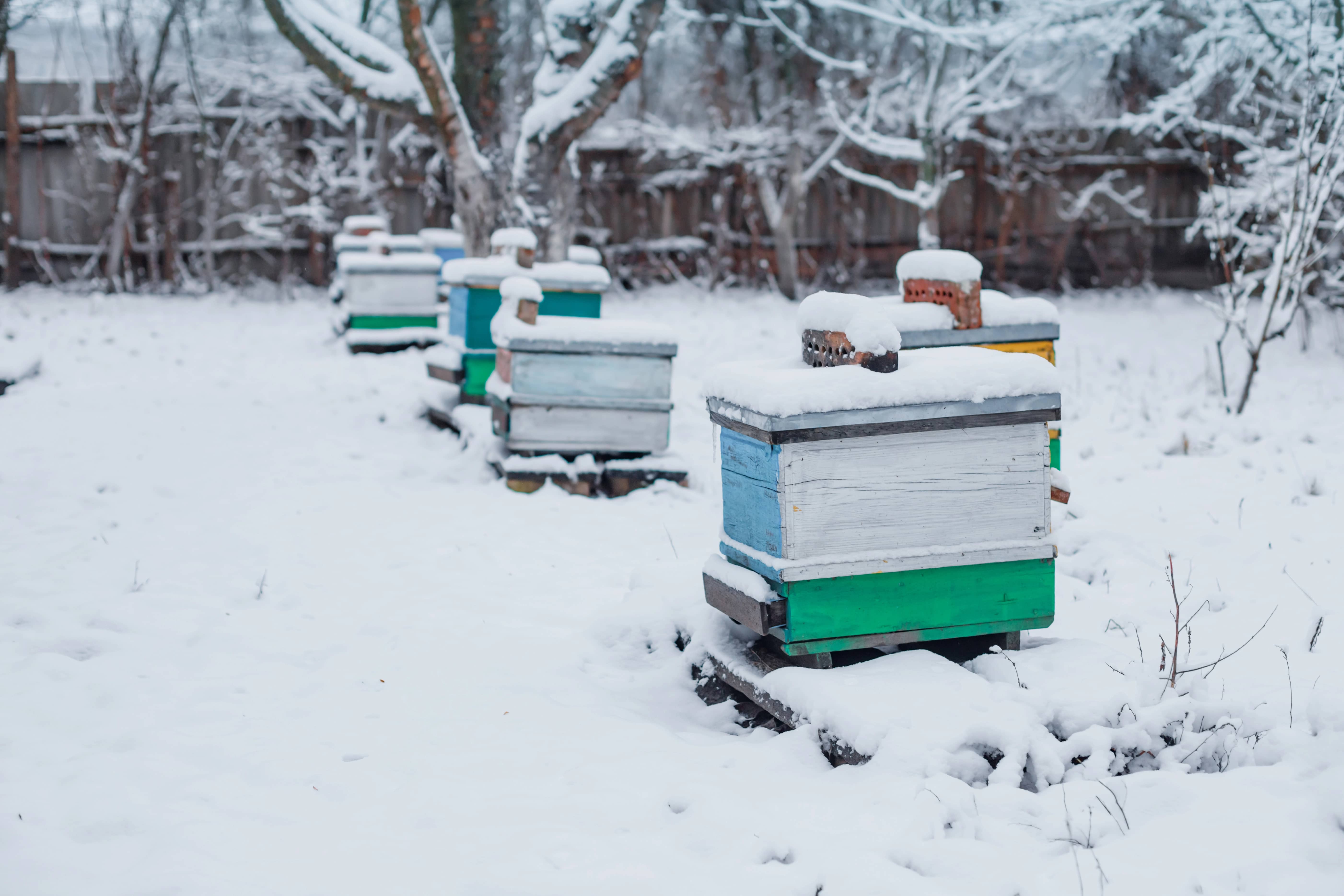
Wintering Honey Bees: A Complete Overwintering Guide for Beekeepers
The Buzz About This Post
- Wintering Honey Bees: A Complete Overwintering Guide for Beekeepers
- Key Takeaways
- Table of Contents
- What does "wintering honey bees" mean?
- How do honey bees survive freezing temperatures inside the hive?
- How strong should a colony be before winter?
- How much honey does a hive need for winter?
- Should bees be fed during winter?
- How should ventilation and insulation be balanced when wintering honey bees?
- How should beekeepers manage pests before winter?
- What should be monitored during winter?
- What is the step-by-step checklist for preparing a hive for winter?
- What are the most common questions about wintering honey bees?
- FAQs
Wintering Honey Bees: A Complete Overwintering Guide for Beekeepers
Last Updated: September 29, 2026
Author: Lappe's Bee Supply
Editorial Standards: This guide is based on university extension guidance, peer-reviewed apiculture research, established beekeeping references, and practical colony-management principles for wintering honey bees.
Wintering honey bees successfully starts well before the first hard freeze. Preparing colonies for winter requires enough food, a healthy population, manageable Varroa pressure, suitable weather protection, and a hive setup that helps control moisture. The exact preparation varies by climate, but the goal is the same: help the colony maintain its winter cluster and reach spring with enough bees and resources to begin building again.
Wintering Honey Bees is not simply about making a hive warmer. Honey bees already have an effective biological system for surviving cold weather: they form a cluster and generate heat. The beekeeper's job is to make sure the colony has the food, health, hive configuration, and protection needed to maintain that cluster.
If you are evaluating problems after a colony fails, our guide to dealing with winter deadouts in honey bees can help you work through possible causes.
Key Takeaways
- Wintering honey bees means preparing a colony so it can maintain its winter cluster, access food, manage moisture, and remain healthy until spring.
- Successful overwintering depends on adequate food reserves, colony strength, and manageable pest and disease pressure.
- Honey bees survive cold weather by forming a thermoregulating cluster and producing heat through muscular activity.
- Food requirements for overwintering colonies vary by climate, colony size, hive configuration, bee stock, and winter duration.
- Varroa management is especially important when preparing colonies for winter because late-season mite pressure can weaken long-lived workers.
- Winter hive moisture management should reduce harmful condensation without creating unnecessary drafts through the cluster.
What does "wintering honey bees" mean?
Wintering honey bees means preparing and managing a colony so it can maintain its winter cluster, access sufficient food, control moisture, and remain healthy until spring.
- Overwintering success depends on producing long-lived workers during late summer and fall.
- Stored carbohydrates provide the energy needed for winter thermoregulation.
- Colony population, food reserves, Varroa pressure, and hive conditions can influence winter survival.
- Cold-weather colony preparation should begin before low temperatures limit feeding and mite-control options.
Successful wintering honey bees begins during late summer and fall, when colonies are producing the workers that will carry the hive through the cold season. Beekeepers should evaluate the queen, colony population, stored food, Varroa levels, hive condition, entrance protection, and exposure to wind or moisture before sustained freezing weather arrives.
The objective is not to create a perfectly warm hive. Honey bees are adapted to cold conditions when the colony is healthy and adequately supplied. Good winter colony management is about reducing preventable stress and giving the cluster the best opportunity to function normally until spring.
How do honey bees survive freezing temperatures inside the hive?
Honey bees survive freezing weather by forming a dense winter cluster, generating heat with muscular activity, and consuming stored honey for energy.
- Worker bees gather into a compact cluster as outside temperatures fall.
- Bees generate heat through contractions of their flight muscles without flying.
- The cluster can tighten or loosen as surrounding temperatures change.
- Stored honey supplies the carbohydrates required for cold-weather survival.
- A colony can face starvation if severe cold prevents the cluster from reaching nearby stores.
A winter cluster is a living temperature-control system. Bees toward the interior contribute heat, while bees toward the outside form a denser insulating layer. Individual workers change positions rather than remaining permanently on the surface of the cluster.
The colony does not need the entire hive cavity to remain warm. Its priority is maintaining suitable conditions within the cluster. When brood is present, the colony must maintain a warmer brood area, which increases energy demand.
As winter progresses, the cluster consumes honey and gradually changes position. This is why food placement matters during honey bee overwintering, not just the total amount of honey present somewhere in the hive.
How strong should a colony be before winter?
A colony entering winter should be populous, healthy, queenright, adequately supplied with food, and managed for Varroa before winter bees develop.
- A strong pre-winter population improves the colony's ability to form an effective cluster.
- Colony weight before winter can provide useful information about food reserves and colony condition.
- A healthy laying queen helps produce the workers needed for successful overwintering.
- A fixed bee-count threshold should not replace an overall assessment of colony condition.
Strong colonies generally have an advantage during winter because a larger population can form an effective cluster while still maintaining enough workers to withstand normal seasonal mortality. Peer-reviewed research in the northeastern United States found that pre-winter colony population and weight were associated with overwintering success.
That does not mean every colony needs one exact number of bees. Climate, hive equipment, genetics, food reserves, disease pressure, and winter duration all influence survival. When preparing colonies for winter, evaluate overall colony condition rather than relying on one universal numerical cutoff.
A small or declining colony deserves additional investigation before winter. Possible issues include queen problems, inadequate nutrition, excessive Varroa pressure, disease, or simply a colony that did not build enough population for successful overwintering.
How much honey does a hive need for winter?
Winter food needs vary by climate, colony population, hive configuration, bee stock, and winter length, so regional guidance is more useful than one national target.
- Honey is the colony's primary stored carbohydrate source during winter.
- Longer periods without forage generally increase dependence on stored food.
- Larger colonies may consume more food while also having greater thermoregulatory capacity.
- Hive weight can help beekeepers track food reserves in overwintering colonies.
- Regional extension recommendations should guide specific winter honey targets.
Recommendations such as 60 to 80 pounds of stored honey are often used as planning references in temperate or northern areas, but they should not be treated as a universal requirement. Food needs for overwintering honey bees can change with colony strength, weather, winter duration, hive configuration, and opportunities for late or early forage.
The better question is whether a colony has enough accessible food to last until dependable spring forage returns. During winter hive preparation, beekeepers can estimate stores by examining frames before cold weather or by learning to judge hive weight from the rear or side.
Honey Stores Quick Reference
| Winter Conditions | Planning Consideration | Best Practice |
|---|---|---|
| Mild or short winter | Colonies may experience shorter periods without forage. | Use local extension recommendations. |
| Temperate winter | Substantial stored honey is normally important. | Assess stores before sustained cold. |
| Long, cold winter | Extended confinement can increase food needs. | Plan conservatively and monitor hive weight. |
| Any climate | Food use varies from colony to colony. | Do not rely on one national pound target. |
If a colony is light during fall, feeding early enough for bees to process and store syrup is generally preferable to waiting for a winter emergency. Browse our bee feeders and feeding bees and nutrition resources.
Should bees be fed during winter?
Feed bees during winter when stores are inadequate or inaccessible; during sustained cold, solid emergency feed is generally more practical than liquid syrup.
- Adequate fall food stores are preferable to depending on emergency winter feeding.
- Cold temperatures reduce the usefulness of liquid syrup.
- Solid carbohydrate feed can be placed where the winter cluster can reach it.
- Emergency feeding should be performed with as little disturbance as practical.
- Hive weight can help identify colonies that are consuming stores rapidly.
Fondant, prepared sugar feed, or other appropriate solid carbohydrate sources are commonly used when an overwintering colony becomes dangerously light. Placement is important. Food that is technically inside the hive but far from a tightly clustered colony may not be available when temperatures remain very low.
Liquid syrup is generally more useful during temperatures that allow bees to process it. During deep winter, adding unnecessary liquid may be ineffective and can complicate moisture management.
For a more detailed discussion, see our Winter Feeding Honeybees: A Detailed Guide for Beekeepers.
How should ventilation and insulation be balanced when wintering honey bees?
Winter moisture management should balance insulation and controlled ventilation so condensation is reduced without creating harmful drafts through the bee cluster.
- Honey metabolism produces water vapor inside the hive.
- Warm, humid air can condense when it contacts colder hive surfaces.
- Condensation above the cluster can become harmful if water drips onto bees.
- Insulation reduces heat transfer and can help limit very cold interior surfaces.
- Controlled ventilation can help excess moisture leave the hive.
- Winter hive configuration should account for climate, hive design, and colony condition.
Ventilation and insulation are not competing ideas during winter colony management. Each serves a different purpose. Insulation can reduce rapid heat transfer and help moderate interior surface temperatures, while controlled ventilation provides a path for excess moisture to leave the hive.
The goal is not maximum airflow. Strong drafts passing directly through the cluster can increase stress. Beekeepers should manage condensation while protecting overwintering colonies from direct wind, precipitation, and severe temperature swings.
Depending on climate and hive configuration, cold-weather moisture strategies may include upper entrances, quilt boxes, insulated covers, moisture-absorbing materials, hive wraps, or combinations of these approaches.
Beekeepers preparing colonies for winter can browse our Winter Beekeeping Supplies and the Overwintering Insulation Heater Box.
How should beekeepers manage pests before winter?
Manage Varroa before winter by monitoring mite levels, choosing an appropriate legal treatment when needed, and checking whether control was effective.
- Varroa mites are a major health threat because they parasitize bees and contribute to the transmission and amplification of damaging viruses.
- Monitoring should occur before obvious colony decline develops.
- Late-summer and fall mite pressure can affect the health of workers needed for winter survival.
- Treatment choice depends on season, temperature, brood status, colony conditions, and product-label requirements.
- Follow-up monitoring helps determine whether mite control was successful.
Timing matters because the workers produced in late summer and fall must survive much longer than typical summer workers. Research has shown that greater Varroa infestation during the development of winter bees can shorten worker lifespan and reduce colony survival.
The Honey Bee Health Coalition's current Tools for Varroa Management guide emphasizes regular monitoring, timely action, and choosing management methods appropriate to colony conditions. The ninth edition was released in 2026 and reflects current integrated Varroa-management considerations.
Always follow current treatment labels, temperature restrictions, honey-super restrictions, dosage requirements, and applicable regulations when using a Varroa treatment during pre-winter colony management.
See our Varroa mite detection guide and browse Varroa treatments and pest-control supplies.
What should be monitored during winter?
Winter monitoring should focus on food reserves, entrance condition, moisture, hive stability, and external activity while minimizing disturbance of the cluster.
- Hive weight can provide a useful indication of declining food stores.
- Entrances should remain usable and free of serious obstructions.
- Hives should remain stable after strong wind, snow, ice, or other severe weather.
- Moisture problems may sometimes be identified without dismantling the hive.
- Colonies may take cleansing flights during warmer winter weather.
Monitoring overwintering honey bees does not mean repeatedly opening a colony. Most checks can be performed from the outside. Look for storm damage, blocked entrances, unusual quantities of dead bees, animal damage, water problems, or evidence that equipment has shifted.
Learning to judge hive weight can also help identify colonies that are approaching a food shortage. During winter colony management, a hive that becomes noticeably lighter may need emergency feed even when another colony in the same apiary still has ample reserves.
Winter monitoring rule: Intervene when there is a reason to intervene. Avoid opening a healthy colony during severe cold simply to satisfy curiosity.
What is the step-by-step checklist for preparing a hive for winter?
Preparing a hive for winter requires checking colony health, food reserves, Varroa levels, entrance protection, weather exposure, and moisture management before sustained cold.
Winter hive preparation works best as a sequence rather than one last-minute task. Start while temperatures still allow enough time to correct food shortages, address Varroa pressure, make equipment changes, and evaluate colony strength.
Pre-Winter Checklist
- Evaluate colony strength. Confirm the colony has a healthy population and is queenright.
- Check food reserves. Assess stored honey and overall hive weight before prolonged cold arrives.
- Monitor Varroa levels. Use an appropriate sampling method instead of relying only on visual inspection.
- Complete necessary Varroa management. Follow current treatment labels and seasonal restrictions.
- Recheck when appropriate. Determine whether mite-management efforts achieved adequate control.
- Correct food shortages. Feed early enough in fall whenever possible rather than depending on emergency feeding later.
- Protect the entrance. Install an entrance reducer or mouse guard where appropriate.
- Remove unnecessary space. Avoid leaving unused equipment that does not serve the winter colony.
- Protect against severe weather. Secure equipment and provide wind protection if the apiary is exposed.
- Manage moisture. Choose ventilation, insulation, quilt boxes, or related methods suitable for your local winter conditions.
- Prepare emergency feed. Have a plan before food reserves reach a critical level.
- Monitor without unnecessary disturbance. Use external observations and hive weight whenever possible during cold weather.
Helpful supplies for winter colony preparation:entrance reducers and mouse guards, winter quilt boxes and moisture-control equipment, and Varroa treatments and pest-control supplies.
For more quick answers about wintering honey bees, see our Wintering Bees FAQ, which covers winter stores, moisture, insulation, feeding, hive preparation, and common winter concerns.
What are the most common questions about wintering honey bees?
Common questions about honey bee overwintering focus on clustering, food access, insulation, feeding, Varroa management, hive checks, and weak-colony survival.
Frequently Asked Questions
At what temperature do bees start clustering?
Honey bees begin tightening into a winter cluster as temperatures fall, but there is no single temperature that applies to every colony and condition.
Can bees survive subzero temperatures?
Yes. Healthy colonies with adequate food can survive extended freezing and subzero conditions by maintaining a thermoregulating winter cluster.
How often should hives be checked in winter?
Monitor colonies periodically from outside and minimize internal inspections during severe cold. Check food availability when hive weight suggests stores may be getting low.
Is insulation always necessary?
No. Insulation needs vary with climate, hive design, colony condition, wind exposure, and the beekeeper's moisture-management strategy.
Can weak colonies survive winter?
A weak colony can survive winter, but stronger pre-winter populations and adequate food reserves generally improve overwintering success.
Should pollen patties be used in winter?
Pollen supplementation depends on colony condition, climate, brood-rearing activity, and management goals rather than a single winter feeding rule.
What is one of the biggest threats to winter survival?
Varroa mites and the viruses associated with mite infestations are major threats to colony health and winter survival.
Can bees run out of food even if honey is present?
Yes. During prolonged cold, a tightly clustered colony may be unable to move far enough to reach honey stored elsewhere in the hive.
What is the best emergency winter food for honey bees?
During sustained cold, solid carbohydrate feed such as fondant or prepared sugar feed is generally more practical than liquid syrup.
What should beekeepers check before winter?
Check colony strength, queen status, food reserves, Varroa levels, entrance protection, hive condition, weather exposure, and moisture-management needs.
Research & References
This guide uses university extension information, peer-reviewed research relevant to wintering honey bees and colony survival, established apiculture references, and current honey bee health guidance. Specific recommendations should still be adjusted for local climate and colony conditions.
- Penn State Extension. Honey Bee Management Throughout the Seasons. Seasonal colony biology, winter clustering, food stores, and colony management.
- Honey Bee Health Coalition. Tools for Varroa Management. Current guidance for Varroa monitoring and management.
- Honey Bee Health Coalition. Ninth Edition of the Tools for Varroa Management Guide. Updated June 2026.
- Döke, M. A., McGrady, C. M., Otieno, M., Grozinger, C. M., & Frazier, M. Colony Size, Rather Than Geographic Origin of Stocks, Predicts Overwintering Success in Honey Bees. Journal of Economic Entomology, 2019.
- van Dooremalen, C., et al. Winter Survival of Individual Honey Bees and Honey Bee Colonies Depends on Level of Varroa destructor Infestation. Peer-reviewed research on Varroa pressure, winter-bee longevity, and colony survival.
- Delaplane, K. S., van der Steen, J., & Guzman-Novoa, E. Standard Methods for Estimating Strength Parameters of Apis mellifera Colonies. Journal of Apicultural Research, 2013.
- Seeley, Thomas D. Honeybee Ecology: A Study of Adaptation in Social Life. Princeton University Press.
- University of Minnesota Bee Lab. Honey Bee Guidebook. Seasonal honey bee management information for northern climates.
Related Beekeeping Guides and Supplies
These resources can help with feeding, pest management, equipment, and other practical needs for overwintering honey bees and preparing colonies for winter.
- Wintering Bees FAQ
- Winter Beekeeping Supplies
- Beekeeping Starter Kits
- All Beekeeping Supplies
- Bee Feeders
- Feeding Bees & Nutrition Resources
- Varroa Treatments & Pest Control
- Hive Tools & Hand Tools
- Entrance Reducers
- More Beekeeping Guides from Lappe's Bee Supply
FAQs
At what temperature do bees start clustering?
Honey bees begin tightening into a winter cluster as temperatures fall, but there is no single temperature that applies to every colony and condition.
Can bees survive subzero temperatures?
Yes. Healthy colonies with adequate food can survive extended freezing and subzero conditions by maintaining a thermoregulating winter cluster.
How often should hives be checked in winter?
Monitor colonies periodically from outside and minimize internal inspections during severe cold. Check food availability when hive weight suggests stores may be getting low.
Is insulation always necessary?
No. Insulation needs vary with climate, hive design, colony condition, wind exposure, and the beekeeper's moisture-management strategy.
Can weak colonies survive winter?
A weak colony can survive winter, but stronger pre-winter populations and adequate food reserves generally improve overwintering success.
Should pollen patties be used in winter?
Pollen supplementation depends on colony condition, climate, brood-rearing activity, and management goals rather than a single winter feeding rule.
What is one of the biggest threats to winter survival?
Varroa mites and the viruses associated with mite infestations are major threats to colony health and winter survival.
Can bees run out of food even if honey is present?
Yes. During prolonged cold, a tightly clustered colony may be unable to move far enough to reach honey stored elsewhere in the hive.
What is the best emergency winter food for honey bees?
During sustained cold, solid carbohydrate feed such as fondant or prepared sugar feed is generally more practical than liquid syrup.
What should beekeepers check before winter?
Check colony strength, queen status, food reserves, Varroa levels, entrance protection, hive condition, weather exposure, and moisture-management needs.