Welcome to Lappe's Bee Supply's blogs section. We are a trusted beekeeping company in the USA. We give relevant insights, seasonal guidance, and professional advice for beekeepers of all experience levels. From hive management and bee wellness to honey production and equipment guides, we have it all that you will require to thrive. Get updated, motivated, and connected with the beekeeping community through regular news from Lappe's Bee Supply.

How Live Honey Bees Are Shipped In The USA
The Buzz About This Post
- Why Does Shipping Method Matter When Buying Live Honey Bees?
- How Do Queen Bees Ship Nationwide in the USA?
- Why Are Nuc Bees Usually Pickup-Only?
- Can Package Bees Be Shipped in the USA?
- Why Are Shipping Options Different for Queens, Nucs, and Packages?
- What Causes Shipping Holds or Reschedules for Live Bees?
- How Do Shipping Rules Affect When You Should Order Bees?
- What Is the Safest Way to Receive Live Honey Bees?
- How Does This Shipping Information Relate to Buying Live Honey Bees Online?
- Frequently Asked Questions
- Sources & Further Reading
- FAQs
Live Honey Bee Shipping Guide
How Are Live Honey Bees Shipped in the USA?
Understanding how queens, nucleus colonies, and package bees are transported can help beekeepers choose the right live-bee option and prepare for arrival or pickup.
Written by Lappe's Bee Supply & Honey Farm LLC
Published: January 22, 2026 | Last Updated: August 31, 2026
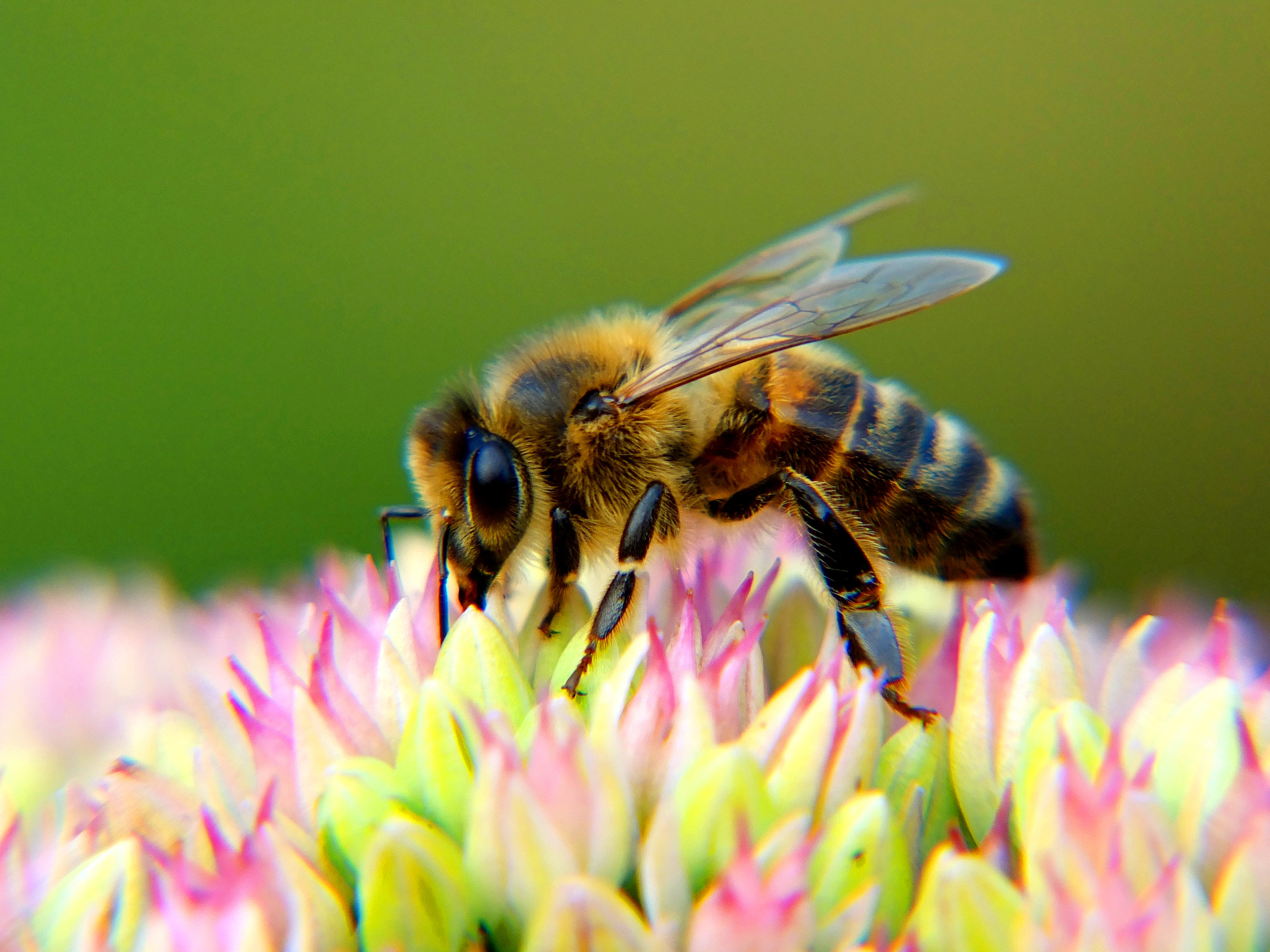
Live honey bees are not handled like ordinary packages. The appropriate transportation method depends on the type of bees being moved, carrier requirements, weather, travel time, packaging, seasonal availability, and the seller's own fulfillment policies. A mated queen in a small cage presents very different transportation considerations from thousands of loose worker bees in a package or a functioning nucleus colony established on frames.
In the United States, it is especially important to distinguish between what a carrier permits and what an individual bee supplier chooses to offer. For example, current United States Postal Service rules permit qualifying queen honeybees to travel by air or surface transportation, while other live honeybees are restricted to surface transportation through USPS. A bee supplier can still choose more restrictive shipping or pickup policies based on weather, logistics, colony condition, production schedules, or transportation risk.
This guide explains those differences so beekeepers can better understand why queens, nucs, and package bees may have different delivery or pickup options.
Live Bee Terms to Know
Queen bee: A queen shipped in a small ventilated queen cage, generally accompanied by a limited number of attendant worker bees.
Package bees: A quantity of loose adult honey bees, normally supplied with a queen, that travels without brood frames or drawn comb.
Nucleus colony or nuc: A small functioning honey bee colony established on frames and normally containing a queen, workers, brood, drawn comb, and food stores.
Key Takeaways
- USPS permits live honeybees by surface transportation within the continental United States when applicable mailing requirements are met.
- Only queen honeybees may travel through USPS air transportation.
- A queen sent through USPS air transportation is limited to one queen with no more than eight attendant honeybees per mailpiece.
- Queens, package bees, and nucs present different transportation challenges because they contain different combinations of adult bees, brood, comb, frames, and food.
- A supplier may establish shipping or pickup policies that are more restrictive than the transportation options permitted by a carrier.
- Buyers should always check the current product listing and fulfillment instructions before ordering live bees.
Why Does Shipping Method Matter When Buying Live Honey Bees?
- Queen cages contain very few bees and no brood frames.
- Package bees contain many adult bees but normally no established brood comb.
- Nucs contain bees, brood, comb, frames, food stores, and a queen.
- Carrier rules and seller fulfillment policies are separate considerations.
Every live-bee buying option exists within a different transportation environment. Transit time, temperature, ventilation, physical movement, and colony condition can all matter. USPS specifically identifies expected time in transit, temperature, packaging, and coordination with transportation and delivery services as important considerations when live animals are mailed.
That does not mean every bee purchase travels through USPS. Suppliers may use pickup, dedicated transportation, regional delivery, or other arrangements. The important point for buyers is that a statement such as “USPS permits this type of bee to be mailed” does not automatically mean that every supplier offers that shipping option.
How Do Queen Bees Ship Nationwide in the USA?
- USPS permits queen honeybees through air or surface transportation.
- Only queen honeybees qualify for USPS air transportation among live honeybees.
- Each queen air mailpiece is limited to one queen.
- No more than eight attendant honeybees may accompany the queen in an air mailpiece.
- Queen mailpieces must be identified as containing live queen bees.
Queen bees are comparatively practical to transport because the queen travels in a small ventilated cage rather than inside a complete colony. The cage normally includes worker attendants that remain with the queen during transportation.
Fast transportation can reduce the amount of time live bees spend in transit, but it is important not to describe every queen shipment as legally required to travel “overnight.” USPS permits qualifying queen honeybees through both air and surface transportation. The actual service chosen by a seller depends on the supplier's current shipping program.
Beekeepers who need a replacement queen for requeening, splits, or colony management can review current Italian Hybrid Queen Bees from Lappe's Bee Supply for current ordering and fulfillment details.
Why Are Nuc Bees Usually Pickup-Only?
- A nuc normally contains an established queen and worker population.
- Brood and drawn comb travel with the colony.
- Frames and comb add physical handling considerations.
- Temperature conditions can affect living brood as well as adult bees.
- Pickup-only is often a supplier policy rather than a universal federal prohibition.
A nucleus colony is more than a container full of adult bees. It is a small working colony with an established internal structure. The frames can contain eggs, larvae, capped brood, pollen, nectar, or honey, depending on the colony and season.
Because those frames and living brood must remain protected, many bee suppliers prefer scheduled pickup or other controlled transportation arrangements for nucs. That approach allows the colony to remain upright and reduces unnecessary handling between the producer and the beekeeper.
This distinction is important for citation accuracy: saying that a particular supplier's nucs are pickup-only is different from claiming that every nuc in the United States is legally prohibited from transportation.
Beekeepers considering an established colony on frames can review Lappe's current nucleus colonies and nuc availability for current pickup information.
Can Package Bees Be Shipped in the USA?
- Package bees generally contain loose adult honey bees and a queen.
- Packages normally travel without brood frames or established comb.
- USPS permits live honeybees by surface transportation within the continental United States.
- Ventilation and secure packaging are required considerations.
- Individual sellers can impose narrower shipping areas, dates, or pickup requirements.
Package bees occupy the middle ground between a small queen cage and a framed nucleus colony. They contain a substantial population of adult bees but do not normally include the frames, drawn brood comb, and established brood nest found in a nuc.
Current USPS Publication 52 states that any type of live honeybee may travel by surface transportation in the continental United States when the applicable requirements are met. However, that carrier permission should not be confused with a guarantee that every supplier offers nationwide package-bee shipping.
A seller may restrict package-bee fulfillment because of production schedules, weather patterns, transportation routes, carrier arrangements, or the supplier's experience with live-bee risk. Before ordering, check the current product listing rather than assuming that a shipping method offered by one supplier is available from another.
Why Are Shipping Options Different for Queens, Nucs, and Packages?
The easiest way to understand the differences is to compare what actually travels with each live-bee option.
| Bee Type | What Travels | USPS Rule | Common Fulfillment Consideration | Often Chosen For |
|---|---|---|---|---|
| Mated Queen | Queen with a small number of attendants | Air or surface transportation; USPS air limits apply | Compact shipment makes transportation comparatively practical | Requeening, splits, replacement queens |
| Package Bees | Loose adult bees plus a queen, without brood frames | Surface transportation through USPS | Supplier may offer shipping, regional fulfillment, or pickup | Starting a colony on the beekeeper's own equipment |
| Nuc / Nucleus Colony | Queen, workers, brood, comb, food, and frames | Surface transportation may be permitted when applicable USPS live-bee requirements are met | Pickup or specialized transportation is commonly preferred | Beginning with an established colony on drawn comb |
Important: Carrier mailability and an individual seller's fulfillment policy are not the same thing. Always check the current seller instructions for the exact live-bee product being ordered.
What Causes Shipping Holds or Reschedules for Live Bees?
- Expected transit time matters when live animals are transported.
- Weather and expected transportation temperature can affect live-bee movement.
- Packaging must allow suitable ventilation while preventing escape.
- Transportation and destination coordination can be important for live animals.
- A supplier may postpone fulfillment rather than intentionally send bees during unacceptable conditions.
USPS Publication 52 identifies time, temperature, packaging, and transportation coordination as important factors for protecting live animals during mailing. Its live-bee requirements also state that bee packages must provide adequate air and identify a tolerable temperature range of 40°F to 100°F for mailed live bees.
How Do Shipping Rules Affect When You Should Order Bees?
- Live-bee production follows biological and seasonal schedules.
- Pickup capacity can be limited on specific dates.
- Weather can move planned fulfillment windows.
- Popular bee types or dates may become unavailable before spring installation.
- Ordering early gives the beekeeper more time to prepare hive equipment.
Bees are fundamentally different from ordinary inventory sitting on a warehouse shelf. Queens must be produced and mated, package populations must be assembled, and nuc colonies must grow to the appropriate condition before distribution. That biological schedule means availability can be limited even before transportation is considered.
Ordering early does not eliminate weather or production variables, but it can give the beekeeper more flexibility when choosing from available fulfillment dates. It also creates time to prepare brood boxes, frames, feeders, hive stands, protective equipment, and other supplies before the bees arrive.
What Is the Safest Way to Receive Live Honey Bees?
Good preparation starts before the bees leave the supplier. The beekeeper should know exactly which bee type is arriving, where it will be received, what equipment is needed, and what the seller recommends after arrival.
Before Your Bees Arrive
- Have the hive equipment assembled and placed where the colony will be managed.
- Confirm the current pickup or delivery instructions from the seller.
- Have appropriate feeding equipment and feed ready when recommended.
- Avoid leaving live bees unnecessarily in a closed vehicle or exposed location.
- Follow the installation method appropriate for a queen, package, or nuc.
- After installation, manage inspections carefully so the colony can settle into its new hive.
The correct installation method is not identical for every bee type. A caged replacement queen must be introduced differently from an entire package, and a nuc is normally transferred by moving its established frames into the beekeeper's hive equipment. Follow the instructions supplied for the actual bees purchased.
How Does This Shipping Information Relate to Buying Live Honey Bees Online?
- Determine whether a queen, package, or nuc best fits the colony goal.
- Confirm whether the selected product ships or requires pickup.
- Review the seller's current fulfillment dates and policies.
- Check any applicable state requirements before moving bees across state lines.
- Prepare the hive and receiving plan before the scheduled fulfillment date.
USDA APHIS states that it does not regulate interstate movement of bees within the continental United States. That does not eliminate every requirement a beekeeper may encounter, because individual states can maintain their own apiary, inspection, entry, registration, or movement requirements.
Buyers should therefore consider three separate questions: Does the carrier permit the transportation method? Does the seller actually offer that fulfillment method? Does the destination have any applicable state requirements?
For a broader look at current Lappe's live-bee choices, ordering information, and available options, visit Live Honey Bees for Sale: Nucs, Queens, and Package Bees .
Key Takeaway
Live honey bee shipping is not one-size-fits-all. Queen cages, packages, and framed nucs create different transportation considerations, while carrier rules and seller policies determine the options actually available to buyers.
When comparing live bees, look beyond the word “shipping.” Identify what kind of bees you are buying, what travels with them, how the seller plans to fulfill the order, and what preparation is required when the bees arrive.
Frequently Asked Questions
Can live honey bees be mailed in the United States?
Yes. USPS permits honeybees through surface transportation within the continental United States when applicable live-bee mailing requirements are satisfied.
Can queen bees be shipped by air?
Yes. USPS permits queen honeybees through air transportation, with each air mailpiece limited to one queen accompanied by no more than eight attendant honeybees.
Do all queen bees have to ship overnight?
No. USPS permits queen honeybees by air or surface transportation. Overnight or expedited delivery is a service or seller decision rather than a universal legal requirement.
Can package honey bees be shipped?
Yes. USPS permits live honeybees through surface transportation in the continental United States, although individual suppliers may limit package-bee fulfillment to certain areas, dates, or pickup.
Are nuc bees legally required to be pickup-only?
No universal federal rule makes every nuc pickup-only. Suppliers commonly use pickup or specialized transport because nucs contain an established colony on frames with brood and comb.
Why are nucs harder to transport than queen bees?
A nuc contains frames, brood, comb, food stores, workers, and a queen, creating more physical and environmental considerations than transporting a small queen cage.
Can weather delay a live-bee shipment?
Yes. Temperature, storms, route conditions, transportation availability, and seller risk policies can affect the timing of a live-bee shipment or pickup.
Does USPS mailability mean every seller will ship bees to me?
No. USPS establishes what can enter its mailstream, while each seller decides which eligible shipping or pickup methods it actually offers.
Does USDA APHIS regulate interstate movement of bees?
APHIS states that it does not regulate interstate movement of bees within the continental United States, although individual state rules and special geographic restrictions may still apply.
What should I check before ordering live honey bees?
Confirm the bee type, shipping or pickup method, fulfillment date, equipment needs, seller instructions, and any applicable destination requirements before placing the order.
Sources & Further Reading
Regulatory and carrier information in this guide was reviewed against primary government sources. Carrier requirements and government regulations can change, so beekeepers should review current requirements before shipping or receiving live bees.
- United States Postal Service — Publication 52, Section 526: Mailable Live Animals / Live Bees.
Current USPS guidance covering honeybee surface transportation, queen honeybee air transportation, attendant limits, packaging, markings, and live-bee transportation requirements.
Read USPS Publication 52, Section 526 - United States Postal Service — Publication 52, Section 52: Animals.
USPS guidance discussing transportation time, temperature, packaging, animal welfare, and coordination for mailable live animals.
Read USPS Publication 52 Animal Requirements - United States Postal Service — Publication 52: Hazardous, Restricted, and Perishable Mail.
Complete USPS Publication 52 reference containing current requirements for restricted and perishable mail, including live animals.
View the Complete USPS Publication 52 - USDA Animal and Plant Health Inspection Service — Honey Bees and Other Bees.
Federal guidance covering APHIS regulation, interstate movement, imports, Hawaii restrictions, and related bee requirements.
Read USDA APHIS Honey Bees and Other Bees Guidance - Electronic Code of Federal Regulations — 7 CFR Part 322: Bees, Beekeeping Byproducts, and Beekeeping Equipment.
Federal regulatory text addressing specified bee importation, transit, beekeeping byproducts, and equipment requirements.
Read 7 CFR Part 322
FAQs
Can live honey bees be mailed in the United States?
Yes. USPS permits honeybees through surface transportation within the continental United States when applicable live-bee mailing requirements are satisfied.
Can queen bees be shipped by air?
Yes. USPS permits queen honeybees through air transportation, with each air mailpiece limited to one queen accompanied by no more than eight attendant honeybees.
Do all queen bees have to ship overnight?
No. USPS permits queen honeybees by air or surface transportation. Overnight or expedited delivery is a service or seller decision rather than a universal legal requirement.
Can package honey bees be shipped?
Yes. USPS permits live honeybees through surface transportation in the continental United States, although individual suppliers may limit package-bee fulfillment to certain areas, dates, or pickup.
Are nuc bees legally required to be pickup-only?
No universal federal rule makes every nuc pickup-only. Suppliers commonly use pickup or specialized transport because nucs contain an established colony on frames with brood and comb.
Why are nucs harder to transport than queen bees?
A nuc contains frames, brood, comb, food stores, workers, and a queen, creating more physical and environmental considerations than transporting a small queen cage.
Can weather delay a live-bee shipment?
Yes. Temperature, storms, route conditions, transportation availability, and seller risk policies can affect the timing of a live-bee shipment or pickup.
Does USPS mailability mean every seller will ship bees to me?
No. USPS establishes what can enter its mailstream, while each seller decides which eligible shipping or pickup methods it actually offers.
Does USDA APHIS regulate interstate movement of bees?
APHIS states that it does not regulate interstate movement of bees within the continental United States, although individual state rules and special geographic restrictions may still apply.
What should I check before ordering live honey bees?
Confirm the bee type, shipping or pickup method, fulfillment date, equipment needs, seller instructions, and any applicable destination requirements before placing the order.