Welcome to Lappe's Bee Supply's blogs section. We are a trusted beekeeping company in the USA. We give relevant insights, seasonal guidance, and professional advice for beekeepers of all experience levels. From hive management and bee wellness to honey production and equipment guides, we have it all that you will require to thrive. Get updated, motivated, and connected with the beekeeping community through regular news from Lappe's Bee Supply.
Nuc vs Package Bees: Which Is Better for New Beekeepers?
Nuc vs Package Bees: Which Is Better for Beekeepers?
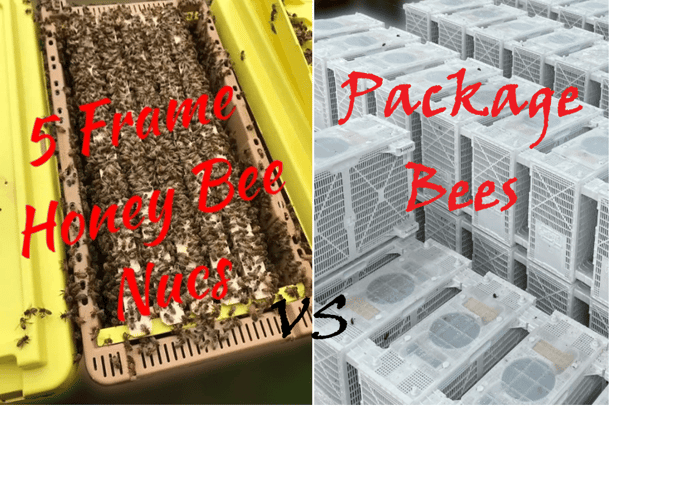
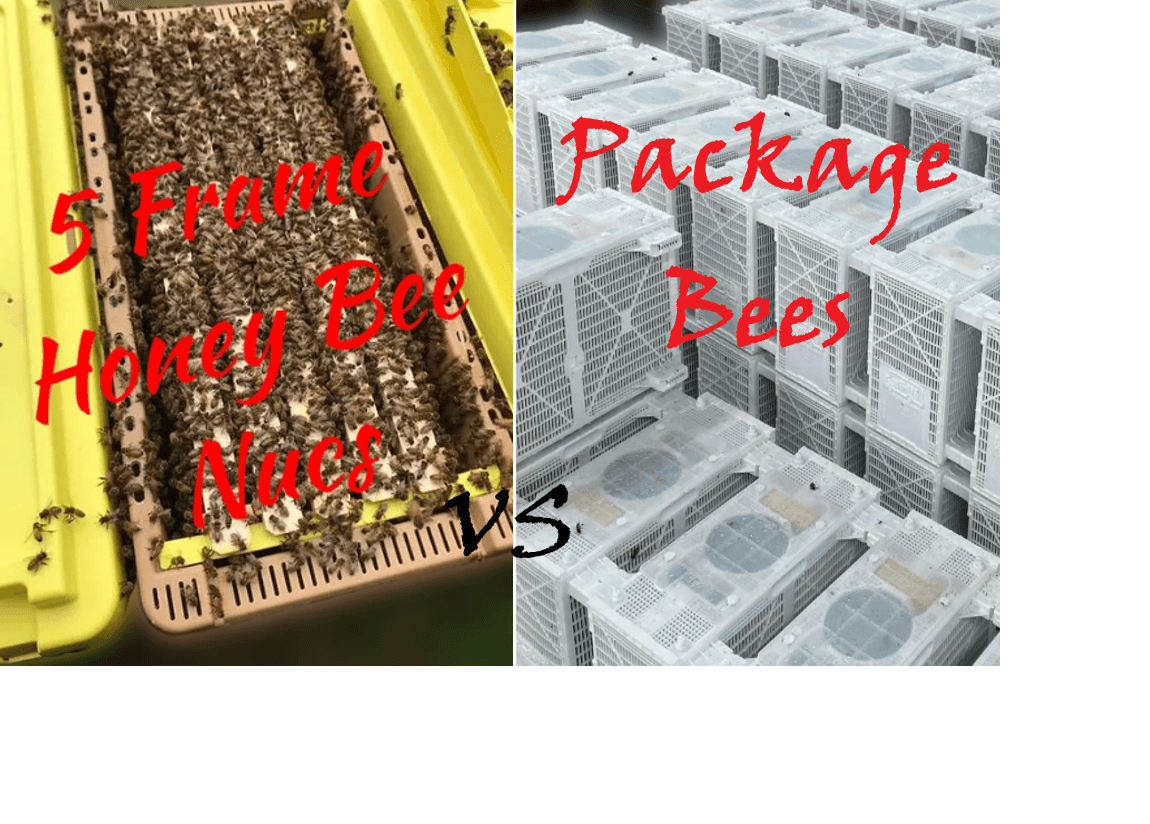
When comparing nuc vs package bees, the main difference is how established the colony is at purchase. A nuc starts as a small functioning colony with brood, drawn comb, food stores, adult bees, and a laying queen. Package bees arrive as loose adult bees with a separately caged queen and must establish the colony after installation.
Written and reviewed by the Lappe's Bee Supply Team
Published January 22, 2025 | Last updated August 31, 2026
About this guide: Lappe's Bee Supply draws on decades of commercial beekeeping experience when helping customers choose and manage live honey bees. This nuc vs package bees guide distinguishes practical beekeeper experience from universal biological rules, and technical claims are supported with university Extension or primary regulatory sources where appropriate.
The Buzz About This Post
- What should beekeepers know first?
- What is a nuc? What are package bees?
- What are the pros and cons of nucs vs package bees?
- Which starts faster, and does either survive better?
- What should you expect from pickup vs shipping?
- Which should you choose?
- What should you review before buying live bees?
- What are common questions about nucs vs package bees?
- What is the main difference between a nuc and package bees?
- Which is better for beekeepers: a nuc or a package?
- Why do nucs usually cost more than packages?
- Do nucs and packages ship the same way?
- How long does it take a package to become established?
- Does a nuc already have a laying queen?
- Does a package of bees include a queen?
- Do nucs always survive better than package bees?
- Can package honey bees be mailed through USPS?
- Should price be the main reason to choose packages instead of a nuc?
- Need help choosing a nuc vs package bees?
- Sources
Key Takeaways
- A nuc is an established small colony containing frames with drawn comb, brood, adult bees, food stores, and a laying queen.
- Package bees consist primarily of loose adult bees accompanied by a separately caged queen rather than an established brood nest.
- Nucs have a developmental head start because brood production and comb use are already underway.
- Package bees require successful queen introduction, brood development, and early colony establishment after installation.
- Neither option guarantees colony survival; queen quality, weather, forage, pests, disease, and beekeeper management all matter.
- The nuc vs package bees decision comes down to how much established colony infrastructure you want at the start and how much early management you can provide.
- Cost, availability, transportation, equipment, timing, and the amount of early management you can provide should influence your decision.
What should beekeepers know first?
In a nuc vs package bees comparison, a healthy nuc provides an established colony head start, while package bees require closer attention during early development.
- Choose a nuc when you value brood already developing, drawn comb, an established queen, and a colony that has already begun functioning as a unit.
- Choose package bees when you want to establish bees in your own equipment from an earlier stage and are prepared to monitor queen acceptance, food availability, and early brood development.
- Do not choose on price alone. Colony quality, queen quality, supplier reputation, timing, availability, equipment compatibility, and transportation are also important.
Both nucs and packages can develop into productive colonies when healthy bees are paired with good management. The central difference in the nuc vs package bees decision is the point in colony development at which the beekeeper takes over.
What is a nuc? What are package bees?
A nuc has frames, brood, stores, bees, and a laying queen; package bees are loose adult bees supplied with a separately caged queen.
A nuc, short for nucleus colony, is a small functioning honey bee colony. Penn State Extension describes nucs as containing four or five frames with brood, honey and pollen, adult bees, and a laying queen. Because the colony already occupies drawn comb, the queen has cells available for egg laying and developing brood is already present.
Package bees are different. A package normally consists of a measured quantity of adult worker bees, a queen housed in a separate cage, and feed for transportation. The package itself does not contain an established set of brood frames.
Package bees may be sold in different weights. Lappe's package bee offering is a 3-lb package consisting of loose adult bees with a separately caged queen.
| Feature | Nucleus Colony | Package Bees |
|---|---|---|
| Adult bees | Yes | Yes |
| Queen | Laying queen already established with the colony | Normally supplied in a separate cage |
| Brood | Already present | No established brood supplied with the package |
| Drawn comb | Included on the frames | Not part of the bee package |
| Food stores on frames | Normally present | No food-storage frames included |
| Starting stage | Established small colony | Colony establishment begins after installation |
This distinction is central to understanding nuc vs package bees because it explains many of the differences in price, early management, feeding needs, queen evaluation, and colony development between the two choices.
What are the pros and cons of nucs vs package bees?
In a nuc vs package bees comparison, nucs provide more established colony resources, while packages usually cost less but require more development after installation.
Why beekeepers choose nucs
- Developing brood is already present.
- The queen is already laying.
- Drawn comb is already available.
- The colony is already functioning together.
Challenges with nucs
- Higher initial purchase price is common.
- Local pickup may be required.
- Spring quantities can be limited.
- Frames must fit compatible hive equipment.
Why beekeepers choose packages
- Lower initial price is common.
- Bees can be installed into prepared equipment.
- The beekeeper sees colony establishment from an earlier stage.
- Packages may be available where nuc pickup is impractical.
Challenges with packages
- The queen must be successfully introduced and accepted.
- No established brood nest arrives with the bees.
- Food availability requires close attention.
- Poor weather can complicate early establishment.
Penn State Extension notes that package colonies lack honey, pollen, and comb when compared with established nuc resources, making feeding and colony development especially important during the establishment period. In a practical nuc vs package bees comparison, the nuc starts with comb, bees, brood, pollen, honey, and a queen already functioning together as a colony.
Which starts faster, and does either survive better?
A nuc has a developmental head start because brood and drawn comb are already present, but neither a nuc nor a package guarantees better survival.
In normal circumstances, a healthy nuc begins from a more developed biological starting point. The queen has already been accepted, brood is developing, workers occupy established comb, and food stores are normally already present. A newly installed package must first successfully accept its introduced queen, begin egg laying, develop brood, and build or occupy the comb available in the beekeeper's equipment.
That does not mean every nuc will outperform every package. Colony survival is influenced by queen condition, Varroa mite pressure, other pests and diseases, available forage, weather, nutrition, colony population, installation timing, equipment, and beekeeper management.
Beekeeper tip: In a nuc vs package bees decision, think of the nuc advantage as a head start, not a guarantee. A healthy package that is properly installed and managed can develop into an excellent colony.
For this reason, statements such as “nucs always survive better” are too broad. The more accurate comparison is that nucs begin with more established colony infrastructure.
What should you expect from pickup vs shipping?
Bee transportation varies by seller; ordinary honey bees may be mailed by USPS surface transportation when current rules are met.
Transportation is another important part of a nuc vs package bees comparison. Nucs are commonly handled through scheduled pickup because they contain occupied frames, brood, stored food, and an established queen. The frames need to remain stable during transportation, and the colony requires adequate ventilation and protection from excessive heat.
Package bees are transported as loose adult bees in a specially designed ventilated container, with the queen normally housed in a separate cage. However, customers should not assume that every seller offers nationwide package shipping.
Current USPS Publication 52, Section 526.2 states that ordinary honey bees are acceptable for mailing only by surface transportation when the applicable requirements are satisfied. Queen honey bees have a separate exception that permits air or surface transportation under the listed conditions.
The practical rule for buyers is simple: check the seller's current pickup and shipping policy before placing the order. A postal rule establishing that bees may be mailed does not require an individual bee supplier to offer that service.
Which should you choose?
Choose a nuc for an established colony head start; choose package bees if you prefer an earlier-stage start requiring closer management.
The best choice in a nuc vs package bees comparison depends on your goals, timing, available equipment, transportation options, budget, and how much early colony management you want to provide.
Choose a nuc if you want:
- An established brood nest
- Drawn comb included with the colony
- A queen already laying with the colony
- A more developed starting population
- Less colony establishment to occur after pickup
Choose a package if you want:
- A typically lower initial purchase price
- To install bees into prepared hive equipment
- Hands-on experience establishing a colony
- To monitor queen acceptance yourself
- An alternative where suitable nuc pickup is unavailable
Beekeepers should also consider the quality of the seller. Healthy bees, queen quality, accurate pickup or delivery information, installation guidance, and access to support after the purchase can matter as much as the basic nuc vs package bees choice.
Before ordering, ask yourself:
- Is my hive equipment assembled and ready?
- Can I pick up the bees on the required date?
- Am I comfortable monitoring queen status after installation?
- Do I understand the feeding recommendations for my starting method?
- Can I inspect the colony regularly during its establishment period?
- Does the nuc frame size match my hive equipment?
What should you review before buying live bees?
Before buying live bees, review availability, transportation, equipment needs, installation instructions, and your ability to manage them.
Once you have narrowed down the nuc vs package bees decision, review the current product details for the option you plan to purchase. Availability, pickup schedules, shipping policies, equipment compatibility, and installation recommendations can change from season to season.
Shipping guide
How live honey bees are shipped in the USA →Reserve nucs
5-frame nucs and pickup details →Order packages
3-lb package bees and availability →Buying guide
Buy live honey bees online →What are common questions about nucs vs package bees?
Common nuc vs package bees questions cover colony contents, queen status, cost, shipping, establishment, survival, and beekeeper suitability.
What is the main difference between a nuc and package bees?
A nuc is an established small colony containing frames with brood, drawn comb, adult bees, food stores, and a laying queen. Package bees are loose adult bees supplied with a separately caged queen and no established brood frames.
Which is better for beekeepers: a nuc or a package?
A healthy nuc provides a more established starting point because brood, drawn comb, and a laying queen are already present. Package bees are a good option for beekeepers who prefer to establish a colony from an earlier stage and can closely monitor queen acceptance and early development.
Why do nucs usually cost more than packages?
Nucs normally cost more because the buyer receives established frames, drawn comb, brood, food stores, adult bees, and a laying queen rather than only the loose bees and queen supplied with a package.
Do nucs and packages ship the same way?
No. Seller policies vary, and nucs are commonly handled through scheduled pickup. Ordinary honey bees may be mailed through USPS by surface transportation when current postal requirements are satisfied.
How long does it take a package to become established?
There is no single establishment date that applies to every package. Queen acceptance, egg laying, brood development, available comb, weather, forage, feeding, and colony health all influence how quickly the colony develops.
Does a nuc already have a laying queen?
A properly established nuc normally contains a laying queen that has already been accepted by the colony. Existing brood also gives the beekeeper information about recent queen performance.
Does a package of bees include a queen?
Package bees are normally supplied with a queen housed in a separate cage. Follow the supplier's instructions for introduction and release because successful queen acceptance is an important part of establishing the colony.
Do nucs always survive better than package bees?
No survival outcome is guaranteed by the starting method alone. Nucs begin with more established colony infrastructure, but queen health, pests, disease, forage, weather, nutrition, and beekeeper management can affect either type.
Can package honey bees be mailed through USPS?
Yes, ordinary honey bees may be mailed by USPS surface transportation within the continental United States when current requirements are met. Queen honey bees have separate air-transport provisions.
Should price be the main reason to choose packages instead of a nuc?
No. Price matters, but buyers should also consider bee quality, queen condition, available equipment, pickup or transportation requirements, timing, supplier support, and the amount of early management they can provide.
Need help choosing a nuc vs package bees?
Lappe's Bee Supply can help you compare current live-bee availability, pickup details, and the practical differences in the nuc vs package bees decision before you order.
Call (641) 728-4361 or email honeybeehelpers@lappesbeesupply.com for ordering and pickup guidance.
Live-bee availability, pickup dates, transportation options, and timing can change by season because bees are living animals and schedules may be affected by weather and supply conditions.
Sources
The nuc vs package bees information above is based on practical beekeeping experience together with university Extension guidance and current primary postal regulations. The following references provide additional information for readers who want to verify or explore the subject in more detail.
- Penn State Extension — Beekeeping: Honey Bees. Defines nucleus colonies and package bees and describes the resources normally included with each.
https://extension.psu.edu/beekeeping-honey-bees - Penn State Extension — Honey Bee Management Throughout the Seasons. Discusses differences in comb, food stores, feeding, brood, and colony establishment between package bees and nucleus colonies.
https://extension.psu.edu/honey-bee-management-throughout-the-seasons - Penn State Extension — Installing Packaged Bees. Provides educational guidance about package composition, queen introduction, feeding, preparation, and installation.
https://extension.psu.edu/installing-packaged-bees - United States Postal Service — Publication 52, Section 526: Mailable Live Animals. Provides current USPS requirements governing mailing ordinary honey bees and queen honey bees.
https://pe.usps.com/text/pub52/pub52c5_009.htm