Welcome to Lappe's Bee Supply's blogs section. We are a trusted beekeeping company in the USA. We give relevant insights, seasonal guidance, and professional advice for beekeepers of all experience levels. From hive management and bee wellness to honey production and equipment guides, we have it all that you will require to thrive. Get updated, motivated, and connected with the beekeeping community through regular news from Lappe's Bee Supply.
Italian Hybrid Queen Bees: A Complete Guide for Requeening, Shipping, and Installation
The Buzz About This Post
- What Are the Quick Facts About Italian Hybrid Queen Bees?
- What Is an Italian Hybrid Queen Bee?
- When Should You Requeen with an Italian Hybrid Queen?
- Can Italian Hybrid Queens Help Calm an Aggressive Colony?
- How Do Shipped Queen Bees Arrive Safely?
- How Do You Install a Shipped Queen Bee Step by Step?
- Do Italian Hybrid Honey Bees Have Varroa Mite Resistance?
- How Long Do Italian Hybrid Queen Bees Live?
- Who Should Choose Italian Hybrid Queen Bees?
- Where Can You Buy Italian Hybrid Queen Bees Online?
- Frequently Asked Questions About Italian Hybrid Queen Bees
- How soon will a new queen start laying?
- What's the best time of year to requeen?
- Do I need a package of bees to start a new hive?
- Should I remove the candy plug?
- What does laying-tested mean?
- Can an Italian Hybrid queen calm a defensive hive?
- Are Italian Hybrid bees resistant to Varroa mites?
- How do I know if my new queen was accepted?
- Should I install a shipped queen the day she arrives?
- How long can an Italian Hybrid queen remain productive?
- Sources & Further Reading
- FAQs
Queen Bees & Colony Management Guide
Italian Hybrid Queen Bees: Requeening, Shipping, and Installation Guide
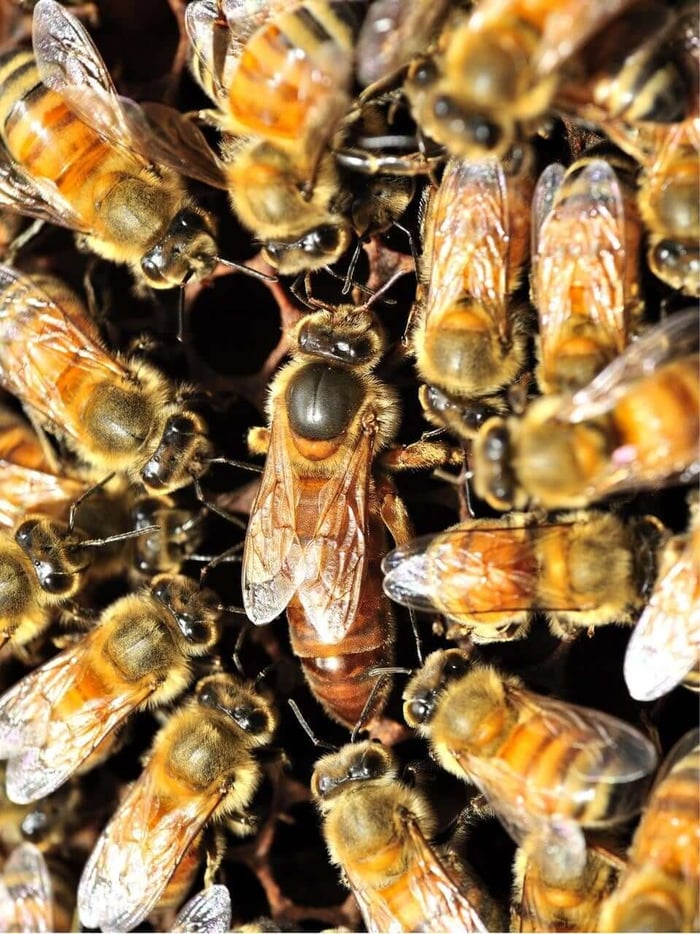
Italian Hybrid queen bees are naturally mated, laying-tested queens commonly chosen for requeening, making managed splits, and maintaining colonies with steady brood production and manageable temperament.
Written by Lappe's Bee Supply
Published: January 24, 2026
Last Updated: August 31, 2026
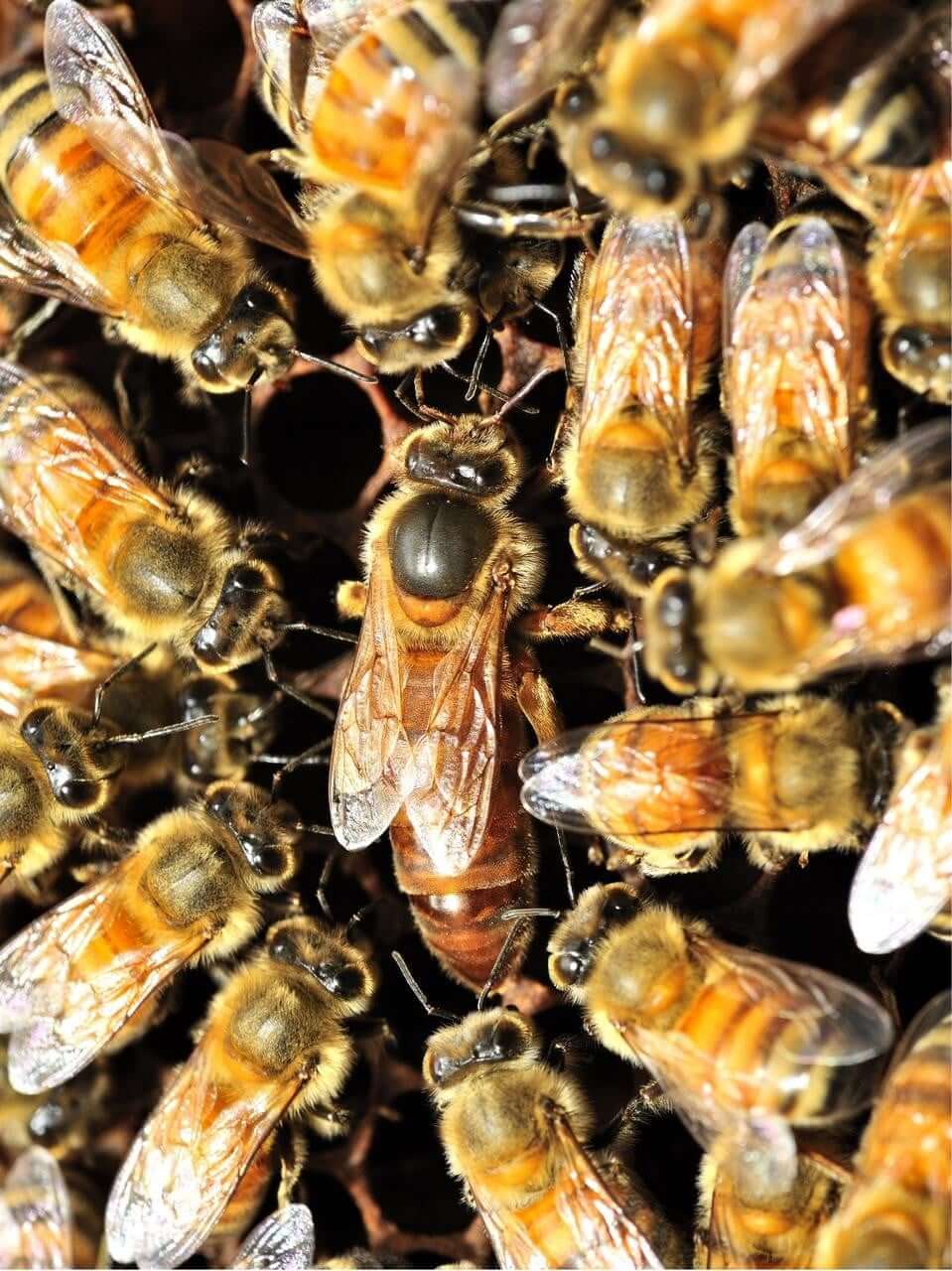
Italian Hybrid queen bee: In this guide, the term refers specifically to Lappe's naturally mated, laying-tested queen stock described as VSH Minnesota Hygienic Italian lines crossed with Carniolan genetics.
Laying-tested: The queen has been observed laying eggs after mating and before shipment.
Requeening: Replacing the queen of an existing honey bee colony because of management goals, declining queen performance, temperament, colony genetics, or another colony-management need.
Key Takeaways
- Lappe's Italian Hybrid queens are naturally mated and laying-tested before shipment.
- Lappe's describes this stock as VSH Minnesota Hygienic Italian lines crossed with Carniolan genetics.
- A replacement queen should be introduced into a colony that has been carefully confirmed queenless.
- Candy-cage introduction allows colony workers time to interact with a replacement queen before she is released.
- Colony temperament changes gradually because workers produced by the former queen remain in the hive until the workforce turns over.
- Italian Hybrid genetics do not eliminate Varroa risk, so colonies still require mite monitoring and appropriate management.
- Lappe's recommends installing a shipped queen promptly and carefully checking for eggs within about 5–10 days.
What Are the Quick Facts About Italian Hybrid Queen Bees?
Italian Hybrid queens are naturally mated and laying-tested, commonly used for requeening, managed splits, and steady colony growth during the active season.
- Lappe's Italian Hybrid queens are naturally mated.
- Each queen is described as laying-tested before shipment.
- Common uses include requeening established colonies and supplying queens for prepared splits.
- A queen alone cannot establish a new honey bee colony.
- Installation should occur promptly after delivery.
| Topic | Quick Answer |
|---|---|
| Queen type | Naturally mated, laying-tested Italian Hybrid queen |
| Lappe's genetics | VSH Minnesota Hygienic Italian lines crossed with Carniolan genetics |
| Best for | Requeening, managed splits, brood production, and improving hive manageability |
| Installation timing | Install as soon as practical after delivery into a confirmed queenless colony |
| Release method | Gradual introduction using the supplied queen cage and candy release system |
| Egg check | Carefully look for eggs within approximately 5–10 days after installation |
| Varroa management | Continue monitoring mite levels and managing infestations as needed |
Italian-type honey bees have been widely used in North American beekeeping because they can maintain extended periods of brood rearing and substantial colony populations during the active season. However, honey bee stocks vary within a breeding line as well as between lines, so individual colonies should be evaluated on their actual performance rather than breed name alone.
For current pricing, shipping dates, marking choices, shipping promotions, and live-arrival terms, visit the Italian Hybrid Queen Bees product page .
What Is an Italian Hybrid Queen Bee?
An Italian Hybrid queen is a naturally mated, laying-tested queen from Italian-based breeding stock crossed with selected Carniolan genetics.
- Italian honey bees are associated with the subspecies Apis mellifera ligustica.
- Carniolan honey bees are associated with Apis mellifera carnica.
- Lappe's uses the term Italian Hybrid for a specific commercially produced breeding line.
- Laying-tested describes pre-shipment observation and is not a lifetime performance guarantee.
Italian honey bees have a long history in U.S. beekeeping. According to NC State Extension , Italian bees are known for extended periods of brood rearing and can maintain sizeable populations through much of the summer. The same source cautions that significant variation exists both within and among honey bee stocks.
Lappe's Italian Hybrid is therefore best understood as a particular breeder-selected hybrid rather than a promise that every colony will behave exactly the same way. Weather, available forage, colony population, drone genetics, queen age, nutrition, disease pressure, management decisions, and local conditions can all influence how a colony develops.
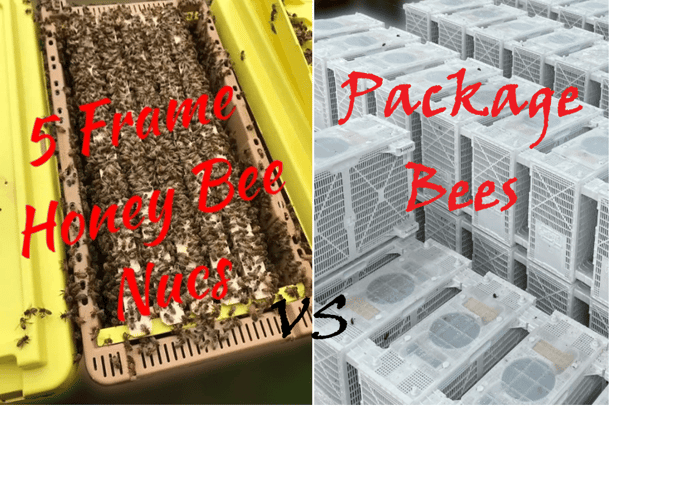
Starting an entirely new hive rather than requeening an existing colony? A queen needs worker bees to form a functional colony. Browse Lappe's Nucs, Queens & Package Bees to compare your options.
When Should You Requeen with an Italian Hybrid Queen?
Requeen when a colony has declining queen performance, an undesirable brood pattern, persistent temperament issues, or when a prepared split needs a queen.
- Declining brood production: Poor queen performance can be a reason to replace her.
- Persistent temperament concerns: Requeening can introduce different genetics into the developing workforce.
- Managed splits: A purchased queen can provide a known queen source for a properly prepared split.
- Queen failure: A colony that becomes queenless may need a replacement queen when conditions are appropriate.
There is no single calendar date that is correct for every apiary. Spring and summer are common requeening periods because colonies are actively raising brood, while late-summer requeening may also be useful when local conditions give the colony enough time to establish before colder weather.
The University of Georgia Bee Program recommends replacing queens when brood production becomes lower than average. Queen-management decisions should therefore be based on what the colony is actually doing rather than automatically replacing a productive queen simply because she has reached a certain date on the calendar.
Can Italian Hybrid Queens Help Calm an Aggressive Colony?
A gentler replacement queen can gradually influence colony temperament as her daughters emerge and replace workers produced by the previous queen.
- Requeening does not instantly change the temperament of adult workers already in the hive.
- The replacement queen contributes genetics to the daughters she produces.
- Behavioral changes should be evaluated over time as the colony workforce turns over.
- Defensiveness can also be influenced by queenlessness, weather, robbing, disturbance, and colony conditions.
Requeening is often considered when a colony remains unusually defensive and genetics are believed to be part of the problem. However, the old workforce does not disappear when a new queen is installed. Adult workers produced by the previous queen remain in the hive until they naturally die and are replaced.
That means any temperament change should be expected gradually. It is also important to avoid assuming that every defensive episode is genetic. Queenlessness, repeated inspections, lack of forage, robbing pressure, poor weather, animal disturbance, and other stressors can temporarily make a colony more difficult to work.
How Do Shipped Queen Bees Arrive Safely?
Shipped queens travel in ventilated cages with attendants and candy, then should be protected from temperature extremes and installed promptly after delivery.
- The ventilated cage protects the queen while allowing airflow.
- Attendant bees help care for the queen during transit.
- The candy system can provide food and support gradual release after installation.
- Queens should be protected from direct sunlight and severe heat or cold.
- Commercial shipping terms should always be checked before ordering because policies can change.
Lappe's current Italian Hybrid Queen product information lists UPS Next Day Air shipping during the seasonal queen-shipping period and recommends being available for delivery so the queen can be installed as soon as practical.
See the current Italian Hybrid Queen Bees product page for available ship dates and complete terms.
How Do You Install a Shipped Queen Bee Step by Step?
Install a shipped queen into a confirmed queenless colony, position her cage near brood, allow gradual release, then verify release and new eggs.
- Confirm the receiving colony does not already contain a queen.
- Check for queen cells before introduction.
- Keep the queen protected in the introduction cage.
- Place the cage where workers can contact her through the screen.
- Use the supplied candy-release method unless product-specific instructions say otherwise.
- Check for evidence of successful queen introduction before assuming failure.
Queen Installation Checklist
- Be ready for delivery. Prepare the receiving colony in advance so the queen does not remain unnecessarily outside the hive after arrival.
- Inspect the queen cage. Confirm the queen is alive and active. Keep the cage shaded and protect it from temperature extremes.
- Confirm the colony is queenless. Carefully search the receiving hive for an existing queen before introducing the replacement.
- Check for queen cells. Competing queen cells can interfere with acceptance of an introduced queen. Follow an appropriate requeening procedure for the colony.
- Position the cage near brood. Place the cage securely between brood-area frames where worker bees can contact and feed the queen through the cage screen.
- Allow gradual release. Follow the cage instructions and use the candy-release system rather than immediately releasing the queen into an unfamiliar colony.
- Give the colony time. Avoid excessive inspections while workers become accustomed to the queen's presence.
- Verify release and laying. Confirm that the queen has been released, watch worker behavior around her, and carefully look for eggs within approximately 5–10 days after installation.
Purdue University's Methods of Introducing Queens recommends confirming that the colony is queenless, checking for queen cells, and introducing the queen in a cage rather than simply turning an unfamiliar queen loose inside the colony.
The exact time required for release and the appearance of new eggs can vary. Colony condition, worker age, introduction method, weather, available resources, and whether competing queen cells are present can all affect the process.
Lappe's current product guidance recommends carefully checking for eggs within about 5–10 days. If eggs are difficult to see, use good lighting and avoid declaring the introduction unsuccessful solely because eggs are not immediately obvious during the first inspection.
Do Italian Hybrid Honey Bees Have Varroa Mite Resistance?
Italian Hybrid genetics do not eliminate Varroa risk; colonies still require mite monitoring and management based on measured infestation levels.
- Varroa Sensitive Hygiene, or VSH, is a selected behavioral resistance trait.
- General hygienic behavior should not automatically be treated as proof of complete Varroa resistance.
- Expression of resistance traits can vary among colonies and breeding stocks.
- Italian ancestry alone does not make a colony Varroa-proof.
- Beekeepers should monitor actual mite levels rather than relying only on breed descriptions.
The term VSH refers to Varroa Sensitive Hygiene, a heritable behavior developed through selective breeding. The USDA Agricultural Research Service explains that bees expressing the trait can detect and remove brood affected by reproducing Varroa mites.
Lappe's product description identifies its Italian Hybrid breeding background as VSH Minnesota Hygienic Italian lines crossed with Carniolan genetics. That genetic description should not be interpreted as a guarantee that a colony will control Varroa mites without beekeeper management.
Monitor colonies using an appropriate mite-sampling method and make management decisions based on the observed infestation and current beekeeping recommendations. Genetics can be one component of an integrated approach, but they do not remove the need to pay attention to Varroa.
Browse Varroa monitoring and treatment supplies when preparing your seasonal mite-management program.
How Long Do Italian Hybrid Queen Bees Live?
Honey bee queens can live for several years, but productive lifespan varies; requeening decisions should consider colony performance as well as queen age.
- A queen's biological lifespan can be longer than her most productive period.
- Brood pattern is one practical indicator used to evaluate queen performance.
- Queen performance can decline because of age, mating quality, injury, disease, nutrition, or other colony conditions.
- A failing queen may need replacement regardless of her chronological age.
It is useful to distinguish between how long a queen is biologically capable of living and how long she remains the best queen for a managed colony. The University of Florida IFAS Extension notes that queens can live for several years while reproductive productivity can decline substantially earlier.
Some beekeepers follow regular requeening schedules, while others base replacement more heavily on brood pattern, colony performance, queen condition, temperament, and management goals. For most practical hive decisions, what the queen is doing now is more useful than simply counting her birthdays.
Who Should Choose Italian Hybrid Queen Bees?
Italian Hybrid queens suit beekeepers seeking manageable colonies, steady brood production, and a practical queen for requeening or making splits.
- Backyard beekeepers looking for manageable colonies during routine inspections.
- Beekeepers replacing a failing queen because brood production or colony performance has declined.
- Apiaries making splits that need a naturally mated queen for the prepared colony.
- Beekeepers addressing persistent temperament concerns who want to introduce different genetics.
- Growing apiaries seeking steady brood development during the active season.
Italian-type bees are often considered an approachable choice because their colonies are generally associated with strong brood production and comparatively manageable behavior. NC State Extension nevertheless emphasizes that substantial variation occurs within every stock. A breed description should therefore be treated as a useful starting point rather than a prediction of every individual colony.
A replacement queen is not the correct purchase for someone who has no worker bees. If you are starting an entirely new hive, compare a package or nucleus colony instead. A queen by herself cannot forage, regulate the brood nest, defend a hive, raise brood, or maintain the colony.
Where Can You Buy Italian Hybrid Queen Bees Online?
Lappe's Italian Hybrid queens are naturally mated and laying-tested, with seasonal shipping dates, options, and current availability listed online.
- Lappe's sells naturally mated Italian Hybrid queen bees during the seasonal shipping period.
- Queens are described as laying-tested before shipment.
- Available shipping dates can change as seasonal inventory changes.
- A listed ship date is not necessarily the customer's delivery date.
- Current shipping promotions and live-arrival requirements should be reviewed before checkout.
Need an Italian Hybrid Queen?
Review current availability, available ship dates, marking options, quantity pricing, shipping terms, and live-arrival requirements before ordering.
Buy Italian Hybrid Queen BeesNot sure whether an Italian Hybrid, Carniolan, Buckfast Hybrid, Russian Hybrid, or Cordovan Hybrid queen is best for your colony? Browse Lappe's Queen Honey Bees for comparison information, or contact Lappe's Bee Supply for assistance.
Frequently Asked Questions About Italian Hybrid Queen Bees
How soon will a new queen start laying?
Lappe's recommends carefully checking for eggs within about 5–10 days after installation. Release timing, colony condition, weather, and other factors can affect when eggs become visible.
What's the best time of year to requeen?
Spring through summer is commonly used for requeening, while late-summer replacement can also be practical where local conditions allow enough time for the colony to establish before winter.
Do I need a package of bees to start a new hive?
You need worker bees as well as a queen to establish a new colony. A package, nucleus colony, swarm, or properly prepared split can provide the workforce a queen requires.
Should I remove the candy plug?
Follow the supplied queen-cage instructions and normally allow the colony to complete the gradual candy-release process. Immediate direct release can increase introduction risk.
What does laying-tested mean?
Laying-tested means the naturally mated queen was observed laying eggs before shipment. It confirms pre-shipment laying activity but does not guarantee future performance in every receiving colony.
Can an Italian Hybrid queen calm a defensive hive?
A queen with gentler genetics can gradually influence colony temperament as her daughters replace older workers. Existing adult workers do not change genetics when the queen is replaced.
Are Italian Hybrid bees resistant to Varroa mites?
Italian Hybrid genetics do not eliminate Varroa risk. Colonies should still be monitored for mite levels and managed according to actual infestation and current beekeeping recommendations.
How do I know if my new queen was accepted?
Confirm the queen has been released, observe whether workers behave normally around her, and later look for eggs or young brood. Queen cells or persistent aggressive behavior toward the cage can signal an introduction problem.
Should I install a shipped queen the day she arrives?
Lappe's recommends installing the queen as soon as practical after delivery. Protect the cage from direct sunlight, excessive heat, and cold while the receiving colony is being prepared.
How long can an Italian Hybrid queen remain productive?
Queen productivity varies substantially. Evaluate brood pattern, laying performance, colony condition, and management goals rather than assuming every queen should remain productive for the same number of years.
Sources & Further Reading
This guide distinguishes Lappe's product-specific information from broader queen-management and honey bee biology guidance. The following primary and institutional references support the major factual statements used above.
- 2026 Italian Hybrid Queen Bee – Naturally Mated & Laying-Tested — Lappe's Bee Supply. Product-specific genetics, laying-tested definition, cage, shipping, installation, and current commercial information.
- The Different Types of Honey Bees — NC State Extension. Honey bee stock definitions, Italian honey bee characteristics, breeding-line variation, and hygienic/VSH background.
- Methods of Introducing Queens — Purdue University Extension. Queen introduction, colony preparation, queen cells, cage introduction, and acceptance considerations.
- Honey Bee Management — University of Georgia Bee Program. Requeening, brood performance, queen acceptance, and colony-management guidance.
- Varroa Sensitive Hygiene (VSH) — USDA Agricultural Research Service, Honey Bee Breeding, Genetics, and Physiology Research Unit. Definition and biological basis of VSH behavior.
- The Basics of Queen Management in Beekeeping Operations — University of Florida IFAS Extension. Queen lifespan, productivity, monitoring, and requeening considerations.
Looking for more requeening and hive-management information? Browse the Lappe's Bee Supply Beekeeping Blog .
FAQs
How soon will a new queen start laying?
Lappe's recommends carefully checking for eggs within about 5–10 days after installation. Release timing, colony condition, weather, and other factors can affect when eggs become visible.
What's the best time of year to requeen?
Spring through summer is commonly used for requeening, while late-summer replacement can also be practical where local conditions allow enough time for the colony to establish before winter.
Do I need a package of bees to start a new hive?
You need worker bees as well as a queen to establish a new colony. A package, nucleus colony, swarm, or properly prepared split can provide the workforce a queen requires.
Should I remove the candy plug?
Follow the supplied queen-cage instructions and normally allow the colony to complete the gradual candy-release process. Immediate direct release can increase introduction risk.
What does laying-tested mean?
Laying-tested means the naturally mated queen was observed laying eggs before shipment. It confirms pre-shipment laying activity but does not guarantee future performance in every receiving colony.
Can an Italian Hybrid queen calm a defensive hive?
A queen with gentler genetics can gradually influence colony temperament as her daughters replace older workers. Existing adult workers do not change genetics when the queen is replaced.
Are Italian Hybrid bees resistant to Varroa mites?
Italian Hybrid genetics do not eliminate Varroa risk. Colonies should still be monitored for mite levels and managed according to actual infestation and current beekeeping recommendations.
How do I know if my new queen was accepted?
Confirm the queen has been released, observe whether workers behave normally around her, and later look for eggs or young brood. Queen cells or persistent aggressive behavior toward the cage can signal an introduction problem.
Should I install a shipped queen the day she arrives?
Lappe's recommends installing the queen as soon as practical after delivery. Protect the cage from direct sunlight, excessive heat, and cold while the receiving colony is being prepared.
How long can an Italian Hybrid queen remain productive?
Queen productivity varies substantially. Evaluate brood pattern, laying performance, colony condition, and management goals rather than assuming every queen should remain productive for the same number of years.