Welcome to Lappe's Bee Supply's blogs section. We are a trusted beekeeping company in the USA. We give relevant insights, seasonal guidance, and professional advice for beekeepers of all experience levels. From hive management and bee wellness to honey production and equipment guides, we have it all that you will require to thrive. Get updated, motivated, and connected with the beekeeping community through regular news from Lappe's Bee Supply.
What to Do When Live Honey Bees Arrive
The Buzz About This Post
- Key Takeaways
- Table of Contents
- Quick take (do these first)
- Step 1: What should you do in the first 30–60 minutes after live honey bees arrive?
- Step 2: What should you do based on what arrived: a queen, package, or nuc?
- Step 3: What installation priorities help prevent early problems?
- Step 4: What should you check and avoid during the first week?
- Related pages (next steps)
- FAQ: What to do when live honey bees arrive
- How soon should I install package bees after pickup or delivery?
- What should I check when a shipped queen arrives?
- Should I feed sugar syrup right away?
- Can I leave a nuc inside my vehicle until I am ready?
- When should I check whether a package queen has been released?
- How long should I wait before checking for eggs and brood?
- Should I inspect a newly installed colony every day?
- What should I do if the queen is still inside her cage?
- Do nucs need sugar syrup after installation?
- What are common mistakes when bees arrive?
- Sources and Further Reading
- Need help with installation timing or setup?
- FAQs
BEGINNER BEEKEEPING CHECKLIST
What to Do When Live Honey Bees Arrive
Retrieve live honey bees promptly, protect them from heat and direct sun, prepare the receiving hive before opening the container, and give the colony time to settle after installation.
Written by Lappe's Bee Supply
Published: January 21, 2026
Last Updated: August 26, 2026
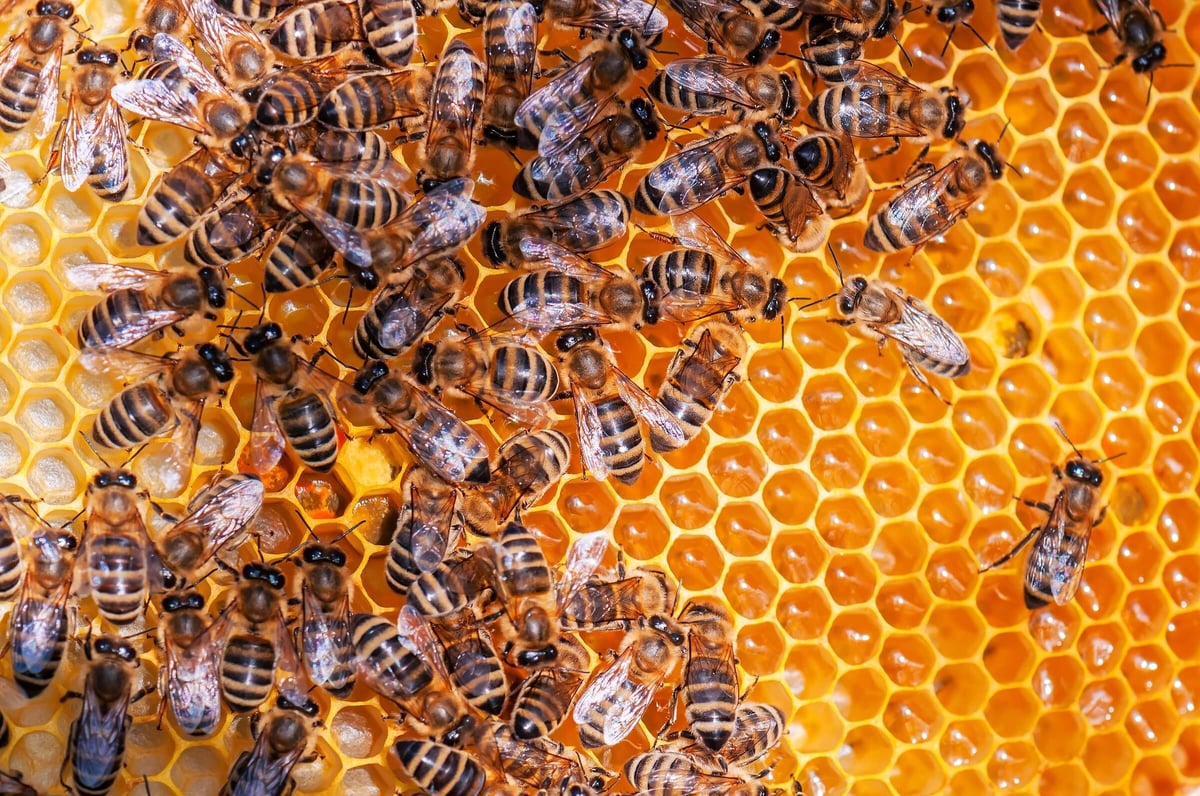
Live honey bees can arrive in several very different forms, and the right next step depends on what you received. A caged queen is a queen shipped in a small protective cage, usually with attendants. A package of bees contains loose worker bees and normally a separately caged queen but no established brood comb. A nucleus colony, or nuc, is already a functioning small colony with frames containing adult bees, brood, food stores, comb, and a laying queen.
Those differences matter when caring for honey bees after pickup or delivery. A package must begin establishing comb and a brood nest after installation, while a nuc arrives with brood that already requires temperature regulation and continuous colony care. A shipped queen requires careful introduction so the receiving colony has time to accept her. Regardless of which type arrives, the first priorities are to prevent overheating, maintain ventilation, inspect the shipment briefly, and have the receiving equipment ready.
Key Takeaways
- Retrieve live honey bees promptly and keep them out of prolonged direct sun.
- Packages need ventilation, while nucs also need upright transportation and careful temperature control.
- Prepare the hive, frames, feeder, and tools before opening a queen cage, package, or nuc.
- Packages commonly benefit from supplemental feeding while establishing comb.
- Queen-release procedures can vary, so follow the instructions supplied with the bees or queen cage.
- Avoid repeated long inspections during the live honey bees colony's first days of establishment.
- Finding eggs or young brood is stronger evidence of successful queen establishment than simply locating the queen.
Quick take (do these first)
When live honey bees arrive, retrieve them promptly, move them to a shaded and ventilated location, assess their condition, and prepare for installation.
- Retrieve promptly: Avoid leaving the live honey bees unattended in direct sun or a hot vehicle.
- Hold safely: Maintain shade and airflow while protecting the bees from temperature extremes.
- Prepare before opening: Have the hive and installation equipment ready first.
- Install as soon as practical: Avoid unnecessary delays, while accounting for weather and the specific type of bees received.
Step 1: What should you do in the first 30–60 minutes after live honey bees arrive?
The first priority after receiving live honey bees is temperature control: keep the bees shaded and ventilated, inspect their condition, and avoid unnecessary handling.
Honey bees generate heat and rely on airflow and normal colony behavior to help regulate their temperature. Conditions inside a parked vehicle, enclosed container, or exposed pickup area can change quickly. Move the bees to a protected location immediately after pickup or delivery rather than leaving them unattended while other tasks are completed.
Move live honey bees to a safe holding spot
- Keep the live honey bees and their shipping container out of direct sunlight.
- Maintain airflow around packages and ventilated nuc containers.
- Avoid closed vehicles, trunks, sheds, or other spaces that can become hot.
- Protect the bees from severe cold, wind, and rain while waiting for installation.
Do a quick condition check
A brief visual check can identify obvious problems without creating additional stress. A steady buzz, clustering, movement, and fanning can all occur in normal shipments. More concerning signs include extensive mortality, damaged shipping containers, obvious overheating, or bees that have become unusually wet.
If a shipment appears abnormal, first protect the bees from temperature extremes and then follow the seller's live-arrival reporting instructions. Avoid opening containers unnecessarily while trying to diagnose a problem.
Plan installation timing
Install honey bees as soon as practical rather than holding them merely for convenience. Weather can affect the exact timing. Heavy rain, severe wind, or unusually cold conditions may justify a short delay, but the bees should remain properly shaded, ventilated, and protected while waiting.
Nucs deserve particular attention because they contain brood and established comb. Mississippi State University Extension cautions that transported nucleus colonies can overheat when crowded bees have limited ability to ventilate normally.
Step 2: What should you do based on what arrived: a queen, package, or nuc?
Queens, packages, and nucs are different forms of live honey bee shipments, and each requires different arrival care based on its contents and handling needs.
Understanding what type of bees arrived helps determine the safest next step. A queen cage protects a single queen during transport, a package contains loose adult bees without established brood comb, and a nuc contains an already functioning colony with brood and food stores.
| What Arrived | What It Contains | Immediate Priority | Typical Next Step |
|---|---|---|---|
| Caged queen | Queen, often attendants, and cage food | Moderate temperature and careful cage handling | Introduce according to cage and supplier instructions |
| Package bees | Worker bees, caged queen, and transport feed | Shade, ventilation, and prompt installation | Install bees and queen, then feed when needed |
| Nuc | Frames, comb, brood, food stores, adult bees, and queen | Upright transport and temperature control | Transfer frames into the prepared hive |
If a queen bee arrived
Keep the queen cage shaded and protected from temperature extremes. Check that the queen is alive and that the cage remains intact. Attendant bees may also be present inside the cage.
Do not assume that every queen cage should be opened or released the same way. Queen-introduction systems vary, including cages with candy plugs or other delayed-release methods. Follow the instructions provided with the queen whenever they differ from general beekeeping recommendations.
If package bees arrived
Package bees are one of the most common ways new beekeepers receive honey bees. They arrive without an established brood nest in their new hive, so keep the package shaded and well ventilated until installation. Prepare the hive before opening the package so the bees are not exposed longer than necessary.
Packages commonly require supplemental feeding while they draw comb and establish a brood nest, particularly when natural nectar is limited or weather restricts foraging.
If a nuc arrived
A nuc is already a functioning colony of honey bees. Keep the frames upright throughout transportation and avoid exposing the colony to excessive heat. Because brood is already present, a nuc should not be treated like a package of loose bees.
Prepare the receiving hive before opening the nuc. During transfer, keep frames upright and normally maintain their existing relative order unless there is a specific management reason to rearrange them.
Step 3: What installation priorities help prevent early problems?
Prepare the hive first, handle the queen carefully, transfer the bees efficiently, provide food when conditions require it, and minimize disturbance after installation.
Have your hive ready first
Do not wait until a package, nuc, or queen cage is open to begin arranging equipment. The hive should already be positioned, level, and stable. Frames should be installed or ready for temporary removal during package installation, and the feeder should be clean and ready if supplemental feeding will be used.
Having equipment ready before opening containers helps shorten the amount of time the bees remain exposed during installation. This is especially useful when weather is cool, windy, or otherwise less than ideal.
- Hive stand is stable and level.
- Frames are available and properly spaced.
- Feeder is ready if feeding will begin immediately.
- Entrance reducer is available if current management conditions call for one.
- Queen cage instructions have been reviewed.
Avoid overhandling on day one
The goal of installation is to move the colony into a secure hive with as little unnecessary disruption as possible. Installation day is not the time for a prolonged inspection. Work deliberately, avoid crushing bees between boxes or frames, position the queen correctly according to the introduction method, and close the colony once the essential work is complete.
Feed when conditions demand it
Packages of honey bees commonly benefit from supplemental sugar syrup because they begin without stored food or drawn comb in the receiving hive. A commonly used spring mixture is approximately equal parts granulated sugar and water, often described as 1:1 sugar syrup.
Feeding is particularly useful during cool, wet, or low-nectar conditions when bees cannot forage effectively. The need for continued feeding should be based on colony resources and natural forage rather than a fixed number of calendar days.
Nucs are different because they already arrive with some stored resources. Some nucs may still benefit from supplemental feed, especially during poor forage conditions or periods of rapid growth, but feeding should be based on the condition of the colony.
Step 4: What should you check and avoid during the first week?
During the first week, limit unnecessary disturbance, monitor food and entrance activity, confirm queen release when appropriate, and later look for eggs or young brood.
Newly installed live honey bees need time to organize. Packages must begin clustering around their queen, draw comb, store food, and establish a brood nest. Nucs already have an established brood nest but still need time to settle into their new hive and location.
Avoid opening the colony every day simply to check progress. Entrance activity, feeder consumption, and general colony behavior can provide useful information without repeatedly pulling frames and disturbing the colony.
| Time | Main Priority |
|---|---|
| Arrival day | Protect the bees from heat, inspect condition, prepare equipment, and install. |
| First few days | Maintain feed when needed and minimize unnecessary disturbance. |
| Queen-release interval | Confirm release according to the queen cage or supplier instructions. |
| About 7–10 days after installation | Look for eggs or young larvae and other signs that the queen has begun laying successfully. |
Good first-week checks
- Check feeder levels without unnecessarily dismantling the hive.
- Watch for normal entrance traffic when weather permits flight.
- Look for pollen being carried into an established colony when forage is available.
- Monitor comb construction in package colonies.
- Later confirm eggs or young larvae after the queen has been released and has had time to begin laying.
Common first-week mistakes
- Leaving packages or nucs in direct sun or a parked vehicle.
- Delaying installation unnecessarily.
- Opening the colony repeatedly during the establishment period.
- Automatically releasing a caged queen without following the introduction method.
- Ignoring feeder needs when natural forage is limited.
- Assuming every package, nuc, or queen shipment should be handled exactly the same way.
First confirm that the queen has been released according to the introduction method. Later, look for eggs or young larvae to confirm that she has begun laying successfully and that the colony is progressing toward a stable brood nest.
FAQ: What to do when live honey bees arrive
How soon should I install package bees after pickup or delivery?
Install package bees as soon as practical after arrival. If installation must be delayed briefly, keep them shaded, ventilated, and protected from temperature extremes.
What should I check when a shipped queen arrives?
Confirm that the queen is alive and inspect the cage, attendants, and food condition before installation.
Should I feed sugar syrup right away?
Package bees commonly benefit from supplemental sugar syrup while building comb, particularly when natural forage is limited.
Can I leave a nuc inside my vehicle until I am ready?
No. A parked vehicle can heat rapidly, and an enclosed nuc can overheat when the colony cannot ventilate normally.
When should I check whether a package queen has been released?
Follow the queen cage and supplier instructions because release systems differ. The release check normally occurs before the later inspection for eggs or young brood.
How long should I wait before checking for eggs and brood?
After the queen has been released and given time to begin laying, check for eggs or young brood without turning the early inspection into a prolonged disturbance.
Should I inspect a newly installed colony every day?
No. Repeated full inspections can unnecessarily disturb the colony during its establishment period.
What should I do if the queen is still inside her cage?
Follow the cage and supplier instructions rather than automatically releasing the queen directly.
Do nucs need sugar syrup after installation?
Some nucs benefit from supplemental feeding while others have adequate stores and forage. Base the decision on colony resources, weather, and nectar availability.
What are common mistakes when bees arrive?
Common mistakes include heat exposure, poor ventilation, unnecessary installation delays, queen mishandling, inadequate feeding during poor forage, and repeated early inspections.
Sources and Further Reading
The following university extension resources provide additional information about receiving and installing live honey bees, including package bee installation, queen introduction, nucleus colonies, feeding, transportation, and early colony management.
- Penn State Extension. Installing Packaged Bees . Guidance covering package installation, queen cage placement, supplemental feeding, queen release, and early colony checks.
- Penn State Extension. Beekeeping — Honey Bees . Background information distinguishing package bees from nucleus colonies and outlining basic colony management.
- Mississippi State University Extension Service. Beginning Beekeeping in Mississippi . Detailed guidance concerning packages, nuc transportation, overheating risk, installation, feeding, and queen introduction.
- University of Georgia Cooperative Extension. Honey Bees and Beekeeping . Extension guidance covering package handling, syrup feeding, queen introduction, and colony establishment.
- Penn State Extension. Honey Bee Management Throughout the Seasons . Seasonal management information including supplemental feeding and management of developing colonies.
Need help with installation timing or setup?
Call (641) 728-4361 or email honeybeehelpers@lappesbeesupply.com for guidance on receiving, handling, and installing your bees.
Installation timing may change with weather, nectar flow, colony condition, and pickup or shipping schedules.
FAQs
How soon should I install package bees after pickup or delivery?
Install package bees as soon as practical after arrival. If installation must be delayed briefly, keep them shaded, ventilated, and protected from temperature extremes.
What should I check when a shipped queen arrives?
Confirm that the queen is alive and inspect the cage, attendants, and food condition before installation.
Should I feed sugar syrup right away?
Package bees commonly benefit from supplemental sugar syrup while building comb, particularly when natural forage is limited.
Can I leave a nuc inside my vehicle until I am ready?
No. A parked vehicle can heat rapidly, and an enclosed nuc can overheat when the colony cannot ventilate normally.
When should I check whether a package queen has been released?
Follow the queen cage and supplier instructions because release systems differ. The release check normally occurs before the later inspection for eggs or young brood.
How long should I wait before checking for eggs and brood?
After the queen has been released and given time to begin laying, check for eggs or young brood without turning the early inspection into a prolonged disturbance.
Should I inspect a newly installed colony every day?
No. Repeated full inspections can unnecessarily disturb a colony during its establishment period.
What should I do if the queen is still inside her cage?
Follow the cage and supplier instructions rather than automatically releasing the queen directly.
Do nucs need sugar syrup after installation?
Some nucs benefit from supplemental feeding while others have adequate stores and forage. Base the decision on colony resources, weather, and nectar availability.
What are common mistakes when bees arrive?
Common mistakes include heat exposure, poor ventilation, unnecessary installation delays, queen mishandling, inadequate feeding during poor forage, and repeated early inspections.