Welcome to Lappe's Bee Supply's blogs section. We are a trusted beekeeping company in the USA. We give relevant insights, seasonal guidance, and professional advice for beekeepers of all experience levels. From hive management and bee wellness to honey production and equipment guides, we have it all that you will require to thrive. Get updated, motivated, and connected with the beekeeping community through regular news from Lappe's Bee Supply.
When Do I Put On Winter Honey Bee Hive Insulation Wraps?
The Buzz About This Post
- What Are the Key Takeaways?
- What Does This Guide Cover?
- When Is the Best Time to Wrap a Beehive for Winter?
- What Temperature Should Trigger Hive Wrapping?
- Should Beekeepers Use a Calendar Date to Decide When to Wrap?
- Can a Beehive Be Wrapped Too Early?
- What Should You Do If Warm Weather Returns After Wrapping?
- What Does a Winter Beehive Wrap Actually Do?
- What Should Be Completed Before a Beehive Is Wrapped?
- How Should a Winter Hive Wrap Be Installed?
- How Should Moisture Be Managed in a Wrapped Beehive?
- Does Every Beehive Need to Be Wrapped for Winter?
- How Do You Decide When to Wrap a Beehive?
- Where Can You Find Winter Beehive Supplies?
- What Questions Do Beekeepers Ask About Winter Hive Wraps?
- When should I wrap my beehives for winter?
- Is mid-November always the right time to wrap a beehive?
- What temperature should it be before I wrap a beehive?
- Can I wrap a beehive too early?
- Should I remove a hive wrap during a winter warm spell?
- Do winter hive wraps keep bees warm?
- Does every beehive need to be wrapped?
- Should a winter wrap cover the hive entrance?
- Will wrapping save a weak honey bee colony?
- What should I check after wrapping a beehive?
- Where Can You Learn More About Winter Honey Bee Management?
- FAQs
When Do I Put On Winter Honey Bee Hive Insulation Wraps?
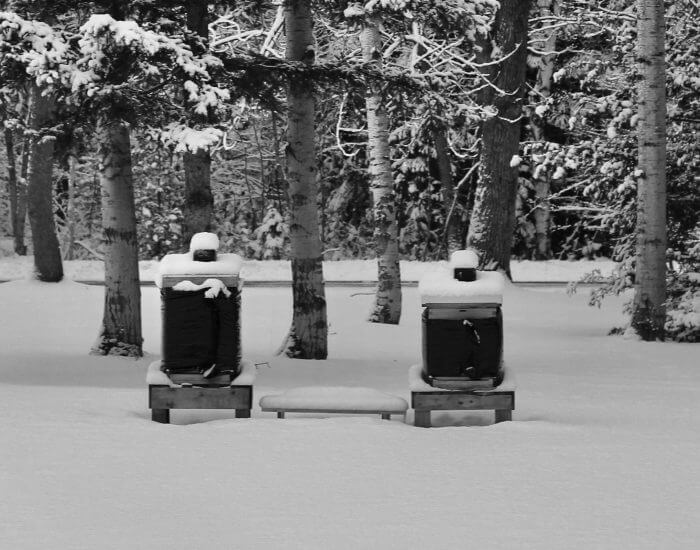
As autumn temperatures begin to fall, beekeepers naturally start thinking about winter hive preparation. One of the most common questions from new beekeepers is when to install insulation wraps around their hives. Installing them too late may mean working in bitter cold, while installing them after one unusually cool night may be earlier than necessary.
The best time to wrap a beehive is not determined by one date or one overnight low. It is determined by the local climate, the pattern of daily temperatures, the condition of the colony and the arrival of prolonged winter weather.
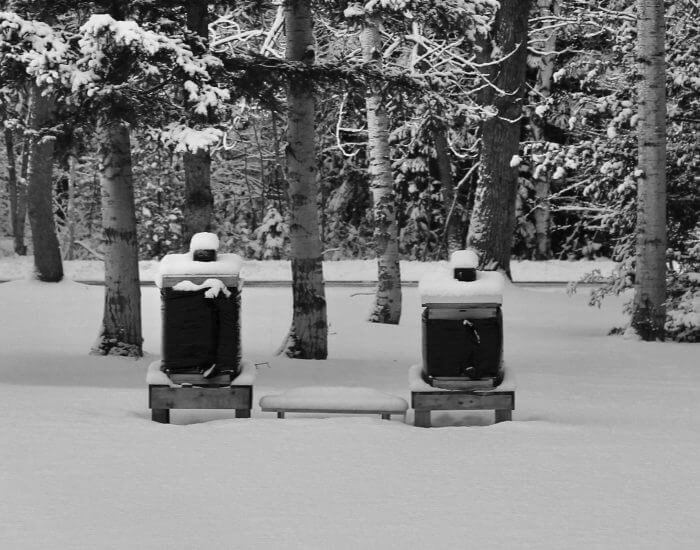
A winter beehive insulation wrap is an exterior covering placed around hive boxes to reduce wind exposure and slow heat transfer. The wrap does not create heat. Honey bees create heat by clustering and using their flight muscles, while insulation helps reduce how quickly that heat is lost through the hive walls.
What Are the Key Takeaways?
- Wrap beehives after sustained cold begins but before prolonged severe winter weather arrives.
- Use local temperature patterns and forecasts instead of relying only on a calendar date.
- Mid-November can be a useful reference in parts of the Midwest and other cold northern regions, but local conditions determine the final timing.
- A winter wrap cannot replace adequate food stores, effective Varroa management or sufficient colony strength.
- Hive entrances and intended ventilation openings must remain clear after insulation is installed.
- A brief winter warm spell usually does not require removing a properly installed hive wrap.
When Is the Best Time to Wrap a Beehive for Winter?
Wrap a beehive after sustained cold becomes established but before severe winter temperatures, strong winds or difficult working conditions arrive.
- The correct timing depends more on weather patterns than on one overnight low.
- Local climate should guide the decision because winter begins at different times in different regions.
- The wrap should be installed before prolonged severe cold makes hive work difficult.
- Colony preparation should be completed before the hive is closed up for winter.
In much of the Midwest and northern United States, wrapping often takes place in late fall. At Lappe's Bee Supply in Iowa, mid-November can be a useful general reference when the weather has become consistently cold. However, a beekeeper in northern Minnesota may need to prepare earlier, while a beekeeper in a milder southern area may wrap later or may use a different wintering strategy.
Rather than choosing a date months in advance, watch the forecast and the actual conditions around your apiary. A pattern of freezing nights, cold daytime temperatures and an approaching stretch of severe weather is more meaningful than a single frosty morning.
What Temperature Should Trigger Hive Wrapping?
Consistent temperatures near freezing provide a practical wrapping signal in cold climates, but local conditions and upcoming weather remain more important.
- A single cold night does not necessarily mean winter has become established.
- Average daily temperatures near 32°F are a practical reference, not a universal rule.
- Wind exposure can increase the value of exterior hive protection.
- The extended forecast should be considered before installation.
Many beekeepers in cold northern climates begin considering wraps when average daily temperatures remain around freezing. This does not mean the temperature must stay below 32°F every hour of the day. It means the seasonal pattern has shifted from occasional frost to reliably cold weather.
A sheltered apiary may experience less wind exposure than a hive standing in an open field. Hive construction, elevation, sun exposure and regional snowfall can also affect winter preparation. Because these variables differ, there is no single temperature that applies to every colony in every location.
Should Beekeepers Use a Calendar Date to Decide When to Wrap?
A calendar date can provide a planning reference, but actual temperatures and the extended forecast should determine the final installation date.
- Mid-November is a common reference in many northern beekeeping areas.
- Seasonal weather can arrive earlier or later from one year to the next.
- Nearby beekeepers may provide useful insight into local wintering practices.
- Installation should be completed before dangerous cold or deep snow arrives.
The calendar is helpful for planning, ordering supplies and setting aside time, but it should not make the decision by itself. If early November remains unusually mild, immediate wrapping may not be necessary. If severe cold is forecast for late October, waiting until a traditional November date may be unwise.
| Observed Conditions | Likely Decision | Reason |
|---|---|---|
| One or two frosty nights followed by mild weather | Continue monitoring | A brief cold event does not always represent the start of sustained winter weather. |
| Repeated freezing nights with cold daytime temperatures | Prepare to install wraps | The seasonal temperature pattern is becoming consistently cold. |
| Severe cold, heavy wind or snow forecast soon | Install before the event | Wrapping is safer and easier before difficult weather arrives. |
| Mild winter climate with little prolonged freezing | Evaluate local need | Not every region requires the same insulation system. |
| Colony still needs feeding, treatment or major reconfiguration | Complete essential preparation first | A wrap does not correct underlying colony-management problems. |
Can a Beehive Be Wrapped Too Early?
Wrapping after one early cold spell may be premature, but correct installation should preserve entrances, airflow and normal bee movement during warmer weather.
- Early wrapping is different from sealing a hive without adequate airflow.
- The entrance must remain open so bees can leave during suitable weather.
- Warm autumn days may still allow bees to forage or take cleansing flights.
- A wrap should fit securely without covering required openings.
Customers often ask whether they wrapped too early after a cold period is followed by several 50°F days. Weather fluctuations are normal during late fall and early winter. It is impossible to know exactly what Mother Nature will do next.
A properly installed winter wrap should not trap the bees inside. During a suitable warm spell, bees can still leave through the entrance for cleansing flights and limited foraging. The beekeeper's main responsibility is to keep the entrance unobstructed and avoid covering ventilation or moisture-management components that are part of the selected winter setup.
What Should You Do If Warm Weather Returns After Wrapping?
A short winter thaw usually does not require removing the wrap when entrances remain open and the insulation is correctly installed.
- Short periods of warm weather commonly occur during northern winters.
- Honey bees may take cleansing flights when outdoor conditions allow.
- The entrance should remain clear of wrap material, snow and dead bees.
- Repeatedly removing and reinstalling the wrap can disturb the winter setup.
When temperatures temporarily rise, observe the hive from outside rather than opening it unnecessarily. Bee activity at the entrance during a warm period is not automatically a sign that the colony is overheating. It often means the bees are taking advantage of suitable flying weather.
Check that the wrap remains secure and that the entrance is open. Unless the wrap has shifted, blocked an opening or created another visible problem, a brief thaw generally does not require changing the setup.
What Does a Winter Beehive Wrap Actually Do?
A winter wrap reduces wind exposure and slows heat transfer while the honey bee cluster generates and regulates its own heat.
- Honey bees survive winter by forming a cluster inside the hive.
- The colony generates heat through muscular activity.
- Insulation slows heat movement through the hive walls.
- Exterior wraps may reduce direct wind exposure around wooden boxes.
- Insulation does not produce heat or guarantee colony survival.
Honey bees do not rely on the beekeeper to heat the hive. The colony forms a winter cluster, and bees generate heat through the activity of their flight muscles. Bees move within and around the cluster as conditions change, allowing the colony to conserve warmth and access food.
A wrap supports this natural behavior by reducing exposure to winter conditions. It is one part of a larger winter-management system that may include adequate honey stores, an entrance reducer, pest protection, top insulation and a planned approach to moisture.
What Should Be Completed Before a Beehive Is Wrapped?
Before wrapping, confirm colony strength, adequate food, appropriate Varroa management, secure equipment and a clear winter entrance.
- The colony should have enough accessible food for the expected winter period.
- Varroa monitoring and treatment decisions should be completed at appropriate seasonal times.
- Unused equipment should be removed when it does not belong in the winter configuration.
- Hive boxes, covers and bottom boards should be stable and weather-ready.
- Mouse protection and entrance reduction should be considered before cold weather.
Wrapping should be one of the final steps in winter preparation, not the first. The colony must enter winter with healthy bees and sufficient food. The beekeeper should also confirm that the boxes are aligned, the outer cover is secure and the entrance arrangement is appropriate for the local climate.
Avoid assuming that insulation can make up for missing food or uncontrolled mites. A colony needs enough healthy workers to form an effective cluster and enough accessible stores to support that cluster until dependable spring forage returns.
How Should a Winter Hive Wrap Be Installed?
Install the wrap snugly around the hive, secure it against wind and keep entrances, ventilation openings and equipment access unobstructed.
- Use a wrap designed for the hive size and box configuration.
- Follow the wrap manufacturer's installation directions.
- Do not cover the hive entrance or necessary ventilation openings.
- Secure loose edges so winter wind cannot pull the wrap away.
- Inspect the exterior periodically without opening the colony.
Before beginning, make sure the wrap matches the number and size of boxes being wintered. Place it evenly around the hive and secure it using the closures or fasteners intended for that product. The material should remain close to the hive rather than flapping in the wind.
After installation, walk around the entire hive. Confirm that the landing area and winter entrance remain accessible. Check that the outer cover sits correctly and that the wrap does not interfere with a feeder rim, moisture box, upper opening or other component that is intentionally part of the winter arrangement.
How Should Moisture Be Managed in a Wrapped Beehive?
Winter moisture requires a deliberate plan using suitable top insulation, ventilation or moisture-control equipment for the hive and local climate.
- Honey bee respiration can contribute moisture inside the winter hive.
- Warm, moist air may condense when it reaches a cold surface.
- Top insulation can reduce cold overhead surfaces where condensation may form.
- Ventilation practices differ among climates and wintering systems.
- Entrances and planned openings should remain free of obstruction.
Moisture management is not identical in every apiary. Some beekeepers use top insulation to keep the upper interior surfaces warmer. Others include a moisture board, quilt box or controlled upper opening as part of the winter configuration. These approaches should not be combined carelessly because each system manages heat and moisture differently.
The important point is to make a plan before wrapping. Do not cover openings accidentally, and do not assume that more ventilation is always better. Excessive uncontrolled airflow can increase heat loss, while trapped moisture can create stressful conditions. Follow local extension guidance and use a winter system suited to your equipment and climate.
Does Every Beehive Need to Be Wrapped for Winter?
Not every hive requires the same insulation because climate, wind exposure, hive construction and local wintering practices vary substantially.
- Cold northern regions generally face different wintering demands than mild southern regions.
- Open, windy apiaries may need different protection than sheltered locations.
- Insulated hive materials behave differently from thin wooden walls.
- Local beekeeping experience can help identify practices that work in the area.
- Wrapping should be based on conditions rather than used automatically everywhere.
Beehive wraps are most commonly associated with climates that experience prolonged freezing temperatures, severe wind and sub-zero weather. A beekeeper in Iowa, Minnesota, Wisconsin, North Dakota, New England or Canada may face a much different winter than a beekeeper in a region with brief and infrequent freezes.
Even within one state, apiaries can differ. Elevation, windbreaks, sun exposure and the physical construction of the hive can influence winter conditions. New beekeepers should learn from reputable local clubs, state apiarists and university extension educators while observing how their own colonies respond.
How Do You Decide When to Wrap a Beehive?
Evaluate the colony, monitor sustained cold, review the forecast, prepare the hive, secure the wrap and inspect it throughout winter.
- Evaluate the colony before wrapping. Confirm that the colony is queenright, has adequate food stores and has received appropriate seasonal Varroa management.
- Watch the temperature pattern. Look for a transition from occasional cold nights to consistently cold days and nights in your local area.
- Check the extended forecast. Install the wrap before prolonged severe cold, strong wind, heavy snow or difficult working conditions arrive.
- Prepare entrances and moisture management. Keep the intended entrance open and complete the ventilation, top-insulation or moisture-control arrangement selected for the hive.
- Install and secure the wrap. Fit the wrap closely around the hive without blocking entrances, ventilation openings or other equipment required by the colony.
- Inspect the hive exterior during winter. Check that the wrap remains secure and that snow, ice or dead bees have not blocked the entrance.
No beekeeper can predict every temperature swing, storm or midwinter thaw. The goal is not to identify one perfect calendar date. The goal is to prepare a healthy colony and install the selected winter protection before harsh conditions arrive.
Where Can You Find Winter Beehive Supplies?
Lappe's Bee Supply carries insulation wraps and other equipment for preparing honey bee colonies for cold weather.
Shop Beehive Insulation Wraps Shop Winter Beekeeping SuppliesWhat Questions Do Beekeepers Ask About Winter Hive Wraps?
The most common questions concern timing, temperature, warm spells, ventilation, colony strength and whether insulation is necessary in every climate.
When should I wrap my beehives for winter?
Wrap beehives after the local weather has shifted toward sustained cold but before prolonged severe or sub-zero conditions make installation difficult.
Is mid-November always the right time to wrap a beehive?
Mid-November is a common reference point in parts of the Midwest and northern regions, but local temperatures and forecasts are more useful than a fixed calendar date.
What temperature should it be before I wrap a beehive?
Many cold-climate beekeepers consider wrapping when average daily temperatures remain near freezing, although the appropriate threshold depends on climate and hive setup.
Can I wrap a beehive too early?
Wrapping during a brief early cold spell may be earlier than necessary, but a correctly installed wrap should not block entrances or prevent bees from flying during later warm weather.
Should I remove a hive wrap during a winter warm spell?
A short warm spell usually does not require removing a properly installed winter wrap because the entrance remains available for cleansing flights.
Do winter hive wraps keep bees warm?
A winter wrap can reduce wind exposure and slow heat transfer, while the honey bees themselves generate and regulate heat within their winter cluster.
Does every beehive need to be wrapped?
Not every hive or climate requires the same insulation strategy, so beekeepers should consider winter severity, wind exposure, hive construction and local experience.
Should a winter wrap cover the hive entrance?
No. The intended winter entrance and any ventilation openings used by the beekeeper should remain unobstructed after the wrap is installed.
Will wrapping save a weak honey bee colony?
Insulation cannot correct serious problems such as a failing queen, inadequate food stores, excessive Varroa pressure or a colony that is too weak for winter.
What should I check after wrapping a beehive?
Check that the wrap is secure, the cover is stable and the entrance remains clear of snow, ice, dead bees and loose wrapping material.
Where Can You Learn More About Winter Honey Bee Management?
- Preparing Colonies for Winter — University of Minnesota Extension
- Honey Bee Management Throughout the Seasons — Penn State Extension
- Winter Top Hive Insulation — Michigan State University Extension through Ask Extension
- Upper Winter Entrance in an Insulated Hive — Michigan State University Extension through Ask Extension
- General Beekeeping Schedule and Information Guide — Province of Manitoba
- Research-Backed Beekeeping Resources — Penn State Extension
FAQs
When should I wrap my beehives for winter?
Wrap beehives after the local weather has shifted toward sustained cold but before prolonged severe or sub-zero conditions make installation difficult.
Is mid-November always the right time to wrap a beehive?
Mid-November is a common reference point in parts of the Midwest and northern regions, but local temperatures and forecasts are more useful than a fixed calendar date.
What temperature should it be before I wrap a beehive?
Many cold-climate beekeepers consider wrapping when average daily temperatures remain near freezing, although the appropriate threshold depends on climate and hive setup.
Can I wrap a beehive too early?
Wrapping during a brief early cold spell may be earlier than necessary, but a correctly installed wrap should not block entrances or prevent bees from flying during later warm weather.
Should I remove a hive wrap during a winter warm spell?
A short warm spell usually does not require removing a properly installed winter wrap because the entrance remains available for cleansing flights.
Do winter hive wraps keep bees warm?
A winter wrap can reduce wind exposure and slow heat transfer, while the honey bees themselves generate and regulate heat within their winter cluster.
Does every beehive need to be wrapped?
Not every hive or climate requires the same insulation strategy, so beekeepers should consider winter severity, wind exposure, hive construction and local experience.
Should a winter wrap cover the hive entrance?
No. The intended winter entrance and any ventilation openings used by the beekeeper should remain unobstructed after the wrap is installed.
Will wrapping save a weak honey bee colony?
Insulation cannot correct serious problems such as a failing queen, inadequate food stores, excessive Varroa pressure or a colony that is too weak for winter.
What should I check after wrapping a beehive?
Check that the wrap is secure, the cover is stable and the entrance remains clear of snow, ice, dead bees and loose wrapping material.