Welcome to Lappe's Bee Supply's blogs section. We are a trusted beekeeping company in the USA. We give relevant insights, seasonal guidance, and professional advice for beekeepers of all experience levels. From hive management and bee wellness to honey production and equipment guides, we have it all that you will require to thrive. Get updated, motivated, and connected with the beekeeping community through regular news from Lappe's Bee Supply.
Wax Dipped vs Painted Beehives: Which Lasts Longer and Is Better for Beginners?
The Buzz About This Post
- Wax Dipped vs Painted Beehives: Quick Answer
- Key Takeaways
- Table of Contents
- What's the real difference between wax dipped and painted hives?
- Which lasts longer: wax dipped or painted?
- Which is better for beginners?
- What maintenance do wax dipped vs painted hives require?
- How do wax dipped and painted hives handle moisture and weather?
- Does color or finish affect hive temperature?
- How do wax dipped and painted beehives compare at a glance?
- Which beehive finish would we recommend for a beginner?
- FAQ: Wax dipped vs painted hives
- Do I need to paint a wax dipped beehive?
- Can painted hives last a long time?
- Is wax dipping better in wet or humid areas?
- Will wax dipped boxes look perfectly uniform?
- What's the simplest first-hive setup for a beginner?
- Are wax dipped beehives maintenance-free?
- Do wax dipped hives always last longer than painted hives?
- Can wax dipped woodenware crack or weather?
- Does the color of a beehive matter?
- What should I compare besides wax dipping or paint?
- Explore wax-dipped hive equipment
- Sources and Further Reading
- FAQs
Wax Dipped vs Painted Beehives: Which Lasts Longer and Is Better for Beginners?
Written by Lappe's Bee Supply
Published: January 28, 2026
Last Updated: August 31, 2026
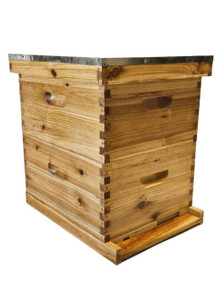
Wax Dipped vs Painted Beehives: Quick AnswerWax dipped beehives use heated wax to treat and penetrate wooden hive components, while painted beehives rely primarily on an exterior paint coating for protection. Both methods can help preserve woodenware, but wax-dipped equipment generally requires less finishing work because it does not need to be painted before normal hive use. Neither finish has one guaranteed lifespan. Wood quality, construction, climate, hive placement, weather exposure, physical handling and maintenance all affect how long beehive equipment remains structurally sound. |
Key Takeaways
|
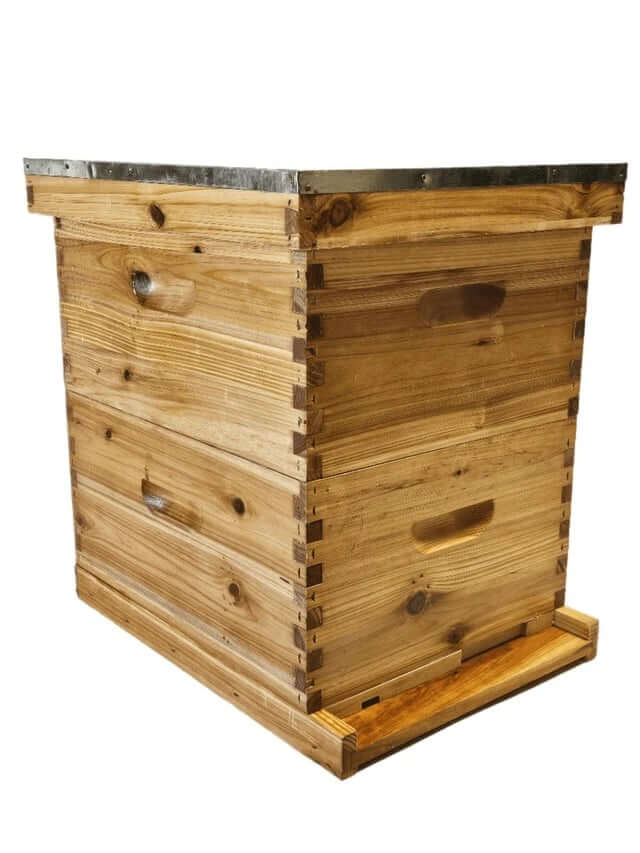
A wax-dipped beehive is wooden hive equipment treated with heated wax so the treatment can penetrate or saturate portions of the wood. A painted beehive uses an exterior coating of paint to help separate exposed wooden surfaces from rain, sun and other outdoor conditions.
Both finishes address the same basic problem: wooden hive equipment spends years outdoors where moisture, sunlight, temperature changes and normal apiary handling can gradually affect the wood. The major differences involve how the finish is applied, how much preparation is required before use, appearance, color options and future maintenance.
What's the real difference between wax dipped and painted hives?
Wax-dipped hives use heated wax to treat the wood, while painted hives use an exterior coating. Both methods are intended to help protect woodenware from outdoor exposure.
Both approaches help protect wooden hive equipment from sun, rain, moisture and seasonal weather. The biggest difference is how that protection is applied to the wood.
- Painted woodenware uses an exterior coating on exposed surfaces to help shield the wood from rain and weather.
- Wax dipped woodenware is immersed in heated wax so the treatment can penetrate the wooden material rather than remaining only on the exterior surface.
The distinction matters because beehive woodenware remains outdoors for much of its working life. The University of Florida Institute of Food and Agricultural Sciences identifies water as one of the greatest threats to wooden beekeeping equipment because damp wood is susceptible to deterioration and decay.
Hot-wax dipping has also been documented specifically as a preservation method for wooden beehive components. AgriFutures Australia's technical publication on hot wax dipping describes the process as placing wooden hive components in molten wax for preservation and other specialized beekeeping purposes.
Wax dipping should not be confused with simply rubbing wax over the outside of a hive box. A true hot-wax treatment exposes the wooden component to heated wax under controlled conditions so the treatment can move into the wood.
Likewise, painting should not be dismissed as an inferior method. Proper exterior painting has a long history in beekeeping and remains a recognized method of protecting wooden hive equipment.
Which lasts longer: wax dipped or painted?
Neither finish has one guaranteed lifespan. Durability depends on the wood, treatment quality, construction, weather exposure, hive placement, handling and maintenance.
In real-world beekeeping, "lasting longer" usually means remaining structurally sound and usable without excessive repair or replacement. That makes an exact wax-dipped-versus-painted lifespan difficult to state as a universal rule.
A well-painted hive can remain serviceable for many seasons. Paint creates a protective exterior coating, but the coating gradually experiences sunlight, rain, temperature changes, scraping and normal apiary handling. Over time, exposed edges, corners and handholds may show wear before less-used surfaces.
The University of Florida recommends properly protecting exterior hive woodenware and notes that repainting may be appropriate periodically as equipment ages. This reinforces an important point: painted equipment can last a long time, but maintaining the painted surface is part of the preservation system.
Wax dipping approaches preservation differently. Because heated wax can penetrate into the wooden material, beekeepers often select the treatment when they want a finish that does not depend on a conventional repainting schedule.
However, wax dipping does not make wood indestructible. Poor construction, standing water, damaged joints, rough handling, prolonged weather exposure or other unfavorable conditions can still shorten the service life of wooden hive components.
For that reason, it is more accurate to say that wax-dipped equipment can reduce finish-related maintenance than to promise that every wax-dipped hive will last longer than every painted hive.
Lappe's field observation: In our direct field experience, wax-dipped equipment has often gone about 8 years longer before needing touch-up than painted equipment used under comparable conditions. This is a practical observation from our beekeeping experience rather than a controlled scientific study, and actual results can vary with weather exposure, use, storage, handling and maintenance. |
This field observation should not be interpreted as a guarantee that every wax-dipped box will last exactly eight years longer than every painted box. It describes what Lappe's has observed through practical equipment use while recognizing that woodenware performance varies from apiary to apiary.
Beekeeper note: Actual longevity varies with climate, sun exposure, wood condition, construction quality, hive placement, physical handling and off-season storage.
Which is better for beginners?
Wax-dipped equipment can simplify a beginner's setup because it normally requires no painting before use, while unfinished woodenware needs protection before prolonged outdoor exposure.
For many new beekeepers, the deciding factor is not simply theoretical durability. It is how much work must be completed before the bees arrive.
Beginners often want to:
- Set up their new beehive without unnecessary delays.
- Avoid adding another finishing project to an already long beginner checklist.
- Spend more time learning colony management and less time preparing wooden boxes.
- Reduce future repainting and touch-up work where practical.
This is where wax-dipped woodenware can be especially convenient. Properly finished wax-dipped equipment can arrive ready for normal use without the customer first having to paint the exterior.
Painted equipment can also be an excellent beginner choice, especially when purchased already painted. The difference becomes more noticeable when comparing wax-dipped equipment with unfinished woodenware.
Oklahoma State University Extension recommends painting exterior components of untreated wooden hives and allowing sufficient curing time before bees arrive. That means someone purchasing unfinished equipment shortly before package bees or a nucleus colony arrives must plan ahead.
Finish should still be only one part of a beginner's decision. Hive size, frame count, box depth, assembly status, included components and availability of compatible equipment are also important.
What maintenance do wax dipped vs painted hives require?
Painted hives should be inspected as coatings wear and may need repainting. Wax-dipped hives avoid that repainting cycle but still require routine woodenware inspection.
Painted woodenware
| Wax dipped woodenware
|
Reduced finishing maintenance does not mean zero maintenance. Wax-dipped hive bodies, supers, covers and bottom boards are still wooden equipment used outdoors. They should be checked during normal apiary work for cracks, damaged joints, loose components, excessive weathering or other structural problems.
Painted woodenware needs the same structural checks plus attention to the condition of the exterior coating. If bare wood becomes exposed, repairing the finish can help keep water from repeatedly entering the affected area.
Lappe's treats "no repainting required" and "maintenance-free" as two different statements. Wax dipping eliminates the normal need to repaint the treated woodenware, but it does not eliminate responsible equipment inspection.
How do wax dipped and painted hives handle moisture and weather?
Paint helps shield exterior wood from weather, while hot wax treatment penetrates the wooden material. Neither finish eliminates every risk associated with moisture.
Moisture is one of the most important durability concerns for wooden beehive equipment. Repeated wetting can affect joints, edges and other exposed areas, particularly when water remains against the wood or equipment cannot dry properly.
Paint works primarily by creating an exterior barrier. When that coating remains intact, it helps separate the wooden surface from direct weather exposure. When paint cracks, peels or wears away, exposed areas may require attention.
Hot wax dipping treats the wood differently. Technical descriptions of the process explain that hive components are immersed in heated wax so the treatment can penetrate the timber.
That is one reason wax-dipped equipment is attractive to beekeepers who want penetrating wood treatment rather than relying solely on an exterior paint layer.
The finish is only part of weather protection, however. Hive stands, drainage, roof condition, sound joints, proper installation and general equipment condition can all influence how much moisture reaches or remains against wooden surfaces.
Neither painted nor wax-dipped woodenware should be described as completely waterproof or immune to deterioration. Those statements would go beyond what either preservation method can reasonably guarantee.
Does color or finish affect hive temperature?
Exterior color can influence solar heat absorption. Light-painted surfaces generally absorb less heat, although sun exposure, airflow, roof design and climate also matter.
Painted hives provide a practical advantage for beekeepers who want control over exterior color. White and other light colors have traditionally been common choices because lighter surfaces generally absorb less solar energy than very dark surfaces.
University Extension guidance commonly recommends avoiding very dark exterior hive colors in hot, exposed locations because dark surfaces can absorb more heat.
Wax-dipped equipment usually retains a natural wood appearance instead of the uniform color produced by paint. Individual pieces may differ in tone because wood grain, knots and wax absorption are naturally variable.
Exterior color should not be treated as the only factor controlling colony temperature. The amount of direct sunlight, ambient temperature, roof construction, airflow, hive location and the colony's own thermoregulation all influence conditions inside the hive.
Beekeepers in especially hot, exposed locations may therefore place more emphasis on exterior color than someone keeping colonies where afternoon shade or other environmental moderation is available.
How do wax dipped and painted beehives compare at a glance?
Wax-dipped and painted beehives can both protect woodenware, but they differ in treatment method, preparation, appearance, color flexibility and future repainting needs.
| Comparison | Wax Dipped Beehives | Painted Beehives |
|---|---|---|
| Protection method | Heated wax treatment penetrates or saturates portions of the woodenware. | Paint forms a protective coating on exterior wooden surfaces. |
| Painting before use | Normally not required. | Required when purchasing unfinished woodenware. |
| Future repainting | No normal repainting schedule. | May require touch-ups or repainting as the coating wears. |
| Appearance | Natural wax-treated wood appearance. | Uniform painted appearance. |
| Color options | Generally retains natural wooden coloration. | Wide range of exterior colors. |
| Natural variation | Wood grain, knots, tone and wax absorption can create visible differences. | Paint normally creates a more uniform exterior appearance. |
| Weather protection | Wax treatment is intended to reduce the effects of moisture and weather exposure. | Exterior coating helps shield wood from rain and weather. |
| Maintenance-free? | No. | No. |
| Lappe's field observation | Has often gone about 8 years longer before needing touch-up than painted equipment in comparable field conditions. | May require finish touch-up earlier as the exterior paint coating weathers. |
| Good fit for | Beekeepers wanting less finishing work and no normal repainting schedule. | Beekeepers who want exterior color control and are comfortable maintaining paint. |
The approximately eight-year comparison shown above is based on Lappe's field experience rather than a controlled scientific study. Neither column represents a universal performance guarantee. The best finish depends on the beekeeper's priorities, equipment use and operating conditions.
Which beehive finish would we recommend for a beginner?
For beginners who want less preparation and no initial painting, wax-dipped equipment is a convenient choice. Painted equipment remains a practical alternative.
If you want "ready to go" and low maintenanceStart with a wax dipped hive kit if avoiding the finishing step is important to you. The equipment can be placed into normal hive service without first painting the woodenware. 10 Frame Wax Dipped Two Story Bee Hive Colony Expanding Kit - Assembled This type of setup provides a familiar Langstroth-style configuration while giving the beekeeper wax-treated woodenware from the beginning. |
A simple decision process can make the choice easier:
- Want to skip painting before use? Wax-dipped equipment may be the better fit.
- Want to avoid a conventional repainting schedule? Wax-dipped equipment has an advantage.
- Want a specific exterior color? Painted equipment offers more flexibility.
- Already comfortable maintaining painted outdoor equipment? A painted hive can be a practical choice.
- Buying a complete hive? Compare frame count, box depths, included components and compatibility in addition to the finish.
The finish protects the equipment, but colony success ultimately depends much more on proper setup, suitable hive configuration and ongoing beekeeping management.
FAQ: Wax dipped vs painted hives
Do I need to paint a wax dipped beehive?
Usually, no. Properly wax-dipped woodenware is intended to be used without painting, although normal inspection for structural wear or damage is still recommended.
Can painted hives last a long time?
Yes. Properly painted and maintained wooden hive equipment can remain functional for many seasons, but actual service life varies with wood, construction, climate, placement and maintenance.
Is wax dipping better in wet or humid areas?
Wax dipping is often selected when reducing moisture exposure is an important priority because the treatment penetrates the wooden material. Good drainage, hive placement and equipment condition remain important in any climate.
Will wax dipped boxes look perfectly uniform?
Not always. Wood grain, knots, color and wax absorption naturally vary, so cosmetic differences between individual pieces of wax-dipped woodenware are normal.
What's the simplest first-hive setup for a beginner?
Many beginners choose a commonly supported Langstroth hive configuration because compatible boxes, frames and replacement components are widely available. Finish is only one part of choosing the complete setup.
Are wax dipped beehives maintenance-free?
No. Wax dipping eliminates the normal need to repaint treated woodenware, but beekeepers should still inspect hive components for cracks, loose joints, deterioration and physical damage.
Do wax dipped hives always last longer than painted hives?
No universal lifespan comparison applies to every hive. Lappe's has observed wax-dipped equipment going about eight years longer before needing touch-up in comparable field conditions, but actual durability varies with use, exposure, storage and maintenance.
Can wax dipped woodenware crack or weather?
Yes. Wax treatment helps protect woodenware but does not prevent every form of checking, cracking, wear, impact damage or weather-related deterioration.
Does the color of a beehive matter?
Exterior color can influence solar heat absorption, with lighter surfaces generally absorbing less heat than very dark surfaces. Location, direct sun, airflow, weather and hive construction also affect temperature.
What should I compare besides wax dipping or paint?
Compare hive size, frame count, box depth, assembly status, included components, compatibility and expansion options. Those factors can affect daily beekeeping more than the exterior finish alone.
Explore wax-dipped hive equipment
Beekeepers who prefer wax-treated woodenware can explore complete hives, hive bodies, supers, covers, bottom boards and other compatible components from Lappe's Bee Supply.
- Wax Dipped Bee Hives & Components
- 10 Frame Wax Dipped Bee Hives
- 10 Frame Wax Dipped Two Story Bee Hive Colony Expanding Kit - Assembled
Why Lappe's Bee Supply?
Lappe's Bee Supply manufactures applicable woodenware in East Peru, Iowa, with commercial beekeeping roots dating to 1978. Our experience with hive equipment comes from working with equipment intended for real apiary use, not simply selling wooden boxes.
Our double wax-dipped woodenware is designed to give beekeepers a finished hive component that does not require painting before normal use. Because wood is a natural material, variations in grain, knots, tone and wax absorption should be expected.
Sources and Further Reading
The preservation, painting, moisture and wax-dipping information in this guide was reviewed against university Extension, government and beekeeping-industry technical resources. Lappe's field observations are identified separately from outside research.
- University of Florida Institute of Food and Agricultural Sciences. Preserving Woodenware in Beekeeping Operations. Covers water exposure, woodenware preservation, exterior painting and repainting considerations. Read the UF/IFAS publication .
- Oklahoma State University Extension. Beginning Honey Beekeeping Equipment and Associated Costs. Includes guidance for painting exterior wooden hive components and allowing the paint to cure before bees arrive. Read the Oklahoma State University Extension guide .
- University of Georgia Cooperative Extension. Honey Bees and Beekeeping. Discusses standard hive equipment and protection of exterior wooden hive components. Read the University of Georgia guide .
- AgriFutures Australia. Hot Wax Dipping of Beehive Components. Technical reference covering hot-wax dipping of wooden beehive components for preservation and related beekeeping applications. View the AgriFutures Australia publication .
- New South Wales Department of Primary Industries. Managing American Foulbrood. Includes technical information describing hot-wax dipping of appropriate hive equipment. View the NSW DPI guide .
Editorial note: General recommendations in outside references may describe equipment, treatment processes or disease-management practices that differ from Lappe's manufacturing procedures. External sources are cited for the specific educational principles discussed in this article and should not be interpreted as specifications for a particular Lappe's product unless expressly stated. Lappe's field observations are based on practical experience and should not be interpreted as controlled scientific test results or guaranteed product lifespans.
FAQs
Do I need to paint a wax dipped beehive?
Usually, no. Properly wax-dipped woodenware is intended to be used without painting, although normal inspection for structural wear or damage is still recommended.
Can painted hives last a long time?
Yes. Properly painted and maintained wooden hive equipment can remain functional for many seasons, but actual service life varies with wood, construction, climate, placement and maintenance.
Is wax dipping better in wet or humid areas?
Wax dipping is often selected when reducing moisture exposure is an important priority because the treatment penetrates the wooden material. Good drainage, hive placement and equipment condition remain important in any climate.
Will wax dipped boxes look perfectly uniform?
Not always. Wood grain, knots, color and wax absorption naturally vary, so cosmetic differences between individual pieces of wax-dipped woodenware are normal.
What's the simplest first-hive setup for a beginner?
Many beginners choose a commonly supported Langstroth hive configuration because compatible boxes, frames and replacement components are widely available. Finish is only one part of choosing the complete setup.
Are wax dipped beehives maintenance-free?
No. Wax dipping eliminates the normal need to repaint treated woodenware, but beekeepers should still inspect hive components for cracks, loose joints, deterioration and physical damage.
Do wax dipped hives always last longer than painted hives?
No universal lifespan comparison applies to every hive. Lappe's has observed wax-dipped equipment going about eight years longer before needing touch-up in comparable field conditions, but actual durability varies with use, exposure, storage and maintenance.
Can wax dipped woodenware crack or weather?
Yes. Wax treatment helps protect woodenware but does not prevent every form of checking, cracking, wear, impact damage or weather-related deterioration.
Does the color of a beehive matter?
Exterior color can influence solar heat absorption, with lighter surfaces generally absorbing less heat than very dark surfaces. Location, direct sun, airflow, weather and hive construction also affect temperature.
What should I compare besides wax dipping or paint?
Compare hive size, frame count, box depth, assembly status, included components, compatibility and expansion options. Those factors can affect daily beekeeping more than the exterior finish alone.