Welcome to Lappe's Bee Supply's blogs section. We are a trusted beekeeping company in the USA. We give relevant insights, seasonal guidance, and professional advice for beekeepers of all experience levels. From hive management and bee wellness to honey production and equipment guides, we have it all that you will require to thrive. Get updated, motivated, and connected with the beekeeping community through regular news from Lappe's Bee Supply.
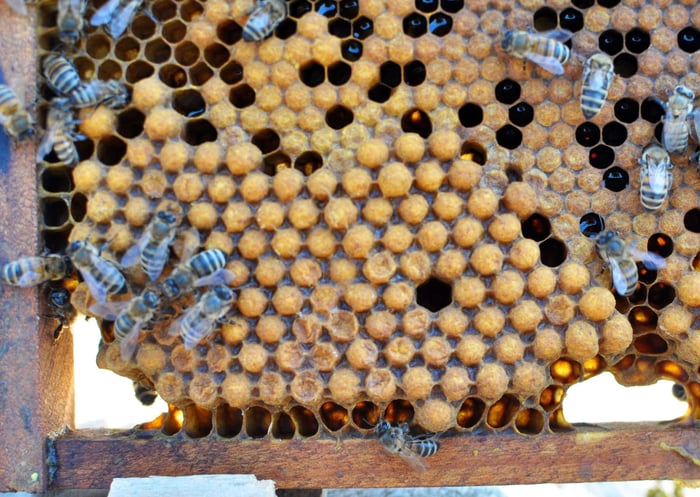
Understanding Drone-Laying Queens: Identifying Symptoms and Effective Solutions
The Buzz About This Post
- What Are the Key Takeaways About Drone-Laying Queens?
- What Does This Guide Cover?
- What Exactly is a Drone-Laying Queen?
- What Are the Signs of a Drone-Laying Queen?
- How Can You Tell a Drone-Laying Queen From Laying Workers?
- What Causes a Drone-Laying Queen?
- What Are Effective Remedies for a Failing Queen?
- What Should You Check Before Making a Diagnosis?
- Why Does Early Detection Matter?
- What Do Beekeepers Ask About Queen Fertilization Failure?
- What is a drone-laying queen?
- Does finding drone brood mean the queen is failing?
- Can a reproductively failing queen still be found in the hive?
- How can I tell a failing queen from laying workers?
- Do multiple eggs always mean a colony has laying workers?
- Why does a failing queen produce mostly drones?
- Can a queen with fertilization failure start producing worker brood again?
- Should a failing queen be replaced?
- When should a weak colony be combined with another hive?
- Why should laying workers be identified before requeening?
- What Sources Support This Guide?
- How Was This Beekeeping Guide Prepared?
- FAQs
Understanding Drone-Laying Queens
Written by Lappe's Bee Supply
Published: September 1, 2025
Last Updated: August 26, 2026
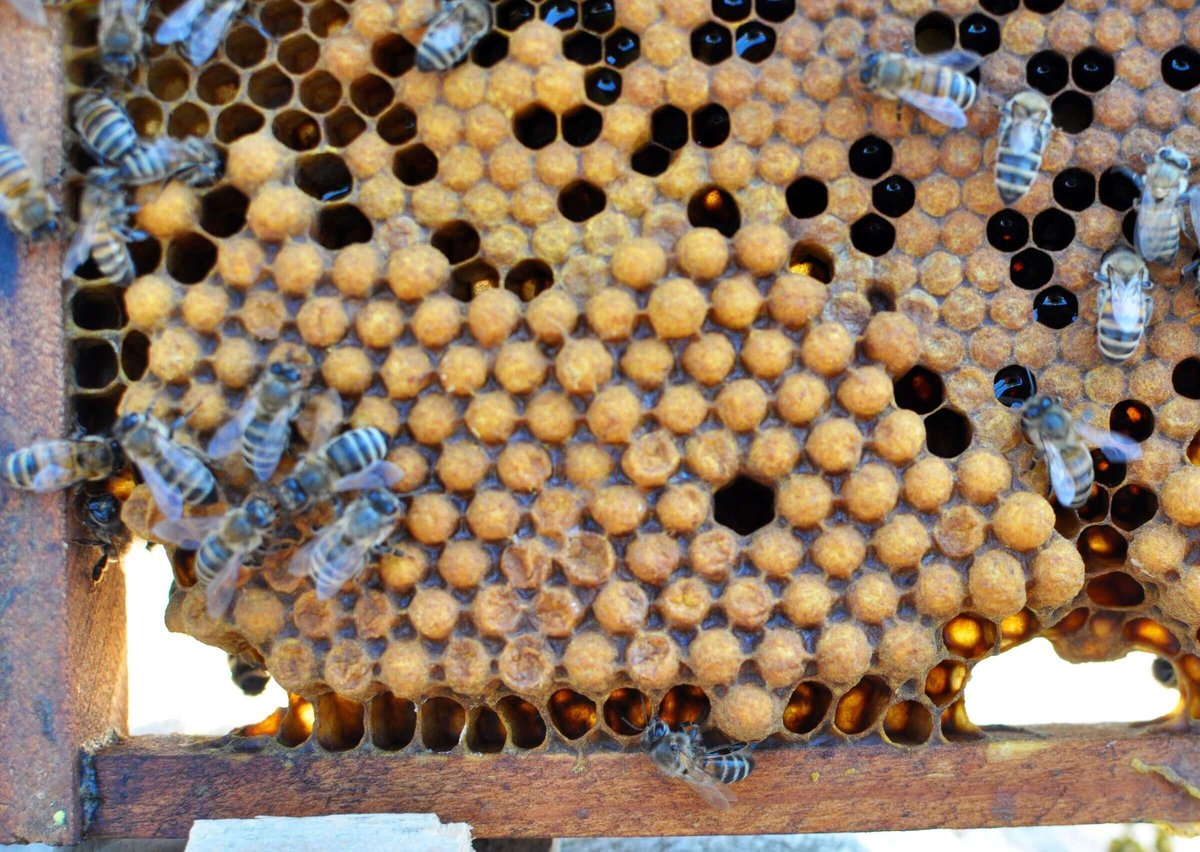
A drone laying queen produces mostly or only unfertilized eggs, causing male drone brood to replace the worker brood a honey bee colony needs to maintain its population.
Finding an unusual amount of drone brood can be concerning, but drone brood by itself does not prove that a queen has failed. Healthy honey bee colonies naturally raise drones. The problem occurs when a queen can no longer fertilize enough eggs to produce normal worker brood. Correctly identifying this type of reproductive failure is important because a failing queen and a colony with laying workers can look similar but may require different management decisions.
What Are the Key Takeaways About Drone-Laying Queens?
A queen experiencing fertilization failure can continue laying eggs, but the colony gradually loses its ability to replace aging workers when normal worker brood is no longer produced.
- Unfertilized honey bee eggs normally develop into male drones.
- Fertilized eggs normally develop into female workers or queens.
- Drone brood in ordinary drone cells is normal and is not proof that a queen is failing.
- Widespread drone brood developing in worker-sized cells is an important warning sign.
- A reproductively failing queen generally lays eggs more like a queen, while laying workers often create irregular patterns with multiple eggs.
- Poor mating or inadequate viable stored sperm can result in a queen producing primarily unfertilized eggs.
- Replacing the queen or combining a weak colony may be necessary after the diagnosis has been confirmed.
What Exactly is a Drone-Laying Queen?
A drone-laying queen is a queen bee that produces predominantly or exclusively unfertilized eggs, resulting in drones instead of normal replacement worker brood.
- Male honey bees, called drones, normally develop from unfertilized eggs.
- Female workers and queens develop from fertilized eggs.
- A healthy queen normally produces worker brood as well as a smaller, seasonally appropriate amount of drone brood.
- The concern begins when drone production replaces most or all worker production.
Honey bees use a reproductive system known as haplodiploidy. In simple terms, an unfertilized egg develops into a male drone, while a normally fertilized egg develops into a female worker or queen. After mating, a queen stores sperm in an internal organ called the spermatheca. She can use stored sperm when laying eggs destined to become females.
If the queen cannot fertilize eggs because she was inadequately mated, has exhausted or lost the viability of her stored sperm, or experiences another reproductive failure, she may continue laying eggs while producing mainly drones. A reproductively failing queen may still walk normally on the comb and maintain an organized laying pattern even though her eggs are developing primarily into drones.
Normal drones are valuable members of a honey bee population because their primary reproductive role is mating with virgin queens. The problem is therefore not the presence of drones. The problem is the loss of worker production needed to replace the colony's aging female workforce.
What Are the Signs of a Drone-Laying Queen?
Queen fertilization failure is suspected when worker brood disappears while domed drone brood increasingly develops in worker-sized cells and the queen remains present.
- Normal worker brood becomes greatly reduced or absent.
- Drone brood appears extensively in areas normally used for worker brood.
- Cappings over drones raised in worker cells appear raised or bullet-shaped.
- The queen may still be present and may continue laying.
- Egg placement may remain more organized than it would in an established laying-worker colony.
1. Scattered Drone Brood
Scattered or unusually widespread drone brood can be a warning sign, particularly when it appears across areas of comb where healthy worker brood would ordinarily be expected. However, drone brood should never be evaluated by location alone. Strong colonies naturally raise drones, and normal drone cells are often located around the margins or lower portions of brood frames.
What matters is the overall pattern. If ordinary worker brood is disappearing while raised drone cappings increasingly occupy worker-sized cells throughout the brood nest, the queen's ability to produce fertilized eggs should be investigated.
2. Drone Brood in Worker Cells
One of the more useful signs of reproductive failure is drone brood developing in worker-sized comb. A drone developing in a smaller worker cell requires additional room, causing the capped cell to protrude noticeably above the surrounding comb.
A few unusual cells do not justify an immediate diagnosis. Look across several areas of the brood nest and determine whether normal worker eggs, larvae, and capped worker brood are still present. A colony should be evaluated as a whole rather than diagnosed from one frame or one abnormal cell.
3. Multiple Eggs in a Single Cell
Multiple eggs in individual cells are more strongly associated with laying workers than with a queen experiencing fertilization failure. This distinction is important because the two problems are not managed exactly the same way.
A queen normally places an egg near the bottom of a cell and usually lays one egg per cell in a recognizable pattern. When a colony has been queenless long enough for worker ovaries to become active, several workers may begin depositing unfertilized eggs. Those eggs may appear in irregular locations, including on cell walls, and several eggs may occur in a single cell.
A newly laying queen can sometimes temporarily place more than one egg in a cell while establishing her laying pattern, so multiple eggs should be interpreted along with queen presence, egg placement, brood type, and the history of the colony.
4. Drone Comb in Unusual Locations
Drone-sized comb in an unusual location is not, by itself, proof that a queen is failing. Bees can build drone comb wherever available space and colony conditions encourage it. The stronger warning sign is drone brood being raised extensively within worker-sized cells while normal worker brood is absent or declining.
During an inspection, compare the size of the cells, shape of the cappings, location of eggs, presence of larvae, overall brood pattern, and whether a queen can be found. Using several observations together greatly reduces the chance of confusing normal drone production with reproductive failure.
How Can You Tell a Drone-Laying Queen From Laying Workers?
A queen producing mostly drone brood usually retains queen-like egg placement, while laying workers commonly produce multiple, irregularly positioned eggs.
- A reproductively failing queen is still a queen and is usually present in the colony.
- Laying workers develop after queenlessness disrupts normal reproductive suppression.
- Both conditions can result in unfertilized eggs and drone brood.
- Egg-placement patterns can provide important evidence about which condition is present.
| Inspection Sign | Healthy Queen | Possible Drone-Laying Queen | Possible Laying Workers |
|---|---|---|---|
| Queen Present | Yes | Usually | No functional queen usually present |
| Worker Brood | Normally present | Reduced or absent | Generally absent after extended queenlessness |
| Drone Brood in Worker Cells | Not widespread | Important warning sign | Typical warning sign |
| Eggs Per Cell | Usually one | Often one | Frequently multiple |
| Egg Placement | Near cell bottom | Often near cell bottom | May be irregular or on cell walls |
| Overall Pattern | Organized worker and drone brood | May remain organized but drone-heavy | Often irregular and scattered |
No single characteristic should be treated as absolute proof. For example, not seeing the queen during one inspection does not establish that a colony is queenless. Likewise, finding drone brood does not establish that the queen has experienced fertilization failure.
The goal is to determine who is laying the eggs and whether healthy worker brood is still being produced. That distinction becomes especially important before purchasing or introducing a replacement queen because established laying-worker colonies can be difficult to requeen successfully.
What Causes a Drone-Laying Queen?
Poor mating, inadequate viable stored sperm, or reproductive failure can prevent a queen from fertilizing enough eggs to maintain normal worker brood.
- A queen stores sperm from mating in her spermatheca.
- Worker-producing eggs must normally be fertilized.
- An inadequately mated queen may begin producing excessive drone brood.
- A queen that previously performed normally can later experience reproductive failure.
Inadequate Mating
A queen must mate successfully and store adequate viable sperm before she can maintain normal production of fertilized worker eggs.
A poorly mated queen may initially appear normal because she can still lay eggs. The problem becomes evident when the resulting brood contains an excessive proportion of drones and healthy worker production fails to develop as expected.
Inadequate or Nonviable Stored Sperm
After mating, a queen stores sperm in her spermatheca for later use. When she lays an egg that will become a worker, sperm is normally released so the egg becomes fertilized. If the queen's usable stored sperm becomes inadequate, she may continue laying eggs without being able to produce the female workers the colony needs.
This condition can occur as part of reproductive failure. It should not be confused with the queen's normal production of unfertilized eggs in larger drone cells. A healthy queen deliberately produces some unfertilized drone eggs; a queen with inadequate viable stored sperm can no longer maintain the worker brood production the colony needs.
Age or Physical Damage
Queen performance can decline, but age alone should not be used as a diagnosis. A queen may also experience physical or reproductive impairment that interferes with her ability to function normally.
A weak brood pattern can have many explanations, including colony conditions that have little to do with the queen's sperm supply. Beekeepers should therefore look at eggs, larvae, capped brood, adult population, food availability, pest pressure, and other colony conditions before concluding that fertilization failure is the cause.
What Are Effective Remedies for a Failing Queen?
After confirming reproductive failure, beekeepers generally remove the failing queen and requeen the colony or combine a colony that is too weak to recover.
- Confirm the diagnosis before removing the queen.
- Evaluate whether enough workers remain for recovery.
- Remove a confirmed failing queen before introducing her replacement.
- Protect a replacement queen while the colony goes through the acceptance process.
- Consider combining colonies when population loss has progressed too far.
1. Requeening
Requeening is often the most direct response when a queen is confirmed to be producing primarily unfertilized eggs and the colony still has enough workers to recover. The failing queen should be located and removed before a replacement queen is introduced.
A new queen should generally be introduced in a protected manner that gives the colony time to adjust to her presence. Queen acceptance is not guaranteed, and releasing a replacement queen without considering colony condition can result in her being rejected or killed.
If you need a replacement queen, see Lappe's Bee Supply's queen bees for sale . Always evaluate queen availability, season, weather, and colony strength before deciding on the best recovery strategy.
2. Merging Hives
If a colony has already lost much of its worker population, replacing the queen may not provide a fast enough recovery. A new queen still needs time to be accepted, begin laying, and produce brood that develops into adult workers.
Combining a weak colony with a healthy, queenright colony may preserve useful adult bees and food resources when conditions are appropriate. Before combining colonies, evaluate the health of both colonies, including signs of disease and parasite pressure. Moving bees or comb from an unhealthy colony can transfer problems along with the useful resources.
The existing failed queen should not simply be carried into a queenright colony. The beekeeper should know which queen is being retained before combining colonies.
3. Restarting a New Colony
When a colony is extremely weak or other management problems make recovery impractical, restarting may be more appropriate than repeatedly attempting to save a failing unit. The best decision depends on the time of year, remaining adult population, food stores, available brood, queen availability, pest pressure, and the beekeeper's goals.
Equipment and usable resources from a failed colony may sometimes be retained, but they should be inspected before reuse. If disease, pests, contaminated comb, or other health concerns are suspected, determine the cause before transferring material into another healthy colony.
What Should You Check Before Making a Diagnosis?
Check queen status, egg placement, worker brood, drone brood, colony history, and overall strength before deciding whether the problem is queen failure or laying workers.
- Look for eggs. Determine whether eggs are primarily single and centered or multiple and irregularly placed.
- Look for worker larvae and capped worker brood. Determine whether worker production has stopped or is merely reduced.
- Examine the drone brood. Pay particular attention to widespread raised drone cappings developing in worker-sized cells.
- Search for the queen. Take enough time to inspect carefully rather than assuming she is absent because she was not immediately visible.
- Consider the colony's recent history. Ask whether the colony recently swarmed, lost a queen, superseded a queen, received a replacement queen, or contained a newly mated queen.
- Evaluate colony strength. Estimate whether enough workers remain to support a new queen and future brood.
- Check overall colony health. Food shortages, disease, Varroa pressure, and other stresses can affect brood and should not automatically be blamed on reproductive failure.
Why Does Early Detection Matter?
Early detection preserves more of the colony's existing worker population, leaving the beekeeper with more practical options for restoring normal worker production.
- Adult workers continue aging even when replacement worker brood stops.
- Drones cannot replace the many colony functions performed by workers.
- A shrinking worker population makes queen replacement and brood rearing progressively harder.
- Routine inspections make reproductive problems easier to recognize before the colony becomes severely depleted.
Worker bees perform essential colony tasks including brood care, food processing, comb maintenance, guarding, ventilation, temperature regulation, and foraging. When a failing queen stops producing replacement workers, the adult workforce continues aging without enough young workers emerging behind it.
This is why a colony can appear reasonably populous when reproductive failure first begins but deteriorate later. A beekeeper who recognizes the problem while plenty of workers remain may still have several management options. Waiting until the colony is severely depleted can make successful recovery much more difficult.
Regular hive inspections are therefore about more than simply locating the queen. Learning to read eggs, larvae, worker brood, drone brood, queen cells, food stores, and population changes gives the beekeeper a much clearer picture of what is happening inside the colony.
What Do Beekeepers Ask About Queen Fertilization Failure?
The most common questions involve confirming reproductive failure, distinguishing laying workers, understanding drone brood, and deciding whether to requeen or combine the colony.
What is a drone-laying queen?
A drone-laying queen is a queen that produces predominantly or exclusively unfertilized eggs, resulting in male drones instead of the normal worker brood needed to maintain the colony.
Does finding drone brood mean the queen is failing?
No. Healthy honey bee colonies normally produce drones. Concern increases when drone brood extensively replaces worker brood or develops throughout worker-sized cells.
Can a reproductively failing queen still be found in the hive?
Yes. A queen experiencing fertilization failure may remain present and continue laying eggs even though she can no longer produce adequate numbers of fertilized worker eggs.
How can I tell a failing queen from laying workers?
A queen producing mostly drone brood often lays more orderly single eggs near cell bottoms, while laying workers commonly produce irregular egg placement, multiple eggs per cell, and eggs attached to cell walls.
Do multiple eggs always mean a colony has laying workers?
No. Multiple irregular eggs are an important laying-worker clue, but a newly laying queen can occasionally place more than one egg while establishing her laying pattern.
Why does a failing queen produce mostly drones?
Honey bee drones normally develop from unfertilized eggs. A queen unable to fertilize enough eggs can therefore continue laying while producing mainly male offspring.
Can a queen with fertilization failure start producing worker brood again?
A queen that cannot fertilize eggs because of inadequate viable stored sperm should not be expected to restore normal fertilization simply by being given more time.
Should a failing queen be replaced?
A confirmed failing queen is generally removed and replaced when the colony retains enough workers and resources to support queen acceptance and recovery.
When should a weak colony be combined with another hive?
Combining may be preferable when too few workers remain for reliable recovery, provided the colonies are suitable to combine and health concerns have been evaluated first.
Why should laying workers be identified before requeening?
Established laying-worker colonies can be difficult to requeen because they may reject an introduced queen. Correct diagnosis helps determine whether direct requeening is the best approach.
What Sources Support This Guide?
This guide uses university extension and honey bee research resources to support its descriptions of reproduction, queen failure, and laying-worker behavior.
- Honey Bee Genetics Basics — Penn State Extension. Explains honey bee haplodiploidy and why unfertilized eggs develop into male drones.
- An Introduction to Queen Honey Bee Development — Penn State Extension. Covers queen development, reproduction, mating, pheromones, and production of fertilized and unfertilized eggs.
- Non-Infectious Diseases and Pests — University of Georgia Bee Program. Describes laying-worker development, egg-placement patterns, and challenges associated with requeening laying-worker colonies.
- Other Stressors of Honey Bees — University of Florida Honey Bee Research and Extension Laboratory. Discusses poor-quality queens, queen failure, improper mating, and depletion of stored semen.
- Beekeeping Basics — Penn State Extension. Explains the queen's spermatheca and fertilization of eggs destined to become female workers or queens.
How Was This Beekeeping Guide Prepared?
Lappe's Bee Supply prepares educational beekeeping content to help beekeepers make informed hive-management decisions. Information in this guide is presented for general beekeeping education and is reviewed against established honey bee biology and university extension resources. Colony conditions vary with location, season, weather, genetics, forage, pest pressure, and management practices, so beekeepers should evaluate the complete condition of a colony before taking corrective action.
FAQs
What is a drone-laying queen?
A drone-laying queen is a queen that produces predominantly or exclusively unfertilized eggs, resulting in male drones instead of the normal worker brood needed to maintain the colony.
Does finding drone brood mean the queen is failing?
No. Healthy honey bee colonies normally produce drones. Concern increases when drone brood extensively replaces worker brood or develops throughout worker-sized cells.
Can a drone-laying queen still be found in the hive?
Yes. A drone-laying queen may remain present and continue laying eggs even though she can no longer produce adequate numbers of fertilized worker eggs.
How can I tell a drone-laying queen from laying workers?
A drone-laying queen often lays more orderly single eggs near cell bottoms, while laying workers commonly produce irregular egg placement, multiple eggs per cell, and eggs attached to cell walls.
Do multiple eggs always mean a colony has laying workers?
No. Multiple irregular eggs are an important laying-worker clue, but a newly laying queen can occasionally place more than one egg while establishing her laying pattern.
Why does a drone-laying queen produce drones?
Honey bee drones normally develop from unfertilized eggs. A queen unable to fertilize enough eggs can therefore continue laying while producing mainly male offspring.
Can a drone-laying queen start producing worker brood again?
A queen that cannot fertilize eggs because of inadequate viable stored sperm should not be expected to restore normal fertilization simply by being given more time.
Should a drone-laying queen be replaced?
A confirmed failing queen is generally removed and replaced when the colony retains enough workers and resources to support queen acceptance and recovery.
When should a weak colony be combined with another hive?
Combining may be preferable when too few workers remain for reliable recovery, provided the colonies are suitable to combine and health concerns have been evaluated first.
Why should laying workers be identified before requeening?
Established laying-worker colonies can be difficult to requeen because they may reject an introduced queen. Correct diagnosis helps determine whether direct requeening is the best approach.