Welcome to Lappe's Bee Supply's blogs section. We are a trusted beekeeping company in the USA. We give relevant insights, seasonal guidance, and professional advice for beekeepers of all experience levels. From hive management and bee wellness to honey production and equipment guides, we have it all that you will require to thrive. Get updated, motivated, and connected with the beekeeping community through regular news from Lappe's Bee Supply.
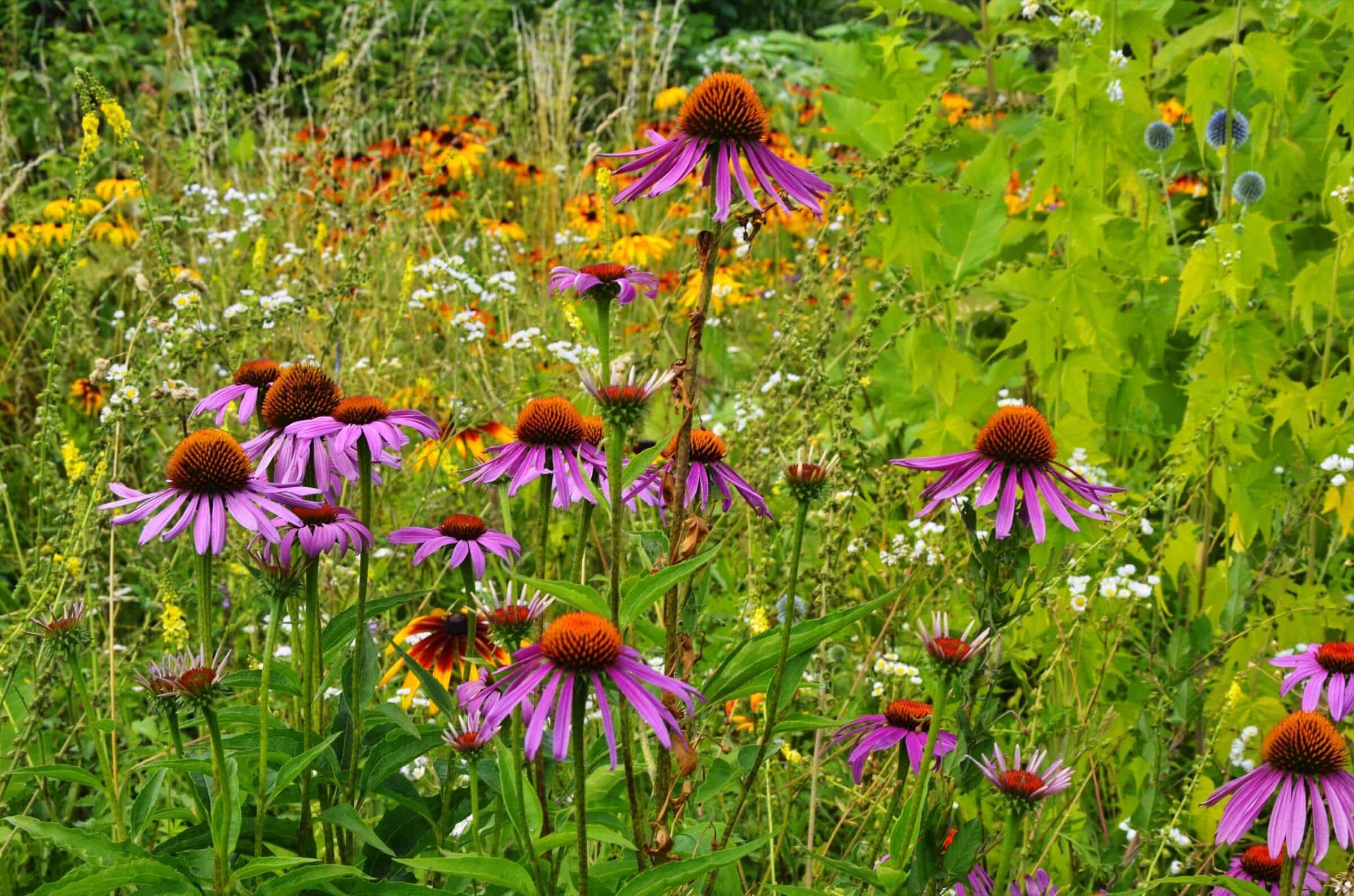
Tips for Bee Friendly Garden: Creating a Buzz in Your Backyard
The Buzz About This Post
- Key Takeaways
- Table of Contents
- What Is a Bee-Friendly Garden?
- Which Plants Are Best for a Bee-Friendly Garden?
- How Can Gardeners Reduce Pesticide Risk to Bees?
- Where Do Bees Nest in a Garden?
- Do Bees Need a Water Source in the Garden?
- How Should Flowers Be Arranged for Bees?
- How Can You Improve a Bee Garden From Year to Year?
- Frequently Asked Questions: What Should Gardeners Know?
- What makes a garden bee-friendly?
- Are native plants always better for bees?
- When should a pollinator garden have flowers blooming?
- Do all bees live in hives?
- Should I leave bare ground for bees?
- Are bee hotels necessary?
- Are organic pesticides safe for bees?
- Should flowers be planted individually or in groups?
- Do bees need a water source?
- How can I tell whether my bee garden is working?
- Sources & Further Reading
- FAQs
How to Create a Bee-Friendly Garden: Plants, Nesting Habitat, Water & Pollinator-Safe Practices
Creating a bee-friendly garden is about more than planting colorful flowers. A useful pollinator habitat provides reliable food, appropriate nesting or shelter opportunities, access to water, and protection from unnecessary pesticide exposure throughout the growing season.
Bee-friendly gardening is not limited to keeping honey bees. Honey bees are social bees that live in colonies, while many native bees have very different life cycles and nesting habits. Some native bees excavate nests in soil, while others use hollow stems, pithy stems, dead wood, or existing cavities. A garden designed for pollinators should therefore consider more than flowers alone.
The goal is not to make every square foot of a yard look wild or unmanaged. Gardeners can combine attractive landscaping with useful pollinator resources by choosing appropriate plants, maintaining overlapping bloom periods, preserving selected nesting areas, reducing unnecessary pesticide treatments, and observing which features bees actually use.
What Is a Bee-Friendly Garden?
Bee-friendly gardens support local bees with diverse flowers, nesting habitat, water, and reduced pesticide exposure across spring, summer, and fall.
- A bee-friendly garden supports feeding as well as nesting and shelter.
- Honey bees and native bees do not have identical habitat requirements.
- Nectar provides carbohydrates, while pollen supplies important nutrients used by bees.
- Garden value depends on resource availability over time, not simply the number of flowers present.
- Even a small garden can contribute useful forage or habitat when appropriate plants and features are chosen.
A pollinator garden should function as habitat rather than simply as a collection of colorful flowers. Guidance from the USDA Natural Resources Conservation Service evaluates pollinator landscapes using factors such as forage availability, nesting and overwintering habitat, pesticide practices, and conservation actions. The Xerces Society likewise emphasizes flowers, shelter, nesting sites, and protection from pesticides. [1] [5]
These distinctions matter because a garden can contain many blossoms and still have habitat gaps. A landscape might provide excellent summer flowers but very little early-spring forage. Another garden may offer abundant nectar while providing almost no accessible soil or stems for nesting native bees. Looking at the entire habitat makes it easier to find and correct those weak points.
Which Plants Are Best for a Bee-Friendly Garden?
Choose diverse, regionally appropriate flowers that bloom from spring through fall, with native plants forming the backbone of a bee-friendly garden.
- Select plants appropriate for your climate, soil, moisture, and sunlight.
- Include several plant species rather than relying on one flowering variety.
- Plan for early-, mid-, and late-season bloom periods.
- Native plants can provide food and habitat relationships used by regional pollinators.
- Trees, shrubs, herbs, annuals, and perennials can all contribute floral resources.
- Flower accessibility matters as well as flower appearance.
Continuous bloom is usually more useful to pollinators than a spectacular display that lasts for only a short period. A garden containing several plants with overlapping flowering periods can continue providing resources after one species finishes blooming. USDA and NRCS pollinator guidance encourages a diversity of flowering plants and season-long succession of blooms. [1] [2]
Native plants deserve special attention because they developed within regional ecosystems and can have important relationships with local pollinators. That does not mean every nonnative garden plant must be removed. When nonnative plants are used, gardeners can favor noninvasive varieties that provide accessible pollen or nectar and are appropriate for the site.
A Simple Bloom-Season Planning Table
| Garden Period | Primary Goal | Planting Approach |
|---|---|---|
| Early spring | Supply forage when relatively few plants are flowering. | Include early-flowering trees, shrubs, bulbs, and native perennials suited to your region. |
| Late spring | Expand floral diversity. | Combine several compatible flowering species rather than depending on a single plant. |
| Summer | Maintain reliable forage during periods of high pollinator activity. | Use overlapping bloom periods so one group begins flowering as another declines. |
| Late summer | Prevent a seasonal forage gap. | Include plants that begin blooming as early-summer flowers finish. |
| Fall | Extend available floral resources. | Include regionally appropriate late-blooming species such as asters or goldenrods where suitable. |
How Can Gardeners Reduce Pesticide Risk to Bees?
Use integrated pest management and careful timing, applying label-directed pesticide treatments only when needed to reduce exposure for visiting bees.
- Integrated pest management begins with identifying and monitoring the actual pest problem.
- Not every insect found in a garden requires control.
- Nonchemical prevention and physical controls should be considered when practical.
- “Natural” or “organic” does not automatically mean harmless to bees.
- Always follow pesticide label restrictions and application directions.
- Avoid exposing actively foraging bees whenever the product label and treatment situation allow.
Integrated pest management, commonly called IPM, uses monitoring, prevention, biological controls, physical controls, cultural practices, and appropriately selected treatments instead of automatically spraying whenever an insect appears. Before treating a garden, identify whether the organism is actually causing unacceptable damage and whether a nonchemical approach can reasonably solve the problem.
The U.S. Environmental Protection Agency maintains pollinator-protection guidance because pesticide exposure is one of the factors that can affect pollinator health. EPA risk assessments and pesticide labels are important sources for determining how registered products should be used. [3] [4]
Gardeners can also reduce treatment needs by selecting healthy plants for the site, maintaining appropriate soil and irrigation conditions, physically removing isolated pests when practical, and encouraging beneficial organisms. The purpose of IPM is not to ignore damaging pests; it is to make treatment decisions more deliberately.
Where Do Bees Nest in a Garden?
Support native bees by leaving some bare soil, standing stems, dead wood, and sheltered cavities where different species can nest or overwinter.
- Many native bee species excavate nests in the ground.
- Other native bees use existing cavities or hollow and pithy plant stems.
- Thick mulch or landscape fabric can reduce accessible soil for ground-nesting bees.
- Dead stems and suitable woody material can provide habitat for cavity-nesting species.
- Bumble bees may use protected cavities, including abandoned underground burrows.
- Artificial bee hotels require appropriate construction, placement, and maintenance.
Nesting habitat is one of the clearest differences between a decorative flower bed and more complete pollinator habitat. According to the Xerces Society, about 70 percent of native bee species are ground nesting, while about 30 percent use cavities. Ground-nesting bees need access to suitable soil, while cavity-nesting species may use beetle holes in dead wood, hollow stems, pithy stems, or appropriate artificial nesting structures. [5]
The 70 percent figure describes native bee species and should not be interpreted to mean that 70 percent of every garden's individual bees live underground. Local nesting activity depends on bee species, soil conditions, vegetation, land management, climate, and other habitat characteristics.
Gardeners do not need to uncover an entire yard. Even selected areas of accessible soil can add habitat where conditions are appropriate. Heavy mulch, dense turf, pavement, and landscape fabric can limit access for ground nesters. In other areas, retaining appropriate dead wood or leaving selected perennial stems standing can provide additional nesting or overwintering opportunities. [6]
Bee hotels can be useful for some cavity-nesting bees, but they are not a requirement for a bee-friendly garden. Natural stems and woody features can also provide nesting opportunities. Any artificial nesting structure should be designed and maintained carefully rather than installed and forgotten.
Do Bees Need a Water Source in the Garden?
Provide bees with shallow, reliable water and safe landing surfaces, especially during hot, dry periods when natural water sources may be limited.
- Bees require access to water as part of their environment.
- A garden does not require a large pond to provide water.
- Shallow dishes, birdbaths, or other suitable features can offer drinking opportunities.
- Stones or other landing surfaces can make shallow water features easier for insects to use.
- Water containers should be maintained rather than allowed to become stagnant or unsanitary.
Water is especially noticeable as a honey bee resource because colonies collect water and use it for functions that include regulating conditions inside the hive. Other insects also use damp soil, droplets, shallow water, and other moisture sources. A garden does not need an elaborate pond or fountain to add water as a habitat feature.
NRCS pollinator habitat guidance includes water features such as birdbaths with stones that help prevent insects from drowning. [1] A shallow dish or birdbath can therefore be useful when it is kept clean and maintained responsibly.
Placement also matters. A water feature should be convenient to maintain so it can be cleaned regularly. Standing water should be managed appropriately for local mosquito-control concerns. The goal is to provide a reliable resource without creating a separate maintenance problem.
How Should Flowers Be Arranged for Bees?
Plant flowers in visible clusters, include different flower shapes and heights, and favor accessible blooms that provide useful nectar and pollen.
- Planting several specimens together can create a larger, easier-to-find floral patch.
- Different bee species differ in body size and tongue length.
- Flower structure can affect how easily pollen or nectar can be reached.
- A visually complex garden can still use repeated patches of the same plant.
- Highly modified double flowers may provide less accessible pollen or nectar than useful single-flowered alternatives.
An attractive pollinator garden does not need to look disorganized. Gardeners can repeat groups of compatible flowering plants throughout the landscape, creating noticeable patches while maintaining an intentional design. Grouping flowers can concentrate resources instead of scattering individual plants across a large area.
Flower structure deserves as much attention as color. Different bees have different body sizes, tongue lengths, and foraging behaviors, so one flower form will not serve every species equally well. A mixture of flower shapes can increase the number of pollinators able to use the planting.
Highly modified flowers also deserve scrutiny. Some doubled or heavily bred ornamental varieties can offer less accessible pollen or nectar than productive alternatives. Rather than selecting plants based on appearance alone, consider whether the flower actually provides a usable reward. NRCS guidance specifically recommends replacing landscaping with little wildlife value with more diverse, pollinator-supporting plantings when practical. [1]
Bee-Friendly Garden Design Checklist
- ✓ Include flowers for early, middle, and late portions of the growing season.
- ✓ Include regionally appropriate native plants where practical.
- ✓ Plant useful flowering species in noticeable groups or patches.
- ✓ Maintain some accessible soil for ground-nesting native bees where conditions permit.
- ✓ Leave selected hollow or pithy stems and appropriate woody habitat.
- ✓ Provide a manageable water source.
- ✓ Reduce unnecessary pesticide applications.
- ✓ Read and follow all pesticide labels.
- ✓ Record which plants receive bee visits and when.
- ✓ Adjust future plantings to address observed bloom or habitat gaps.
How Can You Improve a Bee Garden From Year to Year?
Track bloom gaps, bee activity, nesting use, and pest pressure so your garden can become more useful to pollinators each growing season.
- Record when each major plant begins and ends flowering.
- Note periods when few useful flowers are available.
- Photograph unfamiliar bees rather than assuming every visitor is a honey bee.
- Observe accessible soil, stems, and other potential nesting habitat.
- Record pest problems before deciding whether treatment is necessary.
- Use local observations to guide the following year's planting choices.
A simple garden journal can turn broad pollinator recommendations into evidence specific to your property. Record first bloom, peak bloom, and the end of flowering for major plants. Note which flowers receive bee visits, whether nesting activity is visible, and when the landscape seems to have very few blooms available.
These observations become more useful over several seasons. You may learn, for example, that your garden is rich in flowers during June but has very little available during early spring or late summer. That information can guide future plant purchases much more effectively than simply adding another plant that flowers during an already abundant period.
Photographs can also help. Rather than assuming every bee-shaped visitor is a honey bee, document unfamiliar insects and use reliable identification resources when possible. Native bees vary widely in appearance, size, nesting behavior, and floral preferences.
Gardeners can also compare notes with local beekeepers, Extension educators, native-plant specialists, and knowledgeable gardeners. Experienced beekeepers can provide useful observations about honey bee forage, while native-bee specialists can help clarify habitat needs that differ from those of managed honey bee colonies.
Creating a bee-friendly garden does not require transforming an entire property at once. Start by identifying the resources already present and then improve the weakest area. That might mean adding early-blooming plants, filling a late-season floral gap, leaving selected stems through winter, maintaining a small area of accessible soil, improving a water source, or reducing an unnecessary pesticide application.
The most useful garden is not necessarily the largest or the most colorful. It is a garden that provides appropriate resources when pollinators need them and improves as the gardener learns what works locally.
Frequently Asked Questions: What Should Gardeners Know?
What makes a garden bee-friendly?
A bee-friendly garden provides useful flowers, nesting or shelter habitat, water, and protection from unnecessary pesticide exposure.
Are native plants always better for bees?
Regionally appropriate native plants can be especially valuable, but a diverse garden can also include suitable nonnative plants that provide accessible pollen or nectar.
When should a pollinator garden have flowers blooming?
Aim to provide overlapping flowering plants from early spring through fall, adjusted for the growing season in your region.
Do all bees live in hives?
No. Honey bees live in social colonies, while many native bees are solitary and nest individually in soil, stems, wood cavities, or other sheltered locations.
Should I leave bare ground for bees?
Some accessible, stable soil can provide nesting opportunities for ground-nesting native bee species, especially where heavy mulch or landscape fabric would otherwise cover the soil.
Are bee hotels necessary?
No. Bee hotels can support some cavity-nesting bees, but natural stems, dead wood, accessible soil, and other habitat features can also provide nesting opportunities.
Are organic pesticides safe for bees?
Not automatically. Bee risk depends on the active ingredient, formulation, dose, exposure, application timing, and label directions rather than the word “organic.”
Should flowers be planted individually or in groups?
Groups or patches of the same flowering species can create more noticeable and concentrated forage resources for visiting pollinators.
Do bees need a water source?
Providing a manageable shallow water source can add another useful resource, particularly when natural water is limited.
How can I tell whether my bee garden is working?
Record bloom periods, bee visits, nesting observations, plant performance, and seasonal gaps, then use those observations to improve future plantings.
Sources & Further Reading
The following authoritative resources provide additional detail on pollinator habitat, nesting, pesticide protection, and garden management.
- Habitat Assessment Guide for Pollinators in Yards, Gardens, and Parks — USDA Natural Resources Conservation Service and Xerces Society. Covers season-long forage, native plants, nesting habitat, pesticide reduction, dead stems, accessible soil, and water features.
- Gardening for Pollinators — U.S. Forest Service. Provides pollinator-gardening guidance covering plant diversity, flowering periods, habitat, and garden management.
- Protecting Bees and Other Pollinators from Pesticides — U.S. Environmental Protection Agency.
- Tools and Strategies for Pollinator Protection — U.S. Environmental Protection Agency.
- Nesting Resources — Xerces Society for Invertebrate Conservation.
- Bring Back the Pollinators: Provide Nest Sites — Xerces Society for Invertebrate Conservation.
FAQs
What makes a garden bee-friendly?
A bee-friendly garden provides useful flowers, nesting or shelter habitat, water, and protection from unnecessary pesticide exposure.
Are native plants always better for bees?
Regionally appropriate native plants can be especially valuable, but a diverse garden can also include suitable nonnative plants that provide accessible pollen or nectar.
When should a pollinator garden have flowers blooming?
Aim to provide overlapping flowering plants from early spring through fall, adjusted for the growing season in your region.
Do all bees live in hives?
No. Honey bees live in social colonies, while many native bees are solitary and nest individually in soil, stems, wood cavities, or other sheltered locations.
Should I leave bare ground for bees?
Some accessible, stable soil can provide nesting opportunities for ground-nesting native bee species, especially where heavy mulch or landscape fabric would otherwise cover the soil.
Are bee hotels necessary?
No. Bee hotels can support some cavity-nesting bees, but natural stems, dead wood, accessible soil, and other habitat features can also provide nesting opportunities.
Are organic pesticides safe for bees?
Not automatically. Bee risk depends on the active ingredient, formulation, dose, exposure, application timing, and label directions rather than the word “organic.”
Should flowers be planted individually or in groups?
Groups or patches of the same flowering species can create more noticeable and concentrated forage resources for visiting pollinators.
Do bees need a water source?
Providing a manageable shallow water source can add another useful resource, particularly when natural water is limited.
How can I tell whether my bee garden is working?
Record bloom periods, bee visits, nesting observations, plant performance, and seasonal gaps, then use those observations to improve future plantings.