Welcome to Lappe's Bee Supply's blogs section. We are a trusted beekeeping company in the USA. We give relevant insights, seasonal guidance, and professional advice for beekeepers of all experience levels. From hive management and bee wellness to honey production and equipment guides, we have it all that you will require to thrive. Get updated, motivated, and connected with the beekeeping community through regular news from Lappe's Bee Supply.
Types of Honey: Flavor, Uses, Benefits, and Storage Guide
The Buzz About This Post
- What should you know before choosing honey?
- What exactly is honey?
- How do floral sources create different honey types?
- What are the main types of honey for sale?
- How do honey varieties compare by flavor, color, and use?
- How do you choose the right honey?
- What do raw, pure, filtered, and creamed honey mean?
- What health benefits and safety limits should buyers know?
- How should honey be stored?
- What questions do buyers ask most often about honey?
- Which sources support this honey guide?
- FAQs
Types of Honey: Flavor, Uses, Benefits, and Storage Guide
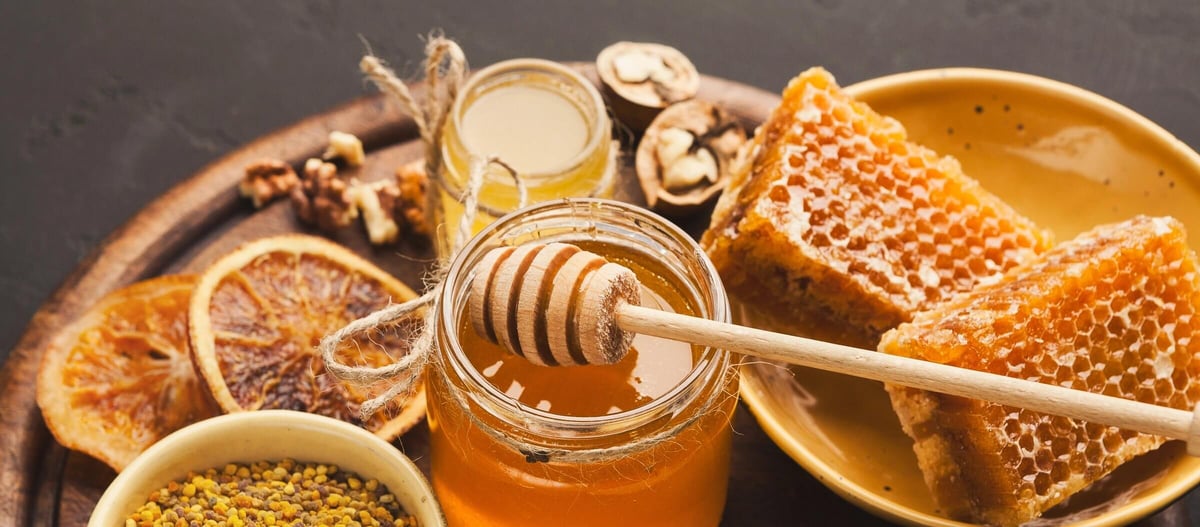
Honey is more than a sweetener. It is a bee-made food shaped by flowers, geography, weather, season, handling, and storage. This guide explains the main types of honey, how to choose the right jar, what health claims deserve caution, and how to keep honey tasting its best.
What should you know before choosing honey?
Honey varies by flower source, region, color, texture, and handling, so the best choice depends on taste, recipe, and label clarity.
- Honey is a natural sweet substance made by honey bees from nectar or plant secretions.
- Floral source is the main reason honeys differ in flavor, aroma, color, and finish.
- Lighter honey is often milder, while darker honey is often stronger, but color alone is not a quality grade.
- Raw, filtered, pure, and creamed describe processing or texture, not automatic health value.
- Honey is mostly carbohydrate and sugar, so it should be used as a sweetener.
- Children younger than 12 months should not eat honey because of infant botulism risk.
What exactly is honey?
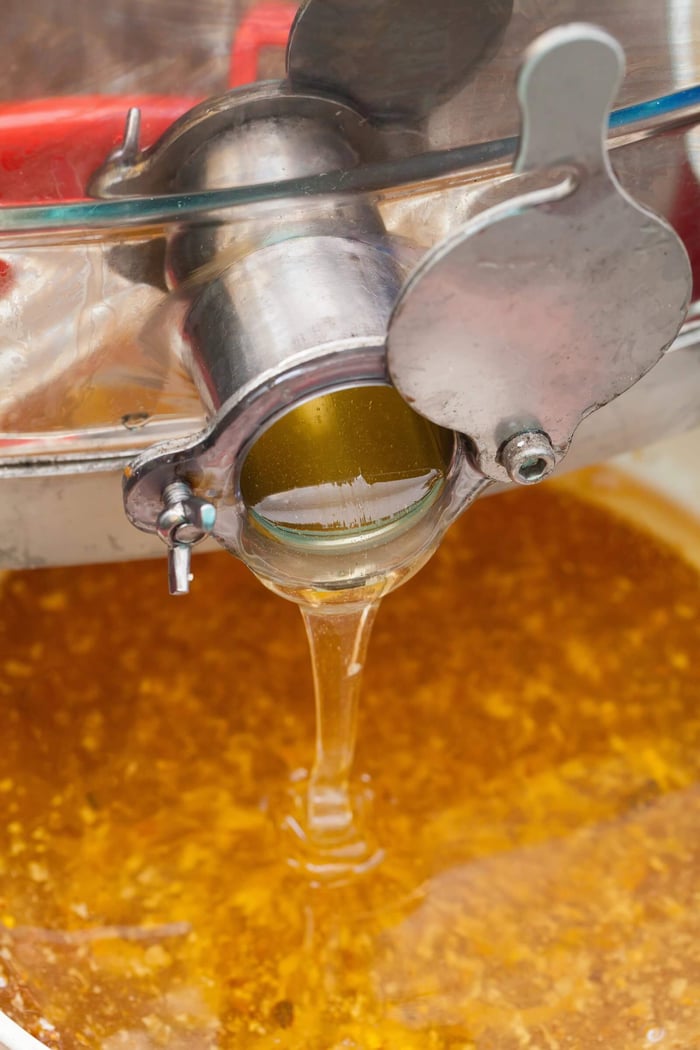
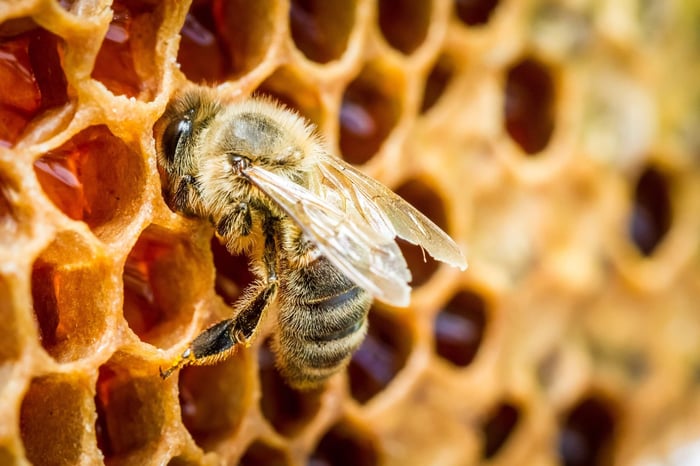
Honey is nectar or plant secretion transformed by honey bees, dehydrated in the hive, and stored in beeswax comb.
- Honey begins with nectar or saccharine plant exudations collected by honey bees.
- Bees modify and store honey in comb, where moisture is reduced and flavor develops.
- True honey is not the same as syrup blended with added sweeteners.
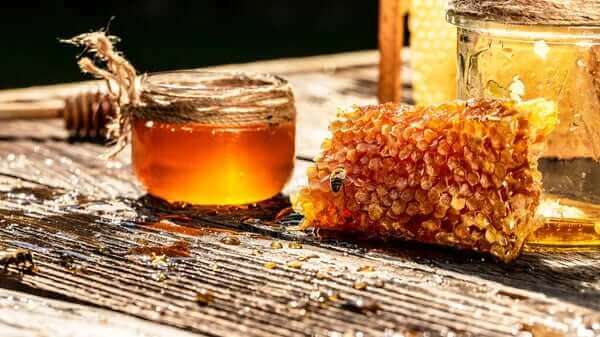
- Honey can be liquid, viscous, partly crystallized, fully crystallized, or comb honey.
The definition matters because it keeps the conversation clear for shoppers, search engines, and AI answer systems. Under U.S. regulatory language, honey means the nectar and saccharine exudations of plants gathered, modified, and stored in the comb by honey bees. Codex Alimentarius also defines honey as a natural sweet substance made by honey bees from plant nectar, plant secretions, or related plant-source materials that bees transform and store in honeycombs. 12
That process explains why honey feels alive as a pantry ingredient. A jar of clover honey, wildflower honey, buckwheat honey, or orange blossom honey is not just sugar with a different label. Each jar carries a record of the flowers available to the bees, the timing of the harvest, the local climate, and the way the honey was handled after extraction.
How do floral sources create different honey types?
Honey types differ because bees visit different flowers, and each nectar source changes the honey’s color, aroma, sweetness, and finish.
- Varietal honey is usually named for a dominant floral source.
- Wildflower honey is polyfloral, meaning it comes from multiple flower sources.
- Season, region, weather, and bloom timing can change flavor from year to year.
- More than 300 unique honey types are reported in the United States alone.
A useful way to think about honey is to compare it with apples, coffee, or wine. One apple is sweet and crisp, another is tart and dense. Honey works the same way. Clover honey is typically gentle and familiar. Buckwheat honey is darker, stronger, and more molasses-like. Orange blossom honey can carry a soft citrus aroma. Lavender honey may taste floral and herbal. The National Honey Board notes that honey color, flavor, and aroma differ depending on the nectar source visited by bees, with shades ranging from nearly colorless to dark brown. Purdue Extension also notes that more than 300 unique honey types are produced in the United States, each shaped by the flowers bees visit. 97
This is also why two jars with the same variety name may not taste identical. Bees forage where flowers are available, so a wildflower honey from Iowa can differ from a wildflower honey from the mountains, the coast, or a dry prairie. Good honey buying starts with curiosity: look at the floral source, ask about harvest timing, and taste when possible.
What are the main types of honey for sale?
The most common honey types include wildflower, clover, mānuka, acacia-style, buckwheat, sage, eucalyptus, chestnut, orange blossom, and lavender.
- Wildflower honey is flexible because its flavor changes with local bloom mix.
- Clover honey is popular because it is mild, sweet, and easy to use every day.
- Buckwheat and chestnut honeys work best when a recipe needs stronger flavor.
- Specialty honeys should be bought from sellers that explain source and handling clearly.
Wildflower honey is also called polyfloral honey because it can come from many flowers blooming in the same area. It is often gentle, floral, and balanced, though some batches can be darker or more herbal. Wildflower honey is excellent on oatmeal, yogurt, pancakes, biscuits, roasted carrots, and vinaigrettes. It is also a practical choice for creamed honey because its flavor usually stays friendly and familiar.
Clover honey is one of the most widely recognized everyday honeys. It is typically light in color with a clean sweetness that works in tea, coffee, smoothies, sauces, and baked goods. Clover honey is a good choice when you want honey flavor without overpowering the rest of the recipe.
Mānuka honey is produced from bees collecting nectar from the mānuka plant, Leptospermum scoparium. It is usually darker, earthier, and more robust than mild table honeys. Because mānuka honey is a high-value specialty product, authenticity matters. New Zealand’s Ministry for Primary Industries uses a scientific definition and testing system for exported New Zealand mānuka honey, so buyers should look for clear testing and origin information rather than relying on vague premium claims.8
Acacia-style honey in North America often refers to honey from black locust, sometimes called false acacia. It is usually pale, mild, and delicate. It is especially useful in herbal tea, fruit bowls, and desserts where a heavy honey would distract from subtle flavors.
Buckwheat honey is dark, bold, and often compared with molasses, malt, or caramel. It belongs in barbecue sauce, spice cakes, rye bread, marinades, baked beans, and other foods that can handle a deep finish. Sage honey is typically mild and herbal. Eucalyptus honey can be woodsy or menthol-like, depending on species and region. Chestnut honey is earthy and sometimes slightly bitter, making it a strong match for cheeses and rustic bread. Orange blossom honey is fragrant and lightly fruity. Lavender honey is floral, aromatic, and best used where that perfume-like note is welcome.
How do honey varieties compare by flavor, color, and use?
Choose mild honeys for drinks and delicate foods, and choose darker, stronger honeys for sauces, glazes, breads, and bold recipes.
The table below is a practical buying guide, not a legal classification. Flavor notes are typical, but honey changes by region, season, and bloom. USDA grade standards evaluate extracted honey for quality factors; they do not prove a floral source or a health effect. 4
| Honey type | Typical flavor | Typical color | Best uses | Buyer note |
|---|---|---|---|---|
| Wildflower | Floral, balanced, seasonal | Light gold to amber | Oatmeal, yogurt, pancakes, dressings, marinades | Best described as polyfloral unless one dominant source is verified. |
| Clover | Mild, clean, familiar sweetness | Light gold | Tea, coffee, smoothies, baking | A strong everyday choice when honey should not dominate. |
| Mānuka | Earthy, robust, sometimes medicinal-tasting | Amber to dark brown | Tea, premium gifting, specialty use | Look for origin and authenticity testing rather than vague premium language. |
| Acacia-style | Delicate, mild, lightly floral | Very light to pale gold | Herbal tea, fruit, soft cheeses | In North America, the name often refers to black locust or false acacia. |
| Buckwheat | Dark, malty, molasses-like | Dark amber to brown | Barbecue sauce, rye bread, robust baking | Best when depth matters more than delicate sweetness. |
| Sage | Mild, herbal, softly floral | Light to amber | Cheese, yogurt, herbal tea | Specific slow-crystallization claims should be tied to supplier or batch data. |
| Eucalyptus | Herbal, woodsy, sometimes menthol-like | Amber to dark amber | Tea, meat glazes, savory sauces | Flavor varies widely by eucalyptus species and growing region. |
| Chestnut | Earthy, tannic, slightly bitter | Amber to dark brown | Cheese boards, breads, pastries | A complex honey for people who like less delicate flavors. |
| Orange blossom | Light, fruity, fragrant | Pale gold to light amber | Pancakes, yogurt, vinaigrettes, desserts | Use when a soft citrus aroma improves the dish. |
| Lavender | Floral, aromatic, lightly herbal | Pale gold to amber | Tea, cheese, shortbread, desserts | Use sparingly when floral notes should stand out. |
How do you choose the right honey?
Match honey to the job: delicate varieties sweeten drinks, while darker honeys add body to recipes, glazes, and spreads.
- Use mild honey when sweetness should not overpower the food.
- Use darker honey when sauces, glazes, and breads need depth.
- Use creamed honey when spreadability matters more than pourability.
- Use local honey when regional flavor and beekeeper support matter.
Start with the food, not the label. A delicate chamomile tea usually wants clover, acacia-style, or light wildflower honey. A barbecue glaze can handle buckwheat, chestnut, or a darker wildflower honey. A cheese board can be beautiful with lavender, chestnut, or orange blossom honey, depending on whether you want floral, earthy, or bright notes. Purdue Extension describes honey as a flexible ingredient used in drinks, baking, recipes, and different forms such as liquid, whipped, comb, and crystallized honey. 7
- Decide how the honey will be used: tea, baking, glazing, spreading, or bulk sweetening.
- Choose flavor intensity: light honey for gentle sweetness, dark honey for bold flavor.
- Read the label for floral source, origin, processing style, and ingredient statement.
- Choose liquid honey for pouring, comb honey for presentation, or creamed honey for spreading.
- Taste before using a new honey in a large-batch recipe.
- Ask the seller for harvest notes, tasting notes, or batch details when flavor consistency matters.
What do raw, pure, filtered, and creamed honey mean?
Raw, pure, filtered, and creamed describe processing or texture, not automatic proof of floral source, grade, or health value.
- Raw honey generally means honey has not been highly heated or finely filtered.
- Pure honey should not include added sweeteners or syrup blends.
- Filtered honey has fine particles, pollen grains, or air bubbles removed.
- Creamed honey is controlled crystallization that creates a smooth spread.
Label language can be useful, but it can also create confusion. FDA labeling guidance focuses on preventing misleading honey labels, especially when a product contains added sweeteners or is not simply honey.3 Purdue Extension describes raw honey as honey that has not been heated to high temperatures or filtered, filtered honey as honey filtered enough to remove most fine particles, and whipped honey as a spreadable product made by controlling crystallization into fine crystals. 7
Creamed honey is especially user-friendly because it is smooth, spoonable, and easy to spread on toast, biscuits, cornbread, and muffins. It is not dairy-based. The creamy texture comes from controlled crystallization, not milk or cream. If the honey label makes health promises, look for evidence. If the label explains floral source, origin, net weight, and processing style clearly, it is giving buyers the kind of information that actually helps.
What health benefits and safety limits should buyers know?
Honey is a sugar-rich food with limited clinical uses; evidence is strongest for cough relief in children over 12 months.
- Honey is primarily carbohydrate and should be treated as a sweetener.
- Honey is not a cure or a replacement for medical care.
- Cough evidence does not apply to infants younger than 12 months.
- Wound-care research should not be rewritten as advice to apply table honey to wounds.
Honey contains natural compounds that researchers study, but everyday honey still belongs in the sweetener category. USDA FoodData Central lists honey at 304 calories and 82.4 grams of carbohydrate per 100 grams, with essentially no fat.5 That does not make honey “bad.” It means honey should be used with the same practical judgment as other added sweeteners, especially by people managing blood sugar.
The strongest everyday health discussion is cough relief for children older than 12 months. Cochrane reviewed honey for acute cough in children and found that honey may help some cough outcomes compared with no treatment or placebo, but the evidence has limits and should not be stretched into broad medical claims.6 CDC guidance is clear that children younger than 12 months should not eat honey, because honey can cause infant botulism.10
How should honey be stored?
Store honey sealed at room temperature, away from moisture and heat; gentle warming can return crystallized honey to liquid form.
- Keep honey in a tightly sealed container.
- Store honey away from sunlight, excess heat, and moisture.
- Crystallized honey is normal and not automatically spoiled.
- Warm water can dissolve crystals without harsh heating.
Honey stores well because it has low moisture and high sugar concentration, but storage still matters. Keep the lid tight, use clean dry utensils, and avoid leaving the jar near a sunny window, hot stove, or damp sink. Glass jars are practical because they do not hold odors the way some plastics can, and they work well for gentle warming.
Crystallization is one of the most misunderstood honey traits. Purdue Extension describes naturally crystallized honey as a semi-solid form that can be returned to liquid by placing the jar in warm water and stirring until crystals dissolve.7 Do not boil the jar or microwave honey aggressively. Gentle warming protects flavor and texture better than high heat.
What questions do buyers ask most often about honey?
Buyers usually want to know what honey is, why varieties taste different, which honey fits each use, and how to store it safely.
What is honey made from?
Honey is made from nectar or plant secretions gathered and transformed by honey bees. Bees dehydrate and store honey in comb until it ripens.
Why do honey types taste different?
Honey types taste different because bees collect nectar from different flowers. Floral source, location, season, and handling all affect flavor.
Which honey is best for tea?
Mild honeys such as clover, acacia-style, or light wildflower honey are usually best for tea. Strong dark honeys can overpower delicate teas.
Which honey is best for baking?
Clover and wildflower honey work well for general baking. Buckwheat or chestnut honey is better when a recipe needs a darker, stronger flavor.
Is raw honey better than regular honey?
Raw honey describes processing, not a guaranteed health benefit. Choose raw honey for flavor and minimal processing, not as a cure-all.
Is crystallized honey spoiled?
Crystallized honey is not spoiled when properly stored. Warm the jar gently in water and stir until the crystals dissolve.
Can babies have honey?
No. Children younger than 12 months should not eat honey because of infant botulism risk.
Does honey help with coughs?
Honey may help some children older than 12 months with acute cough symptoms. Honey should not be used for infants or as a substitute for medical care.
What is creamed honey?
Creamed honey is honey with controlled fine crystallization that creates a smooth, spreadable texture. It does not contain dairy.
How should honey be stored?
Store honey in a sealed container away from moisture, sunlight, and excess heat. Use clean, dry utensils to protect quality.
Which sources support this honey guide?
This guide uses regulatory definitions, food-labeling guidance, nutrition data, extension education, food standards, and clinical evidence reviews.
- 7 CFR § 1212.9 — Honey, Legal Information Institute / Cornell Law School
- Standard for Honey CXS 12-1981, Codex Alimentarius Commission
- Guidance for Industry: Proper Labeling of Honey and Honey Products, U.S. Food and Drug Administration
- Extracted Honey Grades and Standards, USDA Agricultural Marketing Service
- FoodData Central: Honey, FDC ID 169640, USDA Agricultural Research Service
- Honey for Acute Cough in Children, Cochrane
- Honey — FoodLink, Purdue Extension
- Ensuring Mānuka Honey Is Authentic, New Zealand Ministry for Primary Industries
- Honey Floral Source Guide, National Honey Board Fact Sheet
- Foods and Drinks to Avoid or Limit: Honey Before 12 Months, Centers for Disease Control and Prevention
Editorial note: This page avoids unsupported disease-treatment claims. It explains the types of honey as a food, sweetener, and culinary ingredient while separating table honey from medical-grade honey products and clinical use cases.
FAQs
What is honey made from?
Honey is made from nectar or plant secretions gathered and transformed by honey bees. Bees dehydrate and store honey in comb until it ripens.
Why do honey types taste different?
Honey types taste different because bees collect nectar from different flowers. Floral source, location, season, and handling all affect flavor.
Which honey is best for tea?
Mild honeys such as clover, acacia-style, or light wildflower honey are usually best for tea. Strong dark honeys can overpower delicate teas.
Which honey is best for baking?
Clover and wildflower honey work well for general baking. Buckwheat or chestnut honey is better when a recipe needs a darker, stronger flavor.
Is raw honey better than regular honey?
Raw honey describes processing, not a guaranteed health benefit. Choose raw honey for flavor and minimal processing, not as a cure-all.
Is crystallized honey spoiled?
Crystallized honey is not spoiled when properly stored. Warm the jar gently in water and stir until the crystals dissolve.
Can babies have honey?
No. Children younger than 12 months should not eat honey because of infant botulism risk.
Does honey help with coughs?
Honey may help some children older than 12 months with acute cough symptoms. Honey should not be used for infants or as a substitute for medical care.
What is creamed honey?
Creamed honey is honey with controlled fine crystallization that creates a smooth, spreadable texture. It does not contain dairy.
How should honey be stored?
Store honey in a sealed container away from moisture, sunlight, and excess heat. Use clean, dry utensils to protect quality.