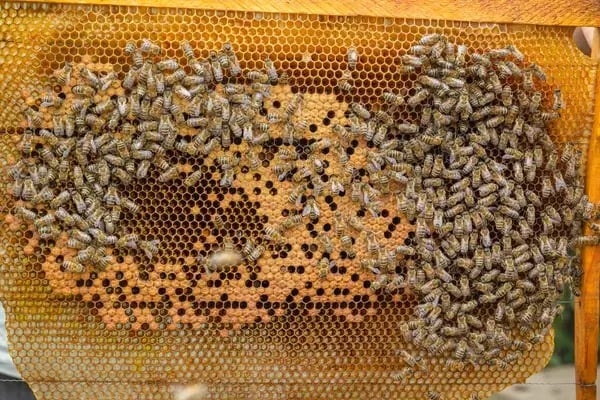
Welcome to Lappe's Bee Supply's blogs section. We are a trusted beekeeping company in the USA. We give relevant insights, seasonal guidance, and professional advice for beekeepers of all experience levels. From hive management and bee wellness to honey production and equipment guides, we have it all that you will require to thrive. Get updated, motivated, and connected with the beekeeping community through regular news from Lappe's Bee Supply.
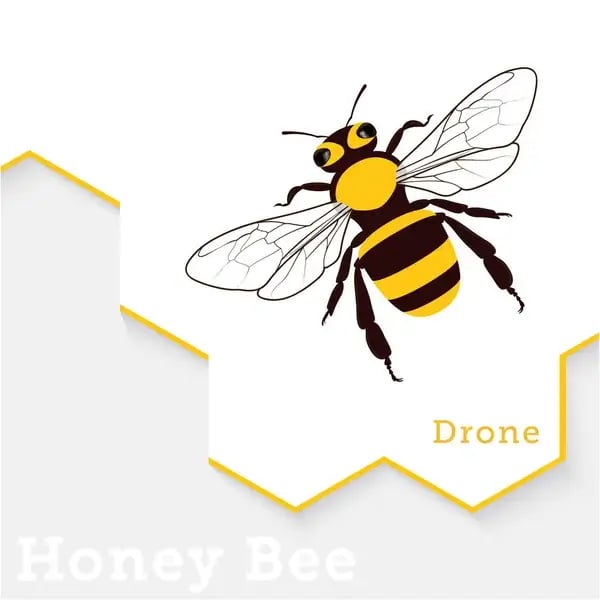
The Remarkable Life of Drone Honey Bees
The Buzz About This Post
- What Is a Drone Honey Bee?
- How Are Drone Honey Bees Produced?
- What Do Drone Honey Bees Look Like?
- What Do Drone Honey Bees Do Inside the Hive?
- How Do Drone Honey Bees Mate With Queens?
- Why Is Genetic Diversity Important for Honey Bee Colonies?
- Why Are Drones Removed From the Hive Before Winter?
- What Threats Affect Drone Honey Bees and Colony Reproduction?
- How Do Drone Bees Compare to Worker Bees?
- Why Should Beekeepers Pay Attention to Drones?
- What is a drone honey bee?
- Do drone bees make honey?
- Can drone bees sting?
- How long does it take a drone bee to develop?
- Why are drone bees bigger than worker bees?
- Do drones come from fertilized eggs?
- What happens to drones after they mate?
- Why do worker bees remove drones before winter?
- Are drones important to honey bee colonies?
- Should beekeepers worry if they see drones?
- FAQs
Drone Honey Bees Explained: Their Role, Life Cycle, Mating Purpose, and Importance in the Hive
Author: Lappe's Bee Supply Editorial Team | Last Updated: June 2026
Editorial note: This guide is written for beekeepers, new hive owners, and honey bee enthusiasts who want a clear, accurate explanation of drone honey bees. Biological claims are supported by university extension resources, USDA research, and peer-reviewed honey bee studies listed in the sources section.
Key Takeaways About Drone Honey Bees
- Drone honey bees are male bees whose primary role is mating with virgin queens.
- Drones develop from unfertilized eggs through the honey bee reproductive system known as haplodiploidy.
- Drones do not forage, make honey, raise brood, build comb, or defend the hive.
- A queen mates with multiple drones, which increases genetic diversity inside future colonies.
- Worker bees commonly remove drones before winter because drones consume resources during a season when mating is not useful.
- Healthy drones matter because poor drone quality can affect queen mating success and long-term colony strength.
What Is a Drone Honey Bee?
Drone honey bees are male bees that exist primarily to mate with virgin queens and contribute genetic diversity to future generations.
- Drones are the male caste in a honey bee colony.
- Drones are larger and rounder than worker bees.
- Drones do not have stingers.
- Drones do not collect nectar, pollen, water, or propolis.
- The main biological purpose of a drone is reproduction.
When most people picture a honey bee colony, they usually imagine worker bees flying in and out of the hive, collecting nectar, guarding the entrance, tending brood, and building wax comb. Drones are different. A drone honey bee is a male bee with a much narrower role in colony life. He does not gather food, nurse larvae, make wax, or defend the hive. Instead, his body and behavior are specialized for one major purpose: mating with a virgin queen from another colony.
This does not make drones unimportant. In fact, drones are essential to the long-term survival of honey bee populations. Without healthy drones, queens cannot mate properly, colonies cannot reproduce successfully, and future generations may lose genetic diversity. A drone may seem less active inside the hive than a worker bee, but his reproductive role supports the broader health of honey bees across an apiary and surrounding landscape.
How Are Drone Honey Bees Produced?
Drone honey bees develop from unfertilized eggs, making them genetically unique males produced through honey bees' haplodiploid system.
- Drones develop from unfertilized eggs.
- Worker bees and queens develop from fertilized eggs.
- Drones are haploid, meaning they carry one set of chromosomes.
- Drone development usually takes about 24 days from egg to adult.
- Drone brood is usually raised in larger cells than worker brood.
Honey bees reproduce through a system called haplodiploidy. In simple terms, fertilized eggs become females, while unfertilized eggs become males. This means a worker bee or queen receives genetic material from both a mother and father, while a drone receives genetic material only from the queen that laid the egg.
This detail matters because it corrects one of the most common misunderstandings about drone bees. Drones do not come from fertilized eggs. They come from unfertilized eggs. The queen can control whether she releases stored sperm as an egg is laid. When no sperm is released, the egg develops into a drone.
Drones typically take longer to develop than workers. A worker bee usually emerges in about 21 days, while a drone usually emerges in about 24 days. During development, drone larvae are fed and maintained by workers. Once the adult drone emerges, workers continue to feed him until he matures enough to take mating flights.
What Do Drone Honey Bees Look Like?
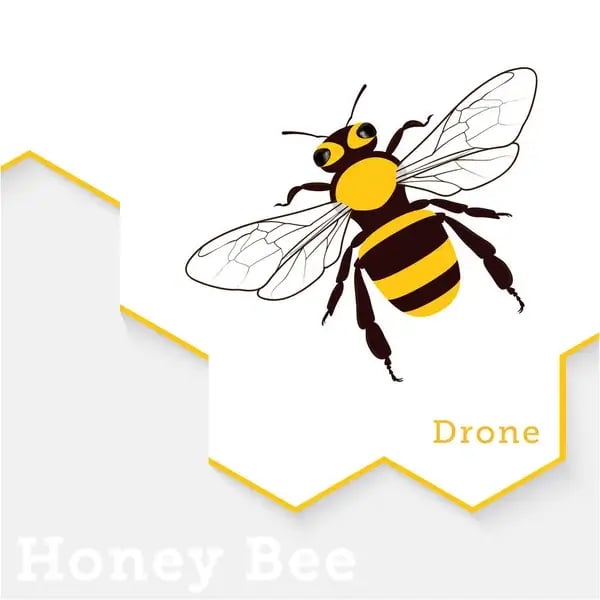
Drone honey bees are broad-bodied male bees with large eyes, rounded abdomens, no stingers, and anatomy built for mating flights.
- Drones have noticeably large eyes that meet near the top of the head.
- Drones have a broader, stockier body than worker bees.
- Drones have rounded abdomens rather than pointed stinging abdomens.
- Drones cannot sting because they lack a stinger.
- Drones are often easier to spot during spring and summer when colonies raise more male bees.
A drone is usually easy to identify once a beekeeper knows what to look for. Compared with workers, drones look heavier, rounder, and more robust. Their eyes are especially noticeable. A drone's large compound eyes help him detect queens in flight, which is critical because honey bee mating happens outside the hive in the air.
Drones also lack the pointed abdomen associated with stinging worker bees. Since a stinger is a modified egg-laying structure, male bees do not have one. This is why drones cannot sting a beekeeper, predator, or rival insect. If you are inspecting a hive and notice a large bee with huge eyes and no stinger, there is a good chance you are looking at a drone.
What Do Drone Honey Bees Do Inside the Hive?
Drone honey bees contribute indirectly by preparing for reproduction, while worker bees provide food and perform colony maintenance tasks.
- Drones rely on workers for feeding and care.
- Drones do not nurse young bees.
- Drones do not draw wax comb.
- Drones do not guard the hive entrance.
- Drones spend much of their adult life maturing for mating flights.
Inside the hive, drones are not task bees in the same way workers are. Worker bees perform age-based jobs such as cleaning cells, feeding larvae, producing wax, handling nectar, guarding the colony, and foraging. Drones do not participate in those duties. Their value is not measured by daily hive labor but by reproductive readiness.
That does not mean drones are completely disconnected from colony life. A colony must be strong enough to raise them, feed them, and support them during the reproductive season. Producing drones requires resources, so a healthy drone population is often a sign that a colony has enough strength and food to invest in reproduction. Beekeepers commonly see more drones during late spring and summer, when weather, forage, and queen mating conditions are more favorable.
Beekeeper note: Seeing some drones in spring and early summer is normal. Seeing excessive drone brood in worker cells, however, can sometimes indicate a failing queen or laying workers and should be evaluated during inspection.
How Do Drone Honey Bees Mate With Queens?
Drones gather in congregation areas where virgin queens mate with multiple males to increase colony genetic diversity and fitness.
- Honey bee mating takes place outside the hive.
- Drones fly to areas called drone congregation areas.
- Virgin queens may mate with many drones during mating flights.
- The queen stores sperm and uses it later to fertilize eggs.
- Drones die shortly after successful mating.
Drone honey bees reach reproductive maturity after emergence and begin taking flights during suitable weather. Rather than waiting inside the hive, mature drones fly to drone congregation areas. These are outdoor mating zones where drones from many colonies gather. Virgin queens also fly to these areas during their mating period.
Queen mating is one of the most important events in the life of a colony. A well-mated queen can store sperm from multiple drones and use it over time to produce fertilized eggs. Those fertilized eggs become workers or future queens. Because a queen mates with multiple drones, her colony can include worker bees from different paternal lines. This creates a wider range of traits within the hive.
The act of mating is fatal for the drone. During successful mating, the drone's reproductive organ is damaged and the drone dies shortly afterward. From a biological perspective, the drone's life has fulfilled its central purpose once mating succeeds.
Why Is Genetic Diversity Important for Honey Bee Colonies?
Genetic diversity improves colony resilience by increasing variation in traits linked to survival, productivity, and disease resistance.
- Multiple-drone mating increases genetic diversity within a colony.
- Genetically diverse colonies may show stronger disease resistance.
- Diversity can improve colony-level performance and adaptability.
- Different genetic lines may support different useful behaviors.
- Healthy drone populations help maintain broader honey bee genetic strength.
Genetic diversity is one reason drones matter so much. A colony with workers from several paternal lines may have a broader range of behaviors and survival traits. Some workers may be better foragers. Others may show stronger hygienic behavior. Some may respond better to disease pressure or environmental stress.
Research has connected honey bee genetic diversity with colony-level benefits, including reduced disease severity and improved resilience. This is why queen mating quality is not just a queen issue. It is also a drone issue. A strong queen needs access to healthy, mature drones from a broad genetic pool. If drone quality is poor or mating opportunities are limited, future colony performance may suffer.
Why Are Drones Removed From the Hive Before Winter?
Worker bees expel drones before winter because drones consume resources while providing little benefit during non-mating seasons.
- Drone removal usually happens in late summer or fall.
- Drones consume honey and require worker attention.
- Colonies must conserve resources for winter survival.
- Mating is not useful during cold months.
- Workers often stop feeding drones before forcing them from the hive.
As summer ends, the colony's priorities change. During spring and summer, drones support reproduction. During fall and winter, survival becomes the main concern. The colony must protect the queen, maintain enough workers to form a winter cluster, and conserve stored honey.
Because drones do not forage, nurse brood, guard the hive, or help regulate the winter cluster in the same way workers do, they become a resource cost during the non-mating season. Worker bees often stop feeding drones and push them out of the hive. Beekeepers call this seasonal behavior drone eviction or the drone purge.
This may look harsh, but it is part of the colony's survival strategy. Honey stores are limited, and winter bees must make those resources last until spring forage returns. Removing drones helps the colony reduce unnecessary food consumption before cold weather.
What Threats Affect Drone Honey Bees and Colony Reproduction?
Environmental stressors can reduce drone quality and mating success, affecting queen performance and colony health.
- Varroa mites can harm honey bee development and colony health.
- Pesticide exposure may affect bee vitality and reproductive performance.
- Poor nutrition can reduce colony strength and drone quality.
- Habitat loss can limit access to diverse forage.
- Weak drone populations may reduce queen mating success.
Drones face many of the same pressures that affect the rest of the colony. Varroa mites, viruses, pesticide exposure, poor nutrition, and habitat loss can all weaken honey bee health. Since drones are raised by the colony, anything that reduces colony nutrition or brood health can also affect drone development.
Drone quality matters because queen mating success depends on drones being mature, healthy, and available during mating flights. A queen that mates poorly may produce a weaker colony, run out of stored sperm sooner, or fail to maintain a strong worker population. This is why reproductive health should be part of a beekeeper's broader colony management plan.
Good beekeeping practices can help. Monitoring Varroa levels, supporting adequate nutrition, avoiding unnecessary chemical exposure, and maintaining strong colonies during the reproductive season all contribute to better colony outcomes.
How Do Drone Bees Compare to Worker Bees?
Drone bees are male reproductive bees, while worker bees are female labor bees responsible for nearly all daily colony tasks.
| Feature | Drone Honey Bee | Worker Honey Bee |
|---|---|---|
| Sex | Male | Female |
| Egg Type | Unfertilized egg | Fertilized egg |
| Primary Role | Mating with virgin queens | Maintaining the colony |
| Stinger | No stinger | Has a stinger |
| Foraging | Does not forage | Collects nectar, pollen, water, and propolis |
| Brood Care | Does not nurse larvae | Feeds and cares for brood |
| Comb Building | Does not build comb | Produces wax and builds comb |
| Development Time | About 24 days | About 21 days |
| Seasonal Fate | Often expelled before winter | Maintains colony survival through winter |
Why Should Beekeepers Pay Attention to Drones?
Drones give beekeepers clues about colony strength, reproductive timing, queen status, and seasonal changes inside the hive.
For new beekeepers, drones may seem like background characters in the hive. Experienced beekeepers know better. Drone presence, drone brood patterns, and seasonal drone changes can all provide useful clues during hive inspections.
- A moderate drone population in spring or summer can indicate normal reproductive strength.
- Large patches of drone brood in worker cells may suggest queen problems or laying workers.
- A sudden reduction in drones near fall often reflects normal seasonal preparation.
- Drone brood can attract Varroa mites, so it should be considered during mite monitoring.
- Strong drone production in an apiary can support local queen mating quality.
Drones are not just extra bees. They are part of the colony's reproductive investment. Watching them carefully can help beekeepers understand what the colony is preparing for, whether the queen is laying normally, and how the hive is shifting from buildup to winter preparation.
Frequently Asked Questions About Drone Honey Bees
What is a drone honey bee?
A drone honey bee is a male honey bee whose primary biological role is mating with a virgin queen.
Do drone bees make honey?
No. Drone bees do not collect nectar, process honey, or perform foraging work.
Can drone bees sting?
No. Drone honey bees do not have stingers and cannot sting people, animals, or other bees.
How long does it take a drone bee to develop?
A drone honey bee usually takes about 24 days to develop from egg to adult.
Why are drone bees bigger than worker bees?
Drones are larger because their bodies are specialized for mating flights, including large eyes for locating queens in flight.
Do drones come from fertilized eggs?
No. Drones develop from unfertilized eggs, while workers and queens develop from fertilized eggs.
What happens to drones after they mate?
Drones die shortly after successful mating because the mating process fatally damages their reproductive organs.
Why do worker bees remove drones before winter?
Workers remove drones before winter to conserve food because drones provide little benefit when mating season is over.
Are drones important to honey bee colonies?
Yes. Drones are important because they provide genetic material that supports queen mating, colony reproduction, and genetic diversity.
Should beekeepers worry if they see drones?
No. Drones are normal during spring and summer, but unusual drone brood patterns can signal queen or laying-worker problems.
Sources and Further Reading
- European Honey Bee — University of Florida IFAS Extension
- Genetic Diversity Within Honeybee Colonies Prevents Severe Infections — Proceedings of the Royal Society B
- Genetic Diversity Confers Colony-Level Benefits in Honey Bees — Peer-Reviewed Research
- USDA Agricultural Research Service — Honey Bee and Varroa Research
- Finding More Effective Treatments in the Fight Against Varroa Mites — USDA ARS
- Beekeeping Resources — Penn State Extension
- Bee Lab Honey Bee Resources — University of Minnesota
- Pollinator Network and Honey Bee Resources — Cornell CALS
- The Hive and the Honey Bee — Dadant & Sons
Schema Implementation Checklist
- FAQPage schema included.
- BreadcrumbList schema included.
- Article schema included.
- HowTo schema not used because this is an informational guide, not a procedural how-to.
- Product schema not used because this page is not primarily about one product.
- MPN is not present.
FAQs
What is a drone honey bee?
A drone honey bee is a male honey bee whose primary biological role is mating with a virgin queen.
Do drone bees make honey?
No. Drone bees do not collect nectar, process honey, or perform foraging work.
Can drone bees sting?
No. Drone honey bees do not have stingers and cannot sting people, animals, or other bees.
How long does it take a drone bee to develop?
A drone honey bee usually takes about 24 days to develop from egg to adult.
Why are drone bees bigger than worker bees?
Drones are larger because their bodies are specialized for mating flights, including large eyes for locating queens in flight.
Do drones come from fertilized eggs?
No. Drones develop from unfertilized eggs, while workers and queens develop from fertilized eggs.
What happens to drones after they mate?
Drones die shortly after successful mating because the mating process fatally damages their reproductive organs.
Why do worker bees remove drones before winter?
Workers remove drones before winter to conserve food because drones provide little benefit when mating season is over.
Are drones important to honey bee colonies?
Yes. Drones are important because they provide genetic material that supports queen mating, colony reproduction, and genetic diversity.
Should beekeepers worry if they see drones?
No. Drones are normal during spring and summer, but unusual drone brood patterns can signal queen or laying-worker problems.