Welcome to Lappe's Bee Supply's blogs section. We are a trusted beekeeping company in the USA. We give relevant insights, seasonal guidance, and professional advice for beekeepers of all experience levels. From hive management and bee wellness to honey production and equipment guides, we have it all that you will require to thrive. Get updated, motivated, and connected with the beekeeping community through regular news from Lappe's Bee Supply.
The Intricate World of Worker Honey Bees: The Unsung Heroes of the Hive
The Buzz About This Post
- What is a worker honey bee?
- How do worker bee jobs change as they age?
- What do nurse bees do?
- What do queen attendant bees do?
- Why are undertaker bees important?
- What do house bees do inside the hive?
- How do guard bees protect the hive?
- What do forager bees collect?
- How do worker bees communicate food locations?
- Why do worker bees matter to beekeepers?
- What are the most common questions about worker honey bees?
- What is the main job of a worker bee?
- Are worker bees male or female?
- Do worker bees lay eggs?
- What do nurse bees feed baby bees?
- What is a house bee?
- What do guard bees do?
- What do forager bees collect?
- Why do worker bee jobs change?
- How do worker bees communicate?
- Why are worker bees important to beekeepers?
- FAQs
The Intricate World of Worker Honey Bees: The Unsung Heroes of the Hive
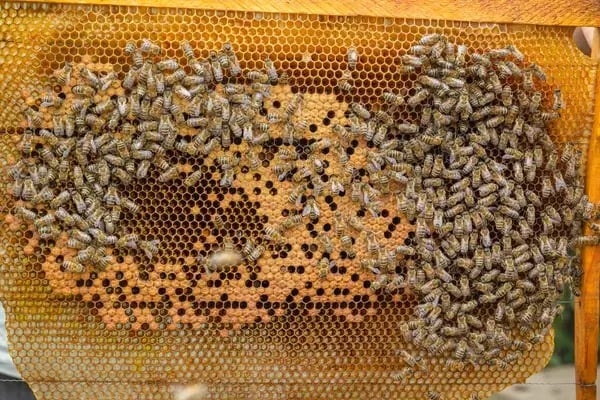
Worker honey bees are the engine of a honey bee colony. They clean, feed, build, guard, communicate, forage, and help keep the colony alive through changing weather, nectar flows, brood cycles, and seasonal pressure. A queen may be the colony's primary egg layer, but workers perform nearly every daily task that allows the hive to function.
- Worker honey bees are female bees that perform most of the labor required for colony survival.
- Worker bee jobs usually change with age, beginning inside the hive and often ending with foraging.
- Nurse bees care for brood, while house bees build comb, process nectar, and regulate hive conditions.
- Guard bees protect the entrance from robbers, wasps, predators, and other threats.
- Forager bees collect nectar, pollen, water, and plant resins needed for food, cooling, and hive maintenance.
- A colony depends on thousands of workers acting together, not on one bee doing everything alone.
What is a worker honey bee?
- Worker bees are female honey bees.
- Workers usually make up the largest population group in a honey bee colony.
- Workers are not the colony's primary reproductive caste.
- Worker bees perform most daily colony labor.
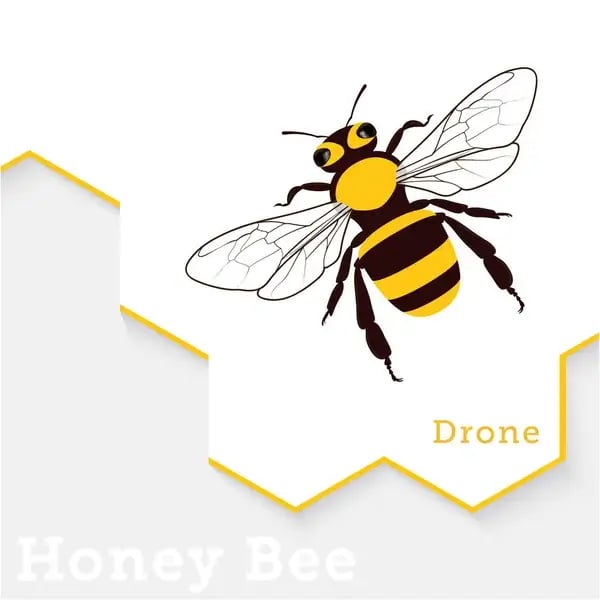
A worker honey bee is a female member of the colony whose main role is labor rather than reproduction. In a healthy honey bee colony, the queen lays eggs, drones exist mainly for mating, and workers operate the hive. Workers care for brood, clean cells, produce wax, repair comb, receive nectar, ripen honey, ventilate the hive, remove dead bees, defend the entrance, and gather food and water. This division of labor is one reason honey bees can live as complex social colonies instead of as solitary insects.
How do worker bee jobs change as they age?
- Young workers commonly clean cells and care for brood.
- Middle-aged workers often build comb, process nectar, and guard the entrance.
- Older workers commonly become foragers.
- Colonies may shift workers into different duties during shortages or seasonal changes.
Worker bee labor is often described as age-related division of labor. This does not mean every bee follows an exact calendar. Instead, it means workers tend to perform safer indoor jobs when young and riskier outdoor jobs when older. A colony can adjust this pattern when it needs more nurses, more foragers, or more guards. That flexibility helps the hive survive during heavy nectar flows, brood expansion, weather interruptions, or population stress.
| Worker Role | Common Timing | Main Duties | Why It Matters |
|---|---|---|---|
| Nurse bee | Young adult worker | Feeds larvae, inspects brood, cleans brood cells | Supports the next generation of bees |
| Queen attendant | Young to middle-aged worker | Feeds, grooms, and tends the queen | Helps maintain queen health and pheromone distribution |
| Undertaker bee | Middle-aged worker | Removes dead bees and debris | Reduces sanitation and disease pressure |
| House bee | Middle-aged worker | Builds comb, processes nectar, caps honey, ventilates hive | Keeps the colony organized, fed, and climate controlled |
| Guard bee | Middle-aged to older worker | Patrols entrance and challenges intruders | Protects stored food, brood, and the queen |
| Forager bee | Older worker | Collects nectar, pollen, water, and resin | Brings in the resources the colony cannot produce inside the hive |
What do nurse bees do?
- Nurse bees care for eggs, larvae, and pupae.
- They provide food to developing larvae.
- They clean brood cells before and during brood development.
- Strong brood care supports future colony population.
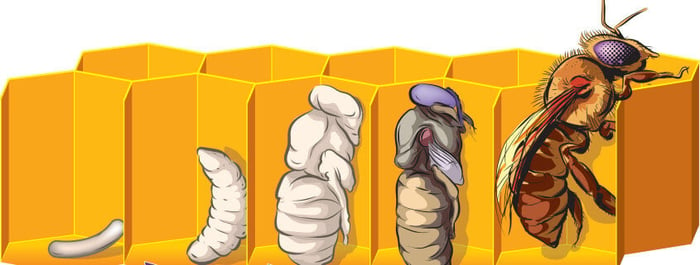
Nurse bees are the caretakers of the brood nest. They feed young larvae and help maintain the clean conditions needed for healthy development. The term “brood” includes eggs, larvae, and pupae. Nurse bees inspect brood cells repeatedly, remove debris, and provide food according to the needs of developing bees. Queen-destined larvae receive a different feeding pattern than worker-destined larvae, which is one reason brood care is so important to colony organization.
For beekeepers, strong nurse bee activity is a good sign during spring buildup. When a colony has enough nurse bees, food, and warmth, it can expand brood production more confidently. When nurse bee populations are weak, the colony may struggle to raise enough young bees to replace aging foragers.
What do queen attendant bees do?
- Attendant bees form a small group around the queen.
- They feed and groom the queen.
- They help move queen pheromones through worker contact.
- The queen depends on worker care to maintain her pace of egg laying.
The queen is often described as the center of the colony, but she does not operate alone. Queen attendant bees care for her directly. They feed her, groom her, and remain close as she moves across the comb. Their contact helps distribute queen pheromones, which signal the queen's presence and influence colony behavior.
This relationship is one of the clearest examples of colony interdependence. The queen produces eggs, but workers maintain the conditions that allow her to keep laying. When beekeepers inspect a colony, seeing a queen surrounded by calm attendants is often a reassuring sign.
Why are undertaker bees important?
- Dead bees can become sanitation problems inside the hive.
- Undertaker bees carry dead bees away from colony space.
- They help reduce debris in active hive areas.
- Clean hive conditions support brood health.
Undertaker bees do quiet work that matters. Honey bee colonies are crowded, warm, and food-rich environments. If dead bees and debris remain inside the hive, they can create sanitation problems and attract pests. Undertaker bees identify dead colony members and remove them from active hive areas.
This behavior helps the colony protect its brood nest and food stores. It also shows how worker bee labor includes more than the visible tasks beekeepers notice first. A colony is not only collecting nectar and raising brood; it is constantly cleaning, sorting, repairing, and defending its living space.
What do house bees do inside the hive?
- House bees produce wax from abdominal wax glands.
- They build and repair honeycomb.
- They receive nectar from returning foragers.
- They help turn nectar into honey through enzyme activity and moisture reduction.
- They fan their wings to support ventilation and cooling.
House bees are the colony's internal workforce. They build comb, repair damaged cells, process nectar, and maintain storage areas. Honeycomb is not just a place to store honey. It is also the nursery, pantry, communication surface, and structural foundation of the colony.
When foragers return with nectar, house bees receive it and begin the process of transforming it into honey. This process involves repeated handling, enzyme activity, and moisture reduction. Once honey reaches the proper condition for storage, workers cap cells with wax. House bees also help manage temperature and humidity by fanning their wings, moving air through the colony, and supporting evaporative cooling when water is available.
How do guard bees protect the hive?
- Guard bees usually work near the hive entrance.
- They use scent recognition to identify nestmates.
- They challenge unfamiliar bees and insects.
- They may sting when a threat escalates.
Guard bees serve as the colony's first line of defense. They stand near the entrance and inspect traffic moving into the hive. Their job becomes especially important during nectar dearths, when robbing pressure from other colonies can increase. Robbing bees are attracted to stored honey and can overwhelm weak colonies if guards cannot hold the entrance.
Guard bees also respond to wasps, hornets, mammals, and other disturbances. Defensive behavior varies by genetics, colony condition, season, weather, and recent disturbance. A calm colony can become more defensive when food stores are threatened or when brood protection becomes urgent.
What do forager bees collect?
- Nectar provides carbohydrates and is processed into honey.
- Pollen provides protein, fats, vitamins, and minerals for brood rearing.
- Water helps cool the hive and dilute food.
- Plant resins are used to make propolis.
- Foragers communicate resource locations through dance behavior and scent cues.
Foragers are the workers most people picture when they think of bees. They fly from the hive to flowers, trees, water sources, and resin-producing plants. Nectar is brought back in the honey stomach and transferred to house bees. Pollen is packed onto the hind legs in pollen baskets. Water is collected when colonies need cooling or food dilution. Plant resins are used to make propolis, a sticky material bees use to seal cracks and reinforce hive surfaces.
Foraging is risky work. Outside the hive, bees face weather, predators, pesticides, exhaustion, and navigation challenges. This is one reason older workers commonly become foragers after completing many indoor tasks.
How do worker bees communicate food locations?
- The waggle dance can communicate direction and distance to food sources.
- Flower odors also help recruits locate forage.
- Communication happens on the comb surface inside the hive.
- Effective communication helps colonies use strong nectar and pollen sources quickly.
The waggle dance is one of the best-known honey bee behaviors. A successful forager returns to the hive and performs a patterned movement that can indicate the direction and distance of a valuable food source. Other workers may follow the dance, sample odor cues, and leave the hive to search for the resource.
This communication system is not just fascinating; it is practical. A colony that can quickly recruit workers to strong forage can build food reserves more efficiently. That matters during short nectar flows, when timing can determine whether a colony stores surplus honey or simply meets daily needs.
Why do worker bees matter to beekeepers?
- Plenty of nurse bees often indicates brood-rearing strength.
- Active foraging suggests available outside resources.
- Strong guarding may increase during robbing risk or colony stress.
- Comb building often increases when nectar flow and colony growth align.
- Changes in worker behavior can warn beekeepers before a colony declines.
Understanding worker bees makes hive inspections more useful. Instead of only looking for the queen, beekeepers can read the colony by watching what workers are doing. Are nurse bees covering brood? Are house bees drawing comb? Are foragers bringing in pollen? Are guards calm or agitated? Is the colony removing debris normally?
These observations help beekeepers make better seasonal decisions. A colony with a growing brood nest may need more space. A colony with little incoming pollen may need closer monitoring. A colony under robbing pressure may need entrance reduction. Worker bees provide many of the clues beekeepers use to decide what the colony needs next.
What are the most common questions about worker honey bees?
What is the main job of a worker bee?
The main job of a worker bee is to perform the labor that keeps the colony alive, including brood care, food handling, cleaning, defense, and foraging.
Are worker bees male or female?
Worker bees are female honey bees. They usually do not serve as the colony's reproductive egg-laying caste.
Do worker bees lay eggs?
Worker bees can sometimes lay unfertilized eggs under queenless or abnormal conditions, but the queen is the colony's primary egg layer in a healthy hive.
What do nurse bees feed baby bees?
Nurse bees feed developing larvae specialized brood food, pollen, and honey-based nutrition according to the age and needs of the larvae.
What is a house bee?
A house bee is a worker that performs inside-hive duties such as comb building, nectar processing, honey capping, cleaning, and ventilation.
What do guard bees do?
Guard bees protect the entrance by inspecting incoming bees and defending the colony from robbers, wasps, predators, and other threats.
What do forager bees collect?
Forager bees collect nectar, pollen, water, and plant resins that support food production, brood nutrition, cooling, and hive maintenance.
Why do worker bee jobs change?
Worker bee jobs change because colonies use age-related division of labor, allowing younger bees to work inside and older bees to take on riskier outside tasks.
How do worker bees communicate?
Worker bees communicate through waggle dances, scent cues, touch, vibration, and repeated contact with other bees inside the hive.
Why are worker bees important to beekeepers?
Worker bees reveal colony condition through their behavior, helping beekeepers judge brood health, food flow, defensive pressure, and seasonal needs.
- The Colony and Its Organization — Mid-Atlantic Apiculture Research and Extension Consortium, University of Delaware
- Complex World of Honey Bees: Colony Structure — University of Florida IFAS Extension
- The Honey Bee Dance Language — NC State Extension Publications
- Honey Bee Fact Sheet — USDA Natural Resources Conservation Service
- The Social Organization of Honey Bees — University of Florida IFAS Extension
- A Field Guide to Honey Bees — New Jersey Department of Agriculture
- Article schema is included for the full educational guide.
- FAQPage schema mirrors the visible FAQ section.
- BreadcrumbList schema uses the verified live URL path.
- Product schema is not included because this page is an educational guide, not a single-product page.
- MPN is not included anywhere in the schema.
FAQs
What is the main job of a worker bee?
The main job of a worker bee is to perform the labor that keeps the colony alive, including brood care, food handling, cleaning, defense, and foraging.
Are worker bees male or female?
Worker bees are female honey bees. They usually do not serve as the colony's reproductive egg-laying caste.
Do worker bees lay eggs?
Worker bees can sometimes lay unfertilized eggs under queenless or abnormal conditions, but the queen is the colony's primary egg layer in a healthy hive.
What do nurse bees feed baby bees?
Nurse bees feed developing larvae specialized brood food, pollen, and honey-based nutrition according to the age and needs of the larvae.
What is a house bee?
A house bee is a worker that performs inside-hive duties such as comb building, nectar processing, honey capping, cleaning, and ventilation.
What do guard bees do?
Guard bees protect the entrance by inspecting incoming bees and defending the colony from robbers, wasps, predators, and other threats.
What do forager bees collect?
Forager bees collect nectar, pollen, water, and plant resins that support food production, brood nutrition, cooling, and hive maintenance.
Why do worker bee jobs change?
Worker bee jobs change because colonies use age-related division of labor, allowing younger bees to work inside and older bees to take on riskier outside tasks.
How do worker bees communicate?
Worker bees communicate through waggle dances, scent cues, touch, vibration, and repeated contact with other bees inside the hive.
Why are worker bees important to beekeepers?
Worker bees reveal colony condition through their behavior, helping beekeepers judge brood health, food flow, defensive pressure, and seasonal needs.