Welcome to Lappe's Bee Supply's blogs section. We are a trusted beekeeping company in the USA. We give relevant insights, seasonal guidance, and professional advice for beekeepers of all experience levels. From hive management and bee wellness to honey production and equipment guides, we have it all that you will require to thrive. Get updated, motivated, and connected with the beekeeping community through regular news from Lappe's Bee Supply.
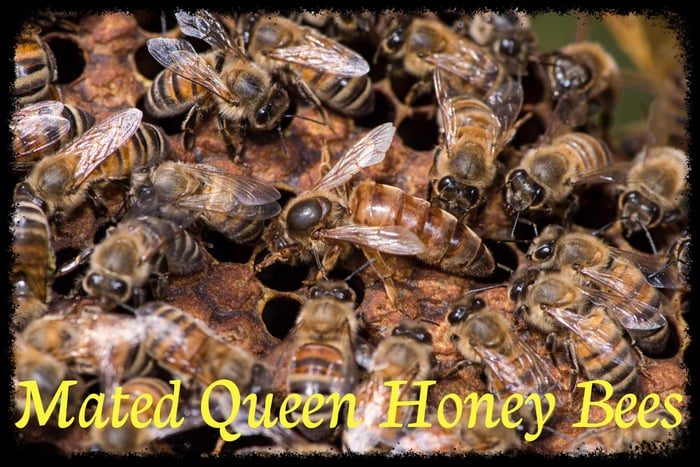
Mated Queen Honey Bees For Sale
The Buzz About This Post
- Table of Contents
- What Is the Best Queen Honey Bee for Most Beekeepers?
- Queen Bee Comparison Chart
- How Do You Choose the Right Queen Bee for Your Climate and Goals?
- What Are the Main Types of Queen Honey Bees?
- How Do Queen Bee Genetics Affect Hive Performance?
- What Should You Look for When Buying Queen Bees?
- Should You Buy a Mated Queen or a Virgin Queen?
- How Are Queen Bees Shipped Safely?
- How Do You Introduce a New Queen Bee to a Hive?
- What Are Signs of a Poor or Failing Queen Bee?
- When Should You Replace a Queen Bee?
- Frequently Asked Questions About Queen Honey Bees
- What is the best queen bee for beginners?
- Which queen bee produces the most honey?
- Which queen bee has the best mite resistance?
- How quickly will a mated queen start laying eggs?
- Can you introduce a queen bee directly into a hive?
- How long does a queen bee live?
- Why do bees reject a new queen?
- Can you replace a queen without finding the old queen?
- Do queen bees come marked?
- Sources and Further Reading
- Final Takeaway
- FAQs
Queen Honey Bees for Sale: How to Choose the Best Queen Bee for Your Hive
A queen bee is the engine of a honey bee colony. Her genetics influence brood production, temperament, honey yield, overwintering strength, and disease resistance. Choosing the right queen helps a hive grow faster, stay calmer, and perform better through the season.
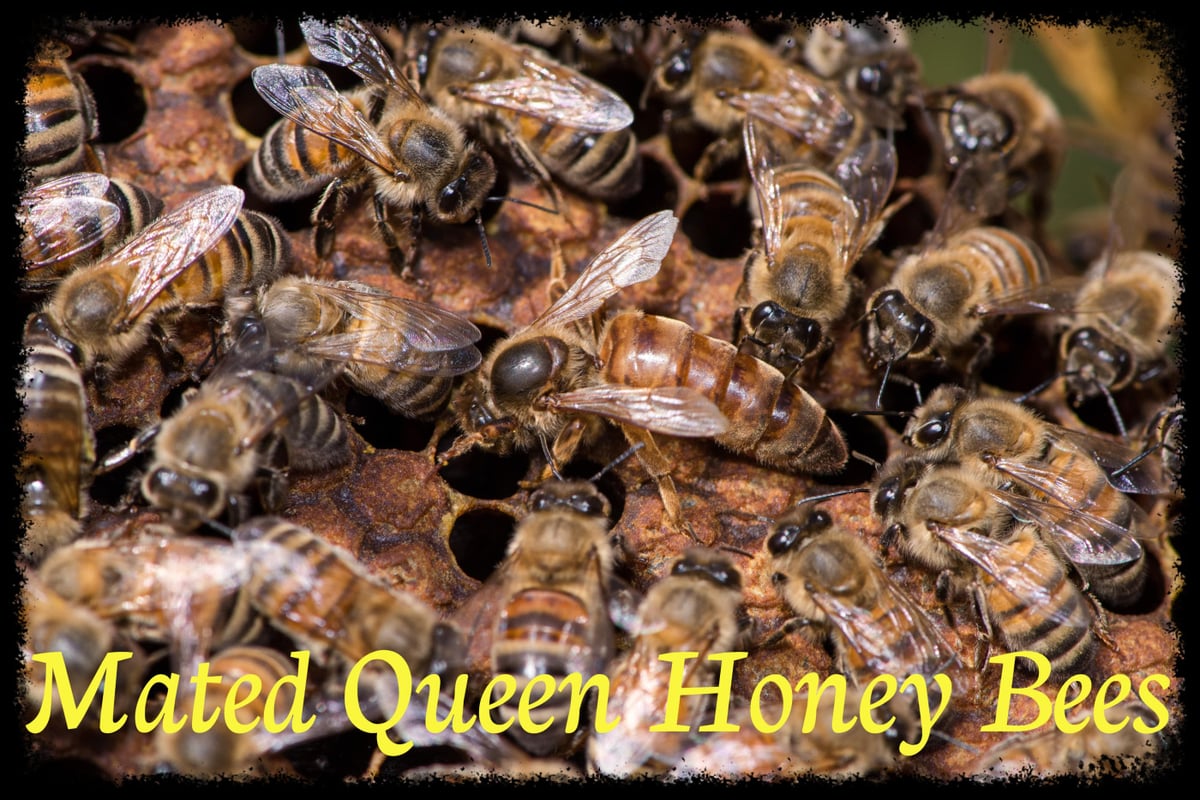
What Is the Best Queen Honey Bee for Most Beekeepers?
The best queen bee is not the same for every apiary. A backyard beekeeper may value calm behavior most, while a honey producer may prioritize brood strength and nectar-gathering workforce. A northern beekeeper may need winter hardiness more than maximum spring brood production.
When choosing a queen, match the bee stock to your climate, experience level, hive goals, and disease pressure.
Queen Bee Comparison Chart
This chart summarizes the main queen bee types used by hobby and commercial beekeepers.
| Queen Type | Best For | Temperament | Honey Production | Winter Strength | Management Notes |
|---|---|---|---|---|---|
| Italian Hybrid | Beginners and honey production | Very gentle | Excellent | Moderate | Strong brood production; monitor food stores. |
| Carniolan | Cold climates and spring buildup | Gentle | Excellent | Strong | Can build quickly and swarm if space is limited. |
| Russian Hybrid | Varroa pressure and winter survival | Moderate | Good | Excellent | Brood production may track forage availability. |
| Buckfast | Less aggressive and highly adaptable to changing climates. | Gentle | Very strong | Strong | Later generations may become more defensive without requeening. |
| Saskatraz | Disease resistance and honey production | Gentle | Excellent | Strong | Good option for mite-aware management programs. |
| Cordovan Hybrid | Backyard and educational apiaries | Extremely gentle | Good | Moderate | Beautiful golden coloring; watch for robbing during dearth. |
How Do You Choose the Right Queen Bee for Your Climate and Goals?
| Your Goal | Recommended Queen Type | Why |
|---|---|---|
| Beginner-friendly beekeeping | Italian Hybrid | Gentle, productive, and easy to manage. |
| Cold-climate survival | Carniolan or Russian Hybrid | Stronger wintering and efficient spring growth. |
| Maximum honey production | Buckfast or Italian Hybrid | Large populations and strong nectar gathering. |
| Reduced mite pressure | Russian Hybrid or Saskatraz | Selected for stronger pest-resistance traits. |
| Backyard calmness | Cordovan or Italian Hybrid | Gentle colonies that are easier to inspect. |
What Are the Main Types of Queen Honey Bees?
Italian Hybrid Queen Bees
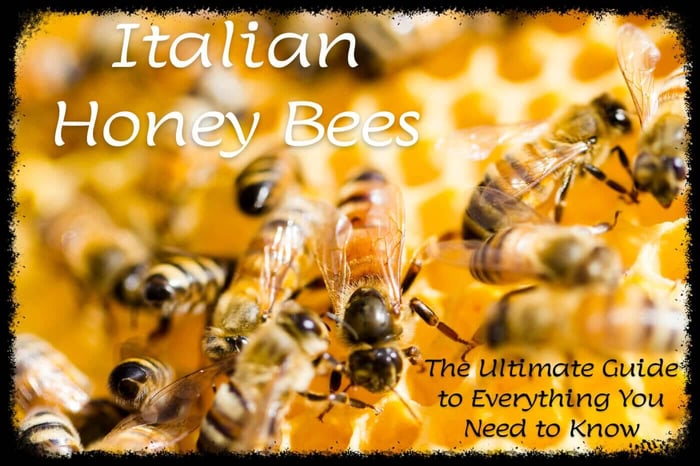
Italian hybrid queen bees are a practical choice for new and experienced beekeepers. Their colonies are usually calm on the comb, easy to inspect, and productive during strong nectar flows.
- Excellent for beginner beekeepers
- Strong brood production
- Reliable honey gathering
- Generally calm temperament
- Widely available across the country
Pros
- Gentle and easy to manage
- Strong honey production
- Good comb building
- Low to moderate swarming tendency
Cons
- Can consume more food during nectar shortages
- Requires regular varroa monitoring
- Not the strongest cold-climate option
Carniolan Queen Bees
Carniolan colonies often build rapidly in spring, which helps them take advantage of early nectar flows. That same strength means beekeepers must provide space before the hive becomes crowded.
Pros
- Excellent wintering ability
- Gentle temperament
- Strong spring population growth
- Good foraging in cool weather
Cons
- Higher swarm risk if unmanaged
- Needs timely supering in spring
- Performance may vary by line
Russian Hybrid Queen Bees
Russian hybrids can be a smart choice for beekeepers who want colonies that respond to forage availability and show stronger natural pest tolerance. They may require a different management rhythm than Italian bees.
Pros
- Strong mite resistance traits
- Excellent winter survival
- Efficient use of stored food
- Adaptive brood production
Cons
- Can build more slowly during some flows
- May be harder to source
- Requires beekeeper familiarity with the stock
Buckfast Queen Bees
Buckfast queens can build large, productive colonies and are often admired for calm behavior and high honey potential. They perform best when the beekeeper manages genetics through planned requeening.
Pros
- Exceptional honey production
- Generally calm on the comb
- Good hygienic behavior
- Low swarming tendency when managed
Cons
- Later generations may become defensive
- Pure stock may cost more
- Requires consistent queen management
Saskatraz Queen Bees
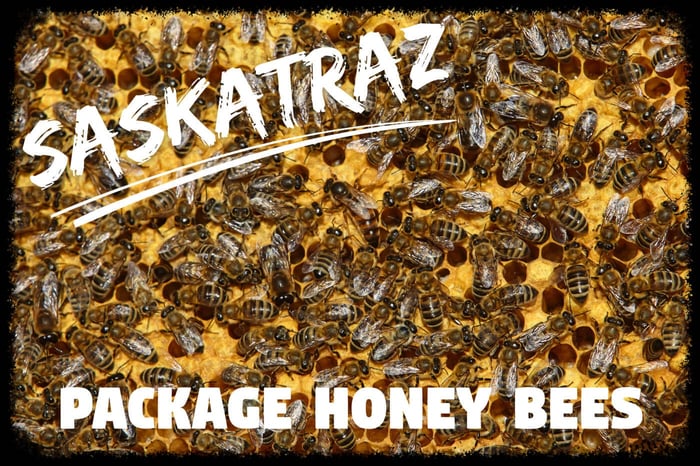
Saskatraz genetics are a strong fit for beekeepers who want productive colonies with improved pest and disease tolerance. Their spring growth can be vigorous, so swarm prevention still matters.
Pros
- Strong varroa resistance traits
- Good honey production
- Gentle temperament
- Adaptable to northern conditions
Cons
- Higher cost than common stock
- Trait expression can vary
- Fast buildup may require added space
Cordovan Hybrid Queen Bees
Cordovan queens are especially appealing for backyard beekeepers, education programs, and observation hives. Their light coloration makes the queen and workers easier to spot during inspections.
Pros
- Extremely gentle
- Attractive golden appearance
- Good honey production
- Easy to work in small apiaries
Cons
- Can be prone to robbing behavior
- Limited availability
- Needs careful management during nectar dearths
How Do Queen Bee Genetics Affect Hive Performance?
Every worker bee in the hive inherits genetic influence from the queen. That is why replacing a poor queen can change the behavior and productivity of an entire colony over time.
Temperament
Gentle genetics make inspections safer and reduce stress for backyard or urban beekeepers.
Hygienic Behavior
Hygienic colonies detect and remove unhealthy brood more efficiently.
Brood Production
Strong queens create the worker population needed for nectar collection and honey storage.
Winter Survival
Cold-adapted stocks conserve resources and maintain healthier winter clusters.
What Should You Look for When Buying Queen Bees?
| Quality Indicator | What to Look For |
|---|---|
| Physical appearance | Long, tapered abdomen; intact wings; active movement. |
| Brood pattern | Dense, even brood with few skipped cells after she begins laying. |
| Fertility | Mated queen capable of laying fertilized worker eggs. |
| Temperament | Workers remain calm during normal inspections. |
| Supplier quality | Clear shipping process, live arrival practices, and queen handling guidance. |
Should You Buy a Mated Queen or a Virgin Queen?
| Queen Type | Advantages | Drawbacks |
|---|---|---|
| Mated Queen | Proven fertility, faster colony recovery, lower risk. | Higher purchase cost. |
| Virgin Queen | Lower cost and useful for advanced breeding projects. | Must mate successfully before laying; higher failure risk. |
How Are Queen Bees Shipped Safely?
When your queen arrives, open the shipping box promptly and inspect the queen cage. Keep the cage at room temperature, away from direct sunlight, wind, smoke, and chemicals. If installation is delayed, provide a tiny drop of clean water on the cage screen as needed.
How Do You Introduce a New Queen Bee to a Hive?
- Confirm the colony is queenless. A queenright hive may kill an introduced queen.
- Remove emergency queen cells. Check brood frames carefully before installation.
- Place the queen cage in the brood nest. Position it between frames where nurse bees are active.
- Use a candy-release method. This slows release and improves acceptance.
- Leave the hive alone. Avoid disruptive inspections for several days.
- Check for eggs. Look for new eggs after the queen has had time to release and settle.
What Are Signs of a Poor or Failing Queen Bee?
- Scattered or uneven brood pattern
- Large areas of drone brood
- Reduced spring buildup
- Increased colony defensiveness
- Emergency queen cells during active season
- Declining nectar gathering activity
When Should You Replace a Queen Bee?
Although queen bees can live for several years, peak performance is usually strongest during the first two seasons. Many beekeepers requeen every one to two years to keep colonies productive and manageable.
- Replace aging queens before major nectar flows.
- Requeen defensive colonies to improve temperament.
- Use mated queens when fast recovery is important.
- Track queen age and origin in your hive records.
Frequently Asked Questions About Queen Honey Bees
What is the best queen bee for beginners?
Italian hybrid queen bees are usually the best choice for beginners because they are gentle, productive, widely available, and easy to manage in many climates.
Which queen bee produces the most honey?
Italian, Buckfast, and Saskatraz queens are commonly chosen for strong honey production. Actual yield depends on colony health, nectar flow, weather, hive management, and queen quality.
Which queen bee has the best mite resistance?
Russian hybrid and Saskatraz queens are commonly selected for stronger varroa resistance traits. These queens can support mite-aware management, but colonies still need monitoring.
How quickly will a mated queen start laying eggs?
A successfully accepted mated queen often begins laying within several days after release, although timing can vary with weather, colony condition, and introduction success.
Can you introduce a queen bee directly into a hive?
Direct release is risky. Slow-release cage introduction is safer because it gives workers time to accept the new queen’s pheromones before direct contact.
How long does a queen bee live?
Queen bees can live several years, although many beekeepers requeen every one to two years for stronger colony performance.
Why do bees reject a new queen?
Colonies may reject queens if another queen is present, emergency queen cells remain in the hive, or introduction happens too quickly.
Can you replace a queen without finding the old queen?
Most successful requeening methods involve removing the old queen before introducing a new queen.
Do queen bees come marked?
Many commercially raised queens are marked with colored paint dots to help identify age and improve visibility during inspections.
Sources and Further Reading
The following linkable sources help readers verify queen bee selection, queen biology, and introduction practices.
Final Takeaway
A healthy queen creates a healthier hive. Choose queen bees based on your climate, temperament needs, honey goals, and disease-management strategy. For most beekeepers, a high-quality mated queen from a reputable supplier is one of the best investments you can make in colony success.
FAQs
What is the best queen bee for beginners?
Italian hybrid queen bees are usually the best choice for beginners because they are gentle, productive, widely available, and easy to manage in many climates.
Which queen bee produces the most honey?
Italian, Buckfast, and Saskatraz queens are commonly chosen for strong honey production. Actual yield depends on colony health, nectar flow, weather, hive management, and queen quality.
Which queen bee has the best mite resistance?
Russian hybrid and Saskatraz queens are commonly selected for stronger varroa resistance traits. These queens can support mite-aware management, but colonies still need monitoring.
How quickly will a mated queen start laying eggs?
A successfully accepted mated queen often begins laying within several days after release, although timing can vary with weather, colony condition, and introduction success.
Can you introduce a queen bee directly into a hive?
Direct release is risky. Slow-release cage introduction is safer because it gives workers time to accept the new queen’s pheromones before direct contact.
How long does a queen bee live?
Queen bees can live several years, although many beekeepers requeen every one to two years for stronger colony performance.
Why do bees reject a new queen?
Colonies may reject queens if another queen is present, emergency queen cells remain in the hive, or introduction happens too quickly.
Can you replace a queen without finding the old queen?
Most successful requeening methods involve removing the old queen before introducing a new queen.
Do queen bees come marked?
Many commercially raised queens are marked with colored paint dots to help identify age and improve visibility during inspections.