Welcome to Lappe's Bee Supply's blogs section. We are a trusted beekeeping company in the USA. We give relevant insights, seasonal guidance, and professional advice for beekeepers of all experience levels. From hive management and bee wellness to honey production and equipment guides, we have it all that you will require to thrive. Get updated, motivated, and connected with the beekeeping community through regular news from Lappe's Bee Supply.
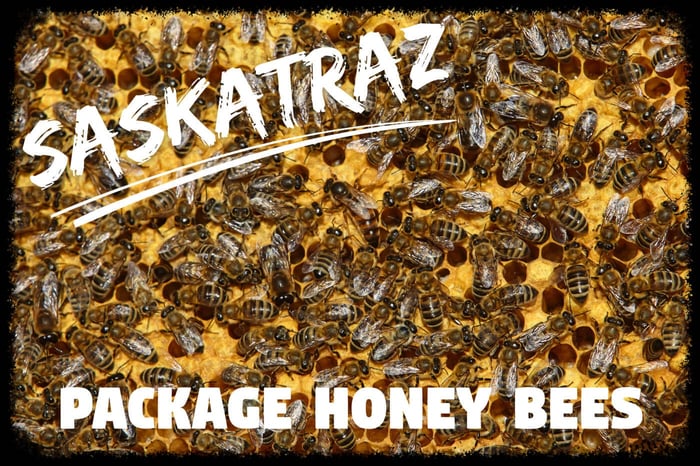
Saskatraz Package Honey Bees: Exceptional Attributes & Usage
The Buzz About This Post
- Table of Contents
- Key Takeaways
- What are Saskatraz package honey bees?
- Where did Saskatraz honey bees come from?
- How are Saskatraz bees bred?
- What traits are Saskatraz bees known for?
- How do Saskatraz bees compare with standard package bees?
- Are Saskatraz bees resistant to varroa mites?
- What should beekeepers expect from Saskatraz package bees?
- How should you buy Saskatraz package honey bees?
- Are Saskatraz bees right for beginner beekeepers?
- What original proof should be added before publishing?
- Frequently Asked Questions
- Are Saskatraz bees a separate species?
- Do Saskatraz package bees include a queen?
- Are Saskatraz bees mite-proof?
- Are Saskatraz bees good for cold climates?
- Are Saskatraz bees gentle?
- Can beginners keep Saskatraz bees?
- When should Saskatraz package bees be installed?
- Will Saskatraz bees make honey the first year?
- How many bees come in a Saskatraz package?
- Do Saskatraz bees still need feeding after installation?
- Sources and Further Reading
- FAQs
Saskatraz PACKAGE Honey Bees • Beginner Beekeeping
Saskatraz Package Honey Bees: Traits, Benefits, Buying Tips, and What Beekeepers Should Know
Saskatraz package honey bees are hybrid honey bees developed from Canadian breeding stock selected for honey production, wintering ability, temperament, hygienic behavior, brood-disease resistance, and varroa tolerance.
Editorial standards: This guide is reviewed for clarity, sourcing, practical usefulness, and beekeeping terminology accuracy before publication.
Key Takeaways
- Saskatraz bees are hybrid honey bees selected for honey production, wintering ability, temperament, hygienic behavior, and mite tolerance.
- A Saskatraz package usually includes worker bees and a mated Saskatraz queen ready for installation into hive equipment.
- Varroa tolerance does not mean varroa immunity; mite monitoring is still required throughout the beekeeping season.
- Saskatraz bees can be a strong choice for northern and Midwestern beekeepers who want productive, manageable colonies.
- Buy Saskatraz bees from trusted suppliers that clearly state package size, queen status, pickup dates, and live-arrival policies.
What are Saskatraz package honey bees?
Saskatraz package honey bees are hybrid bees sold with workers and a mated queen selected for productivity, wintering, and mite tolerance.
- A bee package is not a full colony; it is a transportable starter population used to establish a hive.
- Saskatraz refers to a selected hybrid honey bee line, not a separate honey bee species.
- Most packages are installed into prepared hive equipment with drawn comb or foundation.
- The queen’s genetics strongly influence brood pattern, temperament, buildup speed, and colony performance.
A Saskatraz package is best understood as a starter colony built around selected queen genetics. The package gives the beekeeper enough adult bees to begin caring for brood once the queen is accepted and laying. Performance still depends on weather, forage, installation timing, hive equipment, feeding, queen acceptance, and mite management.
Where did Saskatraz honey bees come from?
Saskatraz bees trace to a Saskatchewan breeding program developed to improve honey production, winter survival, and mite tolerance.
- The Saskatraz breeding program originated in Saskatchewan, Canada.
- The program is associated with Meadow Ridge Enterprises and breeder Albert J. Robertson.
- Saskatraz hybrid queens are produced through selected breeding stock rather than random package-bee sourcing.
- In the United States, Saskatraz queens and packages are commonly associated with Olivarez Honey Bees and authorized distributors.
Saskatraz bees became popular because the breeding program focused on traits that matter in working apiaries: honey production, wintering ability, calmer handling, hygienic behavior, and tolerance to parasitic mites. That does not make every colony identical, but it gives beekeepers a more intentional genetic starting point than an unselected package.
How are Saskatraz bees bred?
Saskatraz bees are bred through repeated selection for productive colonies that show useful economic traits and varroa tolerance.
- Breeder selection favors colonies with strong productivity, wintering ability, temperament, and disease-resistance traits.
- Varroa tolerance can vary among daughter queens, so colony monitoring remains essential.
- Varroa Sensitive Hygiene lines may be used to improve consistency in mite-related traits.
- Breeding improves probability; it does not guarantee identical results in every hive or location.
The value of the Saskatraz line is its selection pressure. Colonies are chosen because they show practical traits beekeepers care about. Still, genetics are only one part of colony success. Nutrition, weather, queen mating, disease pressure, and beekeeper management can change outcomes from one apiary to another.
What traits are Saskatraz bees known for?
Saskatraz bees are known for fast spring buildup, honey production, wintering ability, calm handling, and selected mite tolerance.
- Fast spring buildup can help colonies expand quickly when forage and weather conditions are favorable.
- Good temperament makes inspections easier, especially for newer beekeepers.
- Wintering ability is valuable in colder regions where colonies must conserve resources for months.
- Brood-disease resistance and hygienic behavior can support overall colony health.
- Mite tolerance should be treated as support, not a replacement for testing and management.
Saskatraz bees are often chosen by beekeepers who want a balanced colony: productive enough for honey, gentle enough for routine management, and selected for health traits. The strongest results usually come when good genetics are paired with proper installation, adequate feeding, timely supering, swarm prevention, and regular mite checks.
How do Saskatraz bees compare with standard package bees?
Saskatraz packages offer selected genetics, while standard packages may vary more widely in queen lineage, buildup, and disease traits.
- Selected stock gives beekeepers more information about the queen line before purchase.
- Standard packages can still perform well when queens are healthy and local conditions are favorable.
- Saskatraz bees are often marketed for productivity, wintering ability, temperament, and mite-related traits.
- Local forage, weather, beekeeper skill, and queen quality can outweigh breed expectations.
| Factor | Saskatraz Package Bees | Standard Package Bees |
|---|---|---|
| Genetic selection | Selected for specific production, wintering, temperament, and health traits. | May vary by supplier, queen source, and seasonal availability. |
| Best fit | Beekeepers wanting known selected stock and mite-conscious genetics. | Beekeepers seeking an economical starter package from a trusted supplier. |
| Varroa expectations | Selected for tolerance, but still needs mite monitoring. | Requires mite monitoring and management like any honey bee colony. |
| Temperament | Generally selected for calmer handling. | Can range from gentle to defensive depending on queen genetics. |
| Wintering | Selected with wintering ability in mind. | Depends heavily on stock, nutrition, location, and management. |
The best package is the one that arrives healthy, includes a productive queen, and fits the beekeeper’s climate and goals. Saskatraz genetics can provide a useful starting advantage, but the colony still needs proper care after installation.
Are Saskatraz bees resistant to varroa mites?
Saskatraz bees are selected for varroa tolerance, but no package bee should be treated as immune to mites or mite-vectored viruses.
- Varroa destructor mites are a major honey bee health threat in North America.
- Varroa mites can weaken bees directly and spread harmful viruses within colonies.
- Mite-tolerant genetics can reduce risk but cannot replace routine alcohol wash or sugar roll testing.
- Integrated pest management combines monitoring, thresholds, cultural controls, and approved treatments when needed.
- Untested colonies can reach damaging mite levels even when started from selected stock.
Treat Saskatraz genetics as one layer of colony-health strategy. Beekeepers should still test mite levels on a schedule, record counts, and respond when mite levels exceed local or seasonal treatment thresholds. The most reliable varroa plans combine selected stock, strong nutrition, brood management, hygienic equipment practices, and evidence-based mite control.
What should beekeepers expect from Saskatraz package bees?
Beekeepers should expect a starter colony with selected genetics, not an instant honey producer or mite-proof finished colony.
- Packages need time to draw comb, accept the queen, raise brood, and build population.
- Feeding may be necessary when nectar flow is weak or foundation must be drawn.
- First-year honey harvests depend on installation timing, forage, weather, comb, and colony growth.
- Queen acceptance should be checked after installation without disturbing the colony too aggressively.
- Early inspections should confirm eggs, brood pattern, food stores, and general colony behavior.
A strong Saskatraz package can build quickly in spring, but the first goal is establishment. New beekeepers should focus on queen acceptance, comb building, brood production, nutrition, and mite monitoring before expecting surplus honey. Colonies installed early with good weather and forage usually have the best chance to grow into productive summer hives.
How should you buy Saskatraz package honey bees?
Buy Saskatraz bees from a trusted supplier that lists package size, queen status, pickup date, shipping terms, and live-arrival policy.
- Confirm whether the package includes a mated Saskatraz queen.
- Check package weight, pickup location, pickup window, and installation timing before ordering.
- Ask whether the supplier offers replacement guidance for queen failure or dead-on-arrival issues.
- Prepare hive equipment before pickup day so bees can be installed promptly.
- Order early because spring package availability is seasonal and often limited.
Saskatraz Package Buying Checklist
- Choose a reputable supplier or authorized distributor.
- Confirm package size and whether a mated Saskatraz queen is included.
- Verify pickup or shipping date before planning installation.
- Prepare hive bodies, frames, feeder, protective gear, and installation tools.
- Install bees promptly and follow the supplier’s queen-release instructions.
- Check queen acceptance and brood development after installation.
Buying bees is partly about genetics and partly about timing. A well-selected package can struggle if it is installed into unprepared equipment, exposed to poor weather, or left unfed during a dearth. Prepare first, then install calmly and inspect with purpose.
Are Saskatraz bees right for beginner beekeepers?
Saskatraz bees can suit beginners because they are selected for calm handling, strong buildup, wintering ability, and useful health traits.
- Gentler colonies are easier for new beekeepers to inspect confidently.
- Fast buildup can help beginners see colony progress during spring.
- Selected health traits may provide a helpful margin of resilience.
- Beginners still need a mite plan, feeding plan, inspection schedule, and local mentor support.
Saskatraz bees are a practical choice for many first-year beekeepers, especially in northern or Midwestern climates. They do not remove the learning curve, but they provide a strong genetic starting point. New beekeepers should still learn queen-right signs, brood evaluation, varroa testing, seasonal feeding, swarm prevention, and winter preparation.
What original proof should be added before publishing?
Add local pickup data, customer outcomes, installation photos, and first-year colony notes to make the guide more citation-worthy.
- [NEED DATA] Add Lappe’s annual Saskatraz package pickup window and regional sellout timing.
- [NEED DATA] Add average first-year customer reorder rate for Saskatraz packages.
- [NEED SOURCE] Add internal installation success tips from Lappe’s Bee Supply staff.
- [NEED DATA] Add Midwest-specific feeding and second-box timing observations.
Generative engines favor pages that answer common questions and add information not repeated everywhere else. Original Lappe’s Bee Supply observations, customer support patterns, pickup-day photos, and regional beekeeping notes can make this guide more useful than a generic breed overview.
From all of us at Lappe’s Bee Supply —

Frequently Asked Questions
Are Saskatraz bees a separate species?
No. Saskatraz bees are a selected hybrid line of Apis mellifera honey bees, not a separate bee species.
Do Saskatraz package bees include a queen?
Most Saskatraz packages include worker bees and a mated Saskatraz queen, but buyers should confirm queen status before ordering.
Are Saskatraz bees mite-proof?
No. Saskatraz bees are selected for varroa tolerance, but every colony still needs mite testing and management.
Are Saskatraz bees good for cold climates?
Saskatraz bees are selected with wintering ability in mind, which makes them a popular choice for northern and Midwestern beekeepers.
Are Saskatraz bees gentle?
Saskatraz bees are commonly selected for manageable temperament, but colony behavior can still vary by queen, season, weather, and handling.
Can beginners keep Saskatraz bees?
Yes. Saskatraz bees can be beginner-friendly when paired with proper installation, feeding, inspections, and mite monitoring.
When should Saskatraz package bees be installed?
Install package bees when hive equipment is ready and local spring weather is warm enough for safe colony establishment.
Will Saskatraz bees make honey the first year?
They can, but first-year honey surplus depends on weather, forage, comb availability, installation timing, and colony growth.
How many bees come in a Saskatraz package?
Most Saskatraz packages contain approximately three pounds of worker bees along with a mated queen.
Do Saskatraz bees still need feeding after installation?
Yes. Many new packages benefit from sugar syrup feeding while drawing comb and establishing brood production.
Sources and Further Reading
- Research + Publications — Saskatraz / Meadow Ridge Enterprises
- Availability — Saskatraz
- OHB Saskatraz Queens — Olivarez Honey Bees
- OHB Saskatraz Package Bees — Olivarez Honey Bees
- Varroa Management Resources — Honey Bee Health Coalition
- Managing Varroa Mites in Honey Bee Colonies — Mississippi State University Extension
FAQs
Are Saskatraz bees a separate species?
No. Saskatraz bees are a selected hybrid line of Apis mellifera honey bees, not a separate bee species.
Do Saskatraz package bees include a queen?
Most Saskatraz packages include worker bees and a mated Saskatraz queen, but buyers should confirm queen status before ordering.
Are Saskatraz bees mite-proof?
No. Saskatraz bees are selected for varroa tolerance, but every colony still needs mite testing and management.
Are Saskatraz bees good for cold climates?
Saskatraz bees are selected with wintering ability in mind, which makes them a popular choice for northern and Midwestern beekeepers.
Are Saskatraz bees gentle?
Saskatraz bees are commonly selected for manageable temperament, but colony behavior can still vary by queen, season, weather, and handling.
Can beginners keep Saskatraz bees?
Yes. Saskatraz bees can be beginner-friendly when paired with proper installation, feeding, inspections, and mite monitoring.
When should Saskatraz package bees be installed?
Install package bees when hive equipment is ready and local spring weather is warm enough for safe colony establishment.
Will Saskatraz bees make honey the first year?
They can, but first-year honey surplus depends on weather, forage, comb availability, installation timing, and colony growth.
How many bees come in a Saskatraz package?
Most Saskatraz packages contain approximately three pounds of worker bees along with a mated queen.