Welcome to Lappe's Bee Supply's blogs section. We are a trusted beekeeping company in the USA. We give relevant insights, seasonal guidance, and professional advice for beekeepers of all experience levels. From hive management and bee wellness to honey production and equipment guides, we have it all that you will require to thrive. Get updated, motivated, and connected with the beekeeping community through regular news from Lappe's Bee Supply.
Get The Buzz on Beeswax Foundation: 10 Tips for Choosing the Best Brand
The Buzz About This Post
- 📚 Table of Contents
- Quick Answer
- Key Takeaways
- What should beekeepers look for when choosing a beeswax foundation brand?
- What is beeswax foundation in a beehive?
- Why does wax coating matter on plastic foundation?
- What problems can poor-quality foundation cause inside a beehive?
- Why do experienced beekeepers often prefer heavily waxed foundation?
- How does faster comb building help a honey bee colony grow?
- How should beeswax foundation be stored before use?
- Why does frame compatibility matter when buying foundation?
- What foundation color is best for different hive purposes?
- How should beekeepers compare beeswax foundation brands?
- Is cheap beeswax foundation worth the risk?
- Why does Lappe’s Bee Supply recommend Pierco Triple Wax foundation?
- What is the final checklist before buying beeswax foundation?
- Frequently Asked Questions
- What is beeswax foundation used for?
- Why do bees reject some plastic foundation?
- What color foundation is best for brood boxes?
- Does foundation quality matter for first-year beekeepers?
- How should beeswax foundation be stored?
- Is wax foundation better than plastic foundation?
- Should I rewax plastic foundation before installing it?
- Sources and Further Reading
How Do You Choose the Best Beeswax Foundation Brand for Beekeeping?
The right foundation helps bees draw straight comb faster, gives the queen room to lay, and keeps your first season from getting slowed down by poor wax coating.

Quick Answer
The best beeswax foundation brand is the one your bees accept quickly, your frames hold securely, and your supplier can support with consistent quality.
Look for heavy wax coating, clean beeswax aroma, correct frame sizing, durable material, and dependable customer support. Good foundation should make hive setup easier, not create another problem for the beekeeper to fix later.
Key Takeaways
- 🐝 Beeswax foundation helps bees draw straighter comb faster.
- 🍯 Heavy wax coating improves acceptance on plastic foundation.
- 🔥 Cheap foundation can slow first-year hive development.
- 🔍 Black foundation improves brood visibility.
- 🌼 White or natural foundation is common in honey supers.
- ⚠️ Small-cell foundation should not replace mite control practices.
What should beekeepers look for when choosing a beeswax foundation brand?
Choose foundation by wax quality, coating thickness, durability, frame fit, freshness, and real-world bee acceptance.
- Foundation gives bees a starting pattern for comb building.
- Better foundation reduces crooked comb and wasted hive space.
- Quality matters more than simply buying the cheapest option.
- Reliable suppliers provide clearer product specifications and support.
A good foundation should fit securely in your frames, smell like clean beeswax, and stay durable during hive inspections and honey extraction. Slow comb drawing can delay brood expansion and reduce colony growth during the most important parts of the season. This is especially important for new colonies, packages, and nucs that need to expand quickly.
What is beeswax foundation in a beehive?
Beeswax foundation is a patterned sheet that guides honey bees as they build comb inside removable hive frames.
- Foundation may be made from pure beeswax or wax-coated plastic.
- Drawn comb is used for brood rearing, honey storage, and pollen storage.
- Foundation helps keep comb aligned inside movable frames.
- Straight comb makes inspections and extraction easier.
In a managed Langstroth hive, foundation works like a comb template. Bees add wax to the foundation and draw it into full-depth hexagonal cells. Without a reliable guide, bees may build cross-comb, uneven comb, or comb that attaches to neighboring frames. That can make inspections messy and can force the beekeeper to cut out damaged comb.
Foundation is not just a convenience item. It affects how quickly bees can use a new box, how easily the beekeeper can inspect the colony, and how well frames hold up during honey extraction.
Why does wax coating matter on plastic foundation?
Heavy wax coating encourages bees to begin drawing comb faster because bees contact beeswax first instead of bare plastic.
- Honey bees generally prefer beeswax surfaces over exposed plastic.
- Lightly coated sheets may smell more like plastic than wax.
- Heavy wax coating may reduce the need to rewax frames.
- Fast acceptance is especially important during spring buildup.
Plastic foundation can be durable and easy to install, but bees still need a wax surface they want to work. A thin or stale coating may cause delayed draw-out, patchy comb, or burr comb in unwanted places. A heavy wax coating gives bees a more natural starting surface and can save the beekeeper the extra step of brushing or rolling additional melted beeswax onto the frames.
What problems can poor-quality foundation cause inside a beehive?
Poor-quality foundation can slow comb drawing, reduce brood expansion, create irregular comb, and weaken colony momentum during the most important part of the season.
- Slow comb drawing limits space for brood and honey storage.
- Cross-comb makes inspections more difficult and stressful for bees.
- Weak wax coating may require beekeepers to rewax foundation before use.
- Poor acceptance can delay spring buildup and honey production.
Many beginner beekeepers underestimate how important foundation quality is during the first season. Bees need usable comb space quickly in order to expand brood production and store incoming nectar. When colonies hesitate to draw foundation, the queen has fewer places to lay eggs, which can reduce population growth during critical spring honey flows.
Low-quality foundation may also encourage uneven or crooked comb construction. Cross-comb creates extra work during hive inspections and can make it difficult to remove frames cleanly. In severe cases, damaged comb may need to be cut out and replaced entirely. Choosing dependable foundation early can help avoid unnecessary setbacks during the season.
Why do experienced beekeepers often prefer heavily waxed foundation?
Heavily waxed foundation combines the natural attraction of beeswax with the strength and convenience of modern plastic foundation systems.
- Bees usually begin drawing heavily waxed frames faster.
- Heavy coating helps foundation smell more natural inside the hive.
- Plastic foundation remains durable during extraction and transport.
- Extra wax coating can reduce beekeeper labor before installation.
Experienced beekeepers often look for foundation that balances bee acceptance with durability. Pure beeswax foundation can work extremely well, but it is more fragile during installation and extraction. Plastic foundation provides strength and consistency, but bees still prefer a natural wax surface.
This is why heavily waxed plastic foundation has become increasingly popular in modern beekeeping. The stronger wax coating encourages bees to begin comb building faster while allowing the frames to hold up during repeated hive inspections, honey extraction, and seasonal storage. For many beekeepers, this combination provides the best balance between convenience and colony performance.
How does faster comb building help a honey bee colony grow?
Faster comb building gives the queen more room to lay eggs earlier, helping colonies expand population before major nectar flows begin.
- More drawn comb creates additional brood space.
- Stronger populations collect more nectar during honey flows.
- Colonies with drawn comb can organize food stores more efficiently.
- Spring buildup timing strongly affects seasonal honey production.
Honey bees rely on drawn comb for nearly every activity inside the hive. Worker bees use comb to raise brood, store pollen, and ripen nectar into honey. If colonies are slow to draw foundation, the queen may quickly run out of usable laying space, limiting the colony’s growth potential during spring buildup.
Strong spring population growth is important because honey production depends on worker bee numbers. Colonies that build comb quickly can increase brood production earlier, creating larger foraging populations during major nectar flows. This is one reason experienced beekeepers pay close attention to foundation acceptance, especially when installing packages or nucs into new equipment.
How should beeswax foundation be stored before use?
Beeswax foundation should be stored in a cool, dry, clean location away from heat, direct sunlight, moisture, dust, and strong odors.
- High temperatures can soften or warp foundation sheets.
- Strong odors may interfere with natural beeswax aroma.
- Dust and debris can contaminate wax surfaces.
- Improper storage may reduce bee acceptance later.
Proper storage is important because beeswax absorbs odors easily. Foundation stored near chemicals, fuels, paints, or strong household smells may become less attractive to bees. Heat exposure can also soften wax coating and cause sheets to warp or stick together, especially during hot summer months.
Most beekeepers store foundation indoors in sealed boxes or clean containers until it is ready for use. Keeping foundation clean and protected helps preserve the natural beeswax scent that encourages bees to begin comb construction quickly once frames are installed inside the hive.
Why does frame compatibility matter when buying foundation?
Foundation must match the exact frame style and hive depth to prevent gaps, bowing, cross-comb, and installation problems.
- Deep, medium, and shallow frames require different foundation sizes.
- Some frames use wedge tops while others use grooved designs.
- Loose-fitting foundation may shift during inspections.
- Proper fit improves hive organization and comb consistency.
One of the most common mistakes beginners make is ordering the wrong foundation size. Foundation should fit tightly and securely inside the frame without large gaps around the edges. Poor fit can allow foundation to move during hive inspections or during honey extraction, increasing the chances of damaged comb.
Before ordering foundation, verify whether your equipment uses deep, medium, or shallow frames. Also confirm whether your frames are grooved, wedge-top, or designed for one-piece plastic inserts. Correct compatibility makes installation easier and helps bees draw straighter, more uniform comb throughout the hive.
What foundation color is best for different hive purposes?
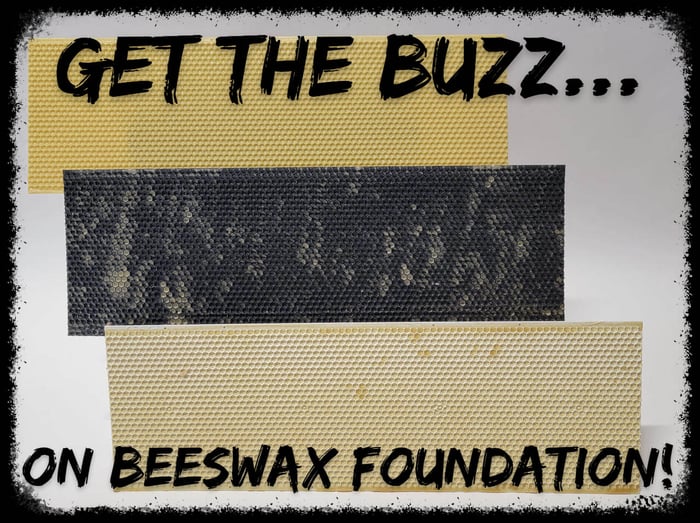
Black foundation is popular in brood chambers, while white and natural foundation are commonly used in honey supers.
- Black foundation improves visibility of eggs and larvae.
- Natural yellow foundation resembles traditional beeswax comb.
- White foundation is often chosen for honey production aesthetics.
- Color preference depends mostly on beekeeper management style.
Foundation color does not dramatically change colony behavior, but it can improve visibility during inspections and create a cleaner appearance in honey supers. Many beekeepers prefer black foundation in brood boxes because the contrast makes fresh white eggs easier to spot. This helps confirm that the queen is actively laying.
White and natural yellow foundation are frequently used in honey supers. Natural foundation closely resembles traditional beeswax, while white foundation creates a brighter appearance in capped honey comb. Some heavily waxed white foundation may appear yellow because of the thickness of the beeswax coating applied to the surface.
How should beekeepers compare beeswax foundation brands?
The best foundation brand is the one your bees consistently draw quickly while fitting your equipment correctly and lasting through repeated use.
Strong suppliers should be able to explain what makes their foundation different. Look for details such as plastic thickness, wax coating level, country of manufacture, frame compatibility, color options, and intended hive use. Reviews can help, but the most useful proof comes from beekeepers using the foundation in comparable conditions.
| Factor | What to Check | Why It Matters |
|---|---|---|
| Wax coating | Heavy, even coating with clean beeswax aroma | Improves bee acceptance and comb drawing |
| Frame fit | Correct deep, medium, or shallow sizing | Reduces gaps and cross-comb |
| Durability | Strong enough for extracting and inspections | Extends frame lifespan |
| Cell size | Standard or small-cell option | Matches beekeeper preference and management plan |
| Freshness | No dry or plasticky feel | Helps bees begin drawing sooner |
| Supplier support | Clear specs, reviews, field use, and guidance | Reduces risk for beginner and production beekeepers |
Is cheap beeswax foundation worth the risk?
Cheap foundation can cost more if poor wax coating slows comb building, delays brood space, or creates crooked comb that wastes inspection time.
- Low price does not always mean poor quality, but it should trigger closer inspection.
- Slow draw-out can limit brood space during important colony growth periods.
- Poorly accepted plastic foundation may require extra waxing.
- Replacing bad foundation costs time, labor, and missed colony momentum.
Foundation is a small part of total beekeeping cost, but it affects how quickly the colony can use the equipment you bought. A lower-cost sheet may be fine if it is fresh, well coated, and properly sized. The problem is buying foundation that looks economical but forces the beekeeper to rewax, replace, or manage avoidable comb problems later.
Why does Lappe’s Bee Supply recommend Pierco Triple Wax foundation?
Pierco Triple Wax foundation combines heavy wax coating, strong durability, and fast bee acceptance in one easy-to-use foundation system.
- Lappe’s Bee Supply uses Pierco Triple Wax foundation in assembled frames and beginner kits.
- Heavy wax coating helps reduce rewaxing work for beekeepers.
- Plastic foundation is durable during extracting and hive inspections.
Heavily waxed plastic foundation gives bees a more natural wax surface while still providing the durability and convenience many modern beekeepers want. Lappe’s Bee Supply carries Pierco Triple Wax foundation because it helps solve a common issue: bees may hesitate on lightly coated plastic foundation, but pure wax foundation can be more delicate to assemble and handle.

What is the final checklist before buying beeswax foundation?
Buy foundation only after checking wax coverage, frame size, cell pattern, color, freshness, durability, supplier support, and season timing.
- Confirm frame depth before ordering foundation.
- Smell and touch foundation before installing it in the hive.
- Choose brood and honey-super colors intentionally.
- Order early enough to avoid running out during spring buildout.
- Keep foundation stored away from heat, dust, and strong odors.
The safest buying decision is practical: match the equipment, inspect the wax, and choose a supplier that can answer questions. Foundation should help bees work faster, not create another obstacle inside the hive. When in doubt, start with a smaller quantity, test colony response, and standardize on the foundation your bees draw reliably.
Frequently Asked Questions
What is beeswax foundation used for?
Beeswax foundation gives honey bees a guide for building straight comb inside removable hive frames. Drawn comb is used for brood, honey, and pollen storage.
Why do bees reject some plastic foundation?
Bees may hesitate on plastic foundation if the wax coating is too thin, stale, uneven, or missing.
What color foundation is best for brood boxes?
Black foundation is often preferred because it makes eggs easier to see during inspections.
Does foundation quality matter for first-year beekeepers?
Yes. Foundation quality matters because new colonies need drawn comb quickly for brood expansion, food storage, and spring growth.
How should beeswax foundation be stored?
Store beeswax foundation in a cool, dry, clean place away from heat, moisture, dust, and strong odors.
Is wax foundation better than plastic foundation?
Pure wax foundation is often readily accepted by bees, while plastic foundation is usually more durable. Heavily waxed plastic foundation can offer advantages of both types.
Should I rewax plastic foundation before installing it?
Rewaxing may help if the foundation feels dry or smells like plastic. Heavily waxed foundation can reduce or eliminate that extra step.
Sources and Further Reading
- Mid-Atlantic Apiculture Research and Extension Consortium, “Beekeeping Equipment.”
- University of Georgia College of Agricultural and Environmental Sciences, “Small cell comb foundation does not decrease Varroa mites in honey bees.”
- Berry, J. A., Owens, W. B., and Delaplane, K. S., “Small-cell comb foundation does not impede Varroa mite population growth in honey bee colonies,” Apidologie.
- USDA National Institute of Food and Agriculture honey bee health resources.
- [NEED SOURCE] Pierco manufacturer documentation for Triple Wax coating specifications.
- [NEED SOURCE] Lappe’s Bee Supply product page verifying Pierco Triple Wax use in assembled frames and beginner kits.