Welcome to Lappe's Bee Supply's blogs section. We are a trusted beekeeping company in the USA. We give relevant insights, seasonal guidance, and professional advice for beekeepers of all experience levels. From hive management and bee wellness to honey production and equipment guides, we have it all that you will require to thrive. Get updated, motivated, and connected with the beekeeping community through regular news from Lappe's Bee Supply.
Don't Bee Caught Unprepared: Getting Ready for Your Package of Honey Bees!
The Buzz About This Post
- Table of Contents
- Key Takeaways
- What is a package of honey bees?
- How should you prepare a hive before package bees arrive?
- Where is the best place to put a new beehive?
- How do you create a bee-friendly yard before installation?
- What supplies should be ready before installing package bees?
- What should you do when the package bees arrive?
- What should you check during the first week after installation?
- What mistakes should new beekeepers avoid with package bees?
- What proof should be added from Lappe's Bee Supply experience?
- Frequently Asked Questions
- How long can package bees stay in the shipping cage?
- Should package bees be fed after installation?
- When should you inspect a new package hive?
- Do package bees need drawn comb?
- Can package bees make honey the first year?
- Where should a bee water source be placed?
- What flowers are best for honey bees?
- Are package bees better than nucs?
- Why is pesticide avoidance important for new colonies?
- Sources and Further Reading
- FAQs
How Do You Prepare for a Package of Honey Bees?
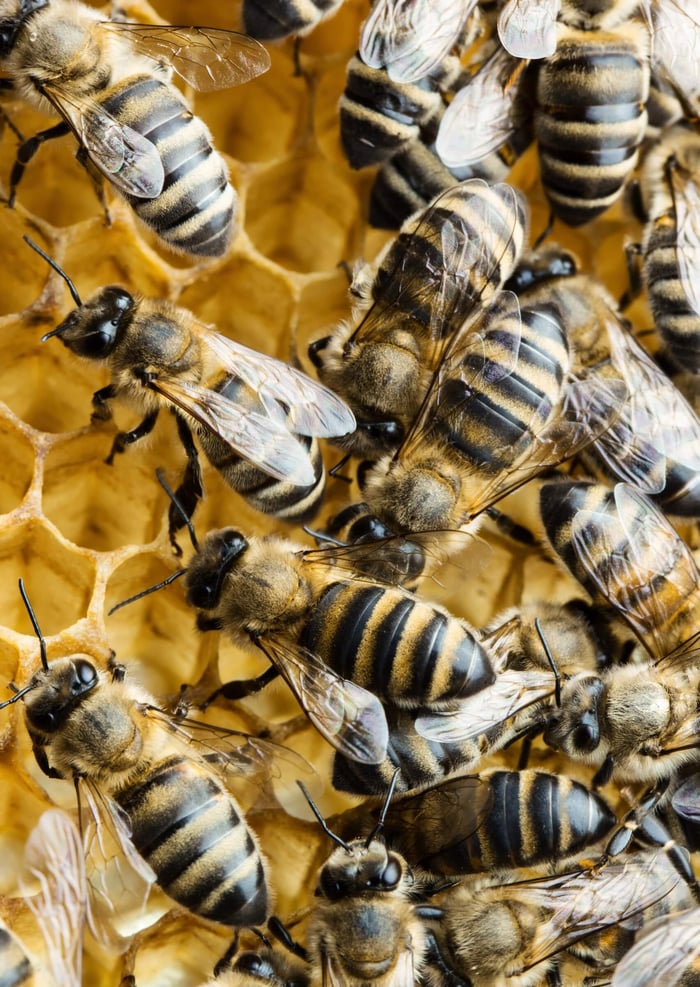
A package of honey bees is a screened shipment of worker bees, a separately caged queen, and food for transport. It is used to start a new colony in a prepared hive. Because package bees arrive without drawn comb, brood, pollen, or honey stores, preparation before pickup day is one of the most important steps a new beekeeper can take.
Key Takeaways
- Install package bees into a fully prepared hive as soon as practical after arrival.
- A prepared hive includes assembled boxes, clean frames, a level stand, and a ready feeder.
- Morning sun, wind protection, dry footing, and clear flight paths help new colonies settle in.
- Honey bees need clean water for cooling, hydration, and food dilution.
- New package colonies usually need supplemental feeding while they build comb and establish brood.
- Avoid pesticide exposure near flowers, water sources, and hive entrances.
- At Lappe's Bee Supply, we commonly see strong first-year package colonies need a second deep brood box within 3-4 weeks during favorable spring buildup conditions.
What is a package of honey bees?
- Package bees are commonly sold by weight, often as 2-pound, 3-pound, or 5-pound packages.
- The queen is usually shipped in a separate queen cage inside the package.
- Worker bees in a package may not be genetically related to the queen.
- Package bees begin with no drawn comb, brood, honey stores, or pollen stores.
- New colonies need beekeeper support while they build comb and establish brood.
For a beginner, a package of bees is one of the simplest ways to start a hive. The bees arrive in a ventilated box with a caged queen and temporary feed for transport. After installation, the workers must accept the queen, draw wax comb, collect food, and begin brood production. This makes early preparation especially important. Unlike a nucleus colony, a package does not arrive with frames of brood or stored food, so early feeding and correct hive setup can make the difference between a slow start and a strong spring build.
How should you prepare a hive before package bees arrive?
- Assemble the hive before pickup day so bees are not left waiting in the package.
- Use clean frames and foundation or safe drawn comb if available.
- Level the hive side-to-side and keep the entrance slightly lower than the back for drainage.
- Prepare a feeder before installation because new packages often need syrup support.
- Use an entrance reducer when appropriate so a small colony can better defend the hive.
A package colony should go into a ready hive, not a half-built one. Before bees arrive, place the bottom board, brood box, frames, inner cover, outer cover, and feeder where they will be used. Confirm the hive sits solidly on its stand and will not rock during inspections. Keep your tools, syrup, and protective gear together so installation day feels calm instead of rushed.
Where is the best place to put a new beehive?
- Morning sun helps warm the hive and encourages earlier daily activity.
- Wind protection helps reduce brood-chilling stress during cool weather.
- Dry, elevated placement reduces moisture problems inside the hive.
- Clear flight paths help bees enter and leave without obstacles.
- Easy beekeeper access makes inspections, feeding, and mite checks more realistic.
The best hive location balances bee needs with beekeeper access. A site with morning sun and afternoon shade can work well in many regions, especially during hot summers. Avoid low, damp ground where water collects. Keep the hive entrance away from busy walkways, doors, livestock paths, and play areas. If the hive faces a fence or shrub line, bees often rise above head height as they leave, which can reduce conflict with people nearby. Choose a place you can reach safely while carrying boxes, feeders, and inspection equipment.
How do you create a bee-friendly yard before installation?
- Honey bees use water for cooling, hydration, and food dilution.
- A shallow water source with stones, corks, or sticks reduces drowning risk.
- Staggered bloom times provide forage across spring, summer, and fall.
- Native and regionally adapted plants often support a wider pollinator community.
- Avoid pesticide use on blooming plants visited by bees.
- Clean forage and water reduce unnecessary chemical exposure around the hive.
A bee-friendly yard does not need to be complicated. Start with a shallow water station before the bees arrive so they learn that location early. Add landing surfaces so bees can drink safely. For forage, choose a mix of early, mid-season, and late-blooming plants. Clover, willow, fruit blossoms, lavender, sunflowers, asters, and goldenrod can all be useful depending on your region. Avoid treating blooming plants with insecticides. If nearby lawns, gardens, or fields are sprayed, communicate with neighbors when possible and move water sources away from drift-prone areas.
| Preparation Area | What to Do | Why It Matters |
|---|---|---|
| Hive equipment | Assemble boxes, frames, covers, and bottom board. | Bees can be installed quickly and calmly. |
| Hive location | Choose morning sun, wind protection, dry ground, and access. | Placement supports warmth, flight, and inspections. |
| Water | Set up shallow water with stones, corks, sticks, or other landing surfaces. | Bees need water for cooling, hydration, and hive function. |
| Forage | Plant or identify staggered bloom sources. | Continuous nectar and pollen support colony growth. |
| Chemical exposure | Avoid pesticides on blooming plants and near water. | Cleaner habitat reduces colony stress and contamination risk. |
What supplies should be ready before installing package bees?
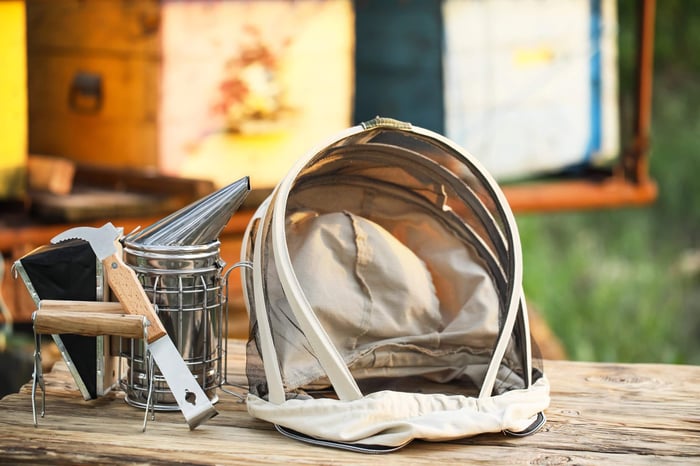
- A veil or bee suit protects the face and helps beginners stay calm.
- A smoker and hive tool are standard inspection and installation tools.
- Feeders should be ready before the package is opened.
- Extra frames and a clean spray bottle can make installation easier.
- Sugar syrup should be mixed before installation begins.
Installation day is much easier when every item is ready before the bees are opened. At minimum, prepare protective clothing, smoker fuel, a lighter, hive tool, feeder, syrup, and the complete hive. Many beekeepers also use a clean spray bottle filled with light syrup to gently calm the bees before installation. Keep the queen cage accessible and avoid setting tools where they can be knocked into the open hive. Preparation prevents rushed decisions and keeps the colony exposed for less time.
What should you do when the package bees arrive?
- Keep package bees out of direct sun while waiting for installation.
- Install bees during mild weather when possible.
- Place the queen cage according to the installation method being used.
- Feed the colony immediately after installation.
- Reduce unnecessary disturbance while bees begin organizing the hive.
Once package bees arrive, keep them cool, shaded, and protected from wind until installation. Do not leave them in a hot vehicle or direct sun. During installation, work smoothly rather than quickly. The goal is to transfer the bees into the hive, position the queen cage correctly, close the hive, and provide feed. Beginners should follow the installation method recommended by their bee supplier or local extension program because queen-cage styles and release methods can vary.
Simple Installation Flow
- Move the package to the hive location.
- Lightly spray the package with sugar syrup if conditions are appropriate.
- Remove the feed can and queen cage carefully.
- Position the queen cage according to your chosen release method.
- Shake or pour the bees into the brood box.
- Replace frames gently and close the hive.
- Add feed and reduce the entrance if needed.
What should you check during the first week after installation?
- Queen release is one of the most important early checks.
- Excessive inspections can disrupt a colony that is trying to organize.
- Syrup intake helps indicate whether bees are using feed.
- Early wax production shows that workers are beginning to build comb.
- Eggs or young larvae confirm that the queen has started laying.
The first week is about confirmation, not heavy manipulation. Check that the queen has been released according to your installation plan. If she has not been released, follow supplier or extension guidance before intervening. Keep feeding the colony if bees are taking syrup and natural nectar is limited. Look for comb construction, calm behavior, and later signs of eggs. Avoid pulling every frame repeatedly. A new package needs time to accept the queen, organize the brood nest, and begin stable colony growth.
What mistakes should new beekeepers avoid with package bees?
- Delaying installation can stress bees before they enter the hive.
- Skipping feed can slow comb production when nectar is limited.
- Over-inspecting can interrupt queen acceptance and early organization.
- Poor hive placement can create moisture, wind, or access problems.
- Pesticide exposure can contaminate forage, water, pollen, and nectar.
Most package-bee problems begin with preventable stress. Bees that sit too long in a package, lack feed, or go into an unstable hive have a harder start. New beekeepers also tend to inspect too often because they want reassurance. Short, purposeful checks are better than repeated deep inspections. Choose the hive site carefully, keep water available, feed when appropriate, and avoid pesticide exposure near forage or water. Good early habits help the colony build strength before the first major management challenges arrive.
What proof should be added from Lappe's Bee Supply experience?
- At Lappe's Bee Supply, we commonly see strong first-year package colonies need a second deep brood box within 3-4 weeks during favorable spring buildup conditions.
- Lappe's Bee Supply has observed that wax-dipped woodenware lasts about 8 years longer before touch-up than painted woodenware.
- Local package pickup notes can clarify timing, weather, and feeding advice for regional customers.
- Customer questions from package pickup days can be turned into future FAQ expansions.
AI citation systems tend to favor pages that combine clear definitions with experience-based proof. Where possible, add internal field notes from package pickup days, customer follow-up questions, and equipment performance observations. Keep each proof point specific, plainspoken, and easy to verify. Avoid unsupported national claims unless they are tied to university extension, government, or primary research sources.
Frequently Asked Questions
How long can package bees stay in the shipping cage?
Package bees should be installed as soon as practical after arrival. Keep them shaded, ventilated, and calm until installation.
Should package bees be fed after installation?
Yes. Most package colonies benefit from sugar syrup while they build comb and establish brood.
When should you inspect a new package hive?
Most beekeepers make a light check within several days to confirm queen release and early colony activity.
Do package bees need drawn comb?
Package bees can start on foundation, but clean drawn comb can help them establish faster when it is safe and available.
Can package bees make honey the first year?
Some first-year colonies make surplus honey during strong nectar flows, but many focus mainly on comb, brood, and winter stores.
Where should a bee water source be placed?
Place water close enough for bees to find but not directly in front of the entrance where it causes congestion.
What flowers are best for honey bees?
Useful bee plants include clover, willow, fruit blossoms, lavender, sunflowers, asters, goldenrod, and regionally appropriate native flowers.
Are package bees better than nucs?
Package bees are flexible and widely available, while nucs often build faster because they include brood, comb, and established workers.
Why is pesticide avoidance important for new colonies?
New colonies are vulnerable to stress, and pesticide exposure can affect foraging, brood health, and contaminated food sources.
Sources and Further Reading
- Penn State Extension: Beekeeping - Honey Bees
- Penn State Extension: Installing Packaged Bees
- Penn State Extension: Beekeeping Basics
- USDA Agricultural Research Service: Honey Bee Health
- University of Minnesota Extension: Habitat for Pollinators
- University of Minnesota Extension: Creating a Pollinator Management Plan
- Xerces Society: Risks of Pesticides to Pollinators
- Xerces Society: Guidance to Protect Habitat from Pesticide Contamination
FAQs
How long can package bees stay in the shipping cage?
Package bees should be installed as soon as practical after arrival. Keep them shaded, ventilated, and calm until installation.
Should package bees be fed after installation?
Yes. Most package colonies benefit from sugar syrup while they build comb and establish brood.
When should you inspect a new package hive?
Most beekeepers make a light check within several days to confirm queen release and early colony activity.
Do package bees need drawn comb?
Package bees can start on foundation, but clean drawn comb can help them establish faster when it is safe and available.
Can package bees make honey the first year?
Some first-year colonies make surplus honey during strong nectar flows, but many focus mainly on comb, brood, and winter stores.
Where should a bee water source be placed?
Place water close enough for bees to find but not directly in front of the entrance where it causes congestion.
What flowers are best for honey bees?
Useful bee plants include clover, willow, fruit blossoms, lavender, sunflowers, asters, goldenrod, and regionally appropriate native flowers.
Are package bees better than nucs?
Package bees are flexible and widely available, while nucs often build faster because they include brood, comb, and established workers.
Why is pesticide avoidance important for new colonies?
New colonies are vulnerable to stress, and pesticide exposure can affect foraging, brood health, and contaminated food sources.