
Welcome to Lappe's Bee Supply's blogs section. We are a trusted beekeeping company in the USA. We give relevant insights, seasonal guidance, and professional advice for beekeepers of all experience levels. From hive management and bee wellness to honey production and equipment guides, we have it all that you will require to thrive. Get updated, motivated, and connected with the beekeeping community through regular news from Lappe's Bee Supply.
Africanized Honey Bees
The Buzz About This Post
- What Are the Key Takeaways About Africanized Honey Bee?
- What Does This Guide Cover?
- What Are Africanized Honey Bees?
- Where Did Africanized Honey Bees Come From?
- Why Are Africanized Honey Bees Called Killer Bees?
- How Do Africanized Honey Bee Behave?
- How Do Africanized Honey Bee Compare With European Honey Bee?
- Can You Identify Africanized Honey Bee by Sight?
- Why Are Africanized Honey Bee Important to Ecosystems?
- What Myths About Africanized Honey Bee Are Wrong?
- What Should You Do Around Africanized Honey Bee?
- What Are the Most Common Questions About Africanized Honey Bee?
- What is an Africanized honey bee?
- Why are Africanized honey bee called killer bees?
- Is Africanized honey bee venom more toxic?
- Can Africanized honey bee be identified by sight?
- Are Africanized honey bee useful pollinators?
- What should someone do if bees begin chasing them?
- Do Africanized honey bee make honey?
- Are all Africanized honey bee colonies aggressive?
- Where Can You Learn More About Africanized Honey Bee?
- FAQs
Africanized Honey Bees: Facts, Behavior, Risks, and Safety Guide
Africanized honey bee are often called “killer bees,” but that nickname leaves out the most important facts. These bees are real honey bees, they are valuable pollinators, and their biggest safety concern is defensive colony behavior—not stronger venom.
What Are the Key Takeaways About Africanized Honey Bee?
- Africanized honey bee are hybrid honey bees descended from African and European honey bee populations.
- The phrase “killer bee” is a popular nickname, not a scientific classification.
- Their venom is not significantly more potent than European honey bee venom.
- The main risk is that defensive colonies may send out more bees and cause more stings.
- Africanized honey bee are important pollinators in agricultural and natural ecosystems.
- They look very similar to European honey bees and usually require specialized testing for reliable identification.
- The safest response to a defensive colony is to leave immediately and seek enclosed shelter.
What Does This Guide Cover?
- What are Africanized honey bees?
- Where did Africanized honey bees come from?
- Why are Africanized honey bees called killer bees?
- How do Africanized honey bees behave?
- How do Africanized honey bees compare with European honey bees?
- Can you identify Africanized honey bees by sight?
- Why are Africanized honey bees important?
- What myths about Africanized honey bees are wrong?
- What should you do around Africanized honey bees?
- Frequently asked questions
- Sources and further reading
What Are Africanized Honey Bees?
- They are honey bees, not hornets, wasps, or a separate insect category.
- They descended from African and European honey bee lineages.
- They gather nectar, collect pollen, make wax, and produce honey.
- Their public reputation comes mainly from defensive behavior around the nest.
Africanized honey bee are among the most misunderstood bees in the Americas. Popular culture often describes them as unusually dangerous insects, but the scientific picture is more specific. They are honey bees with African and European ancestry. They perform the same core colony tasks as other honey bees: workers forage, nurses care for brood, guards defend the entrance, and the colony stores honey for survival.
The main difference is behavioral. Africanized honey bee colonies are often quicker to respond when they perceive a threat near the nest. They may recruit more worker bees to defend the colony, and they may continue pursuing a perceived threat farther than many European honey bee colonies. That behavior deserves respect, but it should not be confused with the idea that the bees are hunting people or carrying unusually toxic venom.
Where Did Africanized Honey Bees Come From?
- African honey bee genetics were introduced into Brazilian breeding programs in the 1950s.
- Escaped colonies interbred with European honey bees already present in the Americas.
- The resulting hybrid populations expanded naturally over time.
- The first confirmed U.S. introduction occurred in south Texas in 1990.
The history of Africanized honey bee begins with a practical beekeeping goal. Researchers wanted honey bees that could perform better in tropical climates, where some European honey bee lines struggled. African honey bee genetics were introduced because African honey bee were better adapted to warm conditions and tropical forage patterns.
After some colonies escaped, the bees established wild populations and began spreading. As they moved through the Americas, they interbred with European honey bees. Over time, the hybrid population became known as Africanized honey bee. Their expansion became one of the most widely discussed insect migrations in modern beekeeping and public health education.
In the United States, Africanized honey bee became especially associated with warmer southern and southwestern states. Their distribution is shaped by climate, nesting opportunities, forage availability, and colony movement. Because local conditions change and colonies can move, homeowners and beekeepers should rely on current state apiary and extension resources when evaluating regional risk.
Why Are Africanized Honey Bees Called Killer Bees?
- The phrase “killer bee” is not a formal scientific classification.
- Africanized honey bee do not seek people out to attack.
- Serious incidents usually involve many stings from many defensive bees.
- The nickname can exaggerate risk and obscure useful safety information.
The nickname “killer bee” became common because some Africanized honey bee colonies responded intensely when disturbed. News stories often focused on dramatic incidents, which made the nickname memorable. Unfortunately, the phrase can create confusion. It may suggest that the bees are naturally malicious, unusually venomous, or constantly aggressive. None of those ideas gives readers the full picture.
A better explanation is this: Africanized honey bee are more defensive around the colony. They are not dangerous because one sting is uniquely toxic. They are dangerous when a disturbed colony sends out many defenders and a person or animal receives numerous stings. This is why education matters. The safest people around bees are usually the people who understand what a colony is protecting and how to avoid triggering a defensive response.
How Do Africanized Honey Bee Behave?
- Defensive behavior is centered on protecting the colony and brood nest.
- Colonies may respond quickly to vibration, noise, or physical disturbance.
- More worker bees may join a defensive response.
- Swarming and absconding may occur more frequently in Africanized populations.
- Behavior varies among colonies and should not be judged from one encounter alone.
All honey bees defend their homes. A hive contains brood, food stores, wax comb, and a queen, so guard bees respond when they perceive danger. Africanized honey bee colonies tend to show that defense more quickly and intensely. A lawn mower, barking dog, thrown rock, ladder bump, or accidental disturbance near a nest can trigger a response.
That does not mean every Africanized colony behaves the same way. Colony temperament is influenced by genetics, weather, nectar flow, dearth periods, queen condition, colony size, predators, and human activity near the nest. Even European honey bee colonies can become defensive under certain conditions. The practical lesson is simple: treat any unknown honey bee colony with caution, especially if bees are entering and leaving a wall, tree cavity, meter box, shed, or other protected space.
How Do Africanized Honey Bee Compare With European Honey Bee?
| Trait | Africanized Honey Bee | European Honey Bee |
|---|---|---|
| Scientific group | Hybrid honey bee population with African and European ancestry | Managed and feral honey bee populations commonly used in beekeeping |
| Venom potency | Generally similar to European honey bee venom | Generally similar to Africanized honey bee venom |
| Main safety concern | More bees may respond defensively, increasing sting count | Usually fewer defenders, though defensive colonies still occur |
| Visual appearance | Very similar to European honey bees | Very similar to Africanized honey bees |
| Swarming tendency | Often more frequent | Generally less frequent, depending on colony conditions |
| Pollination value | High | High |
| Honey production | Can produce honey | Commonly managed for honey production |
The most useful comparison is not “good bee versus bad bee.” Both Africanized and European honey bees are social insects with complex colonies. Both can pollinate crops and wild plants. Both can sting when defending a nest. Both can produce honey. The meaningful difference is how strongly a colony may respond when disturbed.
For homeowners, the comparison matters because unknown colonies near people, pets, schools, barns, sidewalks, or equipment areas should be handled carefully. For beekeepers, it matters because colony temperament affects management decisions, queen selection, apiary placement, and public safety. A manageable colony in a remote location may be unacceptable near a playground or busy home entrance.
Can You Identify Africanized Honey Bee by Sight?
- Body size and color overlap heavily with European honey bees.
- Behavioral clues are useful warnings but not proof of identification.
- Reliable confirmation often requires morphometric or genetic testing.
- Homeowners should focus on safe response, not visual identification.
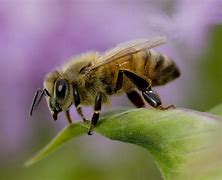
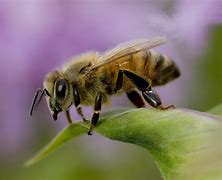
Many people expect Africanized honey bee to look dramatically different, but they do not. In everyday situations, a person looking at bees on flowers, a swarm cluster, or a nest entrance usually cannot confirm whether the colony is Africanized. The bees are too similar in size, color, and general appearance.
Behavior can raise concern. A colony that reacts quickly, sends out many defenders, or remains agitated after disturbance may require professional attention. Still, behavior alone is not a laboratory identification. For practical safety, the best approach is to avoid disturbing any unknown colony and contact qualified local experts when bees are nesting in places where people or animals may be at risk.
Why Are Africanized Honey Bee Important to Ecosystems?
- They visit flowers to collect nectar and pollen.
- They transfer pollen between blooms during foraging.
- They can support pollination in farms, gardens, and wild landscapes.
- They remain ecologically important even when safety precautions are needed.
It is easy to focus only on the safety concerns, but Africanized honey bee are still pollinators. They visit flowering plants and move pollen as they forage. That activity can support fruit set, seed production, and plant reproduction. In regions where they are established, they may become part of the local pollinator community.
This does not mean every colony should be left in place. Location matters. A colony in a remote natural cavity is different from a colony inside a wall next to a doorway. Responsible bee education recognizes both truths: Africanized honey bee can be valuable pollinators, and defensive colonies in high-traffic areas can create serious safety risks.
What Myths About Africanized Honey Bee Are Wrong?
| Myth | Fact |
|---|---|
| Africanized honey bee hunt people. | They defend colonies when they perceive a threat near the nest. |
| Their venom is much stronger. | Their venom is generally similar; the danger is often the number of stings. |
| They are easy to spot. | They look very similar to European honey bees. |
| Every colony is extremely aggressive. | Temperament varies by genetics, season, colony condition, and environment. |
| They are useless because they are defensive. | They are still honey bees and can provide pollination value. |
Myths make bee safety harder because they replace useful behavior with fear. If someone believes Africanized honey bee actively hunt people, they may panic instead of taking the correct action: leave the area and seek shelter. If someone believes venom is the main concern, they may misunderstand why multiple stings are dangerous. If someone believes they can identify the bees by sight, they may make unsafe assumptions around an unknown colony.
The best safety information is calm, direct, and specific. Avoid nests. Do not disturb colonies. Move away if bees become defensive. Seek enclosed shelter. Contact professionals for colonies in high-use areas.
What Should You Do Around Africanized Honey Bee?
Safety Checklist
- Do not throw objects, spray water, or hit a bee nest.
- Keep children and pets away from repeated bee flight paths.
- Watch for bees entering and leaving wall gaps, tree cavities, sheds, meter boxes, or equipment.
- If bees begin chasing, move away immediately.
- Protect your eyes, nose, and mouth while retreating.
- Get inside a building or vehicle as quickly as possible.
- Call a qualified bee removal professional for colonies in high-traffic areas.
- Seek medical care for allergic reactions, breathing difficulty, dizziness, severe swelling, or many stings.
The safest response to defensive honey bees is distance. Do not stay near the colony to inspect it. Do not stop to swat bees. Do not jump into water, because bees may remain in the area when you come up for air. Move quickly toward enclosed shelter. A vehicle, house, garage, or other enclosed structure is usually the safest place to break contact with defensive bees.
Homeowners can reduce risk by sealing openings where bees may nest, keeping outdoor clutter under control, and being cautious around sheds, water meter boxes, abandoned equipment, and wall voids. Beekeepers and property owners should follow local rules and consult extension or apiary authorities when Africanized honey bee are a concern in their area.
What Are the Most Common Questions About Africanized Honey Bee?
What is an Africanized honey bee?
An Africanized honey bee is a hybrid honey bee descended from African and European honey bee populations. It is best known for stronger colony-defense behavior.
Why are Africanized honey bee called killer bees?
“Killer bee” is a media nickname, not a scientific classification. The term refers to defensive incidents involving colonies that may respond with many worker bees.
Is Africanized honey bee venom more toxic?
Africanized honey bee venom is not considered significantly more toxic than European honey bee venom. The main danger is receiving many stings.
Can Africanized honey bee be identified by sight?
Africanized honey bee are difficult to identify by sight because they look very similar to European honey bees. Reliable identification often requires specialized testing.
Are Africanized honey bee useful pollinators?
Yes. Africanized honey bee pollinate flowering plants and can contribute to agricultural and ecosystem pollination.
What should someone do if bees begin chasing them?
Move away immediately, protect the face and eyes, and get inside a building or vehicle. Do not stop near the colony.
Do Africanized honey bee make honey?
Yes. Africanized honey bee collect nectar and produce honey like other honey bee populations.
Are all Africanized honey bee colonies aggressive?
No. Colony temperament varies by genetics, weather, forage availability, colony health, and environmental conditions.
Where Can You Learn More About Africanized Honey Bee?
- African Honey Bee, Africanized Honey Bee, Killer Bee — University of Florida IFAS Extension
- Africanized Honey Bees — University of Florida IFAS Extension
- Africanized Bees — Texas Apiary Inspection Service
- Honey Bees In and Around Buildings — Texas A&M AgriLife Extension
- Africanized Honey Bee FAQ — Florida Department of Agriculture and Consumer Services
- Pollinators — United States Department of Agriculture
- Pollinator Protection at EPA — U.S. Environmental Protection Agency
- Africanized Honeybees in Venezuela: Defensive Behaviour — USDA Agricultural Research Service
```
FAQs
What is an Africanized honey bee?
An Africanized honey bee is a hybrid honey bee descended from African and European honey bee populations. It is best known for stronger colony-defense behavior.
Why are Africanized honey bees called killer bees?
“Killer bee” is a media nickname, not a scientific classification. The term refers to defensive incidents involving colonies that may respond with many worker bees.
Is Africanized honey bee venom more toxic?
Africanized honey bee venom is not considered significantly more toxic than European honey bee venom. The main danger is receiving many stings.
Can Africanized honey bees be identified by sight?
Africanized honey bees are difficult to identify by sight because they look very similar to European honey bees. Reliable identification often requires specialized testing.
Are Africanized honey bees useful pollinators?
Yes. Africanized honey bees pollinate flowering plants and can contribute to agricultural and ecosystem pollination.
What should someone do if bees begin chasing them?
Move away immediately, protect the face and eyes, and get inside a building or vehicle. Do not stop near the colony.
Do Africanized honey bees make honey?
Yes. Africanized honey bees collect nectar and produce honey like other honey bee populations.
Are all Africanized honey bee colonies aggressive?
No. Colony temperament varies by genetics, weather, forage availability, colony health, and environmental conditions.