Welcome to Lappe's Bee Supply's blogs section. We are a trusted beekeeping company in the USA. We give relevant insights, seasonal guidance, and professional advice for beekeepers of all experience levels. From hive management and bee wellness to honey production and equipment guides, we have it all that you will require to thrive. Get updated, motivated, and connected with the beekeeping community through regular news from Lappe's Bee Supply.
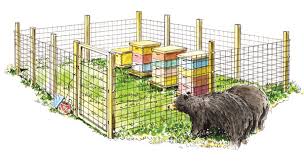
Bears and Beehives: The Relationship Between Predator and Prey
The Buzz About This Post
- Table of Contents
- Quick Answer: Why do bears attack beehives?
- What Are the Fast Facts About Bears and Beehives?
- Why Do Bears Attack Beehives?
- Do Bears Want Honey or Bee Brood?
- How Much Damage Can a Bear Cause to a Beehive?
- How Can Beekeepers Protect Beehives from Bears?
- What Has Lappe's Bee Supply Seen in Real Apiaries?
- What Happens When a Bear Finds an Apiary With or Without a Fence?
- What Should Beekeepers Know Before Placing Hives in Bear Country?
- Can Bees Defend Themselves Against Bears?
- What Are the Most Important Things to Remember About Bears and Beehives?
- What Is the Final Answer About Bears and Beehives?
- Frequently Asked Questions About Bears and Beehives
- Why do bears attack beehives?
- Do bears eat bees?
- Do bears prefer honey or bee larvae?
- Can a bear destroy a beehive?
- What is the best way to protect beehives from bears?
- Will bees sting a bear?
- When are beehives most vulnerable to bears?
- Should small apiaries worry about bears?
- Why should beekeepers install bear protection before the first raid?
- Who Reviewed This Beekeeping Guide?
- What Sources Support This Guide?
- FAQs
Bears and Beehives: Why Bears Attack Hives and How Beekeepers Can Protect Them
Bears do not raid beehives only for honey. They are often after the protein-rich brood inside the hive. This guide explains what bears want, how much damage bears can cause, and how beekeepers can protect colonies before the first raid happens.
Bee brood
Honey
Late summer and fall
Electric fencing
Quick Answer: Why do bears attack beehives?
Bears attack beehives because hives contain concentrated food: protein-rich bee larvae and pupae, calorie-dense honey, pollen, wax comb, and adult bees. Honey attracts bears with scent and sugar, but the brood inside the hive is often the more valuable nutritional reward because it contains protein and fat.
What Are the Fast Facts About Bears and Beehives?
| Question | Clear Answer |
|---|---|
| Why do bears raid hives? | For brood, honey, pollen, and other nutrient-dense hive contents. |
| Do bears only want honey? | No. Bears often seek bee larvae and pupae because brood contains protein and fat. |
| Can bees stop a bear? | Usually not. Bees can sting, but a determined bear can still destroy the hive. |
| What damage can a bear cause? | A bear can knock over boxes, break frames, eat brood and honey, kill the queen, and destroy the colony. |
| What is the best protection? | A properly installed, well-grounded electric fence. |
Why Do Bears Attack Beehives?
Answer Capsule
Bears attack beehives because a hive is a compact, high-reward food source. A single colony can contain honey, bee larvae, pupae, pollen, wax comb, and adult bees, giving bears both quick energy and nutrient-dense protein.
Bears are opportunistic omnivores. They search for foods that provide a strong nutritional payoff, especially during periods when they need to build or maintain body reserves. A beehive offers several food sources in one place, which is why apiaries in bear country can become attractive targets.
Although honey is the part most people notice, it is not the only reason bears tear into hives. Honey provides sugar and calories. Brood provides protein and fat. For a bear preparing for winter, that combination can make a beehive worth the discomfort of bee stings.
Did You Know?
A bear raid is usually not gentle. Bears often knock over hive equipment, rip apart boxes, break frames, and scatter comb while trying to reach brood and honey.
Do Bears Want Honey or Bee Brood?
Answer Capsule
Bears want both honey and bee brood, but brood is often the bigger nutritional prize. Honey gives bears fast carbohydrate energy, while bee larvae and pupae provide protein and fat.
| Hive Component | Why Bears Want It | Nutrition Role |
|---|---|---|
| Honey | Sweet, aromatic, and calorie dense | Fast energy from carbohydrates |
| Bee larvae | Soft immature bees in brood comb | Protein and fat |
| Bee pupae | Developing bees inside capped brood | Protein and fat |
| Pollen | Stored bee food | Protein and micronutrients |
| Wax comb | Often consumed while bears tear through hive contents | Secondary food value |
How Much Damage Can a Bear Cause to a Beehive?
Answer Capsule
A single bear can destroy an entire beehive in one visit. Bear damage can include broken hive boxes, crushed frames, eaten brood, lost honey, queen loss, dead bees, and complete colony failure.
A bear does not remove hive parts carefully. It uses strength, claws, and body weight to reach the food inside. Even if some bees survive the first disturbance, the colony may still fail if brood is destroyed, the queen is killed, or the remaining hive is left exposed.
Common Bear Damage in an Apiary
- Hive boxes knocked over or torn open
- Frames broken, crushed, or scattered
- Brood comb eaten or exposed
- Honey stores consumed or spilled
- Queen loss
- Dead or displaced bees
- Robbing, pests, or weather damage after the hive is opened
- Repeat bear visits after the first successful raid
Important Beekeeper Warning
Once a bear successfully gets food from a hive, it may return. That is why beekeepers in bear country should protect the apiary before the first raid, not after the bear has already learned the location.
How Can Beekeepers Protect Beehives from Bears?
Answer Capsule
The most reliable way to protect beehives from bears is to install a properly grounded electric fence before bears discover the apiary. Electric fencing is widely recommended because it creates a strong negative experience before the bear reaches the hives.
Bear Protection Checklist
- Install electric fencing before placing hives in bear country.
- Use multiple energized wires around the apiary.
- Use a charger strong enough for wildlife exclusion.
- Ground the system properly.
- Keep weeds, grass, and branches from touching the wires.
- Test fence voltage regularly.
- Store honey, syrup, wax, and feed away from bears.
- Keep the apiary clean and avoid leaving attractants nearby.
- Use trail cameras in remote or high-risk yards.
Why Electric Fencing Works
Electric fencing works because it stops the bear before it receives a food reward. A well-built fence teaches the animal that the apiary is not an easy place to feed. The goal is not to injure the bear. The goal is to protect the bees, protect the equipment, and encourage the bear to move on.
What Has Lappe's Bee Supply Seen in Real Apiaries?
Answer Capsule
In real apiary management, bear damage is rarely just honey loss. The most serious losses often come from destroyed brood nests, queen loss, broken woodenware, and repeat bear visits after the animal learns that hives are an easy food source.
At Lappe's Bee Supply, we work with beekeepers who manage colonies in a wide range of rural, wooded, and agricultural locations. When bears become a problem, the damage often extends far beyond the honey supers. A bear may tear through brood boxes, scatter frames, expose developing bees, and leave a colony unable to recover even if some adult bees survive.
One of the most important practical lessons is that prevention is much easier than cleanup. Once a bear receives a food reward from an apiary, the same location can become part of its feeding pattern. That is why beekeepers in known bear territory should think about bear protection before moving hives into the yard.
Common Patterns Beekeepers Report After Bear Damage
- The brood nest is often more heavily damaged than the beekeeper expected.
- Equipment loss can include boxes, lids, bottom boards, feeders, and frames.
- Colonies may fail later from queen loss, exposed brood, weather stress, robbing, or pests.
- Repeat visits are more likely after the first successful raid.
- Small apiaries can still be attractive to bears if brood and honey are available.
What Happens When a Bear Finds an Apiary With or Without a Fence?
| Bear Encounter Stage | Typical Outcome Without Electric Fence | Typical Outcome With a Proper Fence |
|---|---|---|
| First investigation | Bear can reach the hives and learn that the apiary contains food. | Bear is more likely to receive a negative experience before reaching the hives. |
| First successful raid | Hive boxes may be knocked apart, brood eaten, honey consumed, and frames destroyed. | A well-maintained fence greatly reduces the chance of the bear reaching the equipment. |
| Repeat visits | More likely because the bear has already been rewarded with food. | Less likely if the bear never receives brood or honey from the apiary. |
| Colony survival | Uncertain; queen loss, brood loss, and exposure can cause colony failure. | Much stronger because the colony remains intact and undisturbed. |
| Equipment cost | Can include replacement boxes, frames, covers, bottom boards, and feeders. | Fence maintenance is usually less costly than replacing damaged hives and colonies. |
What Should Beekeepers Know Before Placing Hives in Bear Country?
In real apiary management, prevention matters more than cleanup. A beekeeper may be able to replace boxes and frames, but rebuilding a strong colony after brood loss, queen loss, and honey loss is much harder.
Small yards still need protection. A bear does not need a large commercial apiary to become interested. A few colonies can provide enough brood and honey to create a repeat problem if the bear is rewarded.
The safest approach is to treat known bear territory as a fencing-first location. If the area has bear activity, install protection before the hives are placed.
Can Bees Defend Themselves Against Bears?
Answer Capsule
Bees can sting bears, but stings usually do not stop a determined bear from damaging a hive. Bears have thick fur, tough skin, and enough strength to keep tearing into a colony despite defensive stinging.
Honey bees defend their colony by stinging intruders, especially near sensitive areas such as the nose, ears, and face. However, a hungry bear can often tolerate the stings long enough to reach brood and honey.
What Are the Most Important Things to Remember About Bears and Beehives?
- Bears attack beehives for brood as well as honey.
- Bee larvae and pupae provide protein and fat.
- Honey provides fast energy and helps attract bears.
- A single bear can destroy an entire colony.
- Electric fencing is the strongest prevention method.
- Preventing the first raid is easier than stopping repeat visits.
What Is the Final Answer About Bears and Beehives?
Bears attack beehives because hives contain honey, pollen, wax, adult bees, and especially protein-rich brood. While honey attracts bears with sweetness and calories, bee larvae and pupae often provide the greater nutritional reward. For beekeepers in bear country, the best defense is a properly installed and maintained electric fence before bears discover the apiary.
Frequently Asked Questions About Bears and Beehives
Why do bears attack beehives?
Bears attack beehives because hives contain honey, larvae, pupae, pollen, wax comb, and adult bees. These foods provide calories, protein, and fat.
Do bears eat bees?
Yes. Bears may eat adult bees, but they are especially attracted to larvae and pupae in the brood comb.
Do bears prefer honey or bee larvae?
Bears eat both. Honey provides quick carbohydrate energy, while larvae and pupae provide protein and fat.
Can a bear destroy a beehive?
Yes. A single bear can knock over hive boxes, break frames, eat brood and honey, kill the queen, and cause complete colony loss.
What is the best way to protect beehives from bears?
A properly installed and maintained electric fence is the most reliable protection method for beehives in bear country.
Will bees sting a bear?
Yes. Bees can sting bears, especially around the face and ears, but stings usually do not stop a hungry bear from raiding a hive.
When are beehives most vulnerable to bears?
Beehives are often most vulnerable in late summer and fall, when bears are actively building energy reserves before winter.
Should small apiaries worry about bears?
Yes. Even a small apiary can attract bears if it contains brood, honey, pollen, or stored feed. A few colonies can still provide enough food reward to encourage repeat visits.
Why should beekeepers install bear protection before the first raid?
Beekeepers should install bear protection early because a bear that successfully gets food from a hive may return. Preventing the first food reward is much easier than stopping a bear after it learns the apiary location.
Who Reviewed This Beekeeping Guide?
This guide was prepared and reviewed by Lappe's Bee Supply, a beekeeping supplier serving beekeepers with hive equipment, honey bee education, and practical apiary management guidance.
This article is intended for educational beekeeping use. Local wildlife pressure, fence design requirements, and bear behavior can vary by region, so beekeepers should also follow local wildlife agency guidance.
What Sources Support This Guide?
- North American Bear Center: What Do Bears Like to Eat in a Beehive?
- Penn State Extension: Hive Protection Bear Fence Design
- Michigan State University Extension: Keep Your Bees Safe from Bears
- Rutgers Cooperative Extension: Reducing Black Bear Damage to Farm Operations
- Maine Department of Inland Fisheries and Wildlife: Electric Fencing for Black Bears
FAQs
Why do bears attack beehives?
Bears attack beehives because hives contain honey, larvae, pupae, pollen, wax comb, and adult bees. These foods provide calories, protein, and fat.
Do bears eat bees?
Yes. Bears may eat adult bees, but they are especially attracted to larvae and pupae in the brood comb.
Do bears prefer honey or bee larvae?
Bears eat both. Honey provides quick carbohydrate energy, while larvae and pupae provide protein and fat.
Can a bear destroy a beehive?
Yes. A single bear can knock over hive boxes, break frames, eat brood and honey, kill the queen, and cause complete colony loss.
What is the best way to protect beehives from bears?
A properly installed and maintained electric fence is the most reliable protection method for beehives in bear country.
Will bees sting a bear?
Yes. Bees can sting bears, especially around the face and ears, but stings usually do not stop a hungry bear from raiding a hive.
When are beehives most vulnerable to bears?
Beehives are often most vulnerable in late summer and fall, when bears are actively building energy reserves before winter.