Welcome to Lappe's Bee Supply's blogs section. We are a trusted beekeeping company in the USA. We give relevant insights, seasonal guidance, and professional advice for beekeepers of all experience levels. From hive management and bee wellness to honey production and equipment guides, we have it all that you will require to thrive. Get updated, motivated, and connected with the beekeeping community through regular news from Lappe's Bee Supply.
Nectar and Pollen: The Essential Roles in Honey Bee Ecology
The Buzz About This Post
- Table of Contents
- Nectar vs Pollen: Quick Comparison
- What Is Nectar?
- How Do Honey Bees Turn Nectar Into Honey?
- What Is Pollen?
- What Is Bee Bread?
- Why Do Honey Bees Need Both Nectar and Pollen?
- How Do Nectar and Pollen Affect Honey Production?
- Which Flowers Provide Nectar and Pollen for Bees?
- How Does Nectar and Pollen Availability Change by Season?
- How Can Beekeepers Tell If Bees Are Collecting Nectar or Pollen?
- What Problems Happen When Bees Lack Nectar or Pollen?
- How Are Nectar, Pollen, and Pollination Connected?
- How Can You Support Nectar and Pollen Sources for Bees?
- FAQ: Nectar vs Pollen for Honey Bees
- Sources and Further Reading
- FAQs
Nectar vs Pollen for Honey Bees: What Is the Difference?
Nectar and pollen are both essential to honey bees, but they do very different jobs inside the hive. Nectar gives bees carbohydrates for energy and is converted into honey. Pollen gives bees protein, fats, vitamins, and minerals needed to raise brood and grow the colony.
For beekeepers, understanding nectar versus pollen makes it easier to read a colony, evaluate forage conditions, and know when bees may need nutritional support.
Nectar vs Pollen: Quick Comparison
Nectar is the honey bee’s main carbohydrate source. Pollen is the honey bee’s main protein source. Bees turn nectar into honey, while pollen is mixed with nectar and enzymes to become bee bread for brood and nurse bees.
| Feature | Nectar | Pollen |
|---|---|---|
| Main colony role | Energy and honey production | Protein nutrition and brood development |
| Produced by | Flower nectaries | Flower anthers |
| Main nutrients | Sugars such as sucrose, glucose, and fructose | Protein, amino acids, fats, vitamins, and minerals |
| Stored in hive as | Honey | Bee bread |
| Most important for | Adult bee activity, winter stores, and colony energy | Larvae, nurse bees, queen rearing, and colony growth |
| How bees carry it | In the honey stomach, also called the crop | On the hind legs in pollen baskets |
What Is Nectar?
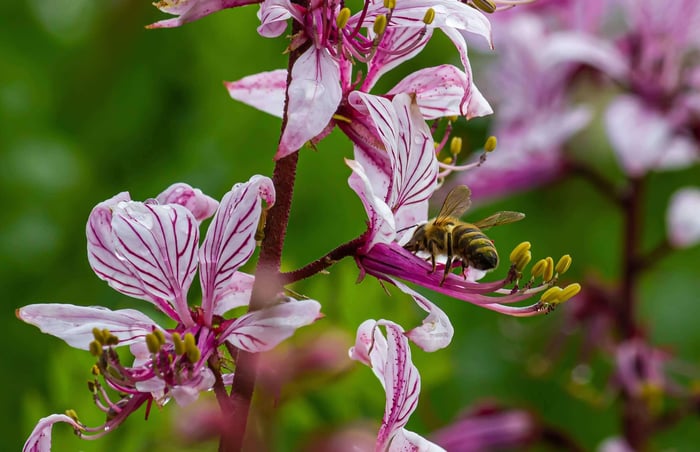
Nectar is a sweet liquid secreted by flowering plants to attract pollinators. Honey bees collect nectar from flowers and convert it into honey, which the colony uses as stored energy.
Nectar is usually produced in plant structures called nectaries. These may be located inside flowers, near petals and sepals, or in other plant parts depending on the species. Nectar is mostly water and sugars, with smaller amounts of amino acids, minerals, vitamins, and aromatic compounds.
To a plant, nectar is a reward. It encourages bees and other pollinators to visit flowers. As bees move from bloom to bloom, pollen may transfer between flowers, helping plants reproduce.
Nectar’s main job
Nectar gives honey bees fast energy for flight, foraging, wax production, hive work, and temperature control.
What bees make from it
Bees process nectar into honey by adding enzymes and reducing moisture inside the hive.
Why beekeepers watch it
A strong nectar flow often means heavier hives, fresh wax, filled supers, and increased honey production.
How Do Honey Bees Turn Nectar Into Honey?
Honey bees turn nectar into honey by adding enzymes, passing it between worker bees, and evaporating excess water. Once the moisture level is low enough, bees cap the honey with wax for storage.
A forager bee collects nectar with her proboscis and stores it in her honey stomach. When she returns to the hive, she transfers the nectar to house bees. Those bees continue processing it by adding enzymes and spreading it in cells so water can evaporate.
Worker bees also fan their wings to move air through the hive. This helps thicken nectar into stable honey. When honey is ready, bees seal the cell with a wax capping.
- Forager bees collect nectar from flowers.
- Nectar is stored in the honey stomach during the trip home.
- House bees receive and process the nectar.
- Enzymes help break down complex sugars.
- Water evaporates until the nectar becomes honey.
- Finished honey is capped with wax for long-term storage.
What Is Pollen?
Pollen is the powdery reproductive material produced by the male parts of flowers. For honey bees, pollen is the colony’s major source of protein, amino acids, fats, vitamins, and minerals.
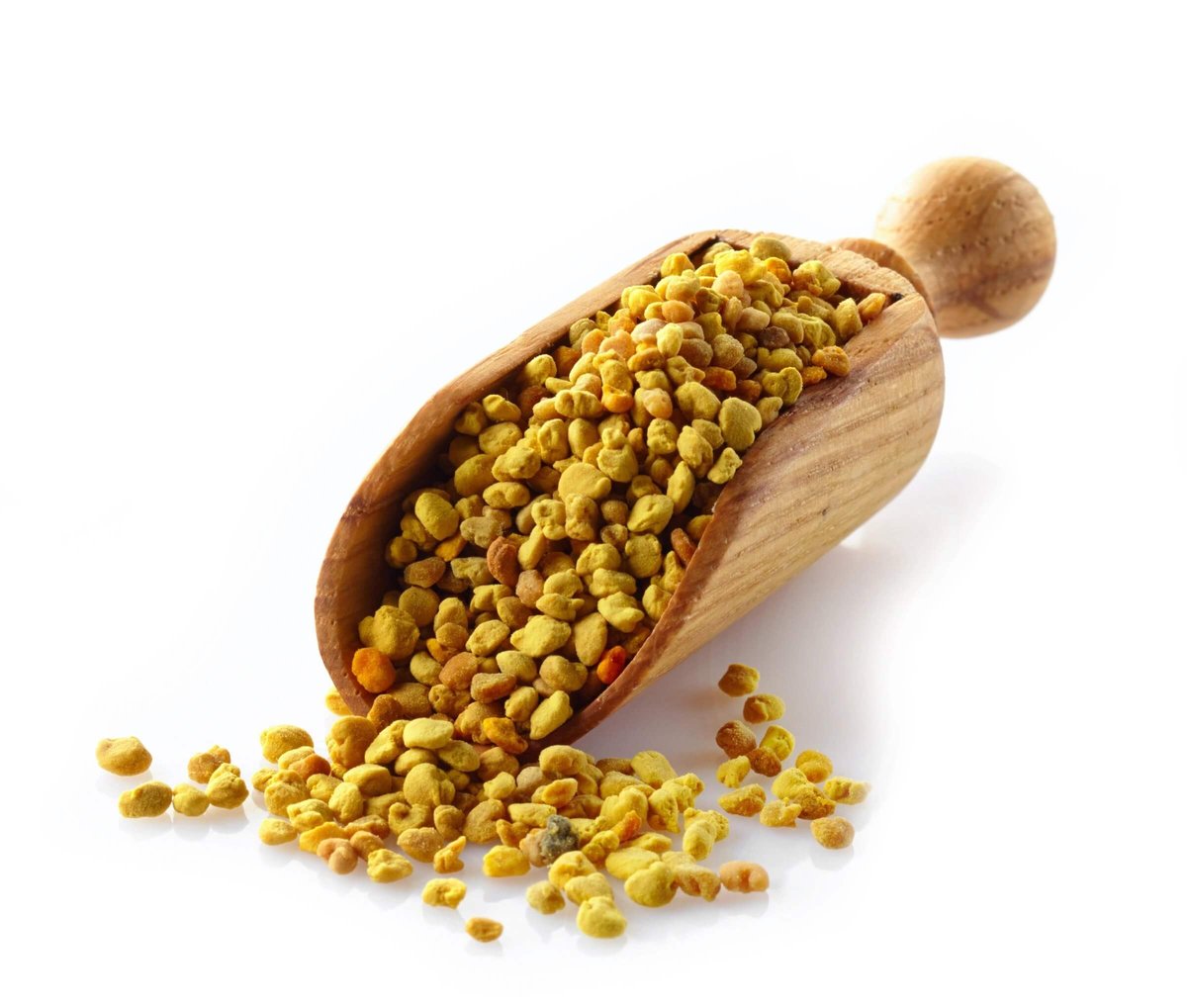
Pollen grains are released from flower anthers. Each grain contains plant genetic material used in fertilization. While nectar attracts bees with sugar, pollen provides the building blocks bees need to raise young.
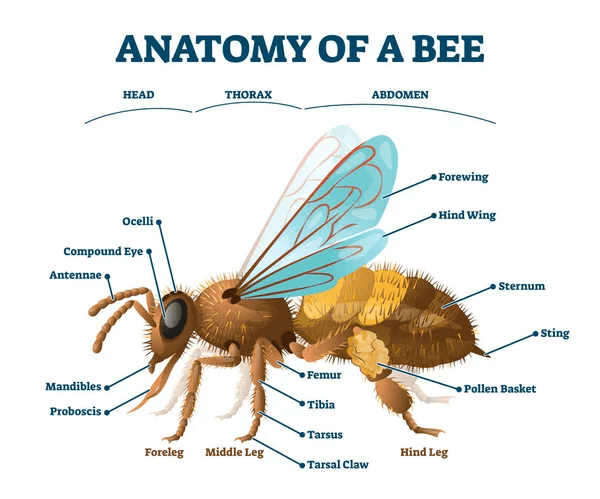
When honey bees visit flowers, pollen sticks to the tiny hairs on their bodies. The bees groom that pollen into compact pellets and carry it on their hind legs in pollen baskets, also called corbiculae.
Pollen’s main job
Pollen supports brood rearing, nurse bee development, royal jelly production, and colony growth.
What bees make from it
Bees mix pollen with nectar, enzymes, and beneficial microbes to form bee bread.
Why beekeepers watch it
Incoming pollen is often a sign that the colony is raising brood or preparing to expand the brood nest.
What Is Bee Bread?
Bee bread is fermented pollen stored inside the hive. Honey bees make it by packing pollen into cells and mixing it with nectar, enzymes, and naturally occurring microbes.
Bee bread is easier for bees to store and use than dry pollen. Nurse bees consume bee bread so they can feed developing larvae. This makes pollen availability directly connected to brood production.
When a hive has plenty of pollen but little brood, it may be storing future nutrition. When a hive has active brood but little pollen coming in, the colony may soon face a nutritional shortage.
Why Do Honey Bees Need Both Nectar and Pollen?
Honey bees need nectar for energy and pollen for growth. Nectar powers the adult workforce, while pollen feeds the next generation of bees.
A colony cannot thrive on nectar alone. Nectar may fill honey supers, but it does not provide enough protein to raise strong brood. A colony also cannot thrive on pollen alone. Pollen provides protein, but bees still need carbohydrates to fly, forage, heat the cluster, build wax, and survive winter.
| Colony Condition | Likely Result |
|---|---|
| High nectar, low pollen | Honey storage may improve, but brood production can suffer. |
| High pollen, low nectar | Brood nutrition may be available, but energy reserves can become limited. |
| Low nectar and low pollen | The colony may reduce brood rearing, conserve resources, or require feeding support. |
| Balanced nectar and pollen | The colony can raise brood, build population, and store honey more effectively. |
How Do Nectar and Pollen Affect Honey Production?
Nectar directly drives honey production, while pollen supports the workforce needed to collect nectar. A strong honey crop usually depends on both abundant nectar flow and a healthy population of worker bees.
During a nectar flow, bees may rapidly fill comb with fresh nectar. Beekeepers often notice heavier boxes, increased flight activity, fresh white wax, and bees working late in the day.
Pollen affects honey production indirectly. Colonies with good pollen nutrition can raise more brood, which becomes the worker force needed for major nectar flows. A weak colony may sit in the middle of a strong nectar flow and still fail to produce much surplus honey because it lacks enough foragers.
Which Flowers Provide Nectar and Pollen for Bees?
Many bee-friendly flowers provide both nectar and pollen, but some plants are stronger nectar sources while others are better pollen sources. A diverse planting plan is better than relying on one flower type.
| Plant or Flower | Nectar Value | Pollen Value | Why It Helps Bees |
|---|---|---|---|
| Clover | High | Moderate | Reliable nectar source in many regions. |
| Dandelion | Moderate | High | Useful early-season forage when colonies are building brood. |
| Goldenrod | Moderate to high | High | Important fall forage in many areas. |
| Aster | Moderate | High | Supports late-season colony preparation. |
| Basswood | Very high | Moderate | Can produce strong nectar flows under the right conditions. |
| Sunflower | Moderate | High | Provides visible pollen resources for bees and other pollinators. |
How Does Nectar and Pollen Availability Change by Season?
Nectar and pollen availability changes throughout the year. Spring usually brings high pollen demand, summer often brings major nectar flows, fall forage helps winter preparation, and winter provides little to no natural forage in cold climates.
Spring
Spring is a major brood-building period. Colonies need pollen to raise young bees and nectar or stored honey to fuel expansion. Early pollen sources can trigger brood rearing as the colony prepares for larger nectar flows.
Summer
Summer often provides the strongest nectar flows. Bees may increase honey storage when weather, bloom timing, and colony population align. Pollen still matters because brood rearing continues and the hive must maintain a strong workforce.
Fall
Fall forage can be critical for winter preparation. Goldenrod, asters, and other late bloomers may help colonies store food and raise healthy winter bees. Reduced nectar availability can also trigger robbing pressure, so beekeepers should monitor colonies carefully.
Winter
In winter, honey bees in cold climates rely mainly on stored honey. Natural nectar and pollen are limited or absent. Colonies conserve energy, cluster for warmth, and survive on the resources stored during the active season.
How Can Beekeepers Tell If Bees Are Collecting Nectar or Pollen?
Beekeepers can often identify pollen collection by visible pollen pellets on bees’ hind legs. Nectar collection is less visible but may show up as fresh honey storage, wet-looking nectar in cells, increased hive weight, and new wax production.
| Observation | What It May Indicate |
|---|---|
| Yellow, orange, gray, cream, or red pellets on hind legs | Bees are bringing in pollen. |
| Shiny liquid in open cells | Fresh nectar may be curing into honey. |
| Fresh white wax on frames or supers | A nectar flow may be underway. |
| Expanding brood nest | The colony likely has access to pollen or stored bee bread. |
| Heavier hive boxes | Bees may be storing nectar and honey. |
What Problems Happen When Bees Lack Nectar or Pollen?
A nectar shortage can reduce honey stores and increase robbing pressure. A pollen shortage can reduce brood production and weaken colony growth. Both shortages can create stress inside the hive.
| Problem Seen in Hive | Possible Nutrition Issue |
|---|---|
| Low honey stores | Limited nectar flow or insufficient stored honey. |
| Little or no brood rearing | Possible lack of pollen, poor queen condition, or seasonal slowdown. |
| Slow spring buildup | Limited early pollen or weak overwintered colony population. |
| Robbing behavior | Nectar dearth, exposed feed, or weak colony defense. |
| Reduced nurse bee activity | Possible pollen or bee bread shortage. |
How Are Nectar, Pollen, and Pollination Connected?
Nectar and pollen connect honey bees to plant reproduction. Bees visit flowers for food, and in the process they can move pollen between flowers, supporting pollination, fruit formation, seed production, and biodiversity.
This relationship is mutualistic. Flowers offer nectar and pollen as food rewards. Bees receive nutrition. Plants receive pollination services when pollen is transferred from the male anther to the female stigma of a compatible flower.
Pollination is one reason honey bees are so valuable to agriculture and ecosystems. While honey bees are not the only pollinators, their colony size and foraging behavior make them important pollination partners for many crops and flowering plants.
How Can You Support Nectar and Pollen Sources for Bees?
The best way to support honey bee nutrition is to provide diverse, pesticide-conscious flowering habitat across the growing season. Bees benefit from early, mid-season, and late-season blooms.
Plant for continuous bloom
Choose flowers, trees, shrubs, and cover crops that bloom at different times. This helps prevent long gaps when bees cannot find nectar or pollen.
Use native and regionally adapted plants
Native plants often support honey bees and many other pollinators. They are usually well adapted to local climate, soil, and rainfall patterns.
Reduce pesticide exposure
Avoid applying pesticides to blooming plants when bees are foraging. Follow label directions carefully, and consider integrated pest management practices when possible.
Support local beekeeping
Buying local honey, learning from local beekeepers, and supporting pollinator-friendly land management all help strengthen awareness of honey bee nutrition and forage needs.
For colony feeding tools and related supplies, visit honey bee feed and feeders.
FAQ: Nectar vs Pollen for Honey Bees
What is the main difference between nectar and pollen?
Nectar is a sugar-rich liquid that bees use for energy and honey production. Pollen is a protein-rich powder that bees use for brood development and colony growth.
Do bees make honey from pollen?
No. Honey bees make honey from nectar, not pollen. Pollen is stored separately as bee bread and used mainly as a protein food.
Why do bees collect pollen?
Bees collect pollen because it provides protein, amino acids, fats, vitamins, and minerals needed to feed larvae and support nurse bees.
Why do bees collect nectar?
Bees collect nectar because it provides carbohydrates for energy. Inside the hive, bees process nectar into honey for short-term and long-term food storage.
Can a honey bee colony survive without pollen?
A colony may survive briefly on stored food, but it cannot raise healthy brood without adequate pollen or pollen substitute. Pollen is essential for colony growth.
Can a honey bee colony survive without nectar?
A colony needs carbohydrates from nectar, honey, or supplemental feed. Without an energy source, bees cannot maintain normal activity or survive long-term.
What is bee bread?
Bee bread is fermented pollen stored in comb. Bees make it by mixing pollen with nectar, enzymes, and beneficial microbes.
How can I tell if bees are bringing in pollen?
Look for colored pollen pellets packed onto the bees’ hind legs as they enter the hive.
What flowers are good for nectar and pollen?
Clover, dandelion, goldenrod, aster, basswood, sunflower, and many native wildflowers can provide useful nectar, pollen, or both.
Which matters more for bees, nectar or pollen?
Both matter. Nectar supplies energy, while pollen supplies protein and nutrients for brood. A healthy colony needs both resources in balance.
Sources and Further Reading
FAQs
What is the main difference between nectar and pollen?
Nectar is a sugar-rich liquid that bees use for energy and honey production. Pollen is a protein-rich powder that bees use for brood development and colony growth.
Do bees make honey from pollen?
No. Honey bees make honey from nectar, not pollen. Pollen is stored separately as bee bread and used mainly as a protein food.
Why do bees collect pollen?
Bees collect pollen because it provides protein, amino acids, fats, vitamins, and minerals needed to feed larvae and support nurse bees
Why do bees collect nectar?
Bees collect nectar because it provides carbohydrates for energy. Inside the hive, bees process nectar into honey for short-term and long-term food storage.
Can a honey bee colony survive without pollen?
A colony may survive briefly on stored food, but it cannot raise healthy brood without adequate pollen or pollen substitute. Pollen is essential for colony growth.
Can a honey bee colony survive without nectar?
A colony needs carbohydrates from nectar, honey, or supplemental feed. Without an energy source, bees cannot maintain normal activity or survive long-term.
What is bee bread?
Bee bread is fermented pollen stored in comb. Bees make it by mixing pollen with nectar, enzymes, and beneficial microbes.
How can I tell if bees are bringing in pollen?
Look for colored pollen pellets packed onto the bees’ hind legs as they enter the hive.
What flowers are good for nectar and pollen?
Clover, dandelion, goldenrod, aster, basswood, sunflower, and many native wildflowers can provide useful nectar, pollen, or both.
Which matters more for bees, nectar or pollen?
Both matter. Nectar supplies energy, while pollen supplies protein and nutrients for brood. A healthy colony needs both resources in balance.