Welcome to Lappe's Bee Supply's blogs section. We are a trusted beekeeping company in the USA. We give relevant insights, seasonal guidance, and professional advice for beekeepers of all experience levels. From hive management and bee wellness to honey production and equipment guides, we have it all that you will require to thrive. Get updated, motivated, and connected with the beekeeping community through regular news from Lappe's Bee Supply.
How to Ensure You Have a Thriving Beehive
The Buzz About This Post
- Quick Answer: What Makes a Beehive Thrive?
- Table of Contents
- Where Should You Place a Beehive?
- What Equipment Does a Successful Beehive Need?
- How Does a Honey Bee Colony Work?
- How Often Should You Inspect a Beehive?
- How Can You Tell If a Hive Is Healthy?
- What Do Bees Need for Proper Nutrition?
- When Should You Feed Honey Bees?
- How Do You Control Varroa Mites and Bee Diseases?
- How Do You Prevent Overcrowding and Swarming?
- Why Should Beekeepers Keep Hive Records?
- Beehive Success Checklist
- Frequently Asked Questions About Thriving Beehives
- What is the most important part of keeping a hive healthy?
- How often should a beginner inspect a beehive?
- How do I know if my queen is healthy?
- Should I feed a new bee colony?
- What is the biggest threat to a beehive?
- How do I stop my bees from swarming?
- What does a healthy brood pattern look like?
- Do bees need water near the hive?
- Sources and Further Reading
- FAQs
How Do You Ensure You Have a Thriving Beehive?
A thriving beehive is not created by luck. It comes from good placement, quality equipment, steady nutrition, regular inspections, mite control, and enough room for the colony to grow.
This guide is written for beginner and intermediate beekeepers who want a clear, practical system for keeping a colony healthy through the active season and into winter.
Quick Answer: What Makes a Beehive Thrive?
A thriving beehive has a productive queen, a strong brood pattern, enough food, low pest pressure, clean equipment, access to water, and room to expand. During spring and summer, most colonies should be inspected every 7 to 10 days so the beekeeper can catch queen issues, food shortages, Varroa mite problems, and swarm signs before they become serious.
Where Should You Place a Beehive?
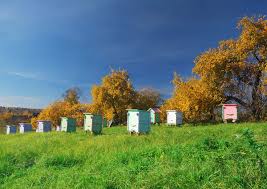
The best place for a beehive is a dry, level, accessible location with morning sun, wind protection, nearby water, and good forage within flight range. Morning sun helps bees begin flying earlier, while wind protection and drainage reduce stress on the colony.
Hive location is one of the first decisions that affects colony performance. A poor location can make inspections harder, increase moisture inside the hive, expose bees to harsh wind, or encourage robbing from nearby colonies. A good location makes the hive easier to manage and gives the colony a stronger start.
Beekeeper Tip
If you provide water before installing bees, they are more likely to use your water source instead of a neighbor’s pool, birdbath, or pet bowl.
What Equipment Does a Successful Beehive Need?
A successful beehive needs a solid hive body, frames, foundation, covers, a bottom board, protective gear, a smoker, and a hive tool. Durable equipment makes inspections smoother and helps protect the colony from weather, pests, and unnecessary disturbance.
Quality equipment matters because the hive is both the bees’ home and the beekeeper’s management system. Equipment that warps, cracks, or fits poorly can create gaps, drafts, moisture problems, and inspection frustration.
Bottom board, brood boxes, frames, foundation, inner cover, outer cover, and honey supers.
Bee suit or jacket, veil, gloves, and footwear that lets you work calmly.
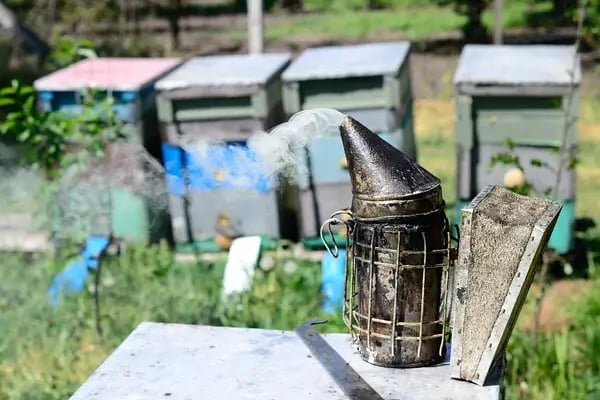
Smoker, hive tool, bee brush, and a simple record system.
Extra boxes and frames ready before the colony becomes crowded.
Equipment Longevity Note
At Lappe’s Bee Supply, wax-dipped woodenware is preferred by many beekeepers because it resists weathering and can last longer before touch-up than standard painted equipment. Longer-lasting equipment reduces replacement costs and keeps hive parts fitting properly over time.
How Does a Honey Bee Colony Work?
A honey bee colony functions through three castes: the queen, workers, and drones. The queen lays eggs, workers perform nearly all hive labor, and drones exist primarily to mate with queens from other colonies.
Understanding colony structure helps a beekeeper know what they are seeing during an inspection. A hive is not just a box of bees. It is a coordinated colony where brood, food, pheromones, temperature, and population all work together.
👑 Queen Bee
Main role: Lays eggs and produces colony-regulating pheromones.
What to notice: Eggs, young larvae, and a consistent brood pattern.
🐝 Worker Bees
Main role: Forage, clean, feed brood, defend, build comb, and process nectar.
What to notice: Strong activity, brood coverage, and resource gathering.
🔵 Drones
Main role: Mate with virgin queens.
What to notice: Drones are normal in spring and summer, but usually disappear before winter.
How Often Should You Inspect a Beehive?
During spring and summer, inspect most active beehives every 7 to 10 days. This schedule helps catch queen failure, swarm preparation, food shortages, brood problems, and Varroa mite pressure while there is still time to respond.
Inspections should be frequent enough to catch problems, but not so frequent that the colony is constantly disturbed. In active buildup season, colonies can change quickly. A hive that looked roomy one week may need another box the next.
Confirm queenright status, buildup, food, and swarm signs.
Watch supers, food stores, brood space, and mite pressure.
Prepare for winter, verify stores, and finish mite management.
Check entrance, weight, ventilation, and storm damage only.
What Should You Check During an Inspection?
- Eggs or young larvae
- Brood pattern
- Queen cells
- Honey and pollen stores
- Comb condition
- Hive population
- Signs of pests or disease
- Available space for brood and nectar
- Colony temperament
Practical Field Note
Many first-year colonies expand quickly after installation. In a strong spring flow, it is common for a new colony to need a second deep within about 3 to 4 weeks. Do not wait until every frame is packed before planning the next box.
How Can You Tell If a Hive Is Healthy?
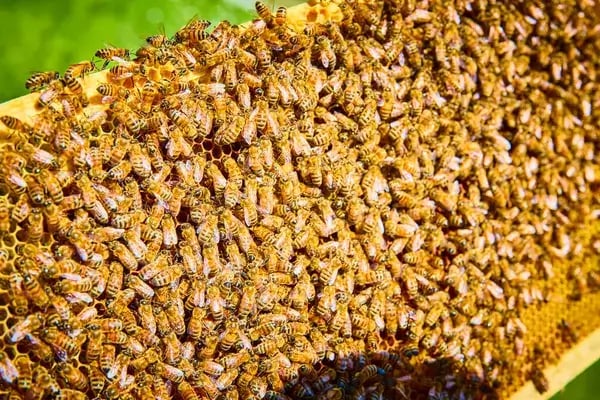
A healthy hive usually has active foragers, a steady brood pattern, visible eggs or larvae, adequate pollen and nectar, calm behavior, and enough bees to cover the brood. A struggling hive may show spotty brood, low population, queenlessness, high mite counts, poor food stores, or unusual defensiveness.
Warning Signs That Need Attention
- No eggs or larvae
- Spotty brood pattern
- Very low bee population
- High Varroa mite count
- Excessive dead bees
- Unusual odor
- Chalky, sunken, or discolored brood
- No food during a dearth
What Do Bees Need for Proper Nutrition?
Honey bees need nectar or honey for carbohydrates, pollen for protein, water for hydration and cooling, and diverse forage throughout the season. Nutrition affects brood rearing, wax production, immune strength, winter survival, and honey production.
Strong colonies need more than flowers for a few weeks. They need a sequence of bloom that carries them through spring buildup, summer nectar flows, late-summer dearths, and fall preparation.
When Should You Feed Honey Bees?
Feed honey bees when a new colony is being established, when natural nectar is unavailable, when stores are low, or when a colony needs support before winter. Feeding should solve a specific shortage; it should not replace good forage or regular hive management.
New packages and nucleus colonies often need syrup while they draw comb and build population. Established colonies may need feed during nectar dearths or after a poor season. The right feed depends on the time of year and the colony’s need.
Important Feeding Reminder
Do not feed syrup while honey supers intended for harvest are on the hive unless you specifically intend that feed to become part of the colony’s food stores rather than marketable honey.
How Do You Control Varroa Mites and Bee Diseases?
Varroa mites are controlled by monitoring mite levels, using an Integrated Pest Management plan, treating when thresholds are reached, and confirming that treatment worked. A beekeeper should not rely on visual inspection alone because damaging mite levels may be present before mites are obvious on bees.
Varroa destructor is one of the most serious threats to managed honey bee colonies. The mites weaken bees directly and can spread viruses through the colony. Good Varroa control is not a one-time task; it is a season-long management practice.
Highly accurate mite count method for measuring infestation level.
Non-lethal sampling method when performed correctly.
Passive monitoring method that shows mite drop trends.
Confirms whether the treatment reduced mite pressure.
Integrated Pest Management Steps
- Monitor mite levels on a schedule.
- Compare results to accepted treatment thresholds for your region and season.
- Use cultural, mechanical, and chemical tools when appropriate.
- Rotate approved treatments to reduce resistance pressure.
- Recheck mite levels after treatment.
- Keep records for every hive.
Do Not Guess on Mites
A colony can look strong and still carry a dangerous mite load. Testing is the only reliable way to know whether Varroa pressure is under control.
How Do You Prevent Overcrowding and Swarming?
Prevent overcrowding by adding space before the colony becomes congested, monitoring brood nest expansion, adding honey supers before a nectar flow, and splitting strong colonies when appropriate. Swarming is more likely when a strong colony runs out of room for brood, nectar, or bees.
Swarming is natural reproduction for a honey bee colony, but it can reduce honey production and leave the beekeeper with fewer bees in the original hive. The goal is not to fight colony growth. The goal is to manage it.
Signs a Colony May Be Preparing to Swarm
- Queen cells along the lower edges of frames
- Crowded brood nest
- Backfilling of brood cells with nectar
- Reduced laying space for the queen
- Heavy bee population with little open comb
Why Should Beekeepers Keep Hive Records?
Hive records help beekeepers make better decisions by tracking queen performance, brood pattern, food stores, mite counts, treatments, temperament, and equipment changes. Without records, it is easy to forget what changed between inspections.
A simple notebook, spreadsheet, or hive inspection app can work. The best record system is the one you will actually use after every inspection.
What to Record
- Date and weather
- Queen seen or evidence of queen
- Brood pattern
- Frames of bees
- Frames of brood
- Food stores
- Mite count
- Treatment used, if any
- Boxes added or removed
- Temperament
- Next action needed
Beehive Success Checklist
Use this checklist during the active season to decide whether your hive is on track.
- Morning sun reaches the hive.
- The hive is level, dry, and easy to access.
- Bees have a safe water source.
- The queen is laying or there are fresh eggs.
- The brood pattern is consistent.
- The colony has nectar or honey stores.
- The colony has pollen available.
- There is enough space for brood and nectar.
- Varroa mites are monitored regularly.
- Treatments are used only when needed and according to label directions.
- Equipment is clean, solid, and properly fitted.
- Hive records are updated after inspections.
Frequently Asked Questions About Thriving Beehives
What is the most important part of keeping a hive healthy?
The most important part of keeping a hive healthy is regular inspection. Inspections reveal queen status, brood health, food supply, pest pressure, and space needs.
How often should a beginner inspect a beehive?
A beginner should inspect an active hive every 7 to 10 days in spring and summer. This schedule gives the beekeeper enough information without creating unnecessary disturbance.
How do I know if my queen is healthy?
A healthy queen usually produces a steady pattern of eggs and brood. You do not always need to see the queen if you can see fresh eggs, young larvae, and a good brood pattern.
Should I feed a new bee colony?
Yes, new colonies often benefit from sugar syrup while they draw comb and build population, especially when natural nectar is limited.
What is the biggest threat to a beehive?
Varroa mites are one of the biggest threats to managed honey bee colonies. Regular mite monitoring and timely treatment are essential parts of hive management.
How do I stop my bees from swarming?
Reduce swarm risk by giving the colony enough space, adding supers before the hive becomes crowded, monitoring queen cells, and splitting strong colonies when appropriate.
What does a healthy brood pattern look like?
A healthy brood pattern is compact and consistent, with relatively few empty cells scattered through the brood area.
Do bees need water near the hive?
Yes. Bees use water for hydration, brood nest regulation, and cooling the hive during hot weather.
Sources and Further Reading
FAQs
What is the most important part of keeping a hive healthy?
The most important part of keeping a hive healthy is regular inspection. Inspections reveal queen status, brood health, food supply, pest pressure, and space needs.
How often should a beginner inspect a beehive?
A beginner should inspect an active hive every 7 to 10 days in spring and summer. This schedule gives the beekeeper enough information without creating unnecessary disturbance.
How do I know if my queen is healthy?
A healthy queen usually produces a steady pattern of eggs and brood. You do not always need to see the queen if you can see fresh eggs, young larvae, and a good brood pattern.
Should I feed a new bee colony?
Yes, new colonies often benefit from sugar syrup while they draw comb and build population, especially when natural nectar is limited.
What is the biggest threat to a beehive?
Varroa mites are one of the biggest threats to managed honey bee colonies. Regular mite monitoring and timely treatment are essential parts of hive management.
How do I stop my bees from swarming?
Reduce swarm risk by giving the colony enough space, adding supers before the hive becomes crowded, monitoring queen cells, and splitting strong colonies when appropriate.
What does a healthy brood pattern look like?
A healthy brood pattern is compact and consistent, with relatively few empty cells scattered through the brood area.
Do bees need water near the hive?
Yes. Bees use water for hydration, brood nest regulation, and cooling the hive during hot weather.