Welcome to Lappe's Bee Supply's blogs section. We are a trusted beekeeping company in the USA. We give relevant insights, seasonal guidance, and professional advice for beekeepers of all experience levels. From hive management and bee wellness to honey production and equipment guides, we have it all that you will require to thrive. Get updated, motivated, and connected with the beekeeping community through regular news from Lappe's Bee Supply.
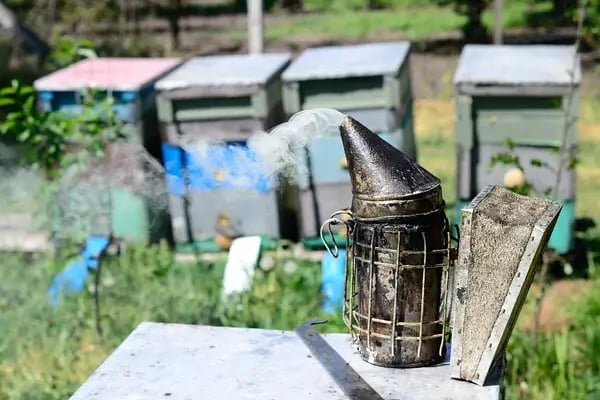
An In-Depth Exploration of Honey Bee Smokers and Fuel Options
The Buzz About This Post
- Quick Answer: Best Bee Smoker Fuel
- Table of Contents
- What Does a Honey Bee Smoker Do?
- Why Does Smoke Calm Honey Bees?
- What Is the Best Fuel for a Bee Smoker?
- Bee Smoker Fuel Comparison Chart
- Recommended Smoker Supplies
- How Do You Light a Bee Smoker?
- What Are the Most Common Bee Smoker Mistakes?
- Best Beginner Bee Smoker Fuel Setup
- What Should You Never Burn in a Bee Smoker?
- Need a Better Bee Smoker?
- Frequently Asked Questions About Bee Smokers
- Related Beekeeping Guides
- Final Thoughts
- Sources
- FAQs
Honey Bee Smokers and Fuel Options: Best Smoker Fuels for Beekeeping
Published: March 18, 2025
Updated: May 27, 2026
A honey bee smoker helps calm bees during hive inspections by producing cool smoke that reduces alarm communication and defensive behavior.
The best smoker fuels are dry, untreated natural materials that smolder slowly while creating cool white smoke.
Quick Answer: Best Bee Smoker Fuel
- Best overall: Untreated burlap
- Best starter fuel: Dry pine needles or plain cardboard strips
- Longest burn: Cypress mulch or smoker pellets
- Best smoke quality: Cool white smoke without visible flames
- Avoid: Treated wood, plastic, glossy paper, synthetic fabric, lighter fluid, and chemical fire starters
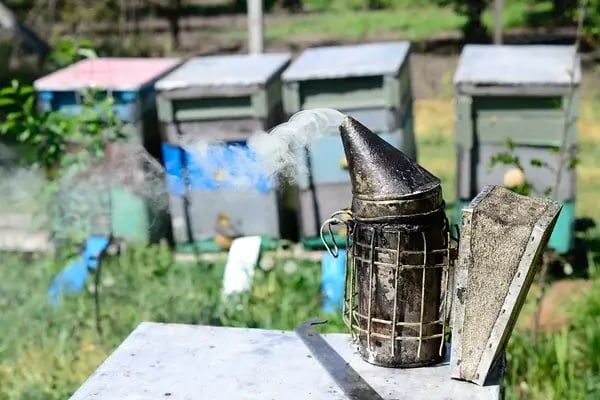
A properly lit bee smoker can completely change the tone of a hive inspection. Calm bees are easier to inspect, easier to manage, and less likely to become defensive while you work the colony.
For new beekeepers building a basic kit, a stainless steel bee smoker is one of the most important beekeeping tools to keep close by during routine colony checks.
What Does a Honey Bee Smoker Do?
A honey bee smoker is a metal beekeeping tool that creates cool smoke used to calm bees during hive inspections and colony management.
A standard smoker contains a combustion chamber, bellows, nozzle, and heat shield. The beekeeper places fuel inside the chamber, lights it, and uses the bellows to push smoke through the nozzle.
A dependable smoker gives the beekeeper more control during inspections, especially when opening brood boxes, checking honey supers, or working colonies during busy nectar flows.
Why Does Smoke Calm Honey Bees?
Smoke calms honey bees because it interrupts alarm pheromone communication and reduces defensive behavior inside the colony.
When guard bees sense danger, they release alarm pheromones that alert nearby bees to defend the hive. A small amount of cool smoke can interfere with that alarm signal and encourage bees to move deeper into the hive instead of reacting defensively.
The key is to use light, cool smoke rather than excessive hot smoke. Too much smoke can agitate bees, make inspections harder, and create unnecessary stress inside the colony.
What Is the Best Fuel for a Bee Smoker?
The best smoker fuel burns slowly, stays lit during inspections, produces cool smoke, and contains no synthetic chemicals or additives.
Most experienced beekeepers prefer untreated burlap, pine needles, cypress mulch, smoker pellets, and hardwood chips. Good beekeeper smoker fuel should create steady smoke without sharp odors, chemical residue, or visible flames.
If you are preparing for your first season, add a quality smoker and safe fuel to your beginner beekeeping supplies before your first package, nuc, or hive inspection.
Best Overall Fuel
Untreated burlap is one of the best overall smoker fuels because it burns slowly and produces cool dense smoke during long inspections.
Best Starter Fuel
Dry pine needles ignite quickly and help establish a strong ember bed before adding slower-burning material.
Longest Burn Time
Cypress mulch and smoker pellets often provide the longest steady burn times for multiple hive inspections.
Bee Smoker Fuel Comparison Chart
| Fuel Type | Burn Time | Smoke Quality | Ease of Lighting | Best Use |
|---|---|---|---|---|
| Untreated Burlap | Long | Cool and dense | Moderate | Routine inspections |
| Pine Needles | Medium | Heavy smoke | Easy | Starter fuel and quick inspections |
| Cypress Mulch | Very long | Steady cool smoke | Moderate | Long hive inspections |
| Smoker Pellets | Long | Consistent smoke | Easy | Convenient repeatable use |
| Hardwood Chips | Medium | Aromatic smoke | Moderate | Experienced beekeepers |
Recommended Smoker Supplies
A good smoker setup includes the smoker itself, a safe starter fuel, and a dependable main fuel that keeps producing cool smoke throughout the inspection.
Honey Bee Smokers
Choose a durable smoker with a protective heat shield, strong bellows, and enough chamber space for routine inspections.
Shop SmokersSmoker Fuel
Keep clean, dry, untreated smoker fuel on hand so you are not searching for fuel right before opening a colony.
Shop Smoker FuelHive Inspection Tools
Pair your smoker with a hive tool, protective veil, gloves, and other inspection essentials for safer colony checks.
Shop Hive ToolsHow Do You Light a Bee Smoker?
To light a bee smoker correctly, start with fast-burning material and gradually add slower-burning fuel until the smoker produces cool white smoke.
- Add pine needles, cardboard strips, or dry grass to the bottom of the smoker.
- Light the starter fuel while pumping the bellows.
- Add burlap, pellets, mulch, or wood chips once the fire catches.
- Continue pumping until thick cool smoke appears.
- Test the smoke temperature on your hand before using it near bees.
Field Tip: A smoker packed too tightly may go out quickly, while a smoker packed too loosely may burn too hot. The best smoke should feel cool on your hand before it is used near the hive entrance or under the inner cover.
A smoker bellows should move air smoothly through the chamber. If the bellows are damaged, cracked, or weak, the smoker may be harder to light and may not produce consistent smoke during longer inspections.
What Are the Most Common Bee Smoker Mistakes?
The most common bee smoker mistakes involve overheating the smoker, packing fuel too tightly, or using unsafe materials that create harsh smoke.
| Problem | Cause | Solution |
|---|---|---|
| Smoker keeps going out | Fuel packed too tightly | Loosen the fuel and improve airflow |
| Smoke feels too hot | Open flames inside smoker | Add denser slow-burning fuel |
| Weak smoke output | Fuel not fully ignited | Relight starter material and pump bellows |
| Bees become defensive | Too much hot smoke | Use fewer puffs of cool smoke |
Best Beginner Bee Smoker Fuel Setup
Starter Layer: Pine needles or cardboard
Main Fuel: Untreated burlap or smoker pellets
Goal: Thick cool white smoke without visible flames
For most backyard beekeepers, this simple setup is easier to manage than relying on one fuel source alone. The starter layer helps the smoker light quickly, while the main fuel keeps it burning long enough to inspect multiple hives.
What Should You Never Burn in a Bee Smoker?
Never burn treated, painted, synthetic, chemically coated, or petroleum-based materials in a bee smoker.
- Treated lumber
- Painted wood
- Plastic
- Synthetic fabrics
- Glossy paper
- Wax-coated packaging
- Lighter fluid
- Chemical fire starters
Unsafe smoker fuel can create harsh fumes, chemical residue, or hot smoke that may harm bees and make inspections more difficult. Stick with clean, dry, untreated materials whenever possible.
Need a Better Bee Smoker?
A dependable smoker and safe natural fuel help create calmer inspections and less stress on the colony. Browse bee smokers and smoker fuel options before your next hive inspection.
Shop Honey Bee SmokersFrequently Asked Questions About Bee Smokers
What is the best fuel for a bee smoker?
The best bee smoker fuels are dry, natural, untreated materials that smolder slowly while producing cool white smoke. Untreated burlap, pine needles, cypress mulch, smoker pellets, and hardwood chips are common options.
Why do beekeepers use smoke on bees?
Beekeepers use smoke because it interrupts alarm pheromone communication and encourages bees to retreat deeper into the hive. This can make inspections calmer and safer for both the beekeeper and the colony.
Can you use pine needles in a bee smoker?
Yes. Dry pine needles are commonly used in bee smokers because they ignite quickly and create heavy smoke. Many beekeepers use pine needles as starter fuel before adding slower-burning material.
Is burlap safe for bee smokers?
Untreated natural burlap is considered one of the best smoker fuels because it burns slowly and creates cool steady smoke. Do not use burlap that has been treated, dyed, or exposed to chemicals.
Can you use cardboard in a bee smoker?
Plain brown cardboard can be used as starter fuel in a bee smoker, but it usually burns too quickly to work well as the main fuel. Avoid glossy, printed, wax-coated, or chemically treated cardboard.
What should never be burned in a bee smoker?
Never burn treated wood, painted wood, plastic, synthetic fabric, glossy paper, lighter fluid, or chemical fire starters in a bee smoker. These materials may create harsh smoke or chemical fumes.
Related Beekeeping Guides
Final Thoughts
A properly maintained smoker and safe natural fuel make hive inspections calmer, safer, and more efficient for both the beekeeper and the bees.
Choosing cool-burning untreated fuel, learning proper smoker technique, and keeping your smoker ready before each inspection can dramatically improve colony management throughout the season.
Sources
These sources are included for additional reading on honey bee behavior, beekeeping basics, smoker fuel options, and safe hive inspection practices.
- USDA ARS: Smoke Effects on Honey Bee Defensive Behavior
- Smoke Conditions Affect the Release of the Venom Droplet Accompanying the Sting Extension Response in Honey Bees
- Penn State Extension: Beekeeping Basics
- Carolina Honeybees: Best Bee Smoker Fuel Guide
- Buddha Bee Apiary: Why Do Beekeepers Use Smoke?
- Lappe's Bee Supply: Honey Bee Smokers
```
FAQs
What is the best fuel for a bee smoker?
The best bee smoker fuels are dry, natural, untreated materials that smolder slowly while producing cool white smoke.
Why do beekeepers use smoke on bees?
Beekeepers use smoke because it interrupts alarm pheromone communication and encourages bees to retreat deeper into the hive.
Can you use pine needles in a bee smoker?
Yes. Dry pine needles are commonly used in bee smokers because they ignite quickly and create heavy smoke.
Is burlap safe for bee smokers?
Untreated natural burlap is considered one of the best smoker fuels because it burns slowly and creates cool steady smoke. Do not use burlap that has been treated, dyed, or exposed to chemicals.
Can you use cardboard in a bee smoker?
Plain brown cardboard can be used as starter fuel in a bee smoker, but it usually burns too quickly to work well as the main fuel. Avoid glossy, printed, wax-coated, or chemically treated cardboard.
What should never be burned in a bee smoker?
Never burn treated wood, painted wood, plastic, synthetic fabric, glossy paper, lighter fluid, or chemical fire starters in a bee smoker. These materials may create harsh smoke or chemical fumes.