Welcome to Lappe's Bee Supply's blogs section. We are a trusted beekeeping company in the USA. We give relevant insights, seasonal guidance, and professional advice for beekeepers of all experience levels. From hive management and bee wellness to honey production and equipment guides, we have it all that you will require to thrive. Get updated, motivated, and connected with the beekeeping community through regular news from Lappe's Bee Supply.
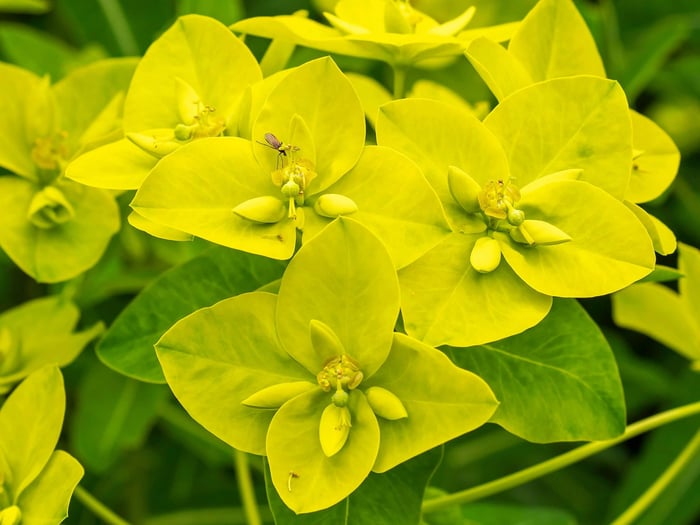
Plants to Avoid When You Have Honeybees
The Buzz About This Post
- What are the key takeaways about plants and honey bee safety?
- What will this guide cover?
- What does “plants to avoid” actually mean?
- Which plants may produce toxic nectar or pollen?
- Why are rhododendrons and related plants a concern?
- Are oleander and foxglove dangerous to honey bees?
- Why should invasive plants be managed around an apiary?
- Are pesticide-treated plants a greater concern than most plant species?
- How can nursery plants expose bees to pesticides?
- Which beneficial plants are sometimes incorrectly called harmful?
- How should common plants be evaluated around honey bee colonies?
- How can beekeepers create a safer forage landscape?
- What warning signs should be investigated during a major bloom?
- Should every questionable plant be removed from around an apiary?
- What should beekeepers know before changing their landscape?
- Are most flowering plants safe for honey bees?
- What plants are most concerning for honey bees?
- Should I remove azaleas from my yard?
- Can toxic plants make honey unsafe to eat?
- Is Japanese knotweed harmful to honey bees?
- Are willow trees bad for honey bees?
- Are fruit trees harmful because they attract wasps?
- Is sweet clover toxic to honey bees?
- Are organic pesticides always safe for bees?
- What is the best way to protect bees in a garden?
- Where can readers verify this information?
- FAQs
Beekeeping Guide
Plants to Avoid Around Honey Bees: What Beekeepers Should Know
Honey bees depend on flowering plants for nectar, pollen, plant resins and other resources, but not every plant contributes equally to a healthy foraging environment. A small number of plants can produce potentially harmful nectar or pollen, invasive plants may displace valuable native forage, and pesticide-treated flowers can expose bees to harmful residues.
The most important lesson is that beekeepers should not treat every unfamiliar or non-native plant as dangerous. Most flowering plants do not poison honey bees. In many landscapes, pesticide exposure, limited floral diversity and gaps in seasonal forage are more serious concerns than the plant species itself.
This guide explains which plant-related risks deserve attention, which commonly repeated warnings need more context and how to create a safer landscape for managed honey bee colonies.
Written by: Lappe's Bee Supply Team
Reviewed by: Lappe's Beekeeping Team
Published: June 10, 2025
Last updated: July 22, 2026
Editorial standards: Lappe's Bee Supply creates educational content using practical beekeeping experience, university Extension guidance, government publications and peer-reviewed research. Plant risks may vary by species, region, bloom conditions, pesticide use and the availability of alternative forage.
What are the key takeaways about plants and honey bee safety?
Most flowers are not inherently dangerous to honey bees, but toxic nectar, invasive growth and pesticide contamination can create legitimate concerns.
- Only a limited number of plants are known to produce nectar or pollen that may harm bees under particular conditions.
- Pesticide-treated flowers may create a greater practical risk than the identity of the plant itself.
- Invasive plants can provide nectar while still damaging native plant communities and reducing long-term habitat diversity.
- Fruit trees, willow, sweet clover and many flowering weeds can be valuable honey bee forage and should not automatically be removed.
- A diverse landscape with overlapping bloom periods is usually safer than one dominated by a single flowering species.
- Plant recommendations should be adjusted for regional climate, invasive-species rules and local growing conditions.
What does “plants to avoid” actually mean?
A plant may deserve caution because of toxic nectar, invasive behavior, pesticide treatment or poor landscape value—not simply because bees visit it.
- A toxic plant contains compounds that may harm bees, livestock, wildlife or people under sufficient exposure.
- An invasive plant spreads aggressively and causes ecological, agricultural or economic harm outside its native range.
- A pesticide-contaminated plant may expose bees through nectar, pollen, surface residues or drifting spray.
- A low-value plant offers little or no nectar or pollen while displacing more useful flowering vegetation.
These categories should not be combined into one list of “poisonous plants.” A flower can provide nectar and still be ecologically invasive. Another plant may be safe when untreated but hazardous after an insecticide application. A grass may offer no bee forage without directly harming bees.
The goal is not to eliminate every plant that appears on an online warning list. The better approach is to identify the specific concern, determine whether it applies locally and compare that risk with the plant’s actual value to bees and the surrounding ecosystem.
Which plants may produce toxic nectar or pollen?
A relatively small group of plants can produce nectar or pollen containing compounds that affect honey bees or make harvested honey unsafe.
- Plant toxicity depends on the species and the chemical compounds present in its nectar or pollen.
- Risk usually increases when large numbers of the same plant bloom with few alternative forage sources nearby.
- A plant that is poisonous to people or livestock is not automatically proven toxic to honey bees.
- Some toxins may be more important as a food-safety concern in honey than as a cause of colony death.
Documented or suspected toxic-forage plants include certain species of rhododendron, azalea, mountain laurel and yellow jessamine. The degree of risk varies by species and region. Beekeepers should verify the scientific name before making a planting or removal decision because common names are often applied to several unrelated plants.
A few visits to a questionable flower do not necessarily mean a colony is in danger. Honey bees normally gather forage from many locations, which can dilute exposure. Concern becomes more reasonable when a potentially toxic plant dominates the available bloom or when unusual bee behavior appears during a concentrated flowering period.
Why are rhododendrons and related plants a concern?
Some rhododendrons, azaleas and mountain laurels contain grayanotoxins that can enter nectar and occasionally contaminate honey.
- Grayanotoxins are naturally occurring plant compounds found in certain members of the heath family.
- Not every rhododendron or azalea species produces the same concentration of these compounds.
- Risk depends on the plant species, growing region, abundance of bloom and availability of competing forage.
- Honey produced primarily from grayanotoxin-containing flowers may be unsafe for human consumption.
The term “mad honey” is commonly used for honey containing enough grayanotoxin to cause illness in people. Most commercial honey in the United States does not present this problem because bees usually forage across a diverse landscape and honey from multiple floral sources is blended within the colony.
A beekeeper with extensive rhododendron, azalea or mountain laurel bloom near an apiary should identify the exact plant species and consult local Extension guidance. The presence of a few ornamental shrubs does not automatically require removal, but large, concentrated plantings may deserve closer evaluation.
Are oleander and foxglove dangerous to honey bees?
Oleander and foxglove are poisonous plants, but their toxicity to people does not prove that normal bee visitation will poison a colony.
- Oleander contains cardiac glycosides and is highly poisonous when its plant tissue is eaten by people or animals.
- Foxglove contains cardiac glycosides that can affect heart function when ingested in sufficient amounts.
- Evidence about plant toxicity must distinguish toxic leaves and stems from nectar and pollen exposure.
- Beekeepers should not claim that either plant routinely kills honey bee colonies without species-specific evidence.
This distinction is important because many plant-warning articles repeat human or livestock toxicity information as though it automatically applies to bee-collected nectar. Different animals absorb and metabolize compounds differently, and toxin levels may vary among leaves, stems, pollen and nectar.
Oleander and foxglove should still be handled carefully in landscapes used by children, pets or livestock. However, describing either plant as a proven cause of routine honey bee colony mortality would require stronger evidence than is currently provided by most gardening lists.
Why should invasive plants be managed around an apiary?
Invasive plants can supply nectar while still reducing native plant diversity, altering habitat and creating long-term ecological damage.
- Invasive plants can form dense stands that crowd out native flowers.
- A single invasive bloom may feed bees temporarily but reduce the variety of forage available across the full season.
- Legal restrictions and control recommendations vary by state.
- Removal should be followed by replacement with useful, noninvasive flowering plants.
Japanese knotweed is a good example of why plant evaluation requires context. Honey bees may collect substantial late-season nectar from knotweed, and beekeepers sometimes value the resulting dark honey. However, the plant can spread aggressively, damage infrastructure and displace native vegetation. Its temporary nectar value does not erase its invasive status.
Garlic mustard can also spread through woodland habitats and interfere with native plant communities. Even when bees visit an invasive plant, encouraging its spread is generally not a sound pollinator-conservation strategy. Follow state and local recommendations when controlling invasive species, and restore the area with a mixture of regionally appropriate plants.
Are pesticide-treated plants a greater concern than most plant species?
Yes. In many gardens and agricultural landscapes, pesticide exposure is a more practical bee-health concern than naturally toxic flowers.
- Honey bees can encounter pesticides while collecting nectar, pollen and water.
- Direct spray, contaminated bloom and pesticide drift can all create exposure.
- Some exposures kill bees quickly, while others may produce sublethal effects.
- The pesticide label is a legal document and must be followed exactly.
- Flowers in bloom should not be sprayed with products that prohibit application during bee activity.
The USDA Agricultural Research Service identifies parasites and pests, pathogens, poor nutrition and pesticide exposure as major overlapping pressures on honey bee health. Pesticides are not the only reason colonies decline, but exposure can interact with other stressors and make colony health more difficult to maintain.
Reduce unnecessary pesticide use, follow integrated pest management practices and avoid treating flowering plants while bees are actively visiting them. When treatment is necessary, choose the least hazardous effective option permitted by the label and follow all restrictions concerning bloom, drift, timing and pollinator protection.
How can nursery plants expose bees to pesticides?
Flowering nursery plants may have received systemic or contact pesticides before purchase, even when no residue is visible on the plant.
- A flowering plant’s treatment history may not be obvious from its appearance.
- Systemic products are absorbed by plant tissues rather than remaining only on the surface.
- Contact pesticides may remain on leaves and flowers for a period determined by the product and conditions.
- Retail labels such as “pollinator friendly” do not necessarily describe the plant’s pesticide history.
Ask the nursery whether flowering plants were treated with systemic insecticides or other products hazardous to bees. Read the plant tag and any pesticide information supplied by the grower. When treatment history cannot be confirmed, consider removing open flowers before planting and allowing time for new, untreated growth, although the appropriate precaution depends on the product used.
“Organic” and “natural” should not be treated as automatic guarantees of bee safety. Some naturally derived pesticides can harm pollinators. The product, concentration, exposure route and application timing matter more than a broad marketing label.
Which beneficial plants are sometimes incorrectly called harmful?
Willow, fruit trees, sweet clover and safflower should not be broadly classified as plants that beekeepers must avoid.
- Willows can provide valuable early pollen and nectar when few other plants are blooming.
- Apple, cherry, pear, plum and other fruit blossoms can be important spring forage.
- Sweet clover is widely recognized as a productive honey plant in suitable regions.
- Safflower can provide nectar or pollen where varieties and growing conditions support bee visitation.
- Fallen fruit may attract yellowjackets, but that does not make the flowering tree harmful to bees.
The original version of this article warned against several plants without separating direct bee toxicity from unrelated concerns. For example, a willow may host plant-feeding mites, but those mites are not automatically honey bee parasites or disease vectors. A fruit tree may attract wasps to overripe fruit after bloom, but its spring flowers remain valuable bee forage.
Likewise, sweet clover contains coumarin, yet that fact alone does not make its nectar toxic to honey bees. Plant chemistry must be interpreted through actual exposure and documented effects rather than by the presence of a compound name.
How should common plants be evaluated around honey bee colonies?
Evaluate each plant by documented bee toxicity, invasive status, pesticide exposure, bloom timing and contribution to seasonal forage diversity.
| Plant or Plant Group | Main Consideration | Recommended Approach |
|---|---|---|
| Rhododendron and azalea | Some species may produce grayanotoxin-containing nectar. | Identify the exact species and evaluate the abundance of nearby bloom. |
| Mountain laurel | Some species contain grayanotoxins. | Use regional guidance where large natural stands surround an apiary. |
| Yellow jessamine | Nectar toxicity has been reported under certain conditions. | Confirm the species and consult local Extension recommendations. |
| Oleander | The plant is highly poisonous to people and animals, but bee risk requires careful evidence. | Do not treat general plant toxicity as proof of colony poisoning. |
| Foxglove | Plant tissue contains cardiac glycosides. | Use caution around people and animals; avoid unsupported bee-mortality claims. |
| Japanese knotweed | Provides nectar but is invasive in many areas. | Do not intentionally spread it; follow local control requirements. |
| Garlic mustard | Can displace native woodland vegetation. | Control where recommended and restore the site with suitable native plants. |
| Willow | Valuable early-season forage in many regions. | Retain healthy trees unless another site-specific concern requires removal. |
| Fruit trees | Important spring bloom; fallen fruit can later attract wasps. | Keep the trees and manage dropped or damaged fruit when necessary. |
| Sweet clover | Potentially valuable nectar source but may be invasive in some locations. | Check local status before planting; do not classify it as inherently toxic to bees. |
| Safflower | Forage value varies by cultivar, flower structure and local conditions. | Evaluate regional performance instead of dismissing it as poor-quality nectar. |
| Commercial ornamentals | Possible pesticide treatment before purchase. | Ask about treatment history and choose plants grown with pollinator safety in mind. |
How can beekeepers create a safer forage landscape?
A safe bee landscape combines diverse untreated flowers, overlapping bloom periods, clean water and responsible pest management.
- Inventory the plants already present. Record trees, shrubs, crops, garden flowers, weeds and natural areas within and around the apiary.
- Identify important bloom periods. Note which plants bloom during early spring buildup, the main nectar flow, summer dearth and fall preparation.
- Look for seasonal gaps. Add suitable flowering plants where colonies regularly experience limited nectar or pollen availability.
- Confirm invasive status before planting. A plant promoted as a good honey source in one region may be invasive or restricted in another.
- Choose plants with known treatment histories. Ask seed and nursery suppliers about systemic insecticides and other pollinator-related treatments.
- Use pesticide-free management whenever practical. When treatment is necessary, follow the label and reduce exposure to bloom, drift and contaminated water.
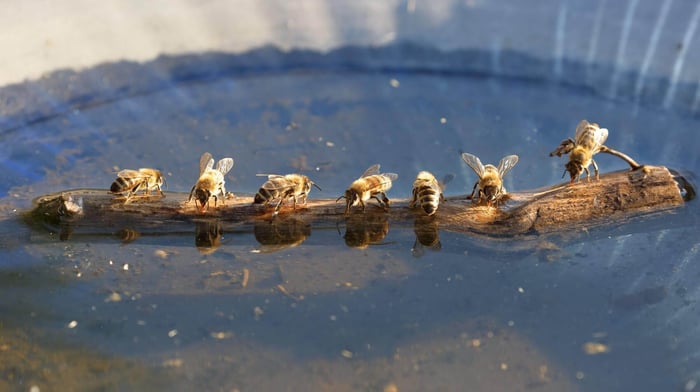
- Provide a safe water source. Use shallow water with stones, floats or textured landing surfaces so bees can drink without drowning.
- Track what the bees actually use. Watch pollen colors, foraging direction, bloom timing and changes in colony activity throughout the season.
Lappe's Field Notes
Choose several flowering species for each part of the season rather than expecting one “best bee plant” to support colonies all year. Trees and shrubs often provide large amounts of early forage, while perennial and annual flowers can help extend bloom through summer and fall.
Keep a simple apiary bloom record with the plant name, first bloom date, last bloom date, bee activity and weather conditions. Over several seasons, those records can become more useful than a generic national plant list because they reflect what grows and produces nectar in your own location.
What warning signs should be investigated during a major bloom?
Unusual numbers of dead bees, trembling, disorientation or sudden forager loss warrant investigation but do not identify a plant as the cause.
- Look for dead or impaired bees near the hive entrance, water sources and blooming plants.
- Record recent pesticide applications, spray drift, weather events and major changes in local bloom.
- Check the colony for Varroa mites, starvation, queen problems, brood disease and other common causes of decline.
- Preserve samples promptly when pesticide exposure is suspected.
- Contact the appropriate state apiary, pesticide or Extension authority for reporting and sampling instructions.
Symptoms alone rarely prove toxic-plant exposure. Pesticide poisoning, starvation, viral disease, heat stress, robbing and other problems can produce overlapping signs. Avoid removing plants or making public accusations until the likely cause has been investigated.
A plant becomes a stronger suspect when unusual bee behavior occurs during its concentrated bloom, the species is known to contain bee-active toxins, alternative forage is limited and other common colony problems have been reasonably excluded.
Should every questionable plant be removed from around an apiary?
No. Removal should be based on documented risk, local invasiveness, treatment history and the plant’s actual value within the landscape.
A few ornamental shrubs near a hive may present less risk than a large area of flowers treated during bloom. An invasive nectar plant may feed bees for several weeks while degrading habitat for years. A nonflowering grass may offer no forage but still stabilize soil and create no direct hazard to the colony.
Before removing a plant, ask five questions:
- Is the exact species correctly identified?
- Is there credible evidence that its nectar or pollen harms honey bees?
- Is it listed as invasive or restricted in this state?
- Has it been treated with a pesticide that could expose pollinators?
- What beneficial plant will replace it after removal?
Thoughtful replacement matters. Bare ground, turf grass or another invasive species may provide less value than the plant that was removed. A successful landscape plan replaces genuine risks with diverse, regionally suitable forage.
What should beekeepers know before changing their landscape?
Beekeepers should verify what plants to avoid, identify the specific risk and use regional evidence before planting, treating or removing vegetation.
Are most flowering plants safe for honey bees?
Yes. Most flowering plants do not poison honey bees, although their nutritional value, pesticide exposure and ecological effects can differ.
What plants are most concerning for honey bees?
Certain rhododendrons, azaleas, mountain laurels and yellow jessamine may produce problematic nectar under specific conditions. Risk depends on species, location and exposure.
Should I remove azaleas from my yard?
Not automatically. Identify the species, consider how many plants are present and consult regional guidance before removing established shrubs.
Can toxic plants make honey unsafe to eat?
Yes. Honey produced primarily from certain grayanotoxin-containing flowers can cause illness, although this is uncommon in most U.S. honey production.
Is Japanese knotweed harmful to honey bees?
Japanese knotweed can provide nectar, but it is invasive in many regions and can displace native vegetation. Beekeepers should not intentionally spread it.
Are willow trees bad for honey bees?
No. Willow can be an important early source of pollen and nectar when relatively few other plants are blooming.
Are fruit trees harmful because they attract wasps?
No. Fruit-tree blossoms are valuable bee forage. Removing fallen or damaged fruit can help reduce yellowjacket activity later in the season.
Is sweet clover toxic to honey bees?
Sweet clover is widely used by honey bees and can produce substantial nectar. Its invasive status should be checked locally before planting.
Are organic pesticides always safe for bees?
No. Some products permitted in organic production can harm pollinators, so the label, application method and exposure timing must still be evaluated.
What is the best way to protect bees in a garden?
Provide diverse untreated flowers from spring through fall, reduce pesticide use, manage invasive plants and maintain a safe water source.
Where can readers verify this information?
The following government and university resources provide further information about honey bee health, pesticide exposure, invasive plants and pollinator-friendly landscapes and what plants to avoid.
- Honey Bee Health — USDA Agricultural Research Service
- Pollinators — U.S. Department of Agriculture
- Protecting Pollinators from Pesticides — University of Minnesota Extension
- Plants and Landscapes to Support Pollinators — University of Minnesota Extension
- Creating a Pollinator Management Plan — University of Minnesota Extension
- Pollinator Health and Pesticides — Penn State Extension
- Pesticides and Pollinators — Penn State Extension
- Invasive Plants — U.S. Forest Service
- How You Can Help Pollinators — U.S. Forest Service
- Native Gardening — U.S. Forest Service
FAQs
Are most flowering plants safe for honey bees?
Yes. Most flowering plants do not poison honey bees, although their nutritional value, pesticide exposure and ecological effects can differ.
What plants are most concerning for honey bees?
Certain rhododendrons, azaleas, mountain laurels and yellow jessamine may produce problematic nectar under specific conditions. Risk depends on species, location and exposure.
Should I remove azaleas from my yard?
Not automatically. Identify the species, consider how many plants are present and consult regional guidance before removing established shrubs.
Can toxic plants make honey unsafe to eat?
Yes. Honey produced primarily from certain grayanotoxin-containing flowers can cause illness, although this is uncommon in most U.S. honey production.
Is Japanese knotweed harmful to honey bees?
Japanese knotweed can provide nectar, but it is invasive in many regions and can displace native vegetation. Beekeepers should not intentionally spread it.
Are willow trees bad for honey bees?
No. Willow can be an important early source of pollen and nectar when relatively few other plants are blooming.
Are fruit trees harmful because they attract wasps?
No. Fruit-tree blossoms are valuable bee forage. Removing fallen or damaged fruit can help reduce yellowjacket activity later in the season.
Is sweet clover toxic to honey bees?
Sweet clover is widely used by honey bees and can produce substantial nectar. Its invasive status should be checked locally before planting.
Are organic pesticides always safe for bees?
No. Some products permitted in organic production can harm pollinators, so the label, application method and exposure timing must still be evaluated.
What is the best way to protect bees in a garden?
Provide diverse untreated flowers from spring through fall, reduce pesticide use, manage invasive plants and maintain a safe water source.