Welcome to Lappe's Bee Supply's blogs section. We are a trusted beekeeping company in the USA. We give relevant insights, seasonal guidance, and professional advice for beekeepers of all experience levels. From hive management and bee wellness to honey production and equipment guides, we have it all that you will require to thrive. Get updated, motivated, and connected with the beekeeping community through regular news from Lappe's Bee Supply.
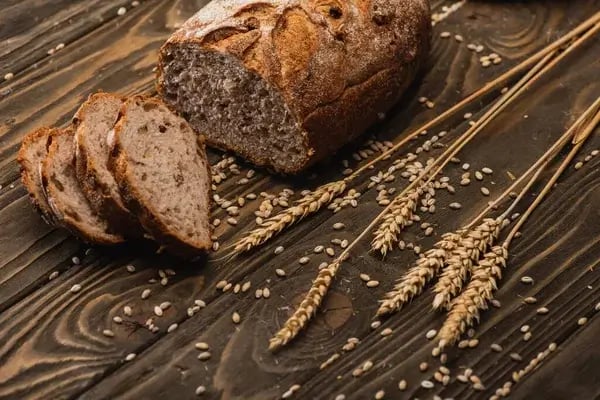
No-Knead Rye Bread
The Buzz About This Post
- What is no-knead rye bread?
- Table of Contents
- What are the key takeaways from this recipe?
- What should you know before making this rye bread?
- What ingredients do you need for no-knead rye bread?
- What does each ingredient do in rye bread?
- Why use honey instead of sugar in rye bread?
- How do you make no-knead rye bread?
- How do you know when the dough has risen enough?
- What are the most common mistakes when baking rye bread?
- Why might rye bread turn out dense?
- How can you serve no-knead rye bread?
- How should homemade rye bread be stored?
- Can you freeze homemade rye bread?
- Frequently Asked Questions
- What is no-knead rye bread?
- Does no-knead rye bread contain gluten?
- Can I leave out the caraway seeds?
- Why does this recipe combine rye flour and white flour?
- How warm should the water be?
- How do I know when the dough has doubled?
- Can I make two small loaves instead of one large loaf?
- Why should rye bread cool before slicing?
- How should homemade rye bread be stored?
- Can I substitute another oil for corn oil?
- What sources support this rye bread guide?
- About This Recipe
- FAQs
Lappe's Kitchen Recipes
No-Knead Rye Bread with Honey Recipe
This easy no-knead rye bread combines hearty rye flour, everyday white flour and honey in a simple homemade loaf that requires no traditional kneading.
Written by: Lappe's Bee Supply Team
Reviewed by: Lappe's Bee Supply Team
Published: May 28, 2025
Last updated: July 21, 2026
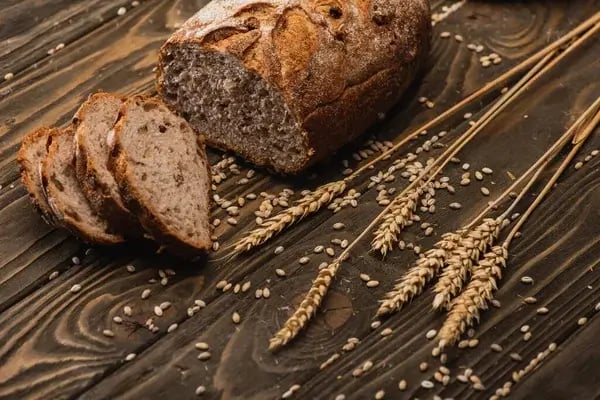
What is no-knead rye bread?
No-knead rye bread is a yeast bread that develops through mixing and rising instead of extended kneading. Combining rye flour with white flour gives the loaf a recognizable rye flavor while helping it rise and hold its shape.
What are the key takeaways from this recipe?
- No-knead rye bread uses fermentation and rising instead of extended kneading to develop its structure.
- White flour helps the dough retain gas, while rye flour supplies its hearty flavor and texture.
- Honey adds mild sweetness and contributes to the bread's flavor and browning.
- Caraway seeds are optional and may be omitted without changing the basic recipe.
- The dough should be judged by visible expansion rather than by a rigid rising time.
- The recipe makes one large loaf or two small loaves.
What should you know before making this rye bread?
This recipe makes a lightly sweet rye loaf with a soft, hearty interior. It is mixed with a wooden spoon, allowed to rise twice, shaped into one large loaf or two smaller loaves and optionally given a final rise before baking.
- Traditional kneading is not required.
- The recipe uses active dry yeast for leavening.
- Rye and white flour are combined for flavor and structure.
- The dough completes two main rises, with an optional final rise after shaping.
- The loaf bakes at 350°F for approximately 40 minutes.
Rye dough does not always feel or behave exactly like an all-wheat bread dough. It may feel slightly stickier and less elastic, especially after the rye flour is added. Avoid adding large amounts of extra flour simply to make the dough feel like conventional kneaded white bread. The finished dough should be cohesive enough to shape, but it does not need to become perfectly smooth.
For another simple honey-sweetened bread, see our honey whole wheat bread recipe.
What ingredients do you need for no-knead rye bread?
The recipe uses eight basic ingredients: yeast, water, honey, oil, salt, optional caraway seeds, rye flour and white flour.
No-Knead Rye Bread Ingredients
- 1 package active dry yeast
- 1¼ cups lukewarm water
- 2 tablespoons honey
- 2 tablespoons corn oil
- 1 teaspoon salt
- 1 teaspoon caraway seeds, optional
- 1 cup rye flour
- 2½ cups white all-purpose flour, divided
Use water that feels comfortably lukewarm rather than hot. Water that is excessively hot can damage the yeast, while cold water may cause the dough to rise more slowly. The exact rising speed will also depend on room temperature, ingredient temperature and yeast activity.
What does each ingredient do in rye bread?
Each ingredient has a practical purpose: yeast raises the dough, flour builds the loaf, honey adds sweetness, and oil helps create a softer crumb.
| Ingredient | Purpose in the Recipe | Helpful Note |
|---|---|---|
| Active dry yeast | Produces gas that causes the dough to expand. | Check the package date if the dough does not rise. |
| Lukewarm water | Hydrates the flour and activates the yeast mixture. | The water should not feel hot. |
| Honey | Adds mild sweetness and contributes to browning. | Measure the full two tablespoons for the intended flavor. |
| Corn oil | Adds fat and helps produce a softer crumb. | A mild vegetable oil may generally be substituted. |
| Salt | Balances flavor and supports dough structure. | Do not omit it unless required for dietary reasons. |
| Caraway seeds | Provide the familiar aromatic flavor associated with many rye breads. | They are optional and do not control the rise. |
| Rye flour | Provides rye flavor, color and a heartier texture. | Rye dough may feel stickier than white bread dough. |
| White flour | Supplies gluten-forming proteins that support loaf volume. | All-purpose flour is an appropriate choice. |
Gluten gives wheat bread dough cohesive, elastic and gas-retaining properties. Because rye behaves differently from wheat, blending rye flour with white flour makes this recipe easier to shape while preserving its rye character.
Why use honey instead of sugar in rye bread?
Honey adds gentle sweetness, flavor and moisture while helping the crust develop an appealing golden-brown color during baking.
Unlike plain granulated sugar, honey contributes both sweetness and moisture to bread dough. The amount used in this recipe is small enough that the bread remains suitable for savory meals, but it softens some of rye flour's stronger, earthier notes.
- Honey gives the bread a mild, rounded sweetness.
- It complements the earthy flavor of rye flour.
- It contributes to crust browning during baking.
- It helps create a softer, more tender eating texture.
- It pairs well with both sweet and savory toppings.
The flavor of honey can vary according to its floral source. A mild honey will blend quietly into the bread, while a darker or more robust honey may create a stronger flavor. Learn more in our guide to different types of honey.
When measuring honey, lightly coating the measuring spoon with a small amount of the recipe's oil can help the honey slide out more easily.
How do you make no-knead rye bread?
Mix the liquid ingredients, add the flour in two stages, allow the dough to rise twice, shape it, optionally let it rise again and bake it at 350°F for approximately 40 minutes.
Recipe Instructions
- Prepare the yeast mixture.
Pour 1¼ cups of lukewarm water into a large mixing bowl. Add the yeast, honey, corn oil, salt and optional caraway seeds. Stir gently until the ingredients are combined. - Add the first cup of white flour.
Stir 1 cup of the white flour into the liquid mixture. Mix until no large pockets of dry flour remain. - Allow the first rise.
Cover the bowl with a clean kitchen towel, reusable bowl cover or loose-fitting lid. Place it in a comfortably warm, draft-free area and allow the mixture to rise until it has approximately doubled in bulk. - Add the rye flour and remaining white flour.
Stir in 1 cup of rye flour and the remaining 1½ cups of white flour. Use a sturdy wooden spoon and mix until the flour is incorporated and a cohesive dough forms. - Allow the second rise.
Cover the dough again and allow it to rise until visibly expanded. The dough may not appear as light or elastic as all-white bread dough, but it should show clear signs of fermentation. - Preheat the oven.
Preheat the oven to 350°F. Prepare the loaf pan or baking surface you plan to use so the shaped dough can be transferred without unnecessary handling. - Shape the bread.
Shape the dough into one large loaf or divide it into two smaller loaves. Handle the risen dough gently so you do not force out all of the gas developed during fermentation. - Let the shaped dough rise, optional.
For a lighter loaf, cover the shaped dough and allow it to rise until visibly expanded before baking. This final rise is optional, and the dough does not need to double in size. - Bake the loaf.
Bake at 350°F for approximately 40 minutes. Begin checking the bread near the end of the baking period because ovens, pans and loaf sizes can affect how quickly bread bakes. - Cool before slicing.
Remove the bread from its pan and transfer it to a cooling rack. Allow the loaf to cool before cutting so the interior crumb has time to finish setting.
How do you know when the dough has risen enough?
The dough is ready for the next step when it has visibly expanded and appears aerated; the first mixture should approximately double in bulk.
- Look for a clear increase in volume.
- Watch for bubbles or an aerated appearance.
- Do not rely exclusively on a fixed number of minutes.
- Expect dough to rise more slowly in a cool kitchen.
- A warm environment should be comfortable, not hot.
Rising time is affected by the temperature of the room, the temperature of the water, the freshness of the yeast and the temperature of the other ingredients. A recipe may therefore rise quickly on a warm day and more slowly in a cool kitchen. The dough's appearance is a more useful indicator than the clock.
What are the most common mistakes when baking rye bread?
The most common rye bread mistakes are using water that is too hot, rushing the rise, adding too much flour, overhandling the dough and slicing the loaf too early.
- Using hot water: Water that feels hot can damage the yeast and prevent the dough from rising properly.
- Using old yeast: Yeast that is past its best-use date may produce a slow or weak rise.
- Rushing fermentation: Move to the next step only after the dough has visibly expanded.
- Adding excessive flour: Rye dough may naturally feel sticky. Too much extra flour can create a dry, heavy loaf.
- Expecting white-bread texture: Rye bread generally has a closer and heartier crumb than a light white sandwich bread.
- Handling the risen dough roughly: Gentle shaping helps preserve the gas created during fermentation.
- Removing the loaf too early: An underbaked loaf may have a gummy or unset center.
- Slicing while hot: Cooling allows the crumb to set and makes cleaner slices possible.
Why might rye bread turn out dense?
Rye bread may become dense when the yeast is inactive, the dough has not risen sufficiently, too much flour is added or the loaf is cut while hot.
| Problem | Possible Cause | What to Do Next Time |
|---|---|---|
| The dough barely rises | Old yeast, a cold room or water that was too hot | Check the yeast date and use comfortably lukewarm water. |
| The loaf is unusually heavy | Insufficient rising or too much added flour | Allow visible expansion and avoid adding unnecessary flour. |
| The center seems gummy | The loaf may be underbaked or sliced too early | Bake until fully done and cool before slicing. |
| The dough feels sticky | Rye dough naturally behaves differently from white bread dough | Use lightly moistened or floured hands and handle it gently. |
A denser crumb does not automatically mean the bread failed. Rye flour naturally produces a heartier loaf than an airy white sandwich bread. The goal is a well-risen, fully baked loaf with a set interior rather than the highly open texture of some wheat-based artisan breads.
How can you serve no-knead rye bread?
No-knead rye bread can be served warm or toasted and works well with butter, honey, soup, eggs, cheese and savory sandwich fillings.
- Toast slices and spread them with butter and honey.
- Serve the bread beside soup, stew or chili.
- Use it for deli-style or grilled sandwiches.
- Pair it with eggs for breakfast.
- Cut it into cubes for homemade croutons.
- Use slightly stale slices for a savory bread pudding.
Leaving out the caraway seeds gives the bread a milder flavor that works well with sweet toppings. Including the seeds produces a more traditional rye aroma that pairs especially well with savory foods.
How should homemade rye bread be stored?
Cool rye bread completely before wrapping it, keep it in airtight packaging for short-term use, or freeze sliced bread for longer storage.
- Allow the loaf to cool completely.
- Place it in a bread bag, sealed container or other airtight wrapping.
- Keep the loaf away from unnecessary heat and moisture.
- Slice the loaf before freezing so individual portions are easy to remove.
- Use freezer-safe packaging and remove excess air before freezing.
Although bread storage differs from honey storage, both foods benefit from appropriate containers and protection from unnecessary moisture. For additional information about honey, see our guide explaining how to store honey properly.
Can you freeze homemade rye bread?
Yes. Homemade rye bread freezes well when it is cooled completely, wrapped securely and protected from excess air and freezer moisture.
Freezing is useful when one large loaf will not be eaten within a few days. For the most convenient portions, slice the bread before freezing. Place parchment paper between slices when necessary, then package the bread in a freezer-safe bag or airtight container.
Remove as much excess air as practical before sealing the package. Air exposure can contribute to dryness, off flavors and freezer burn. Label the package with the date so older bread can be used first.
How should frozen rye bread be thawed?
Individual slices can often be toasted directly from frozen. A whole or partial loaf may be thawed while still wrapped so moisture remains with the bread instead of collecting on an exposed surface.
Once thawed, use the bread as you normally would. Toasting can refresh slices that have lost some of their original softness during storage.
Frequently Asked Questions
What is no-knead rye bread?
No-knead rye bread is a yeast bread that develops its texture through mixing and rising rather than extended kneading. This recipe combines rye flour with white flour for rye flavor and dependable loaf structure.
Does no-knead rye bread contain gluten?
Yes. Rye flour and conventional white flour contain gluten, so this recipe is not suitable for a gluten-free diet.
Can I leave out the caraway seeds?
Yes. Caraway seeds are optional and can be omitted without changing the basic mixing, rising or baking process.
Why does this recipe combine rye flour and white flour?
White flour provides additional gluten-forming proteins that help the dough retain gas and rise. Rye flour supplies the characteristic rye flavor and a hearty texture.
How warm should the water be?
The water should feel comfortably lukewarm rather than hot. Excessively hot water can damage yeast, while cold water may make the dough rise more slowly.
How do I know when the dough has doubled?
The dough is ready when it appears approximately twice its original volume and looks aerated. Use the dough's appearance rather than relying only on a fixed amount of time.
Can I make two small loaves instead of one large loaf?
Yes. The original recipe may be shaped into one large loaf or divided into two smaller loaves.
Why should rye bread cool before slicing?
Cooling allows the interior crumb to finish setting and makes the loaf easier to slice. Cutting the bread while it is very hot may compress the interior.
How should homemade rye bread be stored?
Cool the loaf completely before wrapping or placing it in an airtight container. For longer storage, slice and freeze the bread in freezer-safe packaging.
Can I substitute another oil for corn oil?
A mild vegetable oil can generally replace the corn oil in the same amount. Strongly flavored oils may noticeably change the bread's flavor.
What sources support this rye bread guide?
The recipe quantities and original preparation method were supplied by Lappe's Bee Supply. The following institutional and professional baking references support the explanations of flour structure, rye dough behavior and freezing.
- Understanding Grain Quality — University of Minnesota Extension
- 5 Tips for Making Rye Bread — King Arthur Baking Company
- Types of Rye Flour — King Arthur Baking Company
- The Easiest Rye Bread Ever — King Arthur Baking Company
- A Beginner's Guide to Gluten — King Arthur Baking Company
- Freezing and Food Safety — USDA Food Safety and Inspection Service
FAQs
What is no-knead rye bread?
No-knead rye bread is a yeast bread that develops its texture through mixing and rising rather than extended kneading. This recipe combines rye flour with white flour for rye flavor and dependable loaf structure.
Does no-knead rye bread contain gluten?
Yes. Rye flour and conventional white flour contain gluten, so this recipe is not suitable for a gluten-free diet.
Can I leave out the caraway seeds?
Yes. Caraway seeds are optional and can be omitted without changing the basic mixing, rising or baking process.
Why does this recipe combine rye flour and white flour?
White flour provides additional gluten-forming proteins that help the dough retain gas and rise. Rye flour supplies the characteristic rye flavor and a hearty texture.
How warm should the water be?
The water should feel comfortably lukewarm rather than hot. Excessively hot water can damage yeast, while cold water may make the dough rise more slowly.
How do I know when the dough has doubled?
The dough is ready when it appears approximately twice its original volume and looks aerated. Use the dough's appearance rather than relying only on a fixed amount of time.
Can I make two small loaves instead of one large loaf?
Yes. The original recipe may be shaped into one large loaf or divided into two smaller loaves.
Why should rye bread cool before slicing?
Cooling allows the interior crumb to finish setting and makes the loaf easier to slice. Cutting the bread while it is very hot may compress the interior.
How should homemade rye bread be stored?
Cool the loaf completely before wrapping or placing it in an airtight container. For longer storage, slice and freeze the bread in freezer-safe packaging.
Can I substitute another oil for corn oil?
A mild vegetable oil can generally replace the corn oil in the same amount. Strongly flavored oils may noticeably change the bread's flavor.