Welcome to Lappe's Bee Supply's blogs section. We are a trusted beekeeping company in the USA. We give relevant insights, seasonal guidance, and professional advice for beekeepers of all experience levels. From hive management and bee wellness to honey production and equipment guides, we have it all that you will require to thrive. Get updated, motivated, and connected with the beekeeping community through regular news from Lappe's Bee Supply.
Harvest Pumpkin Muffins
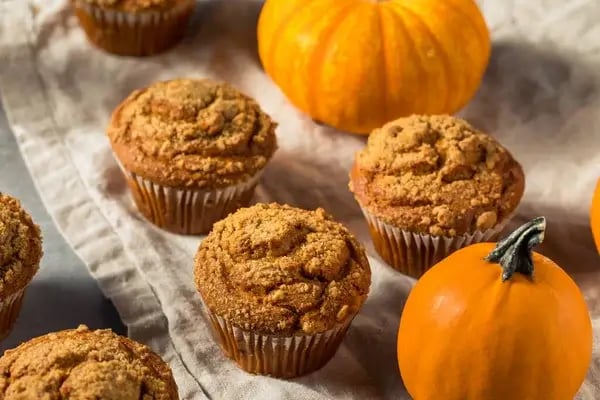
Honey-Sweetened Harvest Pumpkin MuffinsWarmly spiced pumpkin muffins made with honey, cinnamon, nutmeg, and optional pecans or walnuts. These harvest pumpkin muffins combine the comforting flavor of pumpkin with the natural sweetness of honey. They are easy to prepare, use familiar baking ingredients, and make a flavorful seasonal breakfast, snack, or addition to an autumn gathering.
|
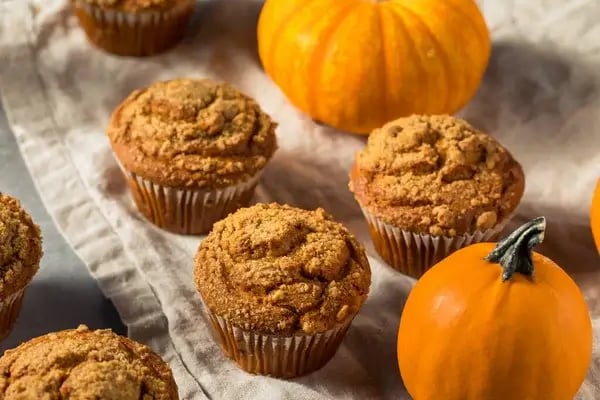
Honey-sweetened harvest pumpkin muffins made with pumpkin, cinnamon, nutmeg, and optional pecans or walnuts.
| Harvest Pumpkin Muffin Quick Facts | |
|---|---|
| Yield | 12 standard muffins |
| Preparation Time | Approximately 15 minutes |
| Bake Time | 25 to 30 minutes |
| Total Time | Approximately 45 minutes |
| Difficulty | Easy |
| Oven Temperature | 350°F |
| Primary Sweetener | Honey |
| Main Ingredient | Solid-pack pumpkin |
| Best For | Breakfast, snacks, fall baking, and seasonal gatherings |
What Are the Key Takeaways?These honey-sweetened pumpkin muffins make 12 servings, bake at 350°F, and feature pumpkin, cinnamon, nutmeg, and optional nuts.
These muffins are prepared as a quick bread, which means baking powder and baking soda provide the rise instead of yeast. Accurate measuring, gentle mixing, even portioning, and careful doneness checks help produce muffins with a tender crumb and evenly baked centers. |
What Are Honey-Sweetened Harvest Pumpkin Muffins?
Harvest pumpkin muffins are honey-sweetened quick breads made with pumpkin, warm spices, and optional nuts for autumn meals and snacks. |
- A muffin is an individually portioned quick bread.
- Quick breads use chemical leaveners instead of yeast.
- Pumpkin contributes moisture, color, flavor, and body.
- Honey provides the recipe’s principal added sweetness.
- Cinnamon and nutmeg provide the warm spice profile.
- The muffins do not require frosting.
Harvest pumpkin muffins are individual quick breads made with solid-pack pumpkin, honey, egg, flour, softened butter or margarine, cinnamon, and nutmeg. Baking powder and baking soda create the rise without requiring a yeast-proofing period.
The pumpkin supplies more than seasonal flavor. It also helps give the batter moisture, color, and substance. Honey provides sweetness while contributing its own aroma and flavor. The finished muffins can be served warm after a brief cooling period or allowed to cool completely and served at room temperature.
Unlike cupcakes, these muffins do not require frosting. Their flavor comes from the pumpkin, honey, warm spices, and optional chopped pecans or walnuts.
For more recipes that use honey in baking, drinks, sauces, and everyday meals, visit the Cooking With Honey recipe collection.
What Is Solid-Pack Pumpkin?
Solid-pack pumpkin is plain cooked pumpkin purée without added sugar or spices, unlike prepared pumpkin pie filling. |
- Solid-pack pumpkin is also commonly labeled pure pumpkin or pumpkin purée.
- It should not contain added sugar or pie spices.
- Pumpkin pie filling is a prepared, sweetened product.
- Using pie filling can change sweetness and spice intensity.
- Thick pumpkin purée helps maintain the intended batter consistency.
Solid-pack pumpkin is plain cooked pumpkin that has been puréed and packed without the sweeteners and spice blend normally found in pumpkin pie filling. Always read the ingredient label because package terminology can vary among brands.
This recipe depends on plain pumpkin for its intended balance of moisture, sweetness, and spices. Replacing it with prepared pie filling may make the muffins sweeter, more heavily spiced, or different in texture.
What Ingredients Do You Need?
These muffins require flour, pumpkin, honey, egg, fat, leaveners, cinnamon, nutmeg, salt, and optional chopped pecans or walnuts. |
- Use plain solid-pack pumpkin rather than sweetened pumpkin pie filling.
- The recipe uses both baking powder and baking soda.
- Honey supplies the recipe’s added sweetness.
- Either softened butter or margarine may be used.
- Pecans and walnuts are optional.
- Measure the flour carefully to avoid a dry or heavy batter.
Harvest Pumpkin Muffin Ingredients
| Ingredient | Amount | Preparation Note |
|---|---|---|
| All-purpose flour | 1 1/2 cups | Spoon the flour into the measuring cup and level the top. |
| Baking powder | 1 1/2 teaspoons | Use fresh baking powder for dependable leavening. |
| Baking soda | 1 teaspoon | Distribute it evenly through the dry ingredients. |
| Ground cinnamon | 1 1/2 teaspoons | Provides the primary warm spice flavor. |
| Salt | 1/4 teaspoon | Fine salt is easiest to distribute evenly. |
| Ground nutmeg | 1/4 teaspoon | Adds a warm, aromatic flavor. |
| Butter or margarine | 1/4 cup | Soften before mixing. |
| Honey | 3/4 cup | Use a honey with a flavor you enjoy. |
| Large egg | 1 | Use a clean, uncracked egg. |
| Solid-pack pumpkin | 1 cup | Do not substitute sweetened pumpkin pie filling. |
| Pecans or walnuts | 1/2 cup | Optional; chop before adding. |
Recipe at a Glance
| Yield | 12 standard muffins |
|---|---|
| Preparation Time | Approximately 15 minutes |
| Bake Time | 25 to 30 minutes |
| Total Time | Approximately 45 minutes |
| Difficulty | Easy |
| Oven Temperature | 350°F |
| Muffin-Cup Size | Approximately 2 1/2 inches |
| Primary Sweetener | Honey |
| Primary Flavors | Pumpkin, cinnamon, and nutmeg |
| Optional Addition | Pecans or walnuts |
What Does Each Ingredient Do?
| Ingredient | Primary Function in the Recipe |
|---|---|
| All-purpose flour | Forms the basic structure of the muffins. |
| Honey | Provides sweetness, flavor, moisture, aroma, and browning. |
| Solid-pack pumpkin | Contributes moisture, body, color, and pumpkin flavor. |
| Egg | Supports binding, structure, and the finished texture. |
| Butter or margarine | Contributes richness, tenderness, and flavor. |
| Baking powder | Provides chemical leavening that helps the batter rise. |
| Baking soda | Supports leavening and contributes to browning. |
| Cinnamon | Provides the main warm spice flavor. |
| Nutmeg | Adds a warm, aromatic background note. |
| Salt | Balances sweetness and supports overall flavor. |
| Pecans or walnuts | Add optional texture, richness, and nut flavor. |
Important Allergen Information
This recipe contains wheat and egg. It also contains milk when prepared with dairy butter and tree nuts when pecans or walnuts are included. Leaving the nuts out does not automatically make a batch safe for someone with a tree-nut allergy. Ingredients, utensils, mixers, pans, counters, and storage containers must also be protected from allergen cross-contact. |
The ingredients in this recipe work together as a complete formula. Flour forms the basic structure, pumpkin contributes moisture and body, egg assists with binding, and the leaveners help the batter rise. Honey supplies sweetness and flavor, while cinnamon and nutmeg create the warm harvest character of the muffins.
Why Does This Pumpkin Muffin Recipe Work?
This recipe balances honey, pumpkin, fat, egg, flour, spices, and two leaveners to produce moist, warmly flavored muffins with dependable structure. |
- Honey provides sweetness while helping the batter retain moisture.
- Pumpkin contributes body without requiring a large amount of added fat.
- Egg helps bind the batter and support its structure.
- Baking powder and baking soda provide lift.
- Cinnamon and nutmeg complement the pumpkin.
- Gentle mixing helps protect the finished crumb.
The formula balances wet and dry ingredients so the batter remains moist but still has enough flour and egg to form a stable muffin. Honey and pumpkin both contribute moisture, while butter or margarine adds richness and tenderness.
The combination of baking powder and baking soda supports rise and browning. Mixing the leaveners into the flour before they enter the wet batter helps distribute them evenly. The result is a seasonal quick bread that is flavorful enough to serve without frosting.
Why Does Honey Work Well in Pumpkin Muffins?
Honey adds sweetness, moisture, aroma, and browning, while pumpkin contributes body, color, flavor, and tenderness to the muffin crumb. |
- Honey supplies sweetness without granulated sugar.
- Honey contributes its own flavor and aroma.
- Honey can encourage surface browning during baking.
- Pumpkin contributes moisture and substance to the batter.
- The flavor of honey can vary according to floral source.
- Surface color alone does not confirm that the centers are fully baked.
Honey does more than make these muffins taste sweet. It contributes moisture, aroma, color, and a flavor that can vary depending on the floral source of the honey. A light, mild honey generally creates a subtler flavor, while a darker or more strongly flavored honey may be easier to notice beside the pumpkin and spices.
Honey-containing batters may brown readily. For that reason, surface color should not be the only test for doneness. Begin checking the muffins near the start of the stated baking range and test a muffin near the center of the pan.
This recipe was developed with honey as the primary added sweetener. General formulas for replacing granulated sugar with honey are not needed unless the remaining ingredients are also changed.
Did You Know? Honey is hygroscopic, which means it attracts and retains moisture from its surroundings. This property can help honey-sweetened baked goods maintain a soft, moist texture. |
If you’d like to learn more about the different flavors, colors, and uses of honey, visit our raw Iowa honey page.
How Do You Prepare the Muffin Batter?
Prepare the batter by mixing dry and wet ingredients separately, then combine gently until no visible pockets of flour remain. |
- Preheat the oven before beginning the batter.
- Combine the dry ingredients in a separate bowl.
- Beat the softened butter or margarine until smooth.
- Add the honey, egg, and pumpkin to the softened fat.
- Add the flour mixture gradually.
- Stop mixing when the flour has been incorporated.
- Fold in the optional nuts last.
Step-by-Step Harvest Pumpkin Muffin Instructions
Preheat the oven. Set the oven to 350°F and allow it to preheat fully before the muffin pan is placed inside.
Prepare the pan. Grease 12 standard 2 1/2-inch muffin cups or line them with paper baking cups.
Combine the dry ingredients. In a medium bowl, whisk together the flour, baking powder, baking soda, cinnamon, salt, and nutmeg.
Beat the butter or margarine. In a separate mixing bowl, beat the softened butter or margarine until smooth.
Add the wet ingredients. Beat the honey, egg, and solid-pack pumpkin into the softened butter or margarine until the mixture is evenly combined.
Add the flour mixture. Gradually add the dry mixture to the pumpkin mixture rather than adding it all at once.
Finish the batter. Mix only until the dry ingredients are incorporated and no visible pockets of flour remain. Scrape the bottom and sides of the bowl as needed.
Add the nuts. Fold in the chopped pecans or walnuts when using them.
Fill the muffin cups. Divide the batter as evenly as possible among the 12 prepared cups.
Bake the muffins. Bake at 350°F for 25 to 30 minutes.
Check for doneness. Insert a clean toothpick near the center of a middle muffin. The muffins are done when the toothpick comes out clean or with only a few moist crumbs.
Cool and serve. Allow the muffins to cool briefly before transferring them to a wire rack. Serve warm or at room temperature.
Why mix the dry ingredients separately? Separate mixing distributes the baking powder, baking soda, salt, cinnamon, and nutmeg before those ingredients enter the moist batter. |
Why should you avoid overmixing? Once flour becomes wet, unnecessary mixing can encourage additional gluten development and produce a firmer or less tender muffin crumb. |
Mixing the wet and dry ingredients separately helps distribute the baking powder, baking soda, salt, and spices before they enter the moist pumpkin mixture. Once flour becomes wet, additional mixing is unnecessary. Gentle handling helps protect the finished texture of the muffins.
How Do You Bake Harvest Pumpkin Muffins?
Bake the divided batter at 350°F for 25 to 30 minutes, checking the center muffins near the beginning of the stated baking range. |
- Preheat the oven fully before inserting the muffin pan.
- Divide the batter evenly among the muffin cups.
- Place the pan near the center of the oven.
- Begin checking the muffins at approximately 25 minutes.
- Continue baking in short intervals when wet batter remains.
- Do not rely on surface color alone.
Place the muffin pan near the center of a fully preheated oven unless the oven manufacturer recommends a different position. Center placement generally allows heated air to circulate around the pan more evenly.
Actual baking time can vary according to the oven, pan material, amount of batter in each cup, and whether a convection setting is used. Dark metal pans may brown baked goods differently than light-colored metal pans. Silicone and stoneware pans can also produce different results.
Avoid opening the oven repeatedly during the early part of baking. Each opening releases heat and can affect the oven temperature. Begin checking at 25 minutes and add more baking time in short intervals if wet batter remains in the centers.
Why cool the muffins on a wire rack? A wire rack allows air to circulate around the muffins, helping steam escape instead of collecting beneath them and making the bottoms damp. |
What Are the Best Tips for Successful Pumpkin Muffins?
Measure carefully, use fresh leaveners, avoid overmixing, portion the batter evenly, and test a center muffin before removing the pan. |
- Measure flour carefully. Spoon flour into the measuring cup and level the top rather than compacting it.
- Use fresh leaveners. Old baking powder or baking soda may produce less rise.
- Use softened fat. Softened butter or margarine blends more evenly than cold, firm fat.
- Mix only until combined. Stop when no visible pockets of flour remain.
- Portion evenly. Similar amounts of batter help the muffins finish baking at approximately the same time.
- Check the center cups. Muffins near the center of the pan can bake differently from those around the outside.
- Cool before covering. Sealing warm muffins can trap steam and create sticky surfaces.
The most dependable way to improve baking consistency is to control the measurable details. Use the same measuring method, pan type, rack position, and oven setting each time. If a batch does not perform as expected, change one variable at a time so the effect of the adjustment is easier to understand.
How Can You Tell When the Muffins Are Done?
Pumpkin muffins are done when a center toothpick emerges clean or with a few moist crumbs rather than visible streaks of wet batter. |
- Test a muffin located near the center of the pan.
- Wet batter on the toothpick means more baking is needed.
- A few moist crumbs are acceptable.
- The tops should appear set rather than wet or fluid.
- Surface browning alone does not confirm that the centers are done.
- Egg-containing mixtures should be cooked thoroughly.
Begin testing the muffins at the lower end of the 25-to-30-minute baking range. Insert a clean toothpick into a middle muffin because the center of the pan may bake differently from the outer edges.
If the toothpick has wet batter attached, return the pan to the oven and continue baking for a short interval before testing again. If the toothpick is clean or carries only a few moist crumbs, remove the pan from the oven.
The USDA advises cooking mixtures containing egg to a safe internal temperature of 160°F. A clean food thermometer can provide an additional food-safety check, although the appearance of the crumb and the toothpick test remain useful quality indicators for muffins.
What Substitutions Can You Make?
Butter or margarine may be used, nuts may be omitted, and pecans or walnuts may be exchanged without changing the basic preparation method. |
- Butter and margarine are both included in the original recipe.
- Pecans may be exchanged for walnuts.
- The nuts may be omitted entirely.
- Pumpkin pie filling is not a direct replacement for plain pumpkin.
- Gluten-free flour has not been tested in this recipe.
- Egg replacements have not been tested in this recipe.
The simplest substitutions are those already permitted in the recipe: choosing butter or margarine and selecting pecans, walnuts, or no nuts. Butter contributes a familiar dairy flavor, while margarine products can vary in fat and water content.
Do not replace solid-pack pumpkin with sweetened pumpkin pie filling without adjusting the formula. Pumpkin pie filling may contain added sugar, spices, and other ingredients that change the sweetness, flavor, and moisture balance.
Alternative flour blends, egg replacements, reduced honey, added liquid, or other significant changes may alter the batter’s structure, rise, and baking time. Those versions should be tested separately rather than presented as guaranteed one-for-one substitutions.
What Problems Can Occur When Making Pumpkin Muffins?
Dense, dry, uneven, or sunken muffins often result from poor measuring, overmixing, weak leavening, uneven portions, or incorrect baking. |
- Too much flour can create dry or heavy muffins.
- Excessive mixing may produce a tougher crumb.
- Old baking powder or baking soda may limit rising.
- Uneven portions can finish baking at different times.
- An inaccurate oven temperature can cause inconsistent results.
- Thin pumpkin purée may loosen the batter.
| Problem | Possible Cause | Recommended Correction |
|---|---|---|
| Muffins are dry | Too much flour or excessive baking | Measure the flour carefully and begin checking at 25 minutes. |
| Muffins are dense | The batter was overmixed or the leavening was weak | Mix only until combined and confirm that the leaveners are fresh. |
| Muffins rise unevenly | The muffin cups contain different amounts of batter | Divide the batter evenly among all 12 cups. |
| Muffins brown too quickly | The pan or oven may run hot | Verify the oven temperature and begin checking the muffins earlier. |
| Centers remain wet | The muffins need more baking time | Continue baking in short intervals and test again. |
| Muffins sink after baking | The centers may not have been fully set | Confirm center doneness before removing the pan from the oven. |
| Batter is unusually thin | The pumpkin purée may contain excess water | Use thick solid-pack pumpkin rather than watery purée. |
| Nuts are unevenly distributed | The nuts were not folded throughout the batter | Fold gently until the nuts are evenly dispersed. |
| Paper liners stick to the muffins | The muffins may still be warm or the liners may release poorly | Allow the muffins to cool before removing the liners. |
Troubleshooting should begin with the most measurable factors: ingredient quantities, leavener freshness, portion size, oven temperature, and baking time. If a result needs improvement, change only one variable during the next batch when possible. Recording the pan type, oven setting, actual baking time, and final result can make future adjustments easier to evaluate.
How Should You Store Harvest Pumpkin Muffins?
Cool pumpkin muffins completely before covering; store them short-term in a sealed container, or refrigerate or freeze for longer keeping. |
- Allow the muffins to cool before placing them in a container.
- Covering warm muffins can trap condensation.
- Use a clean, food-safe storage container.
- Identify muffins containing pecans or walnuts.
- Refrigeration or freezing may be used for longer storage.
- Refrigeration can change the texture of baked muffins.
Transfer the muffins to a wire rack after they have cooled enough to handle. Allow them to cool completely before placing them in a covered container. Sealing warm muffins can trap steam and create damp or sticky surfaces.
For short-term storage, keep the cooled muffins in a clean container in a cool, dry location. Refrigeration may extend storage, although it can change the texture. Allow refrigerated muffins to return to room temperature or warm them gently before serving.
For longer storage, wrap the cooled muffins carefully and freeze them in a freezer-safe container. Label the container with the date and whether the muffins contain nuts. Thaw frozen muffins in the refrigerator or at room temperature before serving.
Storage Note: A precise room-temperature shelf-life period has not been established through documented first-party testing. Use appearance, aroma, texture, storage conditions, and accepted food-safety practices when deciding whether stored muffins remain suitable to serve. |
What Are the Most Common Questions About Harvest Pumpkin Muffins?
Common questions cover pumpkin selection, optional nuts, honey flavor, doneness, ingredient substitutions, recipe yield, and safe muffin storage. |
Can you use pumpkin pie filling instead of solid-pack pumpkin?
No. Pumpkin pie filling commonly contains added sweeteners and spices, so it is not a direct replacement for plain solid-pack pumpkin.
Can you leave the nuts out of harvest pumpkin muffins?
Yes. The pecans or walnuts are optional and may be omitted without changing the main preparation method.
Can you use butter instead of margarine?
Yes. The recipe permits softened butter or margarine, although the flavor and texture may vary slightly.
How many pumpkin muffins does this recipe make?
The recipe makes 12 standard muffins when the batter is divided evenly among approximately 2 1/2-inch muffin cups.
What type of honey should you use in pumpkin muffins?
Use a honey with a flavor you enjoy. Mild honey creates a subtle taste, while strongly flavored honey may be more noticeable.
Why are the dry and wet ingredients mixed separately?
Separate mixing helps distribute the leavening, salt, and spices evenly before the flour enters the moist pumpkin mixture.
How can you tell when pumpkin muffins are done?
Insert a toothpick near the center of a middle muffin. The muffins are done when it comes out clean or with only a few moist crumbs.
Can harvest pumpkin muffins be made gluten-free?
A gluten-free version has not been tested. Replacing the flour may alter the structure, moisture level, and baking time.
Can harvest pumpkin muffins be made without eggs?
An egg-free version has not been tested. Egg substitutes may change the binding, rise, moisture level, and finished texture.
How should harvest pumpkin muffins be stored?
Cool the muffins completely before placing them in a covered food-safe container. Refrigerate or freeze them when longer storage is needed.
What Sources Support This Harvest Pumpkin Muffin Guide?
This guide uses USDA food-safety guidance, university extension resources, National Honey Board information, and the original recipe. |
- USDA MyPlate provides institutional pumpkin-baking examples.
- USDA Food Safety and Inspection Service provides egg-handling and cooking guidance.
- The National Honey Board explains honey’s functional roles in baking.
- University extension resources support allergen and sanitation guidance.
- The ingredient quantities and preparation method come from the original recipe.
The recipe quantities and basic preparation method come from the original Lappe’s Bee Supply harvest pumpkin muffin recipe. The following institutional sources support the general baking, honey-use, allergen-awareness, sanitation, and food-safety information included in this guide.
Pumpkin Chocolate Muffins — USDA MyPlate. Provides an institutional example of canned or puréed pumpkin used in muffin batter.
Honey of a Pumpkin Bar — USDA MyPlate. Provides an institutional example combining honey, pumpkin, eggs, spices, and flour in a baked recipe.
Baking and Snack Overview — National Honey Board. Explains that honey contributes flavor and functional qualities to baked foods.
Baked Goods Recipe Collection — National Honey Board. Provides examples of honey used in muffins, breads, cakes, and other baked foods.
Food Safety Basics — USDA Food Safety and Inspection Service. Covers basic practices for cleaning, separating, cooking, and storing food safely.
What Is a Safe Internal Temperature for Food Made With Eggs? — USDA Food Safety and Inspection Service. Advises cooking egg mixtures to 160°F.
Shell Eggs From Farm to Table — USDA Food Safety and Inspection Service. Provides guidance for safely handling, refrigerating, and cooking shell eggs.
Take Food Allergies Seriously — University of Minnesota Extension. Provides guidance concerning food allergens and cross-contact prevention.
Sanitizing Equipment and Food-Contact Surfaces — University of Minnesota Extension. Explains sanitation practices that help reduce cross-contamination and allergen cross-contact.
What Should You Remember About This Recipe?
Honey-sweetened harvest pumpkin muffins combine pumpkin, warm spices, and honey in an approachable quick bread for breakfast, snacks, and fall baking. |
The most important details are straightforward: use plain solid-pack pumpkin, measure the flour carefully, mix only until the ingredients are combined, portion the batter evenly, and check a center muffin before removing the pan from the oven.
Honey provides the primary added sweetness while contributing moisture, aroma, flavor, and browning. Pumpkin supplies body and seasonal character, and the cinnamon and nutmeg create a familiar autumn flavor. The optional pecans or walnuts may be included for added texture or omitted for a nut-free formula, subject to appropriate allergen and cross-contact precautions.
Nutrition Disclaimer: Nutritional values can vary according to ingredient brands, honey variety, substitutions, portion size, and whether optional nuts are included. No calculated nutrition values are provided because this recipe has not received a verified nutritional analysis. |
Why Is Lappe’s Bee Supply Publishing This Recipe?
Lappe’s Bee Supply publishes honey recipes to help customers use honey confidently while learning how ingredients affect preparation and results. |
- Lappe’s Bee Supply is a family-owned Iowa business.
- Our family has worked with honey bees since 1978.
- We have operated as a full-service beekeeping supplier since 2015.
- Honey-related education supports beekeepers and honey users.
- Recipe guides are reviewed for clarity, usefulness, and evidence quality.
Lappe’s Bee Supply is a family-owned beekeeping supply company in East Peru, Iowa. Our family has worked with honey bees since 1978, and we have operated as a full-service beekeeping supplier since 2015.
We provide beekeeping equipment and supplies, honey containers, candle-making supplies, live bees, queen honey bees, educational resources, and honey-related recipes for beekeepers and honey enthusiasts throughout the United States.
Learn more about our family, beekeeping background, and Iowa operation on the Lappe’s Bee Supply company history page.
Related educational resources include our guide to bottling and packaging honey and our guide explaining what beeswax is and how it is used.