
Welcome to Lappe's Bee Supply's blogs section. We are a trusted beekeeping company in the USA. We give relevant insights, seasonal guidance, and professional advice for beekeepers of all experience levels. From hive management and bee wellness to honey production and equipment guides, we have it all that you will require to thrive. Get updated, motivated, and connected with the beekeeping community through regular news from Lappe's Bee Supply.
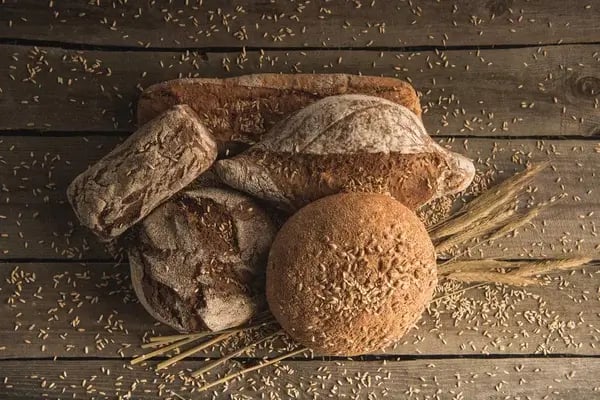
Honey Whole Wheat Bread Recipe
The Buzz About This Post
- What is inside this whole wheat guide?
- What should you know before baking this bread?
- What is honey wheat?
- What ingredients do you need for honey wheat?
- How do you make honey wheat step by step?
- How do you know when wheat dough is kneaded enough?
- How long should whole wheat rise and bake?
- Can you make this recipe with spelt flour?
- How should you store homemade whole wheat?
- What safety and allergen notes should bakers know?
- What questions do bakers ask most often?
- What makes this a whole wheat recipe?
- What does honey do in whole wheat?
- How much flour should I use?
- How do I know when the dough has risen enough?
- Can I shape this dough into buns instead of loaves?
- What temperature should I bake this bread at?
- Can I make this recipe with spelt flour?
- Does this bread contain allergens?
- Can I taste the dough before baking?
- How should I store homemade whole wheat?
- What sources support this whole wheat guide?
- FAQs
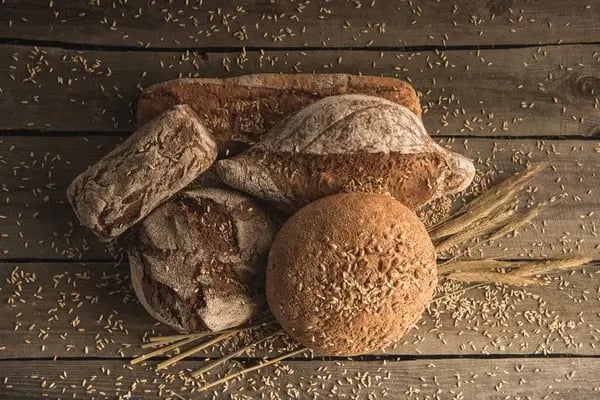
This honey whole wheat is a simple yeast bread made with warm water, honey, oil, salt, yeast, and whole wheat flour. It can be shaped into hearty sandwich loaves or soft homemade buns.
What is inside this whole wheat guide?
This guide covers the recipe, ingredients, kneading cues, rise timing, spelt variation, storage, safety notes, FAQs, and source-backed baking context.
- What is whole wheat?
- What ingredients do you need for honey whole wheat?
- How do you make honey wheat step by step?
- How do you know when whole wheat dough is kneaded enough?
- How long should wheat rise and bake?
- Can you make this recipe with spelt flour?
- How should you store homemade wheat?
- What safety and allergen notes should bakers know?
- What questions do bakers ask most often?
- What sources support this whole wheat bread guide?
What should you know before baking this bread?
Honey whole wheat is easiest to make when flour is added gradually and dough texture guides each step.
- Whole wheat uses flour that includes the bran, germ, and endosperm of the wheat kernel.
- This recipe uses honey, oil, yeast, salt, warm water, and whole wheat flour.
- Add flour gradually because whole wheat dough can become heavy if too much flour is mixed in too early.
- Knead until the dough feels elastic and stretches about 3 inches before tearing.
- Let dough rise until doubled instead of relying only on the clock.
- Bake loaves or buns at 350°F for 20 to 35 minutes, depending on size.
- For spelt bread, replace the whole wheat flour with spelt flour and reduce the water to 3 cups.
What is honey wheat?
Honey wheat is yeast bread made with flour containing the wheat bran, germ, and endosperm, not refined white flour.
- Whole wheat flour keeps the grain's bran, germ, and endosperm.
- Honey wheat often tastes heartier than bread made only with refined flour.
- Yeast helps bread rise by producing gas inside the dough structure.
- Honey adds sweetness and a familiar homemade flavor to this dough.
Whole wheat begins with whole wheat flour, which is made from the edible parts of the wheat kernel. The Whole Grains Council explains that whole grain ingredients include the bran, germ, and endosperm in the same relative proportions as the intact grain. That definition matters because it separates true whole wheat bread from breads that are simply darker, sweeter, or labeled with broad wheat language. In this recipe, whole wheat flour is the main flour, honey is the sweetener, yeast supplies rise, oil softens the dough, and salt balances flavor. The result is a practical homemade bread that works as a sliced loaf, dinner bread, or rolled bun when shaped smaller.
What ingredients do you need for honey wheat?
Honey wheat needs warm water, honey, yeast, oil, salt, and enough whole wheat flour to form a soft dough.
- Use 4 cups warm water.
- Use 2/3 cup honey.
- Use 2 tablespoons yeast.
- Use 2/3 cup oil and 4 teaspoons salt.
- Use 12 to 13 cups whole wheat flour.
Recipe card
Ingredients
- Warm water 4 cups
- Honey 2/3 cup
- Yeast 2 tablespoons
- Oil 2/3 cup
- Salt 4 teaspoons
- Whole wheat flour 12 to 13 cups
Method
- Mix the warm water, oil, honey, and salt.
- Let the yeast proof until active.
- Add the mixed liquids to the proofed yeast.
- Add the whole wheat flour gradually.
- Knead until the dough stretches about 3 inches.
- Let the dough rise until doubled.
- Punch down the dough and shape it into loaves or buns.
- Bake at 350°F for 20 to 35 minutes, depending on size.
The ingredient list is intentionally simple. Warm water hydrates the flour and supports yeast activity. Honey sweetens the dough and keeps the bread in the “cooking with honey” family of recipes. Oil contributes tenderness. Salt keeps the flavor from tasting flat. Wheat flour gives the dough its structure and its hearty grain flavor. The flour range is important: start at the lower end, then add more only as the dough needs it. A soft, workable dough usually bakes into a better loaf than a stiff dough overloaded with flour.
How do you make honey wheat step by step?
Mix liquids, proof yeast, add flour, knead until elastic, rise until doubled, shape, rise again, then bake at 350°F.
- Mix the water, oil, honey, and salt before adding flour.
- Proof the yeast so the dough has active leavening.
- Add whole wheat flour gradually and watch the dough texture.
- Knead until the dough stretches about 3 inches.
- Shape the dough as loaves or buns after the first rise.
Start with the liquid mixture: warm water, oil, honey, and salt. Proof the yeast, then combine the yeast with the mixed liquids. Add flour slowly because wheat flour can absorb liquid unevenly from brand to brand and grind to grind. As the dough comes together, knead until it changes from shaggy to smooth and elastic. Colorado State University Extension explains that proofing checks yeast activity, while kneading develops gluten so bread can trap air and form structure. After kneading, let the dough rise until doubled, punch it down, shape it, and bake. The recipe is flexible enough for either loaves or buns, but smaller pieces will usually finish sooner than larger loaves.
How do you know when wheat dough is kneaded enough?
The dough is kneaded enough when it feels smooth and elastic, and stretches about 3 inches before tearing or snapping back.
- The original recipe uses a 3-inch stretch as the kneading cue.
- Properly kneaded dough should feel elastic rather than shaggy.
- Whole wheat dough may stay slightly tacky even after kneading.
- Too much added flour can make whole wheat bread dry or dense.
Use feel as your guide. The original recipe says to knead until the dough “stretches about 3 inches,” and that is the clearest doneness cue in the method. Before kneading, the dough may look rough, uneven, or sticky. As kneading continues, it should become smoother and more elastic. If the dough tears immediately, keep kneading. If it feels crumbly, dry, or hard to fold, too much flour may have been added too fast. Whole wheat flour contains bran, which can affect the way dough handles and hydrates, so patience helps. Add only enough flour to make the dough manageable, not so much that it loses softness.
How long should whole wheat rise and bake?
Let dough rise until doubled in bulk, then bake shaped loaves or buns at 350°F for 20 to 35 minutes.
- The first rise should continue until the dough doubles in bulk.
- After the first rise, punch down the dough before shaping.
- Loaves usually need more baking time than smaller buns.
- The recipe bake range is 20 to 35 minutes at 350°F.
- Cooling before slicing helps the finished bread set cleanly.
The most reliable rise cue is visual: let the dough double. A clock can help you plan, but dough rises faster in a warm kitchen and slower in a cool one. Once doubled, punch it down to redistribute the dough, then shape it into loaves or roll it for buns. Bake at 350°F for 20 to 35 minutes. The range is broad because the size and shape of the dough matter. If you plan to publish a yield, loaf-pan size, or exact timing, confirm those numbers with a controlled test bake. For a more precise doneness check, use a food thermometer after testing your preferred pan size and shape.
| Shape | What changes? | Practical baking cue |
|---|---|---|
| Full loaves | More dough mass means a longer bake. | Check toward the upper end of the 20 to 35 minute range. |
| Buns or rolls | Smaller portions bake faster. | Check earlier so the buns do not overbake. |
| Spelt version | Water is reduced to 3 cups. | Judge texture before adding the final flour. |
Can you make this recipe with spelt flour?
Yes. Replace whole wheat flour with spelt flour, but reduce water to 3 cups and watch the dough texture closely.
- Replace the whole wheat flour with spelt flour.
- Reduce the water from 4 cups to 3 cups.
- Keep the honey, yeast, oil, and salt the same unless testing proves otherwise.
- Add flour gradually so the dough stays soft and workable.
The original note gives a direct spelt variation: replace wheat flour with spelt flour and reduce the water to 3 cups. That is the only formula change stated in the original recipe, so avoid adding other claims unless you test them. Spelt dough can feel different from regular whole wheat dough, which makes texture especially important. Mix by feel and stop adding flour when the dough is cohesive and kneadable. If your bakery, homestead kitchen, or recipe team tests this version, add exact findings later: loaf yield, kneading time, rise time, pan size, final crumb, and preferred bake time.
| Version | Flour | Water | Best note for bakers |
|---|---|---|---|
| Whole wheat bread | 12 to 13 cups whole wheat flour | 4 cups | Use the 3-inch stretch cue before the first rise. |
| Spelt bread | 12 to 13 cups spelt flour | 3 cups | Reduce water and judge dough texture as flour is added. |
How should you store homemade whole wheat?
Cool bread completely before storing, keep short-term bread covered, and freeze extra loaves once fully cooled and wrapped.
- Cool baked bread before slicing or wrapping.
- Store short-term bread covered at room temperature.
- Freeze extra loaves or buns after cooling.
- Wrap tightly before freezing to reduce drying.
Fresh bread continues to set as it cools. If you slice too early, the crumb can compress or tear. If you wrap hot bread, steam can collect inside the bag and make the crust damp. For everyday use, let the bread cool fully, then keep it covered. For longer storage, wrap cooled loaves or buns tightly and freeze them. The original recipe does not provide tested shelf life, freezer life, or softness data, so this page should not claim exact storage days without a test. A simple quality test can fix that gap: check the same bread at room temperature each day and record when flavor, softness, or surface moisture changes.
What safety and allergen notes should bakers know?
This bread contains wheat and raw flour during mixing, so label allergens clearly and never taste unbaked dough.
- This recipe contains wheat.
- Wheat is a major food allergen in the United States.
- Flour should not be tasted raw.
- Wash hands, bowls, utensils, and counters after handling raw flour.
Add a clear wheat allergen note wherever this recipe appears. The U.S. Food and Drug Administration identifies wheat as one of the major food allergens. Raw flour safety also matters. The Centers for Disease Control and Prevention warns that uncooked flour and raw dough can contain germs, and the agency advises against tasting or eating unbaked dough or batter. Keep the guidance simple for readers: do not eat raw dough, bake the bread fully, and wash hands, bowls, utensils, and surfaces after handling raw flour. These safety notes make the recipe more useful for families, beginner bakers, and anyone publishing the recipe in a commercial or community setting.
What questions do bakers ask most often?
Bakers usually ask about flour amount, honey, kneading, rising, shaping, baking temperature, spelt flour, allergens, raw dough, and storage.
What makes this a whole wheat recipe?
This is a whole wheat recipe because it uses whole wheat flour as the main flour. Whole wheat flour contains the bran, germ, and endosperm of the wheat kernel.
What does honey do in whole wheat?
Honey sweetens the dough and gives the bread a gentle honey flavor. It also contributes moisture, but exact texture claims should be confirmed by test baking.
How much flour should I use?
Use 12 to 13 cups of whole wheat flour, adding it gradually. Stop when the dough is soft, workable, and elastic rather than stiff.
How do I know when the dough has risen enough?
The dough has risen enough when it has doubled in bulk. Use dough volume instead of a strict clock because room temperature affects rise time.
Can I shape this dough into buns instead of loaves?
Yes, the dough can be shaped into loaves or buns. Buns usually need less baking time than full loaves.
What temperature should I bake this bread at?
Bake the shaped loaves or buns at 350°F. The original recipe gives a bake range of 20 to 35 minutes depending on size.
Can I make this recipe with spelt flour?
Yes, replace the whole wheat flour with spelt flour and reduce the water to 3 cups. Watch the dough texture as you add flour.
Does this bread contain allergens?
Yes, this bread contains wheat. Add a wheat allergen note anywhere the recipe is published.
Can I taste the dough before baking?
No, do not taste raw dough. Flour is a raw ingredient and should be baked before eating.
How should I store homemade whole wheat?
Cool the bread completely before storing it. Keep short-term bread covered at room temperature and freeze extra loaves after wrapping.
What sources support this whole wheat guide?
The recipe uses the original Lappe's method, while definitions, safety guidance, nutrition references, and schema guidance come from primary sources.
Use these sources to support definitions, safety language, nutrition lookup, and structured data implementation. The recipe measurements and spelt variation come from the original Lappe's Bee Supply whole wheat bread post.
- Whole Wheat Bread — Lappe's Bee Supply.
- Definition of a Whole Grain — Whole Grains Council.
- What Is a Whole Grain? — Whole Grains Council.
- Making Whole Grain Bread? — Colorado State University Extension.
- Raw Flour and Dough — Centers for Disease Control and Prevention.
- Handling Flour Safely: What You Need to Know — U.S. Food and Drug Administration.
- Food Allergies — U.S. Food and Drug Administration.
- FoodData Central — U.S. Department of Agriculture.
- Article Structured Data — Google Search Central.
- Breadcrumb Structured Data — Google Search Central.
- Recipe Structured Data — Google Search Central.
- Intro to Structured Data Markup — Google Search Central.
- FAQPage — Schema.org.
- BreadcrumbList — Schema.org.
FAQs
What makes this a whole wheat bread recipe?
This is a whole wheat bread recipe because it uses whole wheat flour as the main flour. Whole wheat flour contains the bran, germ, and endosperm of the wheat kernel.
What does honey do in whole wheat bread?
Honey sweetens the dough and gives the bread a gentle honey flavor. It also contributes moisture, but exact texture claims should be confirmed by test baking.
How much flour should I use?
Use 12 to 13 cups of whole wheat flour, adding it gradually. Stop when the dough is soft, workable, and elastic rather than stiff.
How do I know when the dough has risen enough?
The dough has risen enough when it has doubled in bulk. Use dough volume instead of a strict clock because room temperature affects rise time.
Can I shape this dough into buns instead of loaves?
Yes, the dough can be shaped into loaves or buns. Buns usually need less baking time than full loaves.
What temperature should I bake this bread at?
Bake the shaped loaves or buns at 350°F. The original recipe gives a bake range of 20 to 35 minutes depending on size.
Can I make this recipe with spelt flour?
Yes, replace the whole wheat flour with spelt flour and reduce the water to 3 cups. Watch the dough texture as you add flour.
Does this bread contain allergens?
Yes, this bread contains wheat. Add a wheat allergen note anywhere the recipe is published.
Can I taste the dough before baking?
No, do not taste raw dough. Flour is a raw ingredient and should be baked before eating.
How should I store homemade whole wheat bread?
Cool the bread completely before storing it. Keep short-term bread covered at room temperature and freeze extra loaves after wrapping.