Welcome to Lappe's Bee Supply's blogs section. We are a trusted beekeeping company in the USA. We give relevant insights, seasonal guidance, and professional advice for beekeepers of all experience levels. From hive management and bee wellness to honey production and equipment guides, we have it all that you will require to thrive. Get updated, motivated, and connected with the beekeeping community through regular news from Lappe's Bee Supply.
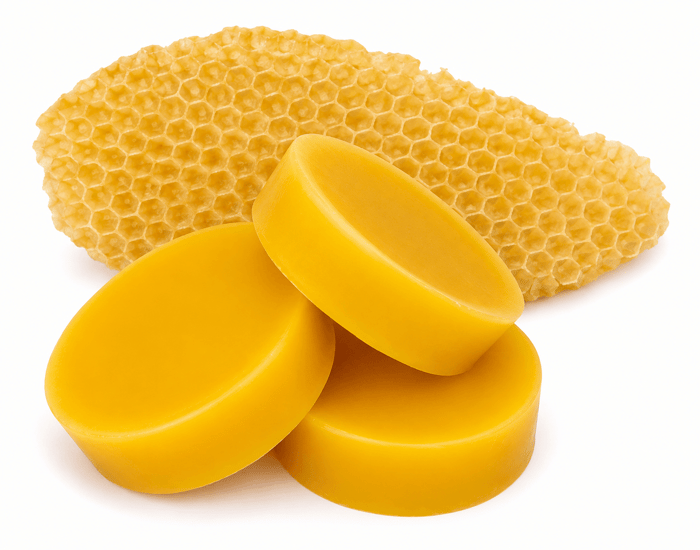
What Is Beeswax? Uses, Benefits, Types, and Buying Guide
Beeswax has been used for thousands of years, yet it remains one of the most versatile natural materials available today. From candle making and woodworking to skincare and food-safe coatings, beeswax continues to be valued for its durability, pleasant aroma, and renewable nature. Authoritative references, including Britannica, the FDA, and the Code of Federal Regulations, recognize beeswax as a long-used material in candles, cosmetics, ointments, waxes, and food-related applications.
In this guide, you'll learn what beeswax is, how honey bees produce it, the benefits of pure beeswax, the different grades of beeswax available, and how to choose high-quality beeswax for your projects.
| Feature | Details |
|---|---|
| Produced By | Worker honey bees |
| Main Use in Hive | Building honeycomb cells |
| Natural Color | Pale yellow to deep golden |
| Common Uses | Candles, skincare, woodworking, cosmetics, art |
| Water Resistant | Yes |
| Renewable | Yes |
| Biodegradable | Yes |
What Is Beeswax?
Worker bees create beeswax using special wax glands located on the underside of their abdomen. The wax is secreted in tiny flakes, then chewed and shaped by the bees into honeycomb cells.
Natural beeswax contains esters, fatty acids, hydrocarbons, and long-chain alcohols that give it its distinctive texture, scent, and water-resistant properties. For additional background on beeswax chemistry and common uses, see Britannica's beeswax reference.

How Do Honey Bees Make Beeswax?
Young worker bees are the primary wax producers in a hive. To produce beeswax, bees consume honey and metabolize it into wax scales through specialized glands on the underside of the abdomen. The FDA also identifies beeswax as one of the hive products collected and used by people, along with honey, pollen, royal jelly, propolis, and venom. Learn more from the FDA's honey bee overview.
The bees then:
- Produce wax flakes from abdominal glands
- Chew and soften the wax
- Shape the wax into hexagonal honeycomb cells
- Use propolis and heat to strengthen the structure
The famous hexagonal honeycomb pattern is one of nature's most efficient engineering designs because it maximizes storage while minimizing material use.
What Are the Benefits of Beeswax?
1. Beeswax Is Naturally Water Resistant
Beeswax repels moisture naturally, making it useful in wood conditioners, leather treatments, waterproof coatings, and protective finishes.
2. Beeswax Is Non-Toxic
Pure beeswax is commonly used in lip balm, lotion bars, salves, and food wraps.
3. Beeswax Burns Longer Than Many Other Waxes
Beeswax candles are known for their slow burn rate and warm natural glow. Many candle makers prefer beeswax because of its natural characteristics and pleasant aroma.
4. Beeswax Is Renewable and Sustainable
Because honey bees naturally produce wax, beeswax can be considered a renewable material when it is harvested responsibly.
5. Beeswax Has a Natural Honey Aroma
Pure beeswax often carries a subtle natural fragrance influenced by honey, pollen, propolis, and other materials from the hive.
What Is Beeswax Used For?
Beeswax for Candles
Beeswax candles are among the most popular uses for natural beeswax. They produce a warm glow and are often preferred by customers seeking candles made from natural wax.
Beeswax for Skincare
Beeswax is frequently used in:
- Lip balm
- Salves
- Lotion bars
- Moisturizers
- Hand creams
It helps create a protective barrier in many skincare formulations.
Beeswax for Woodworking
Woodworkers use beeswax to condition furniture, cutting boards, wooden utensils, butcher blocks, and other wood surfaces.

Beeswax for Leather Care
Beeswax can be incorporated into leather conditioners for boots, belts, tack, bags, and other leather goods.
Beeswax for Art and Crafts
Artists frequently use beeswax in encaustic painting, sculpture work, mixed-media projects, wax casting, and other crafts.
How Has Beeswax Been Used Throughout History?
Ancient civilizations used beeswax for a wide range of practical and artistic purposes, including cosmetics, writing tablets, waterproofing, candles, and preservation.
Throughout the Middle Ages, beeswax became especially valuable for candle making.
Artists also used beeswax in lost-wax casting, a sculpture technique that remains in use today.
How Is Beeswax Harvested and Purified?
The basic beeswax harvesting process includes:
- Removing wax cappings or comb from hive frames
- Melting the wax carefully
- Filtering impurities from the liquid wax
- Cooling and forming the purified beeswax into blocks, bars, pellets, or sheets
Many beekeepers prefer filtered yellow beeswax because it retains much of its natural appearance and aroma while removing unwanted debris.
How Can You Tell If Beeswax Is Pure?
Characteristics buyers may consider include:
- Natural aroma
- Consistent texture
- Color appropriate for the type of beeswax
- Minimal debris
- Reliable melting behavior
What Types of Beeswax Are Available?
Raw Beeswax
Raw beeswax undergoes minimal processing and may retain more natural particles, color variation, and hive aroma.
Filtered Beeswax
Filtered beeswax has debris removed and is commonly used for candles, cosmetics, crafts, and woodworking.
Yellow Beeswax
Yellow beeswax retains its naturally occurring yellow-to-golden coloring.
White Beeswax
White beeswax undergoes additional processing to reduce or remove its natural color and is commonly used in cosmetic and manufacturing applications.
What Should You Look For When Buying Beeswax?
Important considerations include:
- Source transparency
- Natural scent
- Proper filtration
- Color consistency
- Suitable form for your project
- Customer reviews
Pellets are especially convenient for users who want beeswax that is easy to measure and melt for recipes or craft projects.
How Can You Use Beeswax for DIY Projects?
Popular beginner-friendly beeswax projects include:
- Beeswax candles
- Beeswax wraps
- Homemade lip balm
- Wood conditioner
- Leather balm
- Furniture polish

Where Can You Buy High-Quality Beeswax?
Lappe's Bee Supply offers beeswax products for candle makers, beekeepers, woodworkers, skincare makers, crafters, and hobbyists.
When buying beeswax online, look for:
- Verified customer reviews
- Detailed product descriptions
- Clear product information
- Consistent product photography
- A supplier familiar with beekeeping and beeswax products
Shop Beeswax Products at Lappe's Bee Supply
Frequently Asked Questions About Beeswax
Is beeswax edible?
Yellow and white beeswax are listed in U.S. food regulations under 21 CFR § 184.1973 as substances affirmed as Generally Recognized as Safe when used according to good manufacturing practice. See the eCFR beeswax listing.
Does beeswax expire?
Pure beeswax can remain usable for many years when stored properly in a cool, dry location away from excessive heat, moisture, and contamination.
What color should pure beeswax be?
Natural beeswax can range from pale yellow to deep golden shades. Its color varies depending on pollen, propolis, age, filtration, and other hive-related factors.
Why do people prefer beeswax candles?
Many people prefer beeswax candles because they are made from a natural wax, have a characteristic appearance and aroma, and provide a traditional candle-making material.
Can beeswax be used on wood?
Yes. Beeswax is commonly incorporated into products used for furniture, cutting boards, wooden utensils, butcher blocks, and other wood surfaces.
Final Thoughts on Beeswax
Whether you're a beekeeper, candle maker, woodworker, artist, skincare maker, or DIY enthusiast, beeswax offers a combination of versatility, traditional appeal, and practical usefulness.
Choosing the appropriate type and form of beeswax for your project can make measuring, melting, filtering, and finishing easier.
Lappe's Bee Supply provides beekeeping equipment, beeswax products, hive supplies, and educational resources for beekeepers across the United States. Our team works directly with beekeepers and customers to provide practical product knowledge and dependable beekeeping supplies.
Sources and Further Reading
The following third-party references provide additional information about beeswax production, composition, regulation, and common applications:
- Britannica: Beeswax — overview of beeswax and its historical and practical uses.
- U.S. Food & Drug Administration: Helping Agriculture's Helpful Honey Bees — FDA information about honey bees and hive products.
- Electronic Code of Federal Regulations: 21 CFR § 184.1973 Beeswax — regulatory listing covering yellow and white beeswax.
- FDA Food Substance Database: Beeswax — FDA food-substance database information for beeswax.