Welcome to Lappe's Bee Supply's blogs section. We are a trusted beekeeping company in the USA. We give relevant insights, seasonal guidance, and professional advice for beekeepers of all experience levels. From hive management and bee wellness to honey production and equipment guides, we have it all that you will require to thrive. Get updated, motivated, and connected with the beekeeping community through regular news from Lappe's Bee Supply.
Honey Benefit: A Natural Remedy
The Buzz About This Post
- Key Takeaways
- Table of Contents
- What Is Honey and Why Has It Been Valued for Centuries?
- How Do Honeybees Make Honey?
- What Nutrients Are Found in Honey?
- What Health Benefits Does Honey Offer?
- How Does Honey Benefit Skin and Skincare Routines?
- Is Honey Better Than Refined Sugar?
- Can Honey Benefit the Immune System?
- What Are the Different Types of Honey?
- How Can You Use Honey Every Day?
- How Should Honey Be Purchased and Stored?
- Frequently Asked Questions
- Sources
- FAQs
Honey Benefit: Nutrition, Immune Support, Skin Benefits & Natural Sweetener Guide
Sweet, golden, and naturally versatile, honey is more than a pantry staple. This guide explains how honey is made, why raw honey is valued, how it compares with refined sugar, and how to use it in everyday wellness routines. Discover the many ways honey benefit supports natural energy, antioxidant activity, immune wellness, soothing throat comfort, and nourishing skincare routines that have made honey valued for centuries.
Key Takeaways
- Honey contains natural sugars, antioxidants, and trace minerals.
- Raw honey may retain more beneficial compounds than heavily processed honey.
- Honey has natural antibacterial and antimicrobial properties.
- Pure honey naturally crystallizes over time without spoiling.
- Honey can be used in foods, beverages, wellness routines, and skincare.
- Different honey varieties offer different flavors and aromas.
What Is Honey and Why Has It Been Valued for Centuries?
- Honey has been consumed for thousands of years.
- Honeybees convert nectar into honey using enzymes.
- Honey naturally contains sugars and antioxidants.
- Properly stored honey can last for years.
Honey is one of the oldest natural sweeteners known to humans. Honeybees collect nectar from flowers and process it inside the hive using enzymes and moisture reduction. The result is a thick, golden food prized for both flavor and wellness applications.
Unlike refined sugar, honey is connected directly to the landscape where it is produced. The flowers available to bees influence the color, aroma, taste, and texture of the finished honey. A light spring honey may taste delicate and floral, while a darker late-season honey may have a stronger, richer flavor. This natural variety is one reason honey remains popular with home cooks, tea drinkers, bakers, and people looking for a less processed sweetener.
Honey should still be treated as a sweetener and used in moderation, but it offers more character than plain table sugar. Its combination of natural sugars, trace nutrients, antioxidants, and unique floral flavors makes honey useful in recipes, beverages, skincare routines, and seasonal wellness habits.
How Do Honeybees Make Honey?
- Forager bees gather nectar from flowers.
- Enzymes break down sugars during processing.
- Worker bees evaporate excess moisture.
- Honey is sealed in beeswax honeycomb cells.
The honey-making process begins when bees gather nectar from blooming flowers. Inside the hive, bees process nectar using natural enzymes and airflow to lower moisture content. Once complete, the honey is sealed in wax comb cells for storage.
This process is one of the most remarkable examples of teamwork inside a honeybee colony. Forager bees locate nectar sources, bring nectar back to the hive, and transfer it to house bees. Those house bees continue processing the nectar until it becomes thick enough to store. Bees then cap the honey with wax, creating a natural food reserve for the colony.
Because bees make honey from local nectar sources, each harvest can taste slightly different. Weather, bloom timing, soil conditions, and available flowers all influence the final product. This is why many people enjoy comparing honey from different regions, seasons, and floral sources.

What Nutrients Are Found in Honey?
- Honey provides natural carbohydrates for energy.
- Raw honey may contain trace vitamins and minerals.
- Antioxidants help combat oxidative stress.
- Nutrient content varies by floral source.
Honey primarily contains fructose and glucose, making it a fast natural energy source. It also includes trace nutrients and antioxidants that vary depending on flower type, region, and processing method.
Most of honey’s calories come from natural carbohydrates, so it can provide quick fuel before activity or a small energy boost during the day. However, the exact nutrient profile is not identical from jar to jar. Raw honey, darker honey, and honey from certain floral sources may contain different antioxidant levels and mineral traces.
For everyday use, think of honey as a flavorful natural sweetener with added complexity rather than a replacement for a balanced diet. It can complement whole foods like oats, yogurt, fruit, tea, and whole-grain toast while adding sweetness and floral flavor.
What Health Benefits Does Honey Offer?
- Honey has long been used in wellness traditions.
- Honey may help soothe irritated throats.
- Natural sugars provide rapid energy.
- Honey contains antioxidant compounds.
Many people use honey in warm tea or lemon water to help relieve throat discomfort. Honey is also commonly used as a natural energy source before or after exercise because of its carbohydrate content.
Honey’s thick texture helps coat the throat, which is why it is often used in simple home remedies during cold season. It also blends easily into warm drinks without the harsh sweetness of refined sugar. For athletes, hikers, gardeners, and active families, honey can be a convenient source of fast-digesting carbohydrates.
It is important to keep honey’s benefits in perspective. Honey is not a cure-all, and it should not replace medical care when symptoms are severe or persistent. Honey should also never be given to infants under one year old because of the risk of infant botulism. For older children and adults, honey can be a helpful pantry staple when used responsibly.

How Does Honey Benefit Skin and Skincare Routines?
- Honey helps retain moisture in skin.
- Antimicrobial compounds may support clearer skin.
- Honey is commonly used in face masks.
- Natural antioxidants may help reduce oxidative stress.
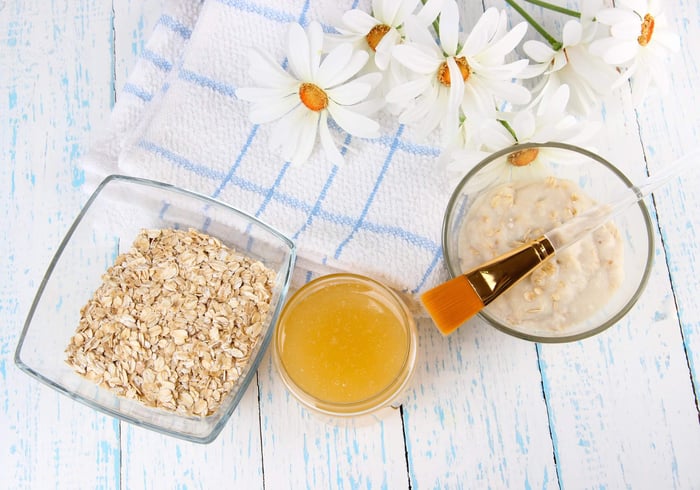
Honey has been used in skincare routines for generations because it naturally attracts and retains moisture. Many homemade skincare products combine honey with yogurt, oats, or aloe vera for additional benefits.
As a humectant, honey helps draw moisture to the skin, which can make it useful in simple hydrating masks. Its naturally sticky texture also helps it stay in place during short topical applications. People often use honey in do-it-yourself skincare recipes when they want a gentle, natural ingredient.
Anyone with sensitive skin should patch test first before applying honey to the face or body. Skincare results vary, and honey should not be used on serious wounds, burns, or infections without guidance from a qualified healthcare professional.

Is Honey Better Than Refined Sugar?
| Feature | Honey | Refined Sugar |
|---|---|---|
| Antioxidants | Present | Absent |
| Trace Minerals | Small amounts | Minimal |
| Flavor Variety | High | Low |
| Processing Level | Lower | Higher |
Many people prefer honey over refined sugar because it contains naturally occurring antioxidants and trace nutrients. Honey also offers a more complex flavor profile that varies depending on floral source.
Honey can often be used in place of refined sugar, but it is not a one-for-one substitute in every recipe. Because honey contains moisture, baked goods may brown faster and have a softer texture. When baking with honey, many cooks reduce other liquids slightly and lower oven temperature a bit to prevent over-browning.
For drinks, sauces, marinades, and dressings, honey is especially easy to use. It dissolves well in warm liquids and balances acidic ingredients like lemon juice, vinegar, mustard, and citrus. This makes honey useful far beyond sweet dishes.
Can Honey Benefit the Immune System?
- Honey contains naturally occurring antimicrobial compounds.
- Antioxidants may help reduce oxidative stress.
- Honey is commonly used in wellness drinks and herbal teas.
- Honey pairs well with warm lemon water during seasonal wellness routines.
Honey has traditionally been used to support wellness during seasonal illness periods. Antioxidants and naturally occurring antimicrobial compounds may contribute to its reputation in natural health practices.
Many families keep honey in the pantry for simple seasonal routines, such as adding it to warm herbal tea or mixing it with lemon water. These uses are popular because honey adds soothing texture, pleasant sweetness, and a comforting flavor that pairs well with common wellness ingredients.
The immune system is complex, so honey should be viewed as one supportive food rather than a guaranteed immune booster. A strong wellness routine also includes sleep, hydration, nutrient-rich meals, regular movement, and appropriate medical care when needed.
What Are the Different Types of Honey?
| Honey Type | Flavor Profile | Common Characteristics |
|---|---|---|
| Manuka Honey | Rich and earthy | Known for antibacterial activity |
| Acacia Honey | Light and delicate | Mild flavor and slow crystallization |
| Wildflower Honey | Varies seasonally | Diverse floral sources |
Honey varieties differ based on the nectar collected by bees. Manuka honey is widely recognized for antibacterial activity, acacia honey is light-colored and mild tasting, and wildflower honey varies depending on regional blooms.
Color is often a helpful clue to flavor. Lighter honeys are usually milder and work well in tea, yogurt, and delicate baked goods. Darker honeys often have stronger flavor and can stand up well in marinades, barbecue sauces, glazes, and hearty recipes.
Wildflower honey is especially interesting because it reflects the flowers blooming near the hive during harvest. One batch may taste floral and light, while another may be bold and earthy. This natural variation is part of the appeal of buying honey from beekeepers and trusted bee supply sources.
How Can You Use Honey Every Day?
- Add honey to oatmeal, yogurt, or toast.
- Use honey in tea or lemon water.
- Replace refined sugar in selected baking recipes.
- Use honey in homemade skincare masks.
Honey is easy to incorporate into daily routines. Many people stir it into tea, drizzle it over breakfast foods, or use it in salad dressings and marinades.
For breakfast, honey works well over oatmeal, Greek yogurt, biscuits, toast, pancakes, waffles, or fresh fruit. For lunch and dinner, it can balance savory flavors in glazes for vegetables, chicken, pork, and salmon. It also pairs well with mustard, garlic, soy sauce, lemon, and apple cider vinegar.
Honey can also be used in simple homemade drinks. Stir it into warm tea, add it to lemon water, blend it into smoothies, or use it to lightly sweeten iced tea after dissolving it in a small amount of warm water first.
How Should Honey Be Purchased and Stored?
- Raw honey is typically less processed than commercial blends.
- Pure honey naturally crystallizes over time.
- Warm water can gently reliquify crystallized honey.
- Properly stored honey has an exceptionally long shelf life.
When purchasing honey, many consumers prefer raw honey because it may retain more natural compounds and enzymes. Store honey in a sealed container at room temperature away from direct moisture.
Look for honey that clearly identifies the type, source, or producer whenever possible. Terms like raw, unfiltered, local, wildflower, clover, or buckwheat can help shoppers understand what they are buying. If the label is vague, check whether the seller provides sourcing information or details about processing.
Never store honey in the refrigerator. Cold temperatures can speed crystallization and make honey harder to pour. A pantry or cupboard is usually the best place. Keep the lid tightly sealed so moisture does not enter the container, since excess moisture can affect quality over time.
Frequently Asked Questions
Is raw honey better than processed honey?
Raw honey is typically less processed and may retain more natural enzymes and compounds.
Does honey expire?
Pure honey has an exceptionally long shelf life when stored properly.
Can honey be used in skincare?
Yes. Honey is commonly used in moisturizing face masks and skincare products.
Why does honey crystallize?
Crystallization is a natural process caused by glucose separating from water over time.
Can honey help sore throats?
Honey may help soothe irritated throats due to its thick texture and natural compounds.
Why do honey flavors vary?
Honey flavor varies based on the flowers visited by honeybees during nectar collection.
```
FAQs
Is raw honey better than processed honey?
Raw honey is typically less processed and may retain more natural enzymes and compounds.
Does honey expire?
Pure honey has an exceptionally long shelf life when stored properly.
Can honey be used in skincare?
Yes. Honey is commonly used in moisturizing face masks and skincare products.
Why does honey crystallize?
Crystallization is a natural process caused by glucose separating from water over time.
Can honey help sore throats?
Honey may help soothe irritated throats due to its thick texture and natural compounds.
Why do honey flavors vary?
Honey flavor varies based on the flowers visited by honeybees during nectar collection.