Welcome to Lappe's Bee Supply's blogs section. We are a trusted beekeeping company in the USA. We give relevant insights, seasonal guidance, and professional advice for beekeepers of all experience levels. From hive management and bee wellness to honey production and equipment guides, we have it all that you will require to thrive. Get updated, motivated, and connected with the beekeeping community through regular news from Lappe's Bee Supply.
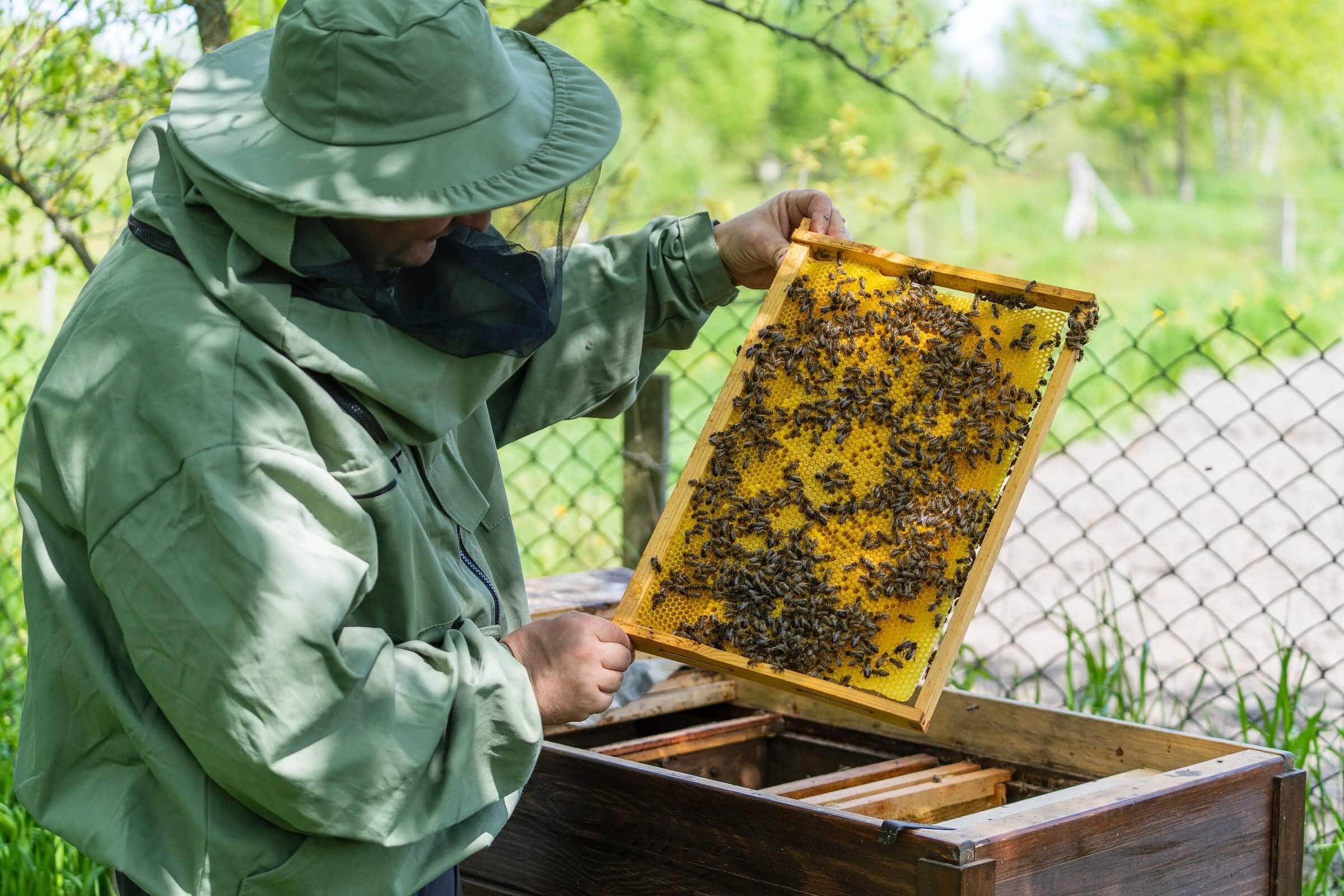
A Guide to Washing Your Bee Suit: Keeping Your Gear in Top Shape
How to Wash a Bee Suit: Safe Cleaning, Drying, and Care
Author: Lappe's Bee Supply Team
Published: May 21, 2025
Last Updated: July 14, 2026
Reviewed By: Lappe's Bee Supply Beekeeping Team
Editorial Note: This guide combines practical beekeeping experience with general garment-care principles and university, government, and manufacturer resources. Always follow the care label supplied with your specific bee suit because materials and construction methods vary.
A clean bee suit is easier to inspect, more comfortable to wear, and less likely to carry sticky honey, propolis, pollen, dirt, or unpleasant odors into your next hive inspection. Cleaning must still be gentle enough to protect the suit's fabric, veil, elastic, seams, closures, and zippers.
The safest general approach is to check the care label, remove detachable parts as directed, use mild unscented detergent, wash with cool or lukewarm water, rinse thoroughly, and air-dry the suit completely. Manufacturer instructions take priority over general advice because cotton, synthetic, ventilated, and multilayer suits may require different care.
Key Takeaways
|
What is a bee suit, and why should it be cleaned?
A bee suit is protective clothing that reduces sting exposure and should be cleaned to remove honey, wax, pollen, propolis, dirt, and debris.
- Suits create a physical barrier between the beekeeper's skin and defensive bees.
- Common designs include cotton, synthetic, ventilated mesh, and multilayer fabrics.
- Honey, wax, pollen, propolis, dust, smoke residue, and dead bees may collect during normal use.
- Cleaning makes seams, holes, zippers, elastic, and veil damage easier to inspect.
- Manufacturer care instructions should control how each individual suit is washed.
A suit includes more than its main fabric. Depending on the design, it may have elastic wrist and ankle closures, plastic or metal zippers, hook-and-loop fasteners, thumb loops, reinforced knees, mesh ventilation layers, and a structured veil. A washing method that is harmless to one component may damage another.
Cleaning is therefore both a garment-care task and an equipment inspection opportunity. Washing removes sticky or abrasive material, while the inspection that follows helps determine whether the suit can still provide dependable coverage. A clean suit cannot prevent every sting, but it is easier to evaluate and wear correctly.
How often should a suit be washed?
Wash a bee suit when it becomes sticky, heavily soiled, exposed to an unwanted substance, or noticeably odorous instead of following one schedule for every beekeeper.
- Cleaning frequency depends on the number and type of hive inspections performed.
- Fresh honey should be rinsed before it dries and hardens on the fabric.
- Spot cleaning may be sufficient for a small, localized mark.
- A heavily soiled suit should receive a complete wash before its next use.
- A damp suit or one exposed to an unwanted substance should not be placed directly into storage.
A hobby beekeeper who manages a few colonies may need fewer full washes than someone who works bees daily. Harvesting, moving colonies, removing burr comb, handling propolis-coated equipment, or working during muddy weather can soil a suit quickly.
Do not wash the suit after every brief use unless the condition of the suit requires it. Unnecessary washing creates additional wear, especially around seams, elastic, zippers, and veil attachments. Between full washes, allow the suit to air out and treat fresh spots before they become difficult to remove.
What should you do before washing a suit?
Read the care label, remove loose debris, empty the pockets, inspect for damage, and separate detachable parts before washing a bee suit.
- Shake loose dirt, wax, pollen, and dead bees from the suit outdoors.
- Empty every pocket and remove hive tools, queen cages, matches, and other objects.
- Check the veil, seams, cuffs, ankles, zippers, elastic, and closures.
- Remove detachable components when their care instructions call for separate washing.
- Close zippers or secure fasteners when the manufacturer recommends doing so.
Begin by taking the suit outside and shaking it thoroughly. Brush away loose debris with a soft cloth or soft-bristled brush. Avoid forcefully scraping mesh or pushing sharp pieces of wax and propolis into the fabric.
Inspect the suit before it becomes wet. Look for holes that could enlarge during washing, stitching that has started to separate, weak elastic, a zipper that no longer closes correctly, or veil mesh that has pulled away from its seam. Complete urgent repairs before washing when agitation could worsen the damage.
How do you wash a suit by hand?
Hand wash a suit in cool or lukewarm water with mild unscented detergent, using gentle agitation followed by a complete rinse.
Materials Needed
- Mild, unscented laundry detergent
- Clean cool or lukewarm water
- Large basin, bathtub, or utility sink
- Soft cloth, sponge, or soft-bristled brush
- Strong hanger or drying line
Step-by-Step Hand-Washing Instructions
- Read the label: Confirm that hand washing is permitted and note any temperature, detergent, veil, or drying restrictions.
- Fill the basin: Add enough cool or lukewarm water to submerge the suit without packing it tightly.
- Add detergent: Mix in a small amount of mild, unscented detergent.
- Submerge the suit: Lower the suit into the water and gently move it to wet the fabric evenly.
- Allow a short soak: Let ordinary soil soften for approximately 10 to 20 minutes unless the care label warns against soaking.
- Clean soiled areas: Gently work the fabric around the cuffs, knees, seat, pockets, collar, and other dirty areas.
- Drain the wash water: Lift the suit without pulling on the veil, elastic, or zipper.
- Rinse thoroughly: Rinse until no visible suds or slippery detergent residue remains.
- Remove excess water: Press water from the fabric gently.
- Air-dry completely: Hang the suit in a shaded area with good air movement.
Can you wash a suit in a washing machine?
Many suits can be machine washed on a gentle cycle, but the manufacturer's label must approve the water temperature, cycle, and veil treatment.
Step-by-Step Machine-Washing Instructions
- Confirm machine washing is allowed: Read the suit and veil care labels.
- Prepare the suit: Empty pockets and remove loose debris.
- Separate the veil: Remove the veil if it is detachable or could be damaged.
- Use a laundry bag: Place delicate washable parts in a large mesh bag when appropriate.
- Wash separately: Avoid mixing the bee suit with ordinary clothing.
- Select a gentle cycle: Use the approved temperature and least aggressive practical cycle.
- Add mild detergent: Avoid concentrated detergent directly on mesh.
- Rinse completely: Use an additional rinse when residue remains.
- Remove promptly: Take the suit out after washing.
- Air-dry: Hang the suit until completely dry.
Is hand washing or machine washing better for a suit?
Hand washing offers greater control, while approved machine washing saves time. The best method depends on the suit's materials and care instructions.
How should honey, wax, pollen, and propolis stains be cleaned?
Fresh Honey
Rinse fresh honey with cool or lukewarm water before it dries.
Beeswax
Allow soft wax to firm before gently lifting it away.
Pollen
Shake or brush away loose pollen before wetting the fabric.
Propolis
Remove sticky surface residue gently and avoid strong solvents unless approved.
Smoke and Odors
Air the suit outdoors in a shaded location before deciding whether a full wash is necessary.
How should a suit be dried?
Air-dry a suit in a shaded, well-ventilated area until its fabric, veil, seams, pockets, elastic, and closures are completely dry.
How can you make a suit last longer?
Gentle cleaning, complete drying, prompt repairs, careful storage, and routine inspections help preserve a bee suit's fit and protective coverage.
How should a clean suit be stored?
Store a suit only when completely dry, using a clean location protected from moisture, direct sunlight, insects, rodents, and damaging chemicals.
What suit cleaning mistakes should you avoid?
Avoid unapproved bleach, fabric softener, strong fragrance, harsh solvents, high heat, forceful scrubbing, incomplete rinsing, and damp storage.
What is the complete suit cleaning checklist?
A complete suit cleaning routine covers preparation, gentle washing, thorough rinsing, full air drying, inspection, repair, and dry storage.
When should a suit be repaired or replaced?
Repair a suit when minor damage can be closed securely, and replace it when fabric, veil, seams, elastic, or zippers no longer provide dependable coverage.
Frequently Asked Questions
Can you wash a suit in a washing machine?
Many suits can be machine washed on a gentle cycle, but the manufacturer's care label should always determine the correct method.
What detergent should you use to wash a suit?
Use a mild, unscented detergent without fabric softener, strong fragrance, or unnecessary additives.
Should you wash a bee suit separately?
Washing a bee suit separately prevents wax, propolis, pollen, and odors from transferring to ordinary clothing.
Can you put a bee suit in a clothes dryer?
Air drying is generally the safest choice because high heat may shrink fabric or damage elastic, mesh, hook-and-loop closures, and zippers.
Should you remove the veil before washing a bee suit?
Remove a detachable veil when the manufacturer recommends separate cleaning or when machine agitation could bend or damage its structure.
How often should a bee suit be washed?
Wash a bee suit when it becomes sticky, heavily soiled, exposed to an unwanted substance, or noticeably odorous.
How do you remove honey from a bee suit?
Rinse fresh honey with cool or lukewarm water, gently work mild detergent into the area, and rinse thoroughly before the honey dries.
Can all propolis stains be removed from a bee suit?
Propolis can permanently discolor fabric, so the goal is to remove sticky residue without damaging the suit.
Can bleach be used on a white bee suit?
Do not use bleach unless the suit manufacturer specifically permits it.
How should a clean bee suit be stored?
Store the suit only after it is completely dry, preferably hanging in a clean location protected from moisture, sunlight, rodents, and insects.
Sources and Further Reading
- A Guide for Firefighters and Rescue Personnel: Protective Clothing — USDA Agricultural Research Service
- Pennsylvania Honey Bee Emergency Response — Penn State Extension
- Beekeeping Resources — Penn State Extension
- Beekeeping Basics — Penn State Extension
- Bees and Beekeeping Resources — University of Florida IFAS Extension
- Bee Research Laboratory — USDA Agricultural Research Service
- Carl Hayden Bee Research Center — USDA Agricultural Research Service