Welcome to Lappe's Bee Supply's blogs section. We are a trusted beekeeping company in the USA. We give relevant insights, seasonal guidance, and professional advice for beekeepers of all experience levels. From hive management and bee wellness to honey production and equipment guides, we have it all that you will require to thrive. Get updated, motivated, and connected with the beekeeping community through regular news from Lappe's Bee Supply.
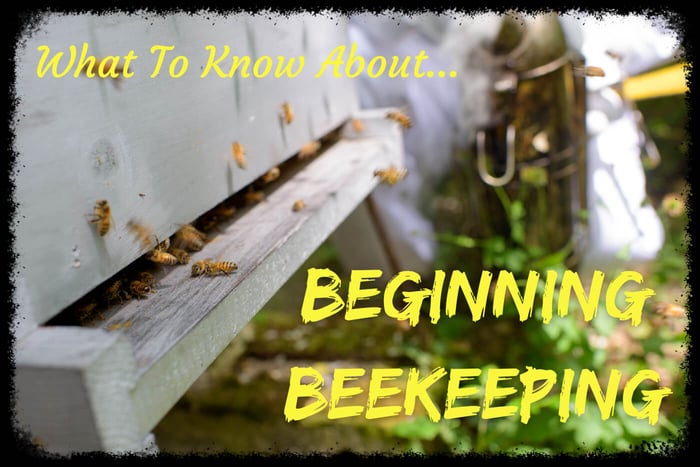
What To Know About Beginning Beekeeping
The Buzz About This Post
- Key Takeaways
- What Is Beginning Beekeeping?
- What Supplies Do You Need to Start Beekeeping?
- Why Do Beginner Beekeepers Use Langstroth Hives?
- What Happens During a Beginner Hive Installation?
- What Mistakes Do Beginner Beekeepers Commonly Make?
- What Should Beginners Expect During the First Year of Beekeeping?
- Should Beginners Buy Package Bees or Nucs?
- Where Should Beginners Buy Honey Bees?
- How Often Should Beginners Inspect a Beehive?
- What Tips Help Beginner Beekeepers Succeed?
- Ready to Start Your First Hive?
- Frequently Asked Questions
- Sources and Further Reading
- FAQs
Beginning Beekeeping Supplies: What New Beekeepers Need to Start a Hive
Starting your first hive is exciting, but it is much easier when you know exactly what equipment, bees, and tools you need before pickup day.

Key Takeaways
- Beginner beekeepers need a hive, live bees, protective gear, feeding equipment, and basic hive tools.
- Langstroth hives are the most common hive style for new beekeepers in the United States.
- Five-frame nucs are usually easier for beginners than three-pound package bees.
- Hive inspections every 10 to 14 days help monitor brood, food, pests, space, and swarm risk.
- Spring feeding helps new colonies when nectar is limited by weather or seasonal timing.
What Is Beginning Beekeeping?
Beginning beekeeping is the practice of starting and caring for managed honey bee colonies. A new beekeeper must provide a hive, live bees, protective gear, feeding support, and basic tools for inspections.
What Supplies Do You Need to Start Beekeeping?
| Supply | Purpose | Beginner Note |
|---|---|---|
| Langstroth hive | Houses the colony | Most common beginner choice |
| Frames and foundation | Support comb building | Wax-coated frames are commonly used |
| Bee suit, veil, and gloves | Protect the beekeeper | Full protection is best for beginners |
| Smoker | Helps calm bees | Use cool, clean smoke |
| Hive tool | Separates boxes and frames | Essential for inspections |
| Feeder | Provides syrup when needed | Useful for new spring colonies |

Why Do Beginner Beekeepers Use Langstroth Hives?
Most beginner beekeepers in the United States start with Langstroth hives because they are easy to expand and widely supported by suppliers. A Langstroth hive uses removable frames, which allow inspections without destroying the comb.
These hives can grow with the colony by adding additional boxes called supers. Replacement equipment is also easier to find because Langstroth equipment is standardized across much of the beekeeping industry.
- Removable frames simplify hive inspections.
- Standardized equipment is widely available.
- Additional boxes can be added as colonies grow.
- Most beginner education uses Langstroth equipment.
What Happens During a Beginner Hive Installation?
Hive installation is one of the first major steps for a new beekeeper. Package bees are usually shaken or poured into the hive and given time to release and accept the queen. Nucs are installed by transferring the frames directly into the hive body in the same order they came from the nuc box.
Most installations happen during spring when daytime temperatures are mild and nectar-producing flowers begin blooming. The hive should already be assembled, placed, and ready before the bees arrive.
- Hives should be fully assembled before pickup day.
- Installations are easier during calm weather.
- New colonies may need feeding after installation.
- Inspect the colony within the first week after installation.
What Mistakes Do Beginner Beekeepers Commonly Make?
Most beginner beekeeping mistakes happen because colonies grow faster than expected during spring. A hive that lacks space may begin preparing to swarm. Irregular inspections can also make it harder to spot queen problems, pests, or food shortages.
New beekeepers should focus on consistency instead of perfection. Small corrections early in the season are usually easier than solving larger colony problems later.
- Skipping inspections can delay problem detection.
- Late supering may increase swarm risk.
- Overfeeding can fill brood space with syrup.
- Poor ventilation may increase moisture inside the hive.
- New colonies often grow faster than expected during spring.
What Should Beginners Expect During the First Year of Beekeeping?
Many new beekeepers expect large honey harvests immediately, but first-year colonies often spend much of their energy building wax comb and increasing population size.
Weather, nectar availability, hive strength, and installation timing all affect first-year colony performance. Some colonies produce surplus honey during the first season, while others primarily focus on establishment.
- Strong colonies may need additional boxes quickly.
- Comb building requires large amounts of nectar or syrup.
- Population growth usually accelerates during spring.
- Winter preparation begins long before cold weather arrives.
A complete beginner setup includes the hive, bees, protective gear, inspection tools, feeding equipment, and educational support.
Should Beginners Buy Package Bees or Nucs?

Package bees are commonly available earlier in spring, but nucs often establish faster because the colony is already functioning.
| Feature | 3-Pound Package Bees | 5-Frame Nuc |
|---|---|---|
| Drawn comb | No | Yes |
| Brood | No | Yes |
| Food stores | No established stores | Usually included |
| Beginner difficulty | Moderate | Easier |

Where Should Beginners Buy Honey Bees?
- Local suppliers may offer bees adapted to regional conditions.
- Shorter transportation can reduce stress on live bees.
- Bee clubs often know reliable package and nuc sellers.

Buying bees locally is often the best starting point because bees spend less time in transit before installation.
How Often Should Beginners Inspect a Beehive?
- Look for eggs, larvae, capped brood, and a healthy brood pattern.
- Check that the colony has enough food stores.
- Add boxes before the hive becomes crowded.
Regular inspections help beginners understand colony growth and identify problems before they become serious.
What Tips Help Beginner Beekeepers Succeed?
Beginner Beekeeping Checklist
- Choose your hive size and configuration.
- Buy protective gear before bees arrive.
- Reserve packages or nucs early.
- Prepare the hive before pickup day.
- Install bees during suitable weather.
- Inspect every 10 to 14 days during the active season.
Ready to Start Your First Hive?
Choose beginner-friendly equipment, reserve bees early, and get your hive ready before installation day.
Shop Beginning Beekeeping Starter KitsFrequently Asked Questions
What is the best beehive for beginners?
The Langstroth hive is the most common beginner choice because it is standardized and expandable.
Are nucs better than package bees for beginners?
Nucs are usually easier because they already contain brood, comb, food stores, and a laying queen.
How often should a beginner inspect a hive?
Most active colonies should be inspected every 10 to 14 days during the beekeeping season.
Sources and Further Reading
- The Beekeeper’s Handbook — Diana Sammataro and Alphonse Avitabile
- Honey Bee Biology and Beekeeping — Dewey M. Caron and Lawrence John Connor
- USDA Agricultural Research Service — Honey Bee Health Resources
- University of Minnesota Bee Lab — Beekeeping Education Resources


FAQs
What is the best beehive for beginners?
The Langstroth hive is the most common beginner choice because it is standardized, expandable, and widely supported by suppliers.
How many hives should a beginner start with?
Many beginner beekeepers start with one or two hives. Two hives make it easier to compare colony strength and identify problems.
How many hives should a beginner start with?
Many beginner beekeepers start with one or two hives. Two hives make it easier to compare colony strength and identify problems.
Are nucs better than package bees for beginners?
Nucs are usually easier for beginners because they already contain brood, food stores, comb, worker bees, and a laying queen.
Do beginner beekeepers need a full bee suit?
A full bee suit is recommended for beginners because it provides more protection and helps new beekeepers stay calm during inspections.
How often should a beginner inspect a hive?
Most beginner beekeepers inspect active colonies every 10 to 14 days during the main beekeeping season.
When should beginners order honey bees?
Honey bees should usually be reserved during winter or early spring because package bees and nucs can sell out before pickup season.
What does a bee smoker do?
A bee smoker produces cool smoke that helps calm bees and makes hive inspections easier to manage.
Can beginners harvest honey during the first year?
Some first-year colonies produce surplus honey, but many new colonies focus more on comb building and population growth.
Why do beginner colonies need feeding?
New colonies may need sugar syrup when nectar is limited so they can build comb, feed brood, and continue growing.
What causes honey bees to swarm?
Swarming is natural colony reproduction and is often triggered by crowding, strong population growth, and seasonal conditions.
What is the difference between an 8-frame and 10-frame hive?
Eight-frame hives are lighter and easier to lift, while ten-frame hives hold more frames and provide additional capacity per box.
Do beginner beekeepers need to feed bees every year?
Feeding depends on colony strength, weather, nectar availability, and seasonal conditions. Some colonies need supplemental feeding more than others.
How long does it take bees to build comb?
Comb building speed depends on nectar flow, feeding, weather, colony strength, and available hive space.
Can beginner beekeepers start with one hive?
Yes, but many beekeepers recommend starting with two hives because comparisons make troubleshooting easier.
What tools are most important for beginner beekeepers?
The most important beginner tools are a smoker, hive tool, protective clothing, feeder, and properly assembled hive equipment.