Welcome to Lappe's Bee Supply's blogs section. We are a trusted beekeeping company in the USA. We give relevant insights, seasonal guidance, and professional advice for beekeepers of all experience levels. From hive management and bee wellness to honey production and equipment guides, we have it all that you will require to thrive. Get updated, motivated, and connected with the beekeeping community through regular news from Lappe's Bee Supply.
How to Move a Bee Hive During Cooler Temperatures
The Buzz About This Post
- Why can cooler weather be a good time to move a bee hive?
- How should you choose the new location for a bee hive?
- How should you prepare a bee hive before moving it?
- What is the safest way to move a bee hive?
- What changes when a bee hive is moved only a short distance?
- What should you do after the hive reaches its new location?
- What fall hive management still matters after moving the colony?
- What should beekeepers know about moving a bee hive? Frequently Asked Questions
- Is fall a good time to move a bee hive?
- Can I move a bee hive during the day in cooler weather?
- Should I close the entrance before moving a bee hive?
- Why should a bee hive be strapped together before moving it?
- Can I move a bee hive only a few feet?
- How do bees know their hive has moved?
- Should branches or grass be placed in front of a hive after moving it?
- When should I open the entrance after moving the hive?
- What makes a good winter location for a bee hive?
- Does moving a hive to a better winter location prepare it for winter?
- What sources support these bee hive moving recommendations?
- Who prepared this guide?
- FAQs
How to Move a Bee Hive in Cooler Weather
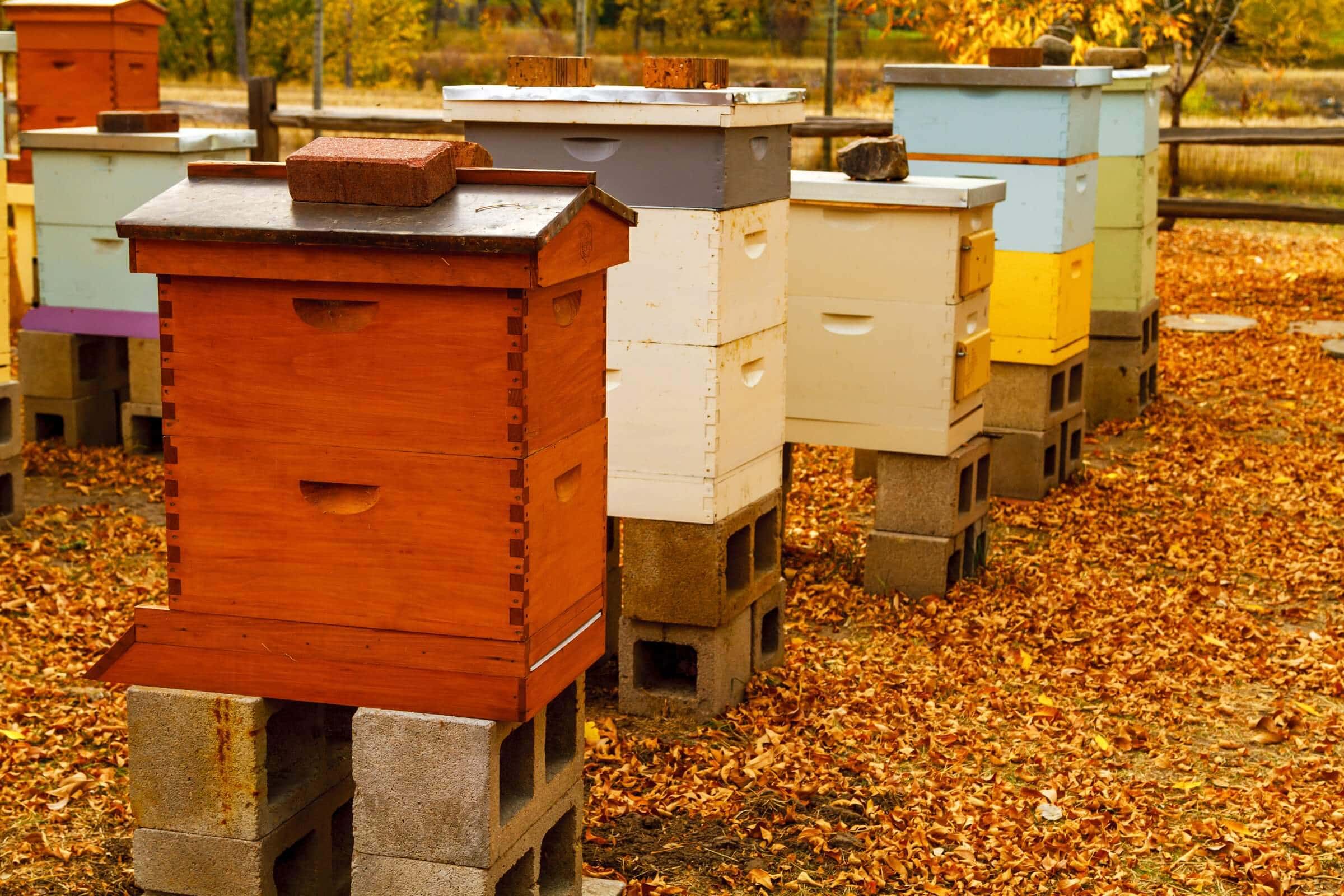
As the leaves turn and the air becomes crisp, many beekeepers start thinking about where their colonies will spend the colder months. A hive location that worked well during summer may become too shaded, too exposed to winter wind, difficult to reach, or poorly drained once fall arrives. If a better location is available, cooler weather can be a practical time to move a bee hive.
Move a bee hive means relocating an occupied hive and the honey bee colony living inside it from one position to another. In this guide, cooler weather means conditions in which bee flight activity is reduced. It does not mean there is one specific outdoor temperature that automatically makes every hive safe to move.
To move a bee hive successfully involves more than picking up the equipment and setting it somewhere else. The goal is to move as much of the colony together as possible, prevent equipment from shifting, maintain airflow while bees are confined, place the hive at a prepared destination, and help experienced foragers recognize their new location when necessary.
| By Lappe's Bee Supply Team Published: September 30, 2026 Topic: Moving honey bee colonies in cooler weather |
Editorial note: This guide combines established university Extension guidance with practical beekeeping considerations. Weather, colony condition, hive configuration, transportation distance, equipment, and local requirements can change how a colony should be moved.
Key Takeaways
- Reduced flight activity can make hive relocation easier because more of the colony may be inside when the move begins.
- A closed hive still needs ventilation, even when outdoor temperatures feel cool.
- The complete hive should be secured before lifting so the bottom board, boxes, inner cover, and lid cannot separate.
- Short-distance moves require extra attention because experienced foragers may return to the former hive location.
- The destination should be ready before the colony is moved so the hive can be unloaded directly onto a stable stand.
- Moving a colony does not replace fall management, including food assessment, Varroa management, ventilation, and regional winter preparation.
Why can cooler weather be a good time to move a bee hive?
Cooler weather can make a hive move easier because fewer bees may be flying, but secure equipment, adequate ventilation, and careful timing still matter.
- Reduced flight activity can mean more worker bees are inside the hive when the colony is moved.
- University of Georgia guidance notes that bee hives are easiest to move during winter, when colony populations and hive weights may be lower.
- Ventilation remains necessary whenever bees are confined for transportation.
- Watching actual entrance activity is more useful than assuming every cool day is appropriate.
- Very cold, wet, windy, or otherwise hazardous weather can create different problems for the colony and beekeeper.
One of the main advantages of moving a colony during cooler weather is reduced bee flight. When fewer workers are actively foraging, the beekeeper has a better chance of relocating most of the adult population with the hive instead of leaving a large number of foragers behind at the original site.
University of Georgia guidance notes that bee hives are easiest to move during winter, when colony populations and hive weights may be lower. That does not mean winter or cool weather eliminates the normal precautions involved in transporting live bees.
A colony should never be treated like an empty stack of boxes. Bees continue to respire and produce heat while they are confined. Any entrance closure used during transportation should therefore allow adequate airflow, especially when bees will remain contained for more than a brief period.
Timing should be based on what the colony is actually doing. A cool afternoon with steady flight activity may be less suitable than an evening when nearly all of the foragers have returned. Watch the entrance before closing the colony rather than relying on a specific temperature alone.
How should you choose the new location for a bee hive?
Choose a dry, accessible hive site with useful sunlight, wind protection, dependable drainage, a stable stand, and a clear flight path.
- Level and prepare the new location before containing the colony.
- Avoid low areas where standing water or cold, damp air regularly collects.
- Look for reasonable protection from strong prevailing winter winds.
- Keep the primary flight path away from sidewalks, doors, livestock areas, and heavily used spaces.
- Make sure the site remains accessible for inspections, feeding, and other seasonal management.
- Use a stand that can safely support the full weight of the occupied colony.
Prepare the destination before closing the entrance or lifting the hive. Clear brush and debris, level the stand, make sure the ground is firm, and confirm that the colony can be placed immediately after arrival.
Utah State University Extension recommends considering factors such as sunlight, animals, people, flight paths, accessibility, and hive stability when choosing an apiary location. Those considerations become especially important when the colony will remain at the new site through winter.
Drainage also matters. A site that regularly holds water can expose equipment to prolonged dampness and make winter access difficult. Protection from severe prevailing winds can also improve the location, while suitable sunlight may help the site warm during cooler periods.
Think beyond winter when possible. A site that looks ideal in January may become difficult to reach with supers, feeders, or other equipment in spring. The beekeeper should be able to approach and work around the hive without standing directly in the main flight path.
New Hive Location Checklist
| Site Factor | What to Look For |
|---|---|
| Ground | Firm ground with dependable drainage and low risk of standing water. |
| Sunlight | Useful morning or daytime sun appropriate for the local climate. |
| Wind | Protection from strong prevailing winter winds when possible. |
| Flight Path | Open space in front of the entrance and away from busy areas. |
| Hive Stand | Stable, level support that keeps the colony above wet ground. |
| Access | Enough space to carry equipment and perform future inspections. |
| Surroundings | Low risk from flooding, falling branches, livestock, vehicles, or repeated disturbance. |
How should you prepare a bee hive before moving it?
Prepare a hive by waiting for low flight activity, ventilating any entrance closure, checking escape gaps, securing every box, and planning a safe lift.
- Try to contain the colony when most active foragers have returned.
- Use ventilated screening rather than an airtight entrance closure.
- Inspect the hive for cracks or other openings where bees could escape.
- Secure the entire stack so the boxes cannot separate while being carried.
- Plan for the weight of the woodenware, bees, brood, pollen, and stored honey.
- Use enough people or suitable lifting equipment for the colony being moved.
Start by deciding when the colony will be contained. Many beekeepers choose late afternoon, evening, early morning, or another period when flight activity is naturally low. Cooler weather may reduce flight, but watching the entrance is the better way to determine whether large numbers of foragers are still away.
Seal the entrance without cutting off ventilation
When the entrance needs to be closed for transportation, use a barrier that keeps bees contained while allowing air to move through the hive. Screen wire or another suitable ventilated material can work well. University of Georgia guidance specifically recommends screening the entrance before transporting established colonies.
Inspect the rest of the hive at the same time. Check between boxes, around damaged corners, and anywhere else bees could escape once the colony is tilted or lifted. A screened entrance does little good if another opening allows bees to leave during transportation.
Strap the hive together
Use a hive tie-down strap or another suitable restraint to secure the bottom board, hive bodies, covers, and other stacked components together.
Colorado State University Extension recommends ratchet straps for helping prevent hive boxes from separating during transportation. This matters because a hive that seems stable while sitting on a stand can behave very differently once it is tilted, carried over uneven ground, placed in a vehicle, or subjected to sudden braking.
The goal is for the colony to behave as one secure unit. Check the strap before lifting and make sure it is positioned where it can hold the complete stack together without blocking ventilation or creating another problem.
| Moving Safety Reminder An occupied hive can be much heavier than it appears. Honey, brood, bees, pollen, woodenware, and other equipment all contribute to the total weight. Use a helper, hive carrier, cart, lift, or another suitable method rather than attempting to control more weight than can be handled safely. |
What is the safest way to move a bee hive?
Transport a hive upright and securely restrained, maintain ventilation, keep bees away from passengers when practical, and unload directly onto the prepared stand.
- Keep the colony as upright as practical while loading, transporting, and unloading.
- Prevent the hive from sliding, tipping, shifting, or separating.
- Secure the colony to the vehicle rather than relying on its weight alone.
- Maintain adequate airflow whenever the bees are confined.
- Keep occupied colonies separated from vehicle passengers whenever practical.
- Unload directly onto the prepared hive stand at the destination.
Once the hive is strapped and the bees are contained, lift the colony carefully. Avoid unnecessary dropping, jolting, or severe tipping. If multiple colonies are being moved at the same time, arrange the load so each hive remains secure and ventilation openings stay clear.
The colony should also be secured to the vehicle. A hive may feel extremely stable when the vehicle is parked, but sudden stops, turns, potholes, hills, and uneven roads can generate enough movement to shift heavy equipment.
University of Georgia recommends tying colonies down tightly during transportation. Colorado State University likewise recommends securing colonies to the vehicle after the individual hive components have been strapped together.
Ventilation remains a priority throughout the trip. Even when the outside air feels cool, thousands of confined bees are living organisms producing heat and moisture. Make sure screened entrances and other ventilation openings remain unobstructed.
When possible, transport occupied hives in a truck bed, trailer, or another area separated from passengers. A small number of escaping bees can become a major distraction inside an occupied vehicle.
Step-by-Step Hive Moving Checklist
- Prepare the new site. Level the stand, check drainage, clear the flight path, and make sure the destination is ready.
- Determine the moving distance. Decide whether the colony is moving within familiar surroundings or to a more distant location.
- Wait for reduced flight activity. Try to contain the colony when most active foragers have returned.
- Close the entrance when necessary. Use screen or another suitable ventilated barrier rather than sealing the colony airtight.
- Check for additional openings. Inspect cracks, gaps, damaged corners, and other possible escape points.
- Secure all hive components. Make sure the bottom board, hive bodies, inner cover, and lid remain together.
- Strap the hive. Tighten a suitable restraint around the complete stack.
- Lift carefully. Use adequate help or suitable equipment and keep the colony upright.
- Secure the colony in the vehicle. Prevent sliding, tipping, shifting, and separation.
- Maintain airflow. Keep ventilation openings clear throughout the trip.
- Unload at the prepared location. Place the hive directly on its new stand.
- Restore the entrance. Reopen the hive after it is safely positioned unless a specific management plan requires temporary confinement.
- Encourage reorientation after a short move. Use an appropriate reorientation method when the colony remains within familiar surroundings.
- Observe the colony. Watch the new entrance and check the former location after a nearby move.
What changes when a bee hive is moved only a short distance?
Short moves can confuse experienced foragers because honey bees remember local landmarks, so nearby relocations require additional reorientation and observation.
- Foraging honey bees learn the position of their colony in relation to surrounding visual features.
- After a nearby move, some experienced foragers may return to the former hive position.
- Moving within familiar surroundings creates a different orientation challenge than relocating a colony farther away.
- Gradual movement is one documented strategy for relocating a hive within an apiary.
- Some beekeepers use a temporary visual obstruction to encourage bees to notice that the entrance surroundings have changed.
- Checking the old hive site helps reveal whether significant numbers of bees are returning there.
Short-distance hive moves deserve special planning because the colony remains inside an area that experienced foragers already know. Honey bees use learned landmarks and other navigational information to locate their colony after foraging.
UF/IFAS Extension explains that foragers can become confused after a hive is moved within an apiary because they have learned the location of the original hive. A new position may seem obvious to the beekeeper while still being different from the exact location a returning forager expects to find.
This is why the commonly repeated saying that a hive must be moved only a few feet or several miles should not be treated as an absolute biological rule. The important management issue is whether experienced bees are likely to return to the former location and whether the beekeeper has a plan to help the colony adjust.
For very small relocations, one approach is gradual movement. Colorado State University Extension describes moving a hive a little at a time toward its final position so the bees repeatedly adjust to changes in location.
Some beekeepers place leafy branches, grass, or another temporary visual obstruction near the entrance after a short-distance move. The changed entrance area is intended to encourage departing bees to notice that their surroundings are different and reorient to the colony's new position.
The obstruction should not trap the bees, permanently block the entrance, or interfere with airflow. Once the colony begins adjusting to its new location, the temporary material can be removed.
| Type of Move | Main Concern | What to Watch |
|---|---|---|
| Very short move | Experienced bees may return to the original location. | Clusters or repeated searching at the former hive site. |
| Gradual nearby move | Colony position changes in small increments. | Normal entrance traffic as the hive approaches its final location. |
| Move to a new area | Bees must learn the surrounding landscape at the new site. | Orientation activity and normal return traffic at the new entrance. |
Regardless of the method, inspect the former site after a short-distance move. A few bees investigating the old location are different from a persistent cluster of returning foragers. Observation tells you more about how well the relocation is working than simply assuming the bees have adjusted.
What should you do after the hive reaches its new location?
After relocation, place the hive firmly on its stand, restore the entrance and airflow, then allow the colony time to settle and learn its new location.
- Place the hive on its prepared stand before releasing the bees.
- Confirm that the colony is stable before removing the entrance screen.
- Restore a usable entrance and adequate ventilation.
- Allow bees to perform orientation behavior as weather permits.
- Avoid opening the brood nest immediately unless there is a reason to inspect.
- After a nearby move, continue checking the former hive location.
When the colony reaches its destination, unload it directly onto the prepared stand. Make sure the stand is stable and the hive is positioned correctly before reopening the entrance. University of Georgia guidance recommends reopening hive entrances after colonies reach their new location.
Once released, the bees may gather near the entrance, make short flights around the colony, or perform other orientation behavior as weather allows. These flights help bees learn the appearance and location of their new surroundings.
There is usually no reason to immediately take apart an otherwise undamaged colony simply because it was moved. Unnecessary disturbance can be avoided when the hive remained secure, ventilation was maintained, and no equipment was damaged during transportation.
If the hive was dropped, boxes separated, an entrance became blocked, or equipment shifted significantly, inspect only as much as necessary to correct the problem safely.
Nearby moves deserve additional observation. Look at the old location later in the day and again when bees are flying. Returning workers may indicate that the colony still needs more time or additional attention to reorientation.
What fall hive management still matters after moving the colony?
Moving a hive does not replace fall management; colonies still need appropriate food reserves, Varroa management, ventilation, secure equipment, and regional winter preparation.
- A better location cannot correct inadequate winter food reserves.
- Varroa monitoring and management remain important during fall preparation.
- Entrances and ventilation systems must continue functioning after relocation.
- Hive lids, boxes, and stands should remain secure against seasonal weather.
- Winter management recommendations vary according to region and climate.
- Good hive placement is only one part of preparing a colony for winter.
Moving a colony to a sunnier, drier, more accessible, or better-protected location can solve a site problem, but relocation alone does not prepare the bees for winter.
Continue evaluating the colony's food reserves according to recommendations appropriate for your climate and management system. A colony in an excellent location can still struggle if it enters winter without enough stored food.
Varroa management remains a separate priority. Monitor mite levels and use an appropriate management plan based on colony condition, season, treatment instructions, and regional recommendations. Moving the hive does not correct a damaging mite problem that remains unaddressed.
Check the hive itself after the move. Make sure entrances remain open, ventilation components function as intended, covers are secure, and the colony is stable against severe weather.
Regional differences matter. A winter preparation method appropriate for Iowa may differ from recommendations in Georgia, Florida, Utah, Colorado, or another climate. Use local Extension guidance whenever regional conditions affect food requirements, insulation, ventilation, moisture control, or other winter management decisions.
| The Bottom Line Prepare the destination first, wait for reduced flight activity, maintain ventilation, secure every hive component, transport the colony carefully, and pay additional attention to orientation when the move is short. A well-planned relocation gives the colony a better opportunity to settle into its new location before winter. |
What should beekeepers know about moving a bee hive? Frequently Asked Questions
Safe hive moves depend on good timing, ventilation, secure equipment, a prepared destination, careful transportation, and appropriate reorientation after nearby relocations.
Is fall a good time to move a bee hive?
Fall can be a practical time to move a hive when flight activity is reduced, provided the colony is secured properly and adequate ventilation is maintained.
Can I move a bee hive during the day in cooler weather?
A daytime move may be possible when bee flight activity is low, but timing should be based on what the colony is actually doing rather than temperature alone.
Should I close the entrance before moving a bee hive?
Contain the bees when necessary for transportation, but use a method that provides adequate ventilation rather than sealing the colony airtight.
Why should a bee hive be strapped together before moving it?
A hive strap helps prevent the bottom board, hive bodies, inner cover, and lid from separating while the colony is lifted or transported.
Can I move a bee hive only a few feet?
Yes, but experienced foragers may return to the former hive location, so short-distance moves require additional attention to reorientation.
How do bees know their hive has moved?
Honey bees learn visual features and landmarks around their colony and use orientation behavior to learn the location of the hive entrance.
Should branches or grass be placed in front of a hive after moving it?
Some beekeepers use temporary leafy branches, grass, or another visual obstruction after a nearby move to encourage departing bees to notice that their surroundings have changed.
When should I open the entrance after moving the hive?
Open the entrance after the hive is safely positioned and stable at its destination unless a specific management reason requires temporary confinement.
What makes a good winter location for a bee hive?
A good winter site has dependable drainage, safe access, protection from severe wind, suitable sunlight, a stable stand, and a clear flight path.
Does moving a hive to a better winter location prepare it for winter?
No. Colonies still require appropriate food stores, Varroa management, functioning entrances, suitable ventilation, secure equipment, and other regional winter preparations.
What sources support these bee hive moving recommendations?
University Extension resources provide guidance on colony transportation, hive placement, securing equipment, ventilation, and the orientation challenges associated with moving honey bees.
- Buying and Moving Colonies — University of Georgia Bee Program
Guidance covering the timing of colony moves, screening entrances, closing hive openings, securing boxes, transporting colonies, and reopening entrances. - Preparing to Keep Bees — University of Georgia Bee Program
Guidance related to choosing and preparing an appropriate apiary location. - Setting Up and Placing a Hive — Utah State University Extension
Guidance covering sunlight, hive stability, flight paths, accessibility, people, animals, and other considerations when choosing a hive location. - Things to Consider When Moving Honey Bee Hives — University of Florida IFAS Extension
Guidance covering relocation distance, forager orientation, colony preparation, transportation, and ventilation concerns. - Integrated Hive Management — Colorado State University Extension
Guidance covering nearby hive relocation, screening entrances, strapping boxes, securing colonies during transportation, and ventilation.
Who prepared this guide?
This guide was prepared by the Lappe's Bee Supply Team to give beekeepers practical, evidence-led guidance for relocating honey bee colonies in cooler weather.
Lappe's Bee Supply is a family-owned beekeeping supply company serving beekeepers with hive equipment, tools, honey bees, and educational resources. Our woodenware is manufactured in East Peru, Iowa, and our team draws on practical beekeeping experience when developing educational content.
Editorial standards: Educational articles are written to distinguish practical recommendations from claims requiring outside support. University Extension, research institutions, government resources, and other authoritative references are preferred for technical statements. Recommendations may need to be adjusted for local weather, colony condition, equipment, regulations, and management goals.
FAQs
Is fall a good time to move a bee hive?
Fall can be a practical time to move a hive when flight activity is reduced, provided the colony is secured properly and adequate ventilation is maintained.
Can I move a bee hive during the day in cooler weather?
A daytime move may be possible when bee flight activity is low, but timing should be based on what the colony is actually doing rather than temperature alone.
Should I close the entrance before moving a bee hive?
Contain the bees when necessary for transportation, but use a method that provides adequate ventilation rather than sealing the colony airtight.
Why should a bee hive be strapped together before moving it?
A hive strap helps prevent the bottom board, hive bodies, inner cover, and lid from separating while the colony is lifted or transported.
Can I move a bee hive only a few feet?
Yes, but experienced foragers may return to the former hive location, so short-distance moves require additional attention to reorientation.
How do bees know their hive has moved?
Honey bees learn visual features and landmarks around their colony and use orientation behavior to learn the location of the hive entrance.
Should branches or grass be placed in front of a hive after moving it?
Some beekeepers use temporary leafy branches, grass, or another visual obstruction after a nearby move to encourage departing bees to notice that their surroundings have changed.
When should I open the entrance after moving the hive?
Open the entrance after the hive is safely positioned and stable at its destination unless a specific management reason requires temporary confinement.
What makes a good winter location for a bee hive?
A good winter site has dependable drainage, safe access, protection from severe wind, suitable sunlight, a stable stand, and a clear flight path.
Does moving a hive to a better winter location prepare it for winter?
No. Colonies still require appropriate food stores, Varroa management, functioning entrances, suitable ventilation, secure equipment, and other regional winter preparations.