Welcome to Lappe's Bee Supply's blogs section. We are a trusted beekeeping company in the USA. We give relevant insights, seasonal guidance, and professional advice for beekeepers of all experience levels. From hive management and bee wellness to honey production and equipment guides, we have it all that you will require to thrive. Get updated, motivated, and connected with the beekeeping community through regular news from Lappe's Bee Supply.
How Do Honey Bees Work???
The Buzz About This Post
- Key Takeaways
- Table of Contents
- What Is a Honey Bee Colony?
- Why Do Honey Bees Have Different Jobs?
- The Role of Worker Bees Outside the Hive
- Worker Bees Inside the Hive
- The Queen Bee: The Heart of the Hive
- Nurse Bees: The Caregivers of the Hive
- The Harmony of the Hive
- Role Comparison
- Frequently Asked Questions
- What is the difference between a worker bee and a nurse bee?
- What does the queen bee do in a hive?
- Do worker bees lay eggs?
- Why do honey bees collect pollen?
- Why do they collect nectar?
- What is royal jelly?
- How do they communicate food locations?
- How many queens are in a colony?
- Why are nurse bees important?
- Are honey bees important for pollination?
- Sources
- FAQs
How Honey Bees Work: The Lives of Worker Bees, Queens, and Nurse Bees
Author: Lappe’s Bee Supply
Published: April 7, 2025
Last updated: June 30, 2026
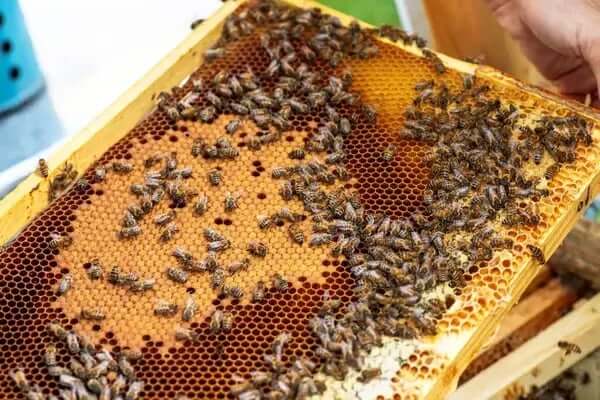
Healthy honey bee colonies rely on specialized worker bees, nurse bees, and a productive queen working together to raise brood, collect food, and maintain the hive.
Honey bees may look busy and random from the outside, but a healthy colony is one of nature’s most organized communities. Worker bees, nurse bees, and the queen each support the colony in different ways. Together, they raise brood, collect food, build comb, regulate temperature, protect the hive, and keep the colony growing through the season.
Key Takeaways
- Honey bee colonies survive through division of labor, not random activity.
- Worker bees perform nearly every hive task except laying fertilized eggs.
- Nurse bees are young worker bees that feed and care for developing brood.
- The queen bee lays eggs and produces pheromones that help organize the colony.
- Foraging workers collect nectar, pollen, water, and propolis for colony survival.
- A healthy hive depends on thousands of bees performing coordinated jobs.
Table of Contents
What Is a Honey Bee Colony?
A honey bee colony is a social insect community made of one queen, thousands of female workers, and seasonal male drones.
- A colony functions as one cooperative living system.
- The queen is the primary egg layer.
- Workers complete most labor inside and outside the hive.
- Drones appear seasonally and exist for reproduction.
A honey bee colony is often described as a superorganism because the group functions more like one living body than a collection of independent insects. Individual bees have specialized jobs, but colony survival depends on all roles working together. Food gathering, brood care, wax production, ventilation, defense, communication, and reproduction all happen at the same time inside a productive hive.
Why Do Honey Bees Have Different Jobs?
Honey bee colonies survive because age-based labor lets workers support brood care, food storage, defense, and reproduction efficiently.
- Worker bees change jobs as they age.
- Young bees usually begin with indoor hive duties.
- Older workers often become guards and foragers.
- Colony needs can speed up or slow down job changes.
Honey bees do not all perform the same work at the same time. A young worker may begin by cleaning cells, then move into nursing, wax production, nectar processing, guarding, and foraging. This age-based system helps the colony place younger bees in safer indoor jobs while older bees handle riskier outside work. If the colony is short on foragers or brood caretakers, workers can adjust their duties to meet the hive’s needs.
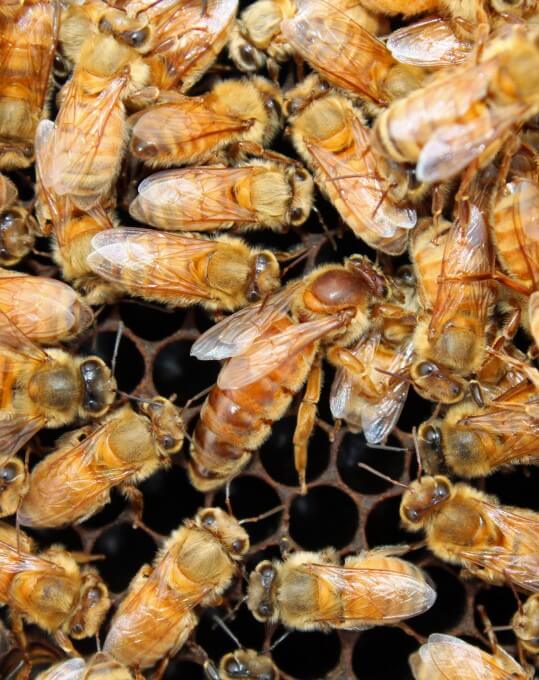
Lappe’s Field Note: In strong spring colonies, beekeepers can often see this division of labor clearly: nurse bees covering brood frames, house bees working nectar, guards at the entrance, and foragers returning with pollen.
The Role of Worker Bees Outside the Hive
Foraging worker bees collect nectar, pollen, water, and propolis while using dance communication to share profitable food locations.
- Nectar provides carbohydrates and becomes honey.
- Pollen provides protein, fats, vitamins, and minerals.
- Water helps cool the hive and dilute stored food.
- Propolis helps seal cracks and protect the hive.
- The waggle dance helps communicate distance and direction.
Worker bees outside the hive are usually older foragers. Their work takes them to flowers, trees, water sources, and resin-producing plants. Nectar is carried in the bee’s honey stomach and later processed into honey. Pollen is packed onto the hind legs in pollen baskets and brought home as a key food for developing brood. Propolis, a sticky plant resin, is used to seal gaps and support hive cleanliness.
Foragers also communicate. The waggle dance is one of the best-known honey bee behaviors because it can indicate the direction and approximate distance of a food source in relation to the sun. This communication helps the colony focus effort on useful resources instead of searching randomly.
Worker Bees Inside the Hive
Inside the hive, worker bees clean cells, feed brood, build wax comb, process nectar, ventilate the colony, and guard hive health.
- House bees clean and prepare brood cells.
- Wax-producing workers build and repair comb.
- Nectar-processing bees help turn nectar into honey.
- Ventilating bees control heat and humidity.
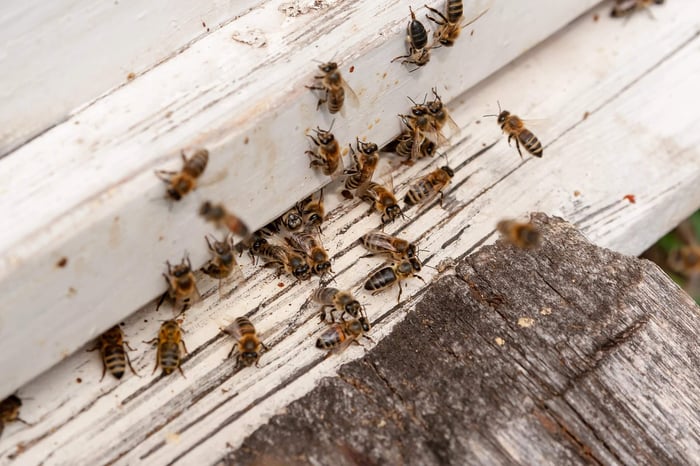
- Guard bees inspect traffic at the entrance.
Inside the hive, worker bees keep the colony functioning minute by minute. Clean cells give the queen a place to lay eggs. Wax comb gives the colony space to raise brood and store food. Nectar-processing bees reduce moisture from fresh nectar so it can become stable honey. Other workers fan their wings to circulate air, cool the hive, and support proper humidity.
These indoor tasks are easy to overlook because they happen inside the colony, but they are essential. Without clean cells, well-fed brood, stable comb, and controlled hive conditions, foraging alone would not keep the colony alive.
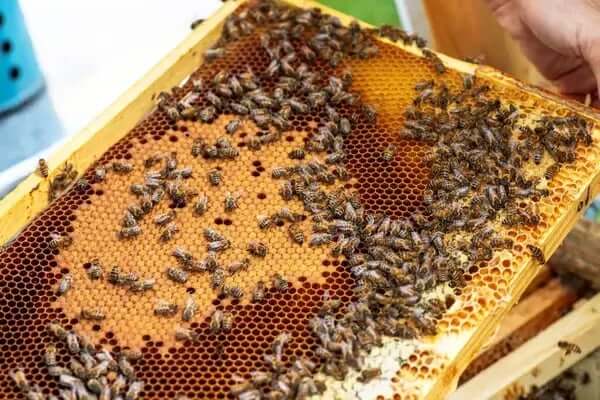
Practical Beekeeping Note: When inspecting a colony, look for more than adult bee population. Good brood pattern, clean comb, stored pollen, and active house bees often tell you more about colony health than flying activity alone.
The Queen Bee: The Heart of the Hive
The queen bee lays eggs and produces pheromones that help workers recognize colony status, organize behavior, and maintain hive stability.
- A healthy colony normally has one laying queen.
- The queen lays fertilized eggs that become workers or queens.
- Unfertilized eggs develop into drones.
- Queen pheromones help regulate worker behavior.
- Workers may replace a failing queen through supersedure.
The queen bee is the colony’s main reproductive female. Her most visible role is egg laying, but she also helps organize the colony through pheromones. These chemical signals tell workers that a queen is present and help maintain normal colony behavior.
During strong spring and summer conditions, a productive queen may lay a very large number of eggs per day. Exact egg-laying rates depend on queen genetics, nutrition, colony size, weather, available comb, and nectar flow. If the queen becomes weak, injured, missing, or less productive, worker bees may begin raising a replacement queen.
Research Reminder: Queen performance should always be judged with context. A small brood pattern may reflect a failing queen, but it may also reflect poor weather, low food supply, lack of comb space, disease pressure, or seasonal slowdown.
Nurse Bees: The Caregivers of the Hive
Nurse bees are young worker bees that feed larvae, produce brood food, clean cells, and help determine the colony’s next generation.
- Nurse bees feed developing larvae.
- They produce glandular brood food, including royal jelly.
- They inspect brood condition and clean cells.
- Larval nutrition affects colony strength and queen development.
Nurse bees are not a separate caste. They are worker bees in an early life stage, performing one of the most important jobs in the colony: raising brood. Young larvae receive nutrient-rich secretions from nurse bees. Larvae that will become workers are later fed a changing diet that includes honey and pollen, while larvae selected for queen development receive specialized feeding and are raised in queen cells.
This brood-care work shapes the colony’s future. A strong nurse bee population supports healthy larvae, steady population growth, and better seasonal buildup. A shortage of nurse bees can reduce brood care quality even when the hive still has a visible queen.
The Harmony of the Hive
Honey bee colonies thrive when thousands of bees coordinate feeding, cleaning, building, cooling, guarding, foraging, and reproduction.
- Hive work is shared across many specialized roles.
- Colony survival depends on cooperation, not one individual bee.
- Worker behavior changes with age, season, and colony need.
- Pollination connects honey bee activity to agriculture and ecosystems.
The beauty of a honey bee colony is not just the queen, the honey, or the foragers flying from flower to flower. It is the way all the pieces fit together. Nurse bees feed young larvae. House bees build and clean. Guards protect the entrance. Foragers bring in food and water. The queen lays eggs and signals colony status. Together, these roles allow the colony to survive changing weather, food availability, pests, and seasonal demands.
Honey bees also matter beyond the hive. Their pollination supports many agricultural crops and flowering plants, while their honey and beeswax have been valued by people for generations. Understanding the lives of worker bees, nurse bees, and queens helps beekeepers make better decisions and helps readers appreciate how organized a healthy colony really is.
Role Comparison
| Bee Role | Main Job | Typical Location | Why It Matters |
|---|---|---|---|
| Queen Bee | Lays eggs and produces pheromones | Brood nest and surrounding comb | Maintains reproduction and colony organization |
| Nurse Bee | Feeds larvae and cares for brood | Brood nest | Builds the next generation of workers and queens |
| House Worker Bee | Cleans, builds comb, processes nectar, ventilates | Inside the hive | Keeps the colony clean, stable, and productive |
| Foraging Worker Bee | Collects nectar, pollen, water, and propolis | Outside the hive | Brings in the resources needed for food, brood, and hive maintenance |
| Drone Bee | Mates with virgin queens | Hive and drone congregation areas | Supports honey bee reproduction and genetic diversity |
Original Proof Insert: In a hands-on hive inspection, beginners often notice the queen first, but the brood pattern, nurse bee coverage, pollen stores, and forager traffic usually provide a fuller picture of colony strength.
Frequently Asked Questions
What is the difference between a worker bee and a nurse bee?
A nurse bee is a young worker bee performing brood care duties. As she ages, she usually moves into other worker tasks.
What does the queen bee do in a hive?
The queen bee lays eggs and produces pheromones that help organize normal colony behavior.
Do worker bees lay eggs?
Worker bees usually do not lay eggs in a healthy queenright colony. In queenless conditions, some workers may lay unfertilized drone eggs.
Why do honey bees collect pollen?
Bees collect pollen because it supplies protein, fats, vitamins, and minerals needed for brood development.
Why do they collect nectar?
They collect nectar as a carbohydrate source. Inside the hive, workers process nectar into honey for storage.
What is royal jelly?
Royal jelly is a nutrient-rich secretion produced by nurse bees and fed to young larvae and developing queens.
How do they communicate food locations?
They can use waggle dances to communicate the direction and approximate distance of profitable food sources.
How many queens are in a colony?
A normal healthy colony usually has one actively laying queen.
Why are nurse bees important?
Nurse bees are important because they feed larvae, maintain brood health, and support the colony’s future population.
Are honey bees important for pollination?
Yes, they pollinate many flowering plants and contribute valuable pollination services to agriculture and ecosystems.
Sources
- The Honey Bee Dance Language — NC State Extension
- An Introduction to Queen Honey Bee Development — Penn State Extension
- Measuring Hypopharyngeal Gland Acinus Size in Honey Bee Nurse Workers — USDA Agricultural Research Service
- Honey Bee Nutrition and Pollen Protein Research — USDA Agricultural Research Service
- Honey Bees — University of Minnesota Bee Lab
- Beekeeping Manuals — University of Minnesota Bee Lab
- Beekeeping Notes — NC State Extension Apiculture Program
- The Hive and the Honey Bee — Dadant & Sons
- Honey Bee Biology and Beekeeping — Dewey M. Caron and Lawrence John Connor
Editorial Standards: This guide is written for beginner and intermediate beekeepers using extension-style explanations, beekeeping field context, and reputable honey bee biology sources. Claims involving exact colony numbers, egg-laying rates, nutrition, or disease should be verified against current extension or research sources before publication.
FAQs
What is the difference between a worker bee and a nurse bee?
A nurse bee is a young worker bee performing brood care duties. As she ages, she usually moves into other worker tasks.
What does the queen bee do in a hive?
The queen bee lays eggs and produces pheromones that help organize normal colony behavior.
Do worker bees lay eggs?
Worker bees usually do not lay eggs in a healthy queenright colony. In queenless conditions, some workers may lay unfertilized drone eggs.
Why do honey bees collect pollen?
Honey bees collect pollen because it supplies protein, fats, vitamins, and minerals needed for brood development.
Why do honey bees collect nectar?
Honey bees collect nectar as a carbohydrate source. Inside the hive, workers process nectar into honey for storage.
What is royal jelly?
Royal jelly is a nutrient-rich secretion produced by nurse bees and fed to young larvae and developing queens.
How do honey bees communicate food locations?
Honey bees can use waggle dances to communicate the direction and approximate distance of profitable food sources.
How many queens are in a honey bee colony?
A normal healthy honey bee colony usually has one actively laying queen.
Why are nurse bees important?
Nurse bees are important because they feed larvae, maintain brood health, and support the colony’s future population.
Are honey bees important for pollination?
Yes. Honey bees pollinate many flowering plants and contribute valuable pollination services to agriculture and ecosystems.