Welcome to Lappe's Bee Supply's blogs section. We are a trusted beekeeping company in the USA. We give relevant insights, seasonal guidance, and professional advice for beekeepers of all experience levels. From hive management and bee wellness to honey production and equipment guides, we have it all that you will require to thrive. Get updated, motivated, and connected with the beekeeping community through regular news from Lappe's Bee Supply.
Honey Glazed Almonds
The Buzz About This Post
- What Should You Know About This Recipe?
- Table of Contents
- What Are Honey Glazed Almonds?
- Honey Glazed Almonds
- How Do You Make This Stovetop Almond Recipe?
- Why Should Almonds Be Toasted Before Glazing?
- How Does the Honey Glaze Coat the Almonds?
- How Do You Know When the Almonds Are Done?
- Why Is Constant Stirring Important?
- How Should the Glazed Almonds Be Cooled?
- How Should the Finished Almonds Be Stored?
- What Helps Make This Recipe Successfully?
- Frequently Asked Questions
- Can you make this recipe on the stovetop?
- Do the almonds need to be toasted first?
- How much honey is used in this recipe?
- Why do the almonds need constant stirring?
- When should sugar and salt be added?
- How long do the almonds cook?
- How do you know when they are done?
- Why are the coated almonds cooled on parchment paper?
- How should the finished almonds be stored?
- Can you double the recipe?
- What Sources Support This Recipe Guide?
- FAQs
Honey Glazed Almonds
By Lappe's Bee Supply
Published: September 18, 2026
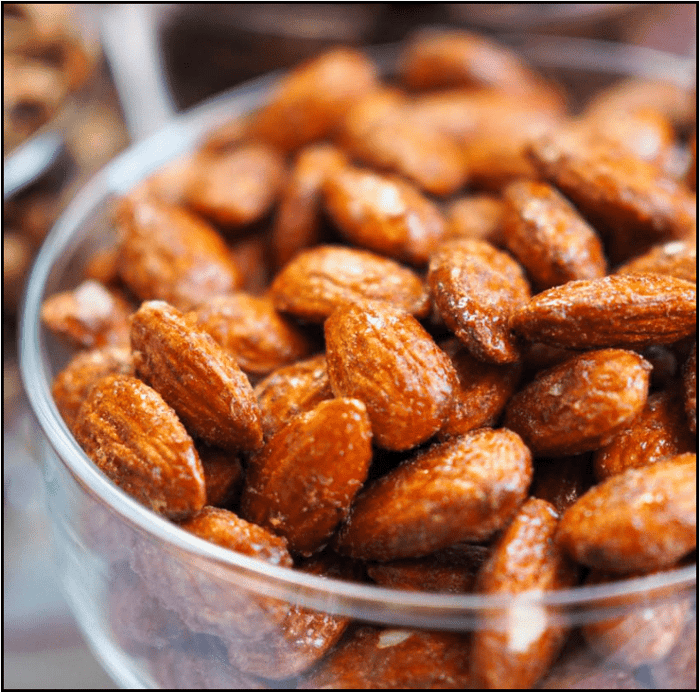
Honey glazed almonds are toasted whole almonds coated in a warm mixture of honey, sugar, vegetable oil, and salt, then cooled until the coating sets. This simple stovetop recipe uses just six ingredients and requires no oven baking after the almonds are toasted.
The method is straightforward: cook the toasted almonds briefly in a honey mixture, add sugar and salt, continue stirring until the nuts are coated and reddish brown, and then cool them on parchment paper.
What Should You Know About This Recipe?
This recipe combines toasted nuts with a cooked honey-and-sugar coating that sets as the almonds cool, creating a simple sweet-and-salty snack.
- The recipe uses six ingredients.
- The almonds are toasted before glazing.
- The coating is prepared entirely in a skillet.
- The almonds cook for approximately 8 minutes after entering the skillet.
- The coated nuts cool on parchment before the clusters are separated.
What Are Honey Glazed Almonds?
Honey glazed almonds are toasted almonds coated with a cooked mixture of honey, sugar, vegetable oil, water, and salt before being cooled until set.
- Whole toasted almonds provide the base of the recipe.
- Honey is incorporated directly into the cooked coating.
- Sugar contributes sweetness and helps form the outer coating.
- Salt provides contrast to the sweet ingredients.
- The recipe is finished on the stovetop.
Most of the work happens in a single skillet. The almonds begin already toasted, so the stovetop portion focuses on building the coating.
Water, honey, and vegetable oil are first brought to a boil. The almonds are stirred into the mixture until the liquid evaporates. Sugar and salt are then added to create the final coating.
Honey Glazed Almonds
Ingredients
- 2 c. Whole Almonds, toasted
- 2 Tbsp. Water
- 2 Tbsp. Honey
- 2 tsp. Vegetable Oil
- 1/2 c. Sugar
- 1/2 tsp. Salt
Instructions
In a 10” nonstick skillet, heat water, honey and oil to boiling over medium heat. Stir in toasted almonds. Cook 3 minutes, stirring constantly, until liquid evaporates. Sprinkle sugar and salt over almonds; cook 5 minutes, stirring constantly, until almonds are coated and reddish brown. Remove from heat. Spread nuts on cooking parchment paper; cool for 10 minutes. Break nut clusters apart; cool completely. Store tightly covered at room temperature.
How Do You Make This Stovetop Almond Recipe?
Cook toasted almonds in a boiling honey mixture, add sugar and salt, then cool the coated nuts on parchment until the glaze sets.
- Prepare the skillet. Use a 10-inch nonstick skillet.
- Heat the glaze. Bring the water, honey, and vegetable oil to a boil over medium heat.
- Add the almonds. Stir the toasted whole almonds into the hot mixture.
- Cook for 3 minutes. Stir constantly until the liquid evaporates.
- Add sugar and salt. Sprinkle both over the almonds.
- Cook for another 5 minutes. Continue stirring until the almonds are coated and reddish brown.
- Remove from the heat. Spread the coated almonds onto cooking parchment paper.
- Cool for 10 minutes. Allow the coating to begin setting.
- Break apart the clusters. Cool completely before storing.
Keep the ingredients measured and ready before beginning. Once the skillet is hot, the recipe moves quickly, and both cooking stages call for constant stirring.
Why Should Almonds Be Toasted Before Glazing?
Starting with toasted almonds develops their roasted flavor before the honey coating is added and keeps the glazing steps focused on coating the nuts.
- This recipe starts with toasted whole almonds.
- Toasting happens before the almonds enter the honey mixture.
- The skillet cooking time is intended for almonds that are already toasted.
- Pre-toasting separates the roasting process from glazing.
Because the recipe begins with toasted almonds, use nuts that have already been toasted instead of expecting the short glazing process to toast raw almonds at the same time.
This keeps the two cooking stages focused on evaporating the honey mixture and developing the final sugar coating.
How Does the Honey Glaze Coat the Almonds?
The coating develops in two stages: the almonds first cook in the honey mixture, then sugar and salt are added after the liquid evaporates.
- Water, honey, and vegetable oil are heated together first.
- The toasted almonds cook in that mixture for approximately 3 minutes.
- The initial liquid evaporates before sugar and salt are added.
- The second cooking stage lasts approximately 5 minutes.
- The final visual cue is a reddish-brown coating.
Rather than adding every ingredient to the skillet at once, this method cooks the almonds in the honey mixture first.
Sugar and salt are added only after the liquid has evaporated. Following that order gives the recipe a clear transition between the first cooking stage and the final coating stage.
How Do You Know When the Almonds Are Done?
The almonds are ready when the liquid has evaporated and the nuts are evenly coated and reddish brown after the second cooking stage.
- The initial honey mixture cooks for about 3 minutes.
- The liquid should evaporate before adding sugar and salt.
- The almonds then cook for about 5 additional minutes.
- A reddish-brown coating is the recipe's visual doneness cue.
Use the appearance of the almonds along with the cooking time. Stovetops and cookware can vary, so the visual cues matter.
During the first stage, watch for the liquid to evaporate. During the second stage, watch for the almonds to become coated and reddish brown.
Why Is Constant Stirring Important?
Constant stirring keeps the almonds moving through the hot glaze and helps distribute the coating as moisture evaporates and the sugar mixture cooks.
- The recipe requires constant stirring during both cooking stages.
- The almonds are stirred during the first 3-minute period.
- Stirring continues during the 5-minute sugar-and-salt stage.
- Keeping the nuts moving helps distribute the coating.
Have all ingredients and the parchment ready before cooking so you can stay at the skillet. Because honey and sugar are being heated, the coating can change quickly as moisture leaves the pan.
How Should the Glazed Almonds Be Cooled?
Spread the freshly coated almonds on cooking parchment, cool for 10 minutes, separate the clusters, and let the nuts cool completely.
- Remove the almonds from the heat when cooking is complete.
- Spread them onto cooking parchment paper.
- Allow 10 minutes of initial cooling.
- Break apart the clusters.
- Let the nuts cool completely before storage.
Preparing the parchment before cooking makes the final step easier. Once the almonds reach the reddish-brown stage, spread them out promptly and allow the coating time to set.
How Should the Finished Almonds Be Stored?
Allow the finished almonds to cool completely before placing them in a tightly covered container for room-temperature storage.
- Cool the almonds completely before covering them.
- Store them in a tightly covered container at room temperature.
- No specific shelf life is claimed for this recipe.
Storage conditions can affect the quality of almonds over time. University of California guidance notes that temperature and moisture are important considerations when storing nuts.
That guidance applies to nuts generally and is not a tested shelf-life recommendation for this specific recipe.
What Helps Make This Recipe Successfully?
Measure everything before cooking, stir continuously, watch the visual cues, and give the almonds enough time to cool completely.
| Stage | What to Do | What to Watch For |
|---|---|---|
| Prepare | Measure ingredients and prepare parchment. | Everything ready before heating. |
| Heat | Bring water, honey, and oil to a boil. | Use medium heat. |
| First Cook | Add almonds and stir for 3 minutes. | Liquid evaporates. |
| Second Cook | Add sugar and salt and stir for 5 minutes. | Coated and reddish brown. |
| Cool | Spread on parchment for 10 minutes. | Coating begins to set. |
| Finish | Break clusters apart and cool completely. | Cool before storage. |
Because the almonds cook for only a few minutes at each stage, preparation helps. Measure the sugar and salt ahead of time, prepare the parchment, and remain at the skillet so you can stir continuously.
Recipe Note: This page does not assign an exact finished yield or shelf life because those values were not included in the original recipe.
Frequently Asked Questions
Can you make this recipe on the stovetop?
Yes. The honey coating and almonds are cooked entirely in a nonstick skillet over medium heat.
Do the almonds need to be toasted first?
Yes. This recipe begins with toasted whole almonds, so the almonds should be toasted before they are added to the honey mixture.
How much honey is used in this recipe?
This recipe uses 2 tablespoons of honey for 2 cups of toasted whole almonds.
Why do the almonds need constant stirring?
Constant stirring keeps the nuts moving through the hot glaze and helps the coating develop evenly as the liquid evaporates.
When should sugar and salt be added?
Add the sugar and salt after the almonds cook for about 3 minutes and the initial liquid has evaporated.
How long do the almonds cook?
They cook for approximately 8 minutes total: 3 minutes in the honey mixture followed by 5 minutes after the sugar and salt are added.
How do you know when they are done?
The almonds are ready to remove from the heat when the liquid has evaporated and the nuts are coated and reddish brown.
Why are the coated almonds cooled on parchment paper?
Parchment provides a surface for spreading and cooling the freshly coated nuts before the clusters are broken apart.
How should the finished almonds be stored?
Allow them to cool completely before placing them in a tightly covered container for room-temperature storage.
Can you double the recipe?
A larger batch may require more skillet space and different cooking times, so prepare separate batches unless the larger quantity has been tested.
What Sources Support This Recipe Guide?
The recipe itself is the Lappe's Bee Supply recipe reproduced above. The following institutional references provide additional background on almonds, nut handling and storage, and honey standards.
- Nuts: Safe Methods for Consumers to Handle, Store, and Enjoy — University of California, Davis Postharvest Research and Extension Center.
- Food-Specific Resources on Home Food Preservation — University of California Food Safety.
- Extracted Honey Grades and Standards — U.S. Department of Agriculture, Agricultural Marketing Service.
- FoodData Central — U.S. Department of Agriculture.
```
FAQs
Can you make this recipe on the stovetop?
Yes. The honey coating and almonds are cooked entirely in a nonstick skillet over medium heat.
Do the almonds need to be toasted first?
Yes. This recipe begins with toasted whole almonds, so the almonds should be toasted before they are added to the honey mixture.
How much honey is used in this recipe?
This recipe uses 2 tablespoons of honey for 2 cups of toasted whole almonds.
Why do the almonds need constant stirring?
Constant stirring keeps the nuts moving through the hot glaze and helps the coating develop evenly as the liquid evaporates.
When should sugar and salt be added?
Add the sugar and salt after the almonds cook for about 3 minutes and the initial liquid has evaporated.
How long do the almonds cook?
They cook for approximately 8 minutes total: 3 minutes in the honey mixture followed by 5 minutes after the sugar and salt are added.
How do you know when they are done?
The almonds are ready to remove from the heat when the liquid has evaporated and the nuts are coated and reddish brown.
Why are the coated almonds cooled on parchment paper?
Parchment provides a surface for spreading and cooling the freshly coated nuts before the clusters are broken apart.
How should the finished almonds be stored?
Allow them to cool completely before placing them in a tightly covered container for room-temperature storage.
Can you double the recipe?
A larger batch may require more skillet space and different cooking times, so prepare separate batches unless the larger quantity has been tested.