Welcome to Lappe's Bee Supply's blogs section. We are a trusted beekeeping company in the USA. We give relevant insights, seasonal guidance, and professional advice for beekeepers of all experience levels. From hive management and bee wellness to honey production and equipment guides, we have it all that you will require to thrive. Get updated, motivated, and connected with the beekeeping community through regular news from Lappe's Bee Supply.
Honey Lip Balm
The Buzz About This Post
- Key Takeaways
- Table of Contents
- Honey Lip Balm
- What Is This Homemade Balm Made From?
- Ingredients
- What Does Each Ingredient Do?
- Instructions
- How Do You Make This Beeswax-Based Balm?
- What Helps Homemade Lip Balm Turn Out Well?
- Can You Use Essential Oils in This Recipe?
- How Should the Finished Balm Be Stored?
- Frequently Asked Questions
- What is honey lip balm made from?
- What does beeswax do in homemade lip balm?
- Why is coconut oil used in this lip balm recipe?
- How much honey is used in this lip balm recipe?
- Can you add essential oil to homemade lip balm?
- When should honey be added to homemade lip balm?
- Why should homemade lip balm be poured immediately?
- How many containers does this recipe make?
- How long does homemade lip balm last?
- Sources and Further Reading
- FAQs
Honey Lip Balm Recipe with Beeswax and Coconut Oil
Author: Lappe's Bee Supply
Published: September 15, 2026
This homemade lip balm guide is written for practical home use and reviewed for ingredient clarity, preparation accuracy, and responsible cosmetic wording.
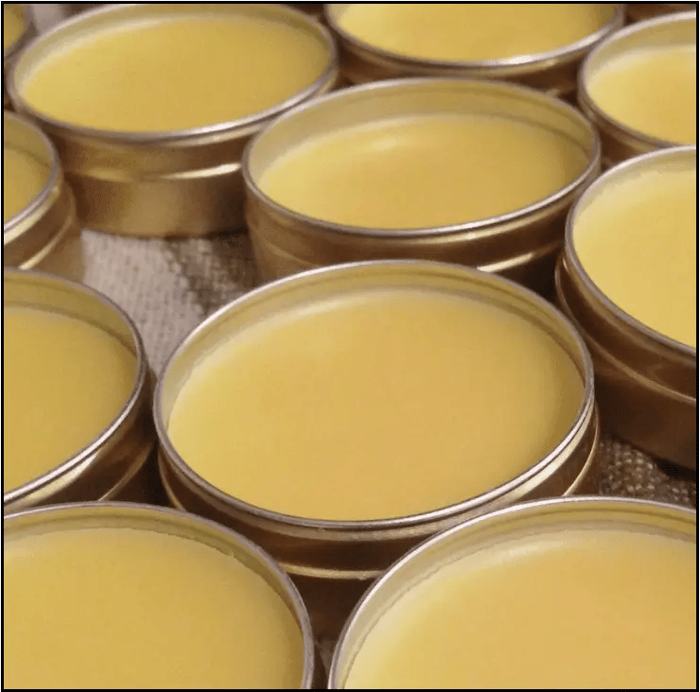
Honey lip balm is a homemade balm made with natural beeswax, coconut oil, honey, vitamin E oil, and optional essential oil. The recipe uses a simple hot-water bath to melt the beeswax and coconut oil before the remaining ingredients are mixed in.
Beeswax provides much of the structure in the balm, while coconut oil creates a softer, more spreadable mixture. Honey adds a bee-derived cosmetic ingredient, and vitamin E oil is included in a very small amount. Once everything is combined, the balm is poured into small containers and allowed to cool until firm.
Key Takeaways
- The recipe combines natural beeswax, coconut oil, honey, vitamin E oil, and optional essential oil.
- Beeswax gives the finished balm structure and helps it firm as it cools.
- Coconut oil provides the main oil portion of the formula.
- Honey is added after the beeswax and coconut oil are melted.
- Pour the balm promptly because the mixture begins to firm as it cools.
- The original recipe is intended to fill approximately 12 small containers.
Honey Lip Balm
This simple beeswax-based balm is made by melting beeswax with coconut oil, then stirring in honey, vitamin E oil, and optional scent. As the mixture cools, the beeswax helps create the familiar firm texture of a lip balm.
Homemade lip balm is an easy way to work with natural beeswax. Beeswax is commonly used as a stiffening material in cosmetic preparations, which is one reason it works well in balms and similar products.
This recipe also requires very little special equipment. A medium saucepan, heatproof glass bowl, stirring utensil, prepared containers, and a small funnel are enough to complete the basic process.
What Is This Homemade Balm Made From?
This homemade balm combines beeswax for structure, coconut oil for the main oil portion, and a small quantity of honey blended into the melted mixture.
- Beeswax is the primary wax in this recipe.
- Coconut oil is used at half the measured volume of the beeswax.
- The recipe includes 1 teaspoon of honey.
- Vitamin E oil is included in a very small quantity.
- Essential oil is optional and primarily changes the scent.
Scientific literature has also described honey as a humectant and emollient ingredient in cosmetic formulations. That information relates to honey as a cosmetic ingredient generally and should not be interpreted as proving a medical or therapeutic effect for this homemade recipe.
Ingredients
This recipe uses five ingredients plus approximately 12 small containers with lids. Measure everything before you begin heating the beeswax so the remaining ingredients are ready when needed.
- 1/2 c. Natural Beeswax, grated
- 1/4 c. Coconut Oil
- 10-12 drops Essential Oil (lemon, vanilla, etc.)
- 1 tsp. Honey
- 2 drops Vitamin E Oil
- 12 small containers with lids
| Ingredient | Amount | Purpose |
|---|---|---|
| Natural beeswax | 1/2 cup | Provides structure and firmness |
| Coconut oil | 1/4 cup | Provides the primary oil portion |
| Essential oil | 10-12 drops | Optional scent |
| Honey | 1 teaspoon | Adds honey to the formula |
| Vitamin E oil | 2 drops | Adds a commonly used cosmetic antioxidant ingredient |
| Small containers with lids | 12 | Holds the finished balm |
Estimated yield: The original recipe calls for 12 small containers. The exact number may vary depending on the capacity of the containers used.
What Does Each Ingredient Do?
Each ingredient contributes something different: beeswax provides structure, coconut oil softens the mixture, honey adds a bee-derived cosmetic ingredient, and vitamin E and optional essential oil complete the formula.
Natural Beeswax
Beeswax is the main structural ingredient. It acts as a stiffening material in many balm and cosmetic preparations. In this recipe, the relatively high proportion of beeswax helps the mixture become firm rather than remaining liquid after cooling.
Coconut Oil
Coconut oil provides the main oil portion of the recipe. When melted with beeswax, it creates a softer and more spreadable mixture than beeswax would produce by itself.
Honey
Honey is used in a much smaller quantity than the beeswax or coconut oil. Scientific literature on cosmetic formulations describes honey as having humectant and emollient properties.
Vitamin E Oil
Vitamin E ingredients such as tocopherol have a long history of cosmetic use and may serve antioxidant and skin-conditioning functions in cosmetic formulations. This recipe calls for only two drops.
Essential Oil
Essential oil is optional and is included primarily for scent. Essential oils are concentrated and vary significantly, so not every oil is appropriate for use in a leave-on lip product.
Instructions
Melt the grated beeswax and coconut oil gently using a hot-water bath, remove the mixture from the heat, stir in the remaining ingredients, and immediately pour the liquid balm into prepared containers.
Place grated beeswax and coconut oil in heatproof glass bowl. In medium saucepan, heat 1-1/2 c. water to boiling. Carefully place glass dish in boiling water; stir as wax begins to melt. When melted, remove bowl from saucepan. Stir in essential oil of your preference, honey and Vitamin E oil. Immediately pour into small containers, using small funnel. Cover; cool completely.
How Do You Make This Beeswax-Based Balm?
Prepare the ingredients and containers first, melt only the beeswax and coconut oil, and add the honey, vitamin E oil, and optional scent after removing the bowl from the heat.
- Prepare the containers.
Set approximately 12 clean, dry containers on a stable work surface before beginning. - Combine the beeswax and coconut oil.
Place 1/2 cup grated natural beeswax and 1/4 cup coconut oil in a heatproof glass bowl. - Heat the water.
Add 1-1/2 cups water to a medium saucepan and bring it to a boil. - Melt the mixture.
Carefully position the heatproof bowl in the hot-water setup and stir as the beeswax melts into the coconut oil. - Remove the bowl from the heat.
Once the beeswax is completely melted, carefully remove the bowl from the saucepan. - Add the remaining ingredients.
Stir in 10-12 drops of suitable essential oil if desired, 1 teaspoon honey, and 2 drops vitamin E oil. - Pour immediately.
Transfer the liquid mixture into the prepared containers. Use a small funnel if needed. - Cover and cool completely.
Cover the filled containers and leave them undisturbed until the balm has cooled and become firm.
What Helps Homemade Lip Balm Turn Out Well?
Good preparation matters more than complicated equipment. Grate the beeswax, keep water out of the balm mixture, prepare the containers ahead of time, and pour while the balm is still liquid.
- Grate the beeswax. Smaller pieces melt more easily than a large block.
- Keep tools dry. The recipe does not call for adding water directly to the balm.
- Use heat carefully. Hot water, heated glass, and melted wax can cause burns.
- Prepare containers first. Do not wait until the balm is cooling to find containers.
- Pour promptly. Beeswax begins firming as its temperature drops.
- Let the balm cool. Allow the filled containers to cool completely before regular handling.
Texture may vary slightly between batches. Beeswax is a natural material, coconut oil changes consistency with temperature, and room temperature can influence how firm the finished balm feels.
Can You Use Essential Oils in This Recipe?
Essential oil can be included for scent, but the specific oil and concentration should be appropriate for use in a leave-on lip product.
The original recipe calls for 10-12 drops and gives lemon or vanilla as examples of possible scents.
Check the supplier's guidance for the exact aromatic ingredient you plan to use. If you are uncertain whether an aromatic ingredient is suitable for a leave-on lip product, leave it out or confirm the recommended use with the ingredient supplier.
How Should the Finished Balm Be Stored?
Keep each container covered as the balm cools completely, then store it away from excessive heat, moisture, and contamination.
Coconut oil and beeswax both respond to temperature, so the consistency of the finished balm can change in unusually warm or cold conditions. Keeping the containers in a reasonably stable indoor environment helps maintain a more consistent texture.
A specific expiration date should not be assigned to this homemade formula without supporting stability and safety testing. Homemade cosmetic recipes may vary by ingredients, handling, containers, and storage conditions.
Cosmetics made for retail sale involve additional responsibilities, including ingredient declarations, labeling, product safety, net quantity statements, and appropriate cosmetic claims. Review current FDA cosmetic requirements before producing lip balm commercially.
Frequently Asked Questions
What is honey lip balm made from?
This homemade balm is made with natural beeswax, coconut oil, honey, vitamin E oil, and optional essential oil.
What does beeswax do in homemade lip balm?
Beeswax gives homemade lip balm structure and helps the melted mixture become firm as it cools.
Why is coconut oil used in this lip balm recipe?
Coconut oil provides the primary oil portion of this recipe and helps create a softer, spreadable balm when combined with beeswax.
How much honey is used in this lip balm recipe?
The recipe uses 1 teaspoon of honey with 1/2 cup grated beeswax and 1/4 cup coconut oil.
Can you add essential oil to homemade lip balm?
Essential oil may be added for scent, but the specific oil and concentration should be appropriate for use in a leave-on lip product.
When should honey be added to homemade lip balm?
Add the honey after the beeswax and coconut oil have completely melted and the bowl has been removed from the heat.
Why should homemade lip balm be poured immediately?
The beeswax mixture begins to firm as it cools, so pouring promptly makes it easier to fill small lip balm containers.
How many containers does this recipe make?
The original recipe is intended to fill about 12 small containers, although the actual number depends on the capacity of each container.
How long does homemade lip balm last?
A specific shelf life cannot be established for this homemade formula without appropriate stability, storage, and product safety testing.
Sources and Further Reading
These references provide additional information about honey, beeswax, vitamin E ingredients, fragrances, cosmetic safety, and U.S. labeling requirements.
- Honey in Dermatology and Skin Care: A Review — Journal of Cosmetic Dermatology / PubMed. Read the PubMed reference.
- Beeswax — PubChem Compound Summary — National Center for Biotechnology Information. Read the PubChem reference.
- Safety Assessment of Tocopherols and Tocotrienols as Used in Cosmetics — Cosmetic Ingredient Review. Read the assessment.
- Cosmetic Ingredients — U.S. Food and Drug Administration. Read FDA guidance.
- Fragrances in Cosmetics — U.S. Food and Drug Administration. Read FDA fragrance guidance.
- Cosmetic Ingredient Names — U.S. Food and Drug Administration. Read FDA labeling information.
- Summary of Cosmetics Labeling Requirements — U.S. Food and Drug Administration. Review FDA labeling requirements.
FAQs
What is honey lip balm made from?
This homemade honey lip balm is made with natural beeswax, coconut oil, honey, vitamin E oil, and optional essential oil.
What does beeswax do in homemade lip balm?
Beeswax gives homemade lip balm structure and helps the melted mixture become firm as it cools.
Why is coconut oil used in this lip balm recipe?
Coconut oil provides the primary oil portion of this recipe and helps create a softer, spreadable balm when combined with beeswax.
How much honey is used in this lip balm recipe?
The recipe uses 1 teaspoon of honey with 1/2 cup grated beeswax and 1/4 cup coconut oil.
Can you add essential oil to homemade lip balm?
Essential oil may be added for scent, but the specific oil and concentration should be appropriate for use in a leave-on lip product.
When should honey be added to homemade lip balm?
Add the honey after the beeswax and coconut oil have completely melted and the bowl has been removed from the heat.
Why should homemade lip balm be poured immediately?
The beeswax mixture begins to firm as it cools, so pouring promptly makes it easier to fill small lip balm containers.
How many containers does this honey lip balm recipe make?
The original recipe is intended to fill about 12 small containers, although the actual number depends on the capacity of each container.
How long does homemade honey lip balm last?
A specific shelf life cannot be established for this homemade formula without appropriate stability, storage, and product safety testing.