Welcome to Lappe's Bee Supply's blogs section. We are a trusted beekeeping company in the USA. We give relevant insights, seasonal guidance, and professional advice for beekeepers of all experience levels. From hive management and bee wellness to honey production and equipment guides, we have it all that you will require to thrive. Get updated, motivated, and connected with the beekeeping community through regular news from Lappe's Bee Supply.
Crafting a Honey Bee Waterer: An In-Depth Guide to Creating a Safe Water Source for Our Pollinators
The Buzz About This Post
- Key Takeaways
- Table of Contents
- Crafting an Oasis for Bees: An In-Depth Guide to Creating a Safe Water Source for Our Pollinators
- The Importance of Water for Bees
- Selecting the Perfect Container
- Creating Safe Landing Spots
- Fulfilling the Water Needs
- Maintaining the Water Source
- Strategic Placement of Your Honey Bee Waterer
- Final Thoughts: Championing the Cause for Bees
- Frequently Asked Questions
- Do honey bees need water near their hive?
- What is the best container for a honey bee waterer?
- Should you put rocks in a bee waterer?
- Can honey bees drown in a waterer?
- How often should a bee waterer be refilled?
- How often should a bee waterer be cleaned?
- Should you add sugar or honey to a bee waterer?
- Why are bees ignoring a new waterer?
- Should a honey bee waterer be in the sun or shade?
- Can a honey bee waterer attract mosquitoes?
- Sources and Further Reading
- FAQs
Crafting a Honey Bee Waterer: An In-Depth Guide to Creating a Safe Water Source for Our Pollinators
A well-designed honey bee waterer gives bees dependable access to water while providing secure places to land and drink. With a shallow container, exposed landing surfaces, regular maintenance, and thoughtful placement, beekeepers and gardeners can create a practical water source without making the setup complicated.
Author: Lappe's Bee Supply Team
Published: August 27, 2025
Last Updated: August 25, 2026
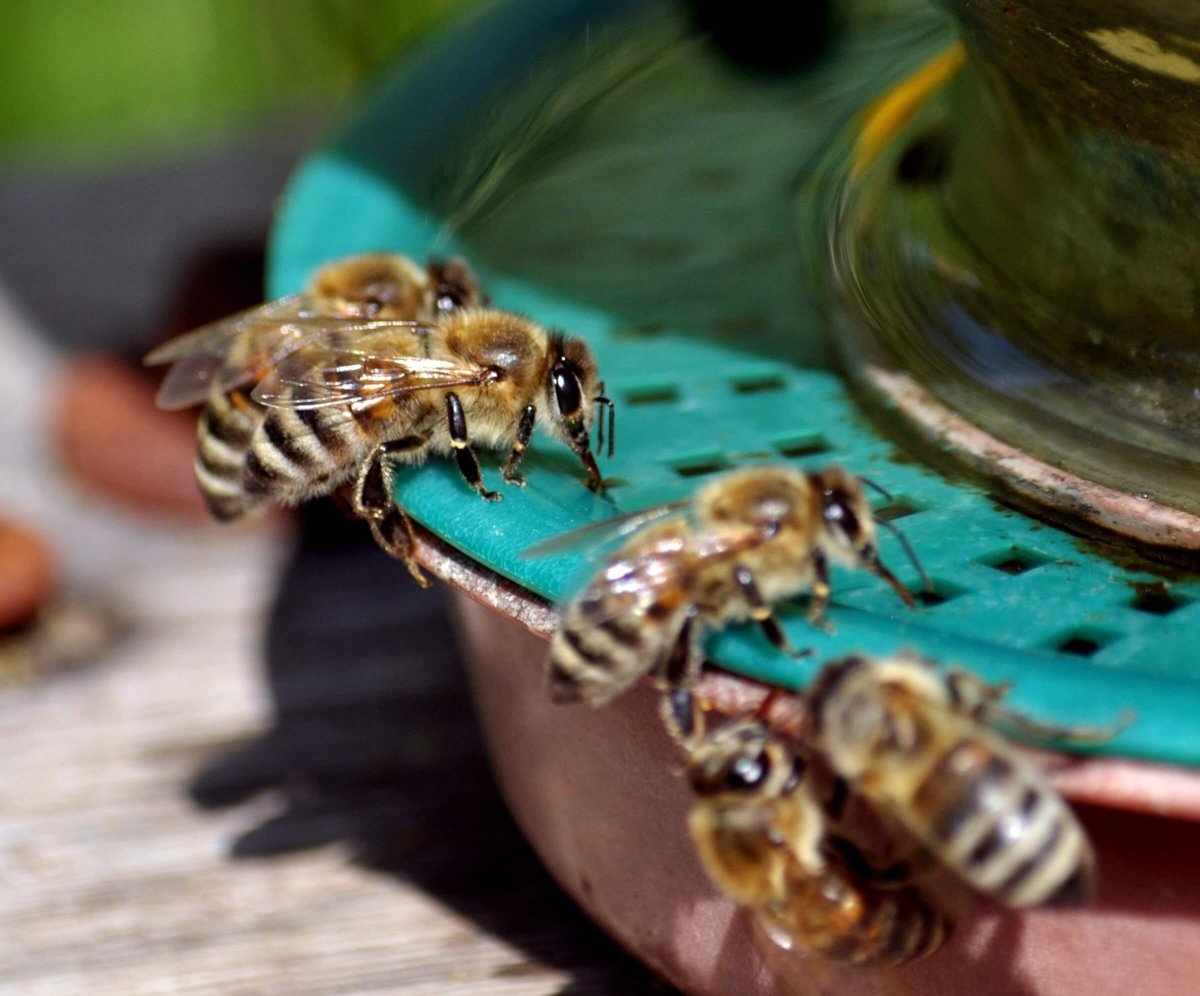
Key Takeaways
- Honey bee colonies use water for adult physiological needs, brood-food preparation, dilution of stored honey, and evaporative cooling.
- A honey bee waterer should provide both accessible water and stable surfaces where bees can stand while drinking.
- Pebbles, stones, pieces of bark, cork, or other textured materials can create practical landing areas when part of the material remains above the waterline.
- The best waterer is one that can be checked, refilled, emptied, and cleaned easily.
- Hot and dry conditions can increase evaporation, so small waterers may need frequent inspection.
- Water-holding containers should be emptied and scrubbed regularly so they do not become neglected standing water where mosquitoes can develop.
Crafting an Oasis for Bees: An In-Depth Guide to Creating a Safe Water Source for Our Pollinators
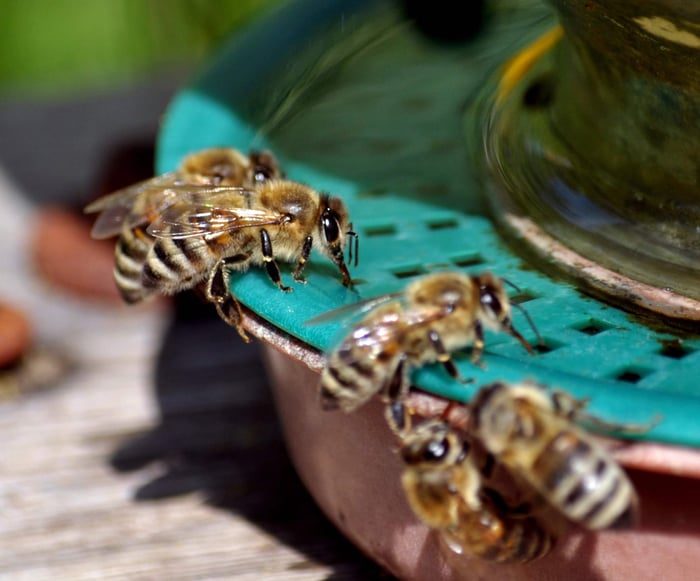
A honey bee waterer is a managed water source that combines accessible water with stable landing areas where bees can stand while drinking.
Bees are indispensable pollinators in agricultural and natural ecosystems, and supporting them involves more than planting flowers. Honey bee colonies also need access to water. For managed colonies, providing a dependable water source can give foragers a nearby option rather than leaving them to locate puddles, livestock water, swimming pools, birdbaths, or other sources on their own.
A bee waterer does not need to be elaborate. A shallow container with stones, pebbles, cork, bark, or another stable landing material may be enough. What matters most is that bees can approach the water, stand securely, drink, and leave without having to land directly on open water.
It is also important to distinguish a honey bee waterer from a feeder. A waterer supplies water. Adding sugar syrup, honey, or other sweeteners turns the station into a feeding source and introduces different considerations, including robbing behavior and attracting additional insects.
The Importance of Water for Bees
Honey bees use water for several colony functions, including adult physiological needs, brood-food preparation, dilution of stored honey, and cooling the hive.
Water is much more than a drink for an individual forager. Research on honey bee water collection describes water as an essential colony resource. Water is used in preparing liquid brood food and in diluting stored honey when colonies need it.
Water also plays an important role during hot weather. Foragers can bring water into the hive, where worker bees distribute droplets and increase air movement. As the water evaporates, heat is removed. This process contributes to the colony's ability to regulate conditions around the brood nest.
Unlike nectar, water is not normally stored in comb as a long-term reserve. Collection changes according to current colony demand. That is one reason a beekeeper may see relatively little activity at a water source one day and much heavier activity when weather or colony conditions change.
Honey bees will search for water when their colony needs it. Providing an accessible source near managed colonies gives foragers another option and gives the beekeeper greater control over where that water is located and how it is maintained.
Selecting the Perfect Container
The best bee-waterer container is stable, easy to refill and clean, and designed so bees can reach water from secure landing surfaces.
The first step in creating a bee-friendly water source is choosing an appropriate container. A shallow vessel is often convenient because it is easy to inspect and makes it simple to keep landing material exposed above the waterline. However, the container does not have to be extremely shallow if its drinking area is properly protected and accessible.
Several common household or garden items can work:
- Plant Saucer: A plastic, clay, or ceramic plant saucer provides a broad, shallow area and is easy to fill with stones or pebbles.
- Shallow Bowl: A sturdy ceramic, plastic, or metal bowl can work well when landing material fills enough of the open surface to give bees safe access to the water.
- Large Dish or Tray: A shallow dish or garden tray can create multiple drinking areas and may accommodate many bees at the same time.
- Poultry-Style Waterer: Research evaluating honey bee watering systems has documented bees using poultry-style waterers, making this another option when the drinking edge remains accessible.
| Container Type | Advantages | What to Watch |
|---|---|---|
| Plant saucer | Shallow, inexpensive, easy to inspect | May dry quickly during hot weather |
| Shallow bowl | Easy to find and clean | Needs adequate landing material |
| Wide tray or dish | Provides numerous drinking points | Must remain level and stable |
| Poultry-style waterer | Can maintain a larger water supply | Drinking edge must remain safely accessible |
Whatever container you choose, make sure it is stable enough that wind, wildlife, pets, or routine activity will not easily tip it over. It should also be easy to empty and scrub when cleaning is needed.
Creating Safe Landing Spots
Safe landing spots give honey bees stable footing at the waterline so they can drink without relying on the surface of open water for support.
After choosing the container, add landing areas before filling it. Pebbles, flat stones, coarse gravel, untreated pieces of bark, cork, or other stable materials can provide drinking platforms when parts of those materials remain above the surface.
- Fill with Natural Materials: Arrange pebbles, rocks, or pieces of bark throughout the container. Keep enough material exposed so bees can land without entering deep open water.
- Avoid Unstable or Overly Slick Surfaces: Choose materials that remain in place when bees land. Rough or textured surfaces generally provide easier footing than relying on a broad, smooth surface surrounded by open water.
The goal is not simply to fill the container with rocks. The useful feature is the boundary between the exposed landing material and accessible water. Bees should be able to stand on a dry or partially dry surface and reach the water with their mouthparts.
Recheck the landing surfaces every time you refill the waterer. Adding too much water can completely cover materials that were previously safe drinking platforms.
Fulfilling the Water Needs
Keep enough water available for bees to reach it easily, but do not fill the container so deeply that all of the landing surfaces disappear underwater.
Once the container and landing materials are in place, add water slowly. Watch the waterline as it rises and stop while stones, bark, cork, or other landing points remain exposed.
- Gentle Filling: Pour water into the container without completely covering the landing material. Bees should be able to approach the water from a secure surface.
- Monitor Water Levels: Check the waterer frequently during hot, windy, or dry periods. Smaller containers can lose a substantial portion of their usable water through evaporation.
Consistency matters. Honey bees can learn and repeatedly visit productive water locations. Once bees have begun using a well-placed source, keeping water available in the same general location can make the station more dependable.
- Choose a stable, washable container.
- Add stones, pebbles, bark, cork, or another stable landing material.
- Arrange the material so several surfaces remain exposed.
- Add water slowly.
- Stop before the landing material becomes fully submerged.
- Place the station in a stable, accessible location.
- Check, refill, empty, and clean the waterer regularly.
Maintaining the Water Source
A honey bee waterer should be checked frequently, refilled when needed, and emptied and scrubbed regularly so it remains a maintained water source rather than neglected standing water.
Maintenance is just as important as the initial setup. A waterer that dries out repeatedly is unreliable, while a container that is continually topped off without being emptied can accumulate debris, algae, sediment, or mosquito eggs.
- Frequent Refilling: Inspect the water level regularly, particularly during hot summer weather. Refill before bees can no longer reach the water from the landing surfaces.
- Regular Cleaning Schedule: Periodically empty and scrub the container, remove leaves and other debris, rinse it thoroughly, reposition the landing material, and refill it.
- Replace Water Periodically: Do not treat repeated topping-off as a substitute for cleaning. Emptying the container gives you an opportunity to clean its surfaces and inspect the entire waterer.
Mosquito prevention deserves particular attention. The Centers for Disease Control and Prevention recommends emptying and scrubbing water-holding items at least once a week because mosquito eggs can be attached to the sides of containers. A bee waterer may need attention even more often if it becomes dirty or develops visible organic buildup.
If soap is used during cleaning, rinse the waterer thoroughly before returning it to service. The finished water supply should not contain obvious cleaning-product residue.
Strategic Placement of Your Honey Bee Waterer
Place a honey bee waterer where bees can find it, people and pets are unlikely to disturb it, and you can conveniently inspect and maintain it.
Placement can influence whether a water station is practical for both the bees and the person maintaining it. Honey bee research indicates that water foraging has an energetic cost, and collecting water over greater distances increases that cost. A conveniently located water source can therefore provide managed colonies with a nearby option when they need water.
- Near Flowering Plants or Bee Activity: A location near the garden or apiary can make the waterer easy for local bees to encounter. For managed hives, keep the waterer close enough to be practical without putting it directly in a busy work path.
- Shaded Locations: Partial or dappled shade can reduce direct heating and may slow evaporation during the hottest part of the day. Full shade is not an absolute requirement; accessibility and reliable maintenance are more important.
- Easily Accessible and Safe: Avoid locations where children, pets, lawn equipment, or regular foot traffic will frequently disrupt bees using the water.
For backyard beekeepers, providing a dependable source on your own property may also help reduce the likelihood that foragers establish strong water-collecting habits at less convenient locations such as a neighbor's swimming pool, pet dish, or other standing-water source.
If possible, establish the waterer before periods of strong demand. Bees may continue returning to water sources they have already learned, so an early and reliable source can be easier to manage than trying to redirect established foragers later.
Final Thoughts: Championing the Cause for Bees
A useful bee waterer is simple: provide accessible water, dependable landing surfaces, a safe location, and enough routine maintenance to keep the station usable.
Providing water does not replace good forage, appropriate nutrition, disease management, Varroa monitoring, queen management, or other fundamental parts of beekeeping. It addresses one specific resource that honey bee colonies routinely need.
For gardeners and beekeepers alike, the project can be straightforward. Choose a suitable container, add stable landing materials, leave those surfaces partly exposed, add water, and place the station where it can remain undisturbed. Then make checking the waterer part of your regular outdoor routine.
Research has also examined dedicated honey bee waterers as a possible way to give colonies alternatives to contaminated water in agricultural environments. That does not mean a backyard waterer can prevent every exposure, but it reinforces the value of maintaining a known and controllable water source.
The most useful water station is not necessarily the largest, most expensive, or most decorative one. It is the one that bees can use safely and that you can reliably maintain throughout the season.
Frequently Asked Questions
Do honey bees need water near their hive?
Honey bee colonies need water, and a dependable nearby source can give foragers an alternative to traveling farther in search of water. Water demand varies according to colony and environmental conditions.
What is the best container for a honey bee waterer?
A stable, washable container with accessible landing surfaces works well. Shallow plant saucers, bowls, trays, and appropriately designed poultry-style waterers are practical options.
Should you put rocks in a bee waterer?
Rocks and pebbles can provide useful landing areas when part of each surface remains above the waterline. Bark, cork, and other stable materials may also be used.
Can honey bees drown in a waterer?
Bees can become trapped in open water if they cannot find secure footing. Providing exposed landing surfaces lets bees stand at the waterline while they drink.
How often should a bee waterer be refilled?
Refill whenever the water becomes too low for bees to reach it easily. Small containers may need frequent attention during hot, dry, or windy weather.
How often should a bee waterer be cleaned?
Inspect it regularly and empty and scrub the container at least weekly as part of mosquito prevention. Clean it sooner whenever debris, algae, or other buildup becomes noticeable.
Should you add sugar or honey to a bee waterer?
A waterer intended to provide water does not need sugar or honey. Adding sweeteners turns the station into a feeding source and introduces different management concerns.
Why are bees ignoring a new waterer?
Bees may already be using another dependable water source, or the colony may not have strong water demand at that time. Keep the water accessible and the location consistent while bees have an opportunity to discover it.
Should a honey bee waterer be in the sun or shade?
Either can work, but partial shade can help limit direct heating and evaporation during hot weather. A stable location that is easy to inspect and maintain is more important than requiring complete shade.
Can a honey bee waterer attract mosquitoes?
Any neglected container holding standing water can provide mosquito habitat. Regular emptying, scrubbing, and refilling helps reduce that risk.
Sources and Further Reading
The biological and management information in this guide was reviewed against peer-reviewed honey bee research and public-health guidance.
- Kovac, H., Käfer, H., & Stabentheiner, A. The Energetics and Thermoregulation of Water Collecting Honeybees . Journal of Comparative Physiology A.
- Kovac, H., Stabentheiner, A., & Brodschneider, R. Thermoregulation of Water Foraging Honeybees—Balancing of Endothermic Activity with Radiative Heat Gain and Functional Requirements . Journal of Insect Physiology.
- McCune, F., Samson-Robert, O., Rondeau, S., Chagnon, M., & Fournier, V. Supplying Honey Bees with Waterers: A Precautionary Measure to Reduce Exposure to Pesticides . Environmental Science and Pollution Research.
- Bonoan, R. E., Tai, T. M., Rodriguez, M. T., Feller, L., Daddario, S. R., Czaja, R. A., O'Connor, L. D., Burruss, G., Starks, P. T., & Nieh, J. C. Salt Preferences of Honey Bee Water Foragers . Journal of Experimental Biology.
- Centers for Disease Control and Prevention. Mosquito Control & Bite Prevention . Guidance includes weekly emptying and scrubbing of containers that hold standing water.
FAQs
Do honey bees need water near their hive?
Honey bee colonies need water, and a dependable nearby source can give foragers an alternative to traveling farther in search of water. Water demand varies according to colony and environmental conditions.
What is the best container for a honey bee waterer?
A stable, washable container with accessible landing surfaces works well. Shallow plant saucers, bowls, trays, and appropriately designed poultry-style waterers are practical options.
Should you put rocks in a bee waterer?
Rocks and pebbles can provide useful landing areas when part of each surface remains above the waterline. Bark, cork, and other stable materials may also be used.
Can honey bees drown in a waterer?
Bees can become trapped in open water if they cannot find secure footing. Providing exposed landing surfaces lets bees stand at the waterline while they drink.
How often should a bee waterer be refilled?
Refill whenever the water becomes too low for bees to reach it easily. Small containers may need frequent attention during hot, dry, or windy weather.
How often should a bee waterer be cleaned?
Inspect it regularly and empty and scrub the container at least weekly as part of mosquito prevention. Clean it sooner whenever debris, algae, or other buildup becomes noticeable.
Should you add sugar or honey to a bee waterer?
A waterer intended to provide water does not need sugar or honey. Adding sweeteners turns the station into a feeding source and introduces different management concerns.
Why are bees ignoring a new waterer?
Bees may already be using another dependable water source, or the colony may not have strong water demand at that time. Keep the water accessible and the location consistent while bees have an opportunity to discover it.
Should a honey bee waterer be in the sun or shade?
Either can work, but partial shade can help limit direct heating and evaporation during hot weather. A stable location that is easy to inspect and maintain is more important than requiring complete shade.
Can a honey bee waterer attract mosquitoes?
Any neglected container holding standing water can provide mosquito habitat. Regular emptying, scrubbing, and refilling helps reduce that risk.