Welcome to Lappe's Bee Supply's blogs section. We are a trusted beekeeping company in the USA. We give relevant insights, seasonal guidance, and professional advice for beekeepers of all experience levels. From hive management and bee wellness to honey production and equipment guides, we have it all that you will require to thrive. Get updated, motivated, and connected with the beekeeping community through regular news from Lappe's Bee Supply.
Bee Hive Management
The Buzz About This Post
- Key Takeaways
- Important Beekeeping Terms
- Table of Contents
- What Is Bee Hive Management?
- What Should New Beekeepers Understand First?
- What Equipment Does A Managed Hive Need?
- How Often Should You Inspect A Bee Hive?
- What Should You Look For During An Inspection?
- How Does Seasonal Hive Management Change?
- How Do You Manage Pests And Diseases?
- How Should You Harvest Honey?
- Why Do Records And Local Education Matter?
- How Can Beginners Build Confidence With Bee Hive Management?
- Frequently Asked Questions
- Sources and Further Reading
- Editorial Standards
- FAQs
Bee Hive Management: A Beginner-Friendly Guide To Healthy Honey Bee Colonies
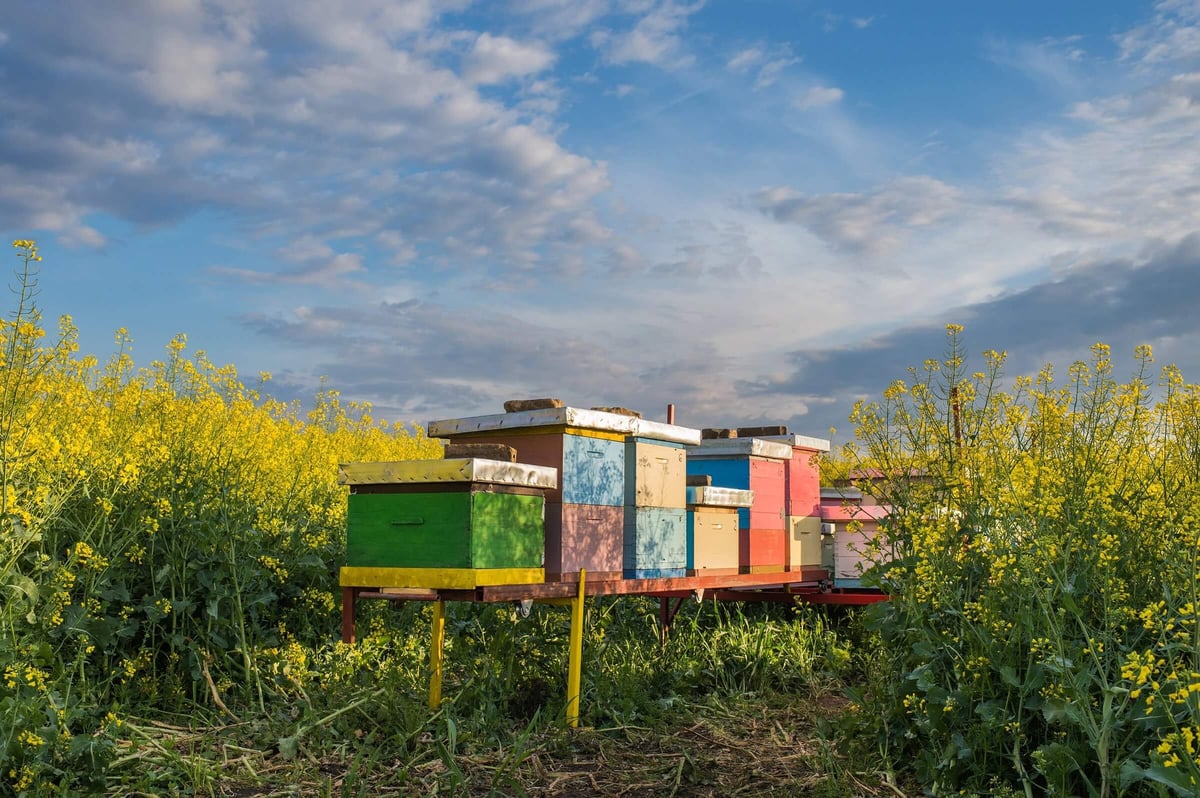
Bee hive management is the regular care, inspection, feeding, pest monitoring, equipment planning, and seasonal decision-making needed to keep a honey bee colony healthy. Good management does not mean opening the hive constantly or forcing bees into a rigid schedule. It means learning what a colony should look like during each season, recognizing warning signs early, and making practical choices before small problems become colony losses.
For new beekeepers, the hive can feel overwhelming at first. A colony contains thousands of bees, a queen, developing brood, food stores, wax comb, and seasonal behaviors that change quickly. This guide breaks bee hive management into clear, useful parts: hive equipment, colony biology, inspections, seasonal care, pests and diseases, honey harvesting, and continued education.
Key Takeaways
- Bee hive management means checking colony health, food stores, space, queen activity, pests, and seasonal readiness.
- A healthy hive needs a laying queen, balanced brood pattern, enough food, manageable mite levels, and room to grow.
- Regular inspections help beekeepers catch queen problems, swarm pressure, disease signs, and food shortages early.
- Seasonal management changes through spring buildup, summer honey flow, fall winter preparation, and winter moisture control.
- Varroa mites are one of the most important honey bee health threats and should be monitored throughout the active season.
- Honey should only be harvested when the colony has surplus stores beyond what it needs for survival.
Important Beekeeping Terms
Bee hive management means the planned care of a managed honey bee colony, including inspections, equipment, feeding, pest control, disease awareness, record keeping, and seasonal preparation.
Brood means developing bees in the egg, larva, or pupa stage.
Super means a hive box added above the brood area, often used for honey storage.
Varroa mites are parasitic mites that feed on honey bees and spread viruses within colonies.
Winter stores are the honey, syrup, or supplemental feed a colony uses to survive cold months when nectar is unavailable.
Table of Contents
- What Is Bee Hive Management?
- What Should New Beekeepers Understand First?
- What Equipment Does A Managed Hive Need?
- How Often Should You Inspect A Bee Hive?
- What Should You Look For During An Inspection?
- How Does Seasonal Hive Management Change?
- How Do You Manage Pests And Diseases?
- How Should You Harvest Honey?
- Why Do Records And Local Education Matter?
- How Can Beginners Build Confidence With Bee Hive Management?
- Frequently Asked Questions
What Is Bee Hive Management?
- Managed colonies need enough space for brood, nectar storage, honey storage, and bee movement.
- Hive management includes both observation and action, not just opening the hive.
- Good management responds to colony conditions, weather, nectar flow, and local timing.
- A beekeeper’s job is to reduce preventable stress while letting the colony function naturally.
Bee hive management is best understood as stewardship. The beekeeper provides a suitable hive, monitors the colony’s health, controls equipment spacing, watches for pests, and protects the colony from avoidable stress. Honey bees still do the work of raising brood, gathering nectar, making wax, storing pollen, and regulating hive temperature. The beekeeper’s role is to notice when the colony needs help, such as more space, supplemental feed, mite treatment, queen evaluation, or winter preparation.
What Should New Beekeepers Understand First?
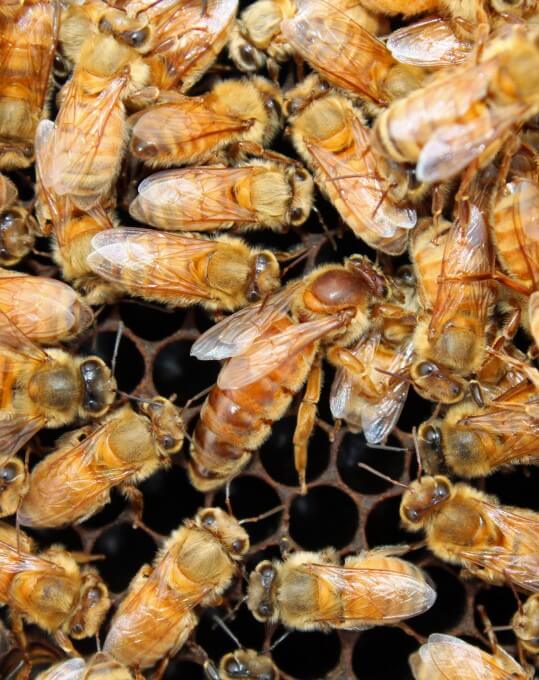
- A honey bee colony normally includes one queen, many worker bees, and seasonal drones.
- Worker bees perform brood care, cleaning, wax building, guarding, ventilation, and foraging.
- Drones are male honey bees whose main role is mating with virgin queens.
- Brood develops from egg to larva to pupa before emerging as an adult bee.
- Colony size rises and falls with season, forage, queen performance, and weather.
Understanding colony biology makes every inspection easier. The queen is important because her egg laying supports the future population, but she does not manage the colony by herself. Worker bees make most of the daily decisions inside the hive. They raise young bees, build comb, store nectar, process honey, collect pollen, and protect the entrance. Drones appear during the reproductive season and are reduced when resources become limited. A beekeeper who understands these roles can inspect calmly and interpret what the colony is showing.
What Equipment Does A Managed Hive Need?
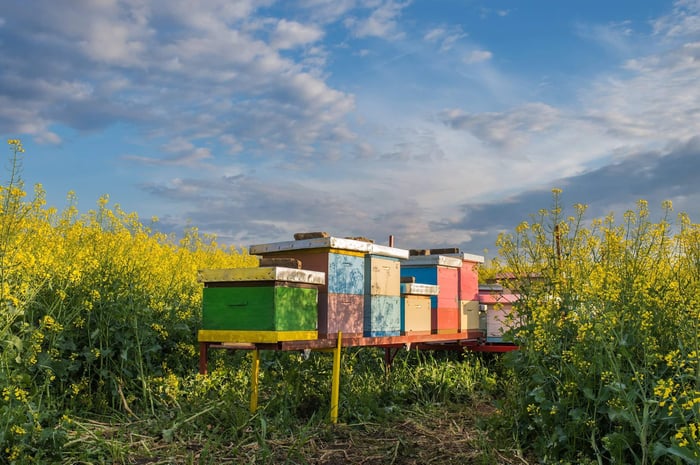
- Most modern beekeepers use Langstroth hives because the frames are removable and inspectable.
- Protective clothing helps beginners work calmly and safely around defensive colonies.
- A smoker can reduce alarm behavior when used gently and correctly.
- A hive tool is used to loosen propolis, separate boxes, and lift frames.
- Feeders may be needed when nectar is unavailable or colonies lack adequate stores.
The most common modern hive style is the Langstroth hive, which uses stacked boxes and removable frames. Removable frames make inspections, brood checks, mite monitoring, and honey harvesting more practical. Beginners should also have a bee suit or jacket with a veil, gloves, a smoker, and a hive tool. A bee brush can be helpful during honey harvesting or gentle frame handling, although many beekeepers use a light shake instead.
| Equipment | Primary Use | Management Note |
|---|---|---|
| Langstroth hive | Houses the colony in stacked boxes with removable frames. | Most beginner-friendly option for inspections and equipment expansion. |
| Protective clothing | Protects the beekeeper during inspections. | A calm beekeeper usually handles frames more carefully. |
| Smoker | Helps calm bees during hive work. | Use cool smoke lightly; too much smoke can stress the colony. |
| Hive tool | Pry boxes, loosen frames, and scrape burr comb. | Essential because bees seal hive parts with propolis. |
| Feeder | Provides supplemental syrup when needed. | Useful for new colonies, drought periods, and fall preparation. |
How Often Should You Inspect A Bee Hive?
- Spring inspections often focus on queen status, brood expansion, food stores, and swarm prevention.
- Summer inspections often focus on honey storage, space, mite monitoring, and queen performance.
- Fall inspections often focus on food reserves, mite control, population strength, and winter readiness.
- Winter inspections should be minimal and usually limited to exterior checks and emergency feeding.
A 7-to-10-day inspection rhythm is common during spring buildup because swarm conditions can develop quickly. However, inspection timing should never be automatic. Rain, cold, wind, nectar flow, colony temperament, and the beekeeper’s goal all matter. Opening a hive too often can disrupt the colony, but waiting too long can allow queen failure, swarm pressure, mite growth, or food shortages to go unnoticed. The best inspection schedule is steady enough to catch problems while gentle enough to avoid unnecessary disturbance.
Lappe's Field Note
In our Iowa apiaries, spring colonies can expand much faster than many new beekeepers expect when nectar and pollen are abundant. Colonies that appear comfortable one week may need additional space only a few days later. Consistent inspections during spring help identify overcrowding, swarm preparation, and queen performance before they become larger management problems.
Practical Inspection Rule
Before opening a hive, decide why you are opening it. A focused inspection is usually better than a long inspection with no clear purpose.
What Should You Look For During An Inspection?
- Fresh eggs or young larvae usually indicate that a queen was recently laying.
- A healthy brood pattern is generally compact, age-appropriate, and not excessively spotty.
- Colonies need open comb for brood rearing and nectar storage during growth periods.
- Low food stores can become urgent during cold snaps, drought, or nectar dearth.
- Unusual odors, sunken brood cappings, or ropey larvae require immediate disease investigation.
Beginners often feel they must find the queen at every inspection. In many cases, signs of queen activity are enough. Look for eggs, larvae, capped brood, and a pattern that matches the colony’s season. Also check whether bees have enough food and space. A crowded spring colony may need another box or swarm management. A light fall colony may need feeding. A colony with poor brood, high mite levels, or disease symptoms needs closer attention. Inspection notes help you compare what changed since the last visit.
How Does Seasonal Hive Management Change?
- Spring management focuses on brood growth, queen performance, food stores, and swarm prevention.
- Summer management focuses on honey supers, ventilation, mite monitoring, and nectar flow timing.
- Fall management focuses on winter stores, mite treatment, population strength, and equipment reduction.
- Winter management focuses on moisture control, wind protection, food access, and minimal disturbance.
Honey bee colonies follow a seasonal rhythm. Brood rearing rises as days lengthen and forage becomes available, then slows as the year moves toward winter. Spring can require fast decisions because strong colonies may outgrow available space. Summer management depends on nectar flow and mite pressure. Fall is the time to prepare colonies for survival, not just to finish honey harvesting. Winter management is mostly about protecting the cluster from starvation, moisture problems, and unnecessary disturbance.
Lappe's Field Note
After working with honey bees since 1978, one of the most common patterns we continue to see is that successful colonies are built through consistent seasonal management rather than reacting only after problems become obvious. Regular inspections, timely equipment additions, and proactive Varroa monitoring generally produce healthier colonies and stronger honey crops.
| Season | Main Goal | Common Management Tasks |
|---|---|---|
| Spring | Support buildup and reduce swarm risk. | Check queen activity, add space, monitor food, watch for swarm cells. |
| Summer | Manage honey production and colony health. | Add supers, monitor mites, check ventilation, watch for nectar dearth. |
| Fall | Prepare the colony for winter. | Confirm stores, reduce excess space, treat mites if needed, feed light colonies. |
| Winter | Protect the cluster and preserve food access. | Limit disturbance, check weight, manage moisture, provide emergency feed if needed. |
How Do You Manage Pests And Diseases?
- Varroa mites should be monitored because they weaken bees and spread damaging viruses.
- American foulbrood is a serious brood disease caused by the spore-forming bacterium Paenibacillus larvae.
- Disease signs should be confirmed before treatment decisions are made.
- Used equipment should be inspected carefully before being added to an apiary.
- Local regulations may affect how certain bee diseases must be reported or handled.
Varroa mites are one of the most important threats in modern beekeeping. The Honey Bee Health Coalition provides decision tools and management guidance for monitoring and treatment selection. American foulbrood is another serious concern because its spores can spread through contaminated equipment, honey, and robbing activity. The USDA Agricultural Research Service and USDA APHIS provide disease information for identification and response. Beekeepers should learn local reporting rules and avoid guessing when disease signs appear.
Important Disease Note
Do not treat a colony blindly for every possible disease. Identify the problem first, follow label directions, and contact a local bee inspector or extension specialist when serious brood disease is suspected.
How Should You Harvest Honey?
- Beekeepers should leave enough food for the colony before removing honey supers.
- Mostly capped honey is generally more mature than uncapped nectar.
- Honey extraction equipment should be clean and food-safe.
- Honey labels should follow applicable federal, state, and local labeling rules.
Honey harvesting should never weaken the colony. Before removing honey, confirm that the bees have enough stores for the season ahead. Remove bees gently from honey supers, uncap the frames, extract the honey, strain out wax particles, and bottle in clean containers. If honey will be sold, labeling must be accurate. The U.S. Food and Drug Administration provides guidance on proper labeling of honey and honey products. State rules may add additional requirements for weight, contact information, processing, or cottage food sales.
Why Do Records And Local Education Matter?
- Inspection records help reveal patterns that are easy to forget between hive visits.
- Local clubs can explain regional nectar flows, winter needs, and common disease concerns.
- Workshops help beginners learn what normal brood, stores, and queen activity look like.
- Beekeeping decisions are more reliable when field notes are compared over time.
Bee hive management improves when beekeepers keep simple records. Useful notes include inspection date, weather, brood status, queen signs, food stores, mite counts, treatments, temperament, and equipment changes. Local education is equally important because beekeeping is regional. A schedule that works in one climate may be too early, too late, or too aggressive somewhere else. Local clubs, extension programs, university bee labs, and experienced beekeepers can help beginners interpret what is normal in their area.
Simple Hive Record Checklist
- Write the inspection date and weather.
- Record queen signs, eggs, larvae, and brood pattern.
- Estimate food stores and available comb space.
- Note mite monitoring results and treatment dates.
- Record equipment changes, feeding, and unusual behavior.
- List the next action needed before closing the hive.
How Can Beginners Build Confidence With Bee Hive Management?
- Confidence comes from repetition, not from memorizing every possible hive problem.
- New beekeepers should learn what healthy brood, food stores, and bee behavior look like.
- A calm inspection protects both the beekeeper and the colony.
- Mentors can help beginners avoid overreacting to normal colony behavior.
Good beekeepers are not perfect beekeepers. They are observant, consistent, and willing to learn. Beginners should focus on a few core questions at every inspection: Is the queen laying? Does the colony have enough food? Does it have enough space? Are mite levels being monitored? Are there signs of disease? Over time, these questions become a natural inspection rhythm. The goal is not to control every bee. The goal is to understand the colony well enough to help at the right time.
Frequently Asked Questions
What is bee hive management?
Bee hive management is the regular care of a honey bee colony, including inspections, feeding, pest monitoring, equipment control, and seasonal preparation.
How often should a beginner inspect a hive?
During active season, many beginners inspect every 7 to 10 days. Inspection frequency should change with weather, colony strength, and management goals.
Do I need to find the queen every inspection?
No. Fresh eggs, young larvae, and a healthy brood pattern often show that the queen was recently laying.
What are the most important things to check in a hive?
Check queen activity, brood pattern, food stores, available space, mite levels, disease signs, and colony temperament.
When should I add another box to a hive?
Add another box when the colony is strong, most frames are being used, and bees need more space for brood, nectar, or honey storage.
Why are Varroa mites important in hive management?
Varroa mites weaken honey bees and spread viruses. Regular monitoring helps beekeepers act before mite pressure causes serious colony damage.
How much honey should I leave for the bees?
The amount depends on climate, colony size, and winter length. Local beekeeping clubs or extension offices can help estimate regional needs.
Can I open a hive in winter?
Winter hive openings should be minimal. Most winter checks should focus on exterior condition, hive weight, moisture control, and emergency feeding when needed.
What records should be kept for each hive?
Keep records of inspection dates, queen signs, brood condition, food stores, mite counts, treatments, equipment changes, and next actions.
Sources and Further Reading
- Tools for Varroa Management — Honey Bee Health Coalition
- Varroa Management Decision Tool — Honey Bee Health Coalition
- Honey Bee Management Throughout the Seasons — Penn State Extension
- American Foulbrood of Honey Bees Case Definition — USDA APHIS
- American Foulbrood Disease — USDA Agricultural Research Service
- Honey Bee Diseases: American Foulbrood — Penn State Extension
- Beekeeping in Northern Climates Manual and Workbook — University of Minnesota Bee Lab / SARE
- Guidance for Industry: Proper Labeling of Honey and Honey Products — U.S. Food and Drug Administration
Editorial Standards
This guide was written for beginning and intermediate beekeepers who need practical, readable hive management guidance. It uses reputable honey bee health, university extension, and government sources where disease, labeling, and pest management claims require outside support. Local conditions vary, so beekeepers should also follow state apiary rules, product labels, and local extension recommendations.
FAQs
What is bee hive management?
Bee hive management is the regular care of a honey bee colony, including inspections, feeding, pest monitoring, equipment control, and seasonal preparation.
How often should a beginner inspect a hive?
During active season, many beginners inspect every 7 to 10 days. Inspection frequency should change with weather, colony strength, and management goals.
Do I need to find the queen every inspection?
No. Fresh eggs, young larvae, and a healthy brood pattern often show that the queen was recently laying.
What are the most important things to check in a hive?
Check queen activity, brood pattern, food stores, available space, mite levels, disease signs, and colony temperament.
When should I add another box to a hive?
Add another box when the colony is strong, most frames are being used, and bees need more space for brood, nectar, or honey storage.
Why are Varroa mites important in hive management?
Varroa mites weaken honey bees and spread viruses. Regular monitoring helps beekeepers act before mite pressure causes serious colony damage.
How much honey should I leave for the bees?
The amount depends on climate, colony size, and winter length. Local beekeeping clubs or extension offices can help estimate regional needs.
Can I open a hive in winter?
Winter hive openings should be minimal. Most winter checks should focus on exterior condition, hive weight, moisture control, and emergency feeding when needed.
What records should be kept for each hive?
Keep records of inspection dates, queen signs, brood condition, food stores, mite counts, treatments, equipment changes, and next actions.