

Product Overview
Turn One Strong Colony Into Multiple Productive Nucs
The 12 Frame Double Wax Dipped Splitting Hive for Making Nucs - Assembled is designed for beekeepers who want an efficient way to increase hive numbers, make spring splits, and produce strong 5 frame nucleus colonies. This fully assembled hive gives you a practical setup for building nucs from your own bees, whether you plan to expand your apiary, replace winter losses, or sell nucs to other beekeepers.
Manufactured by Lappe's Bee Supply, this hive combines premium double wax dipped woodenware, triple wax coated frames, and a purpose-built configuration that helps simplify the process of making splits. Instead of piecing together separate equipment, this hive provides the core components needed to raise strong nucs from one productive parent colony.
Quick Answer
A splitting hive is used to help beekeepers divide a strong colony into smaller nucleus colonies, also called nucs. This 12 frame double wax dipped splitting hive is built to help produce two 5 frame nucs that can be requeened, grown into full hives, overwintered, or sold to other beekeepers.
Why Beekeepers Use This Hive
- Helps increase hive numbers using bees from your own apiary
- Designed for making 5 frame nucs from a strong parent colony
- Useful for replacing winter losses without buying more bees
- Can help reduce swarm pressure when colonies become crowded
- Excellent for producing nucs to sell to other beekeepers
- Fully assembled so you can focus on colony management instead of equipment assembly
- Built with premium double wax dipped woodenware manufactured by Lappe's Bee Supply
What This Hive Is Designed To Do
This hive is designed to support one of the most valuable skills in beekeeping: making splits. A strong colony can be used to create smaller nucleus colonies by moving frames of brood, food stores, and bees into 5 frame nuc equipment. Once the nuc has enough bees and resources, and the original queen has been kept with the parent colony, a new queen can be introduced to the nuc.
For beekeepers who want to grow their apiary, this process can reduce the need to purchase package bees or replacement nucs each year. For beekeepers who sell nucs, it provides an organized way to build saleable 5 frame nucleus colonies using reusable woodenware.
At a Glance
| Product Type | Fully assembled splitting hive for making nucs |
|---|---|
| Primary Use | Making 5 frame nucleus colonies from a strong parent colony |
| Hive Style | 12 frame double wax dipped woodenware with 5 frame nuc components |
| Best For | Making splits, increasing hive numbers, producing nucs, and replacing winter losses |
| Assembly | Assembled |
| Woodenware Finish | Premium double wax dipped |
| Frames | Triple wax coated frames included |
| Manufacturer | Lappe's Bee Supply |
What's Included
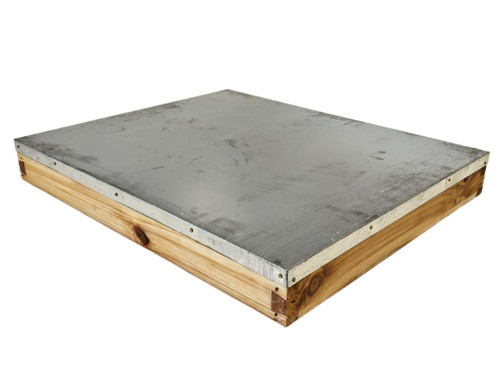
- One 12 frame double wax dipped lid - measures 21-7/8" x 20.5" x 2-7/8"
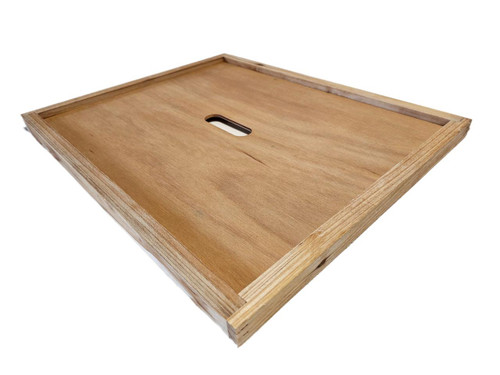
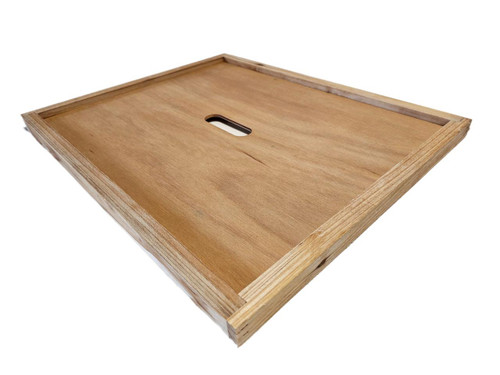
- One 12 frame double wax dipped inner cover - measures 19-7/8" x 18-1/2" x 7/8"
- One 12 frame double wax dipped solid bottom board - measures 22" x 18-5/8" x 2"
- One 12 frame double wax dipped 9-5/8" deep hive body with triple wax coated frames - deep measures 19-7/8" x 18-1/2" x 9-5/8"
- Two 5 frame double wax dipped 9-5/8" deep hive bodies with triple wax coated frames
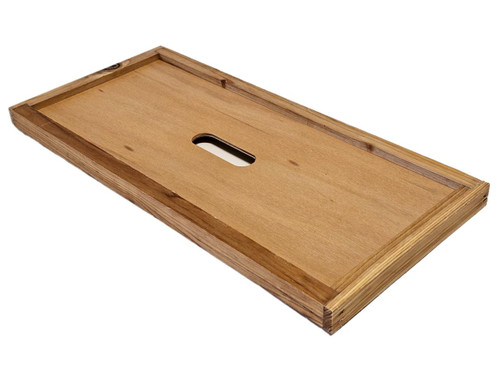
- Two 5 frame double wax dipped lid, inner cover, and bottom board combos
- All double wax dipped woodenware comes fully assembled & ready to use!
How the Splitting Hive Works
The hive starts with a strong parent colony using the 12 frame deep hive body. As the colony grows, the bees build population, store honey and pollen, and the queen fills frames with brood. When the colony is strong enough to split, frames of brood, food stores, and bees can be moved into the included 5 frame nuc equipment.
Before the nucs are separated, the beekeeper should carefully confirm that the original queen remains in the parent hive and is not on the frames being moved into the nucs. Once each nuc has enough brood, honey, pollen, nurse bees, and adult worker bees, a new queen can be installed into each nuc so it can develop into an independent colony.
Ideal For
- Beekeepers making spring splits
- Apiaries increasing colony numbers
- Beekeepers producing 5 frame nucs for sale
- Replacing winter colony losses
- Expanding from proven survivor colonies
- Managing strong colonies before they become overcrowded
- Raising replacement colonies from your own bees
Why Double Wax Dipped Woodenware Matters
Every wooden component in this hive is manufactured by Lappe's Bee Supply and protected using our premium double wax dipping process. Double wax dipped woodenware is designed to provide improved moisture resistance, long-lasting durability, and dependable performance in the apiary.
For equipment used in repeated colony management, durability matters. Splitting hives and nuc equipment may be moved, inspected, stored, reused, and handled frequently throughout the season. Double wax dipped woodenware helps protect your investment while reducing the need for painting and routine exterior maintenance.
Why Triple Wax Coated Frames Are Included
This hive includes triple wax coated frames to help encourage faster comb acceptance and better colony development. A heavier wax coating can help bees begin drawing comb more readily than lightly coated plastic foundation, especially when nectar is available and colonies are growing quickly.
For nuc production, drawn comb and strong brood development are extremely valuable. The faster bees accept and use the frames, the sooner the colony can build the brood, honey, and pollen resources needed for successful splits.
When Is the Best Time to Make a Split?
The ideal time to make a split is when a colony has become strong enough to support both the parent hive and a new nucleus colony. In most areas of the United States, this typically occurs during the spring buildup after drones are present and daytime temperatures have become consistently warm.
Before making a split, the parent colony should have a healthy laying queen, multiple frames of brood in all stages of development, adequate honey and pollen stores, and a large enough adult bee population to support both colonies. Attempting to split a weak colony too early can slow the development of both hives.
Colonies Are Generally Ready to Split When They Have:
- 7–9 or more frames covered with bees
- Multiple frames of capped brood
- Open brood and eggs
- Several frames containing honey and pollen
- Active drone population in the area
- Consistent nectar flow or supplemental feeding available
How to Make a Split Using This Hive
The exact method will vary depending on your management style and whether you are introducing mated queens, queen cells, or allowing the colony to raise its own queen. The following process provides a general overview used by many beekeepers.
- Begin with a healthy, strong parent colony occupying the 12 frame hive.
- Select brood frames containing capped brood, emerging brood, and some open brood.
- Choose frames containing adequate honey and pollen stores.
- Shake or brush additional young nurse bees onto the selected brood frames if necessary.
- Place the selected frames into one of the included 5 frame nuc hives.
- Repeat the process for the second nuc if making two splits.
- Carefully verify that the original queen remains in the parent colony before separating the nucs.
- Introduce a new queen or queen cell according to your preferred queen introduction method.
- Monitor each nuc regularly for successful queen acceptance and brood production.
Selecting the Right Frames
One of the most important factors in producing a successful nucleus colony is selecting the proper combination of frames. Every nuc should contain enough developing brood, food stores, and adult bees to continue growing after being separated from the parent colony.
| Frame Type | Purpose |
|---|---|
| Capped Brood | Provides a steady emergence of new worker bees. |
| Open Brood | Retains nurse bees that continue caring for developing larvae. |
| Honey | Provides immediate food reserves. |
| Pollen | Supplies protein needed for raising brood. |
| Drawn Comb | Allows the queen to begin laying sooner. |
Why Keeping the Original Queen Matters
The original queen should remain in the parent colony unless intentionally moved as part of your management plan. Before removing any nuc, carefully inspect each frame to verify the queen is not being transferred accidentally.
If the queen is moved unintentionally, the parent colony may become queenless while one of the nucs retains the laying queen. Taking a few extra minutes to locate or verify the queen's location helps avoid unnecessary setbacks.
Introducing a New Queen
Once each nuc has been established, a new queen can be introduced using a standard queen introduction cage. Many beekeepers prefer using mated queens because they generally begin laying sooner and reduce the time required for the colony to become productive.
Others may choose to introduce queen cells or allow the colony to raise its own queen, depending on management goals and available resources.
Benefits of Producing Your Own Nucs
- Expand your apiary without purchasing package bees.
- Replace winter losses with colonies raised from your own stock.
- Select genetics from colonies that perform well in your area.
- Produce nucleus colonies for sale.
- Reduce swarming by relieving overcrowded colonies.
- Increase colony numbers while utilizing existing equipment.
- Develop backup colonies in case of queen failure.
Package Bees vs. Nucs vs. Splits
| Method | Advantages | Considerations |
|---|---|---|
| Package Bees | Widely available, easy to ship, suitable for starting new colonies. | Require time to establish comb and brood. |
| Purchased Nucs | Contain brood, food stores, and a laying queen for faster establishment. | Availability is often seasonal and can vary by region. |
| Making Splits | Uses proven colonies already adapted to your apiary while increasing hive numbers. | Requires strong parent colonies and proper timing. |
Who This Hive Is Best For
- Beekeepers expanding their apiaries.
- Operations producing nucleus colonies for sale.
- Beekeepers replacing winter losses.
- Apiaries wanting to preserve desirable genetics.
- Queen producers.
- Sideliner and commercial beekeepers.
- Experienced hobby beekeepers ready to increase colony numbers.
Common Mistakes When Making Splits
- Splitting colonies before they are strong enough.
- Not providing enough nurse bees in the nuc.
- Moving too little brood.
- Failing to include sufficient honey and pollen.
- Accidentally moving the original queen.
- Introducing queens too quickly.
- Failing to monitor queen acceptance.
- Allowing nucs to become overcrowded before transferring them into larger equipment.
Professional Tips
- Choose your strongest colonies for making splits.
- Use colonies with gentle temperament and desirable honey production as breeding stock.
- Avoid making splits during prolonged cold or rainy weather.
- Feed nucs when natural nectar is unavailable.
- Continue monitoring mite levels throughout the season.
- Label each nuc with the queen's installation date for easier record keeping.
- Inspect new queens approximately one week after introduction for acceptance and egg laying.
How Many Frames Should Be Moved Into Each Nuc?
There is no single "perfect" combination of frames for every split because every colony develops differently. However, successful 5 frame nucs generally contain a balanced mixture of brood, food stores, and adult bees capable of supporting continued colony growth.
When making splits, many experienced beekeepers strive to provide each nuc with enough emerging brood to rapidly increase the population, sufficient nurse bees to care for developing larvae, and enough honey and pollen to sustain the colony while the new queen becomes established.
| Recommended Frame Mix | Purpose |
|---|---|
| 2 Frames of Capped Brood | Provides a steady emergence of young worker bees. |
| 1 Frame of Mixed Brood & Eggs | Maintains nurse bee activity and supports colony growth. |
| 1 Frame of Honey & Pollen | Supplies carbohydrates and protein while the colony establishes itself. |
| 1 Drawn Comb or Foundation Frame | Provides additional laying space for the newly introduced queen. |
What Type of Brood Should You Choose?
The healthiest nucs contain brood in multiple stages of development.
- Capped brood emerges quickly and rapidly increases the worker population.
- Open brood helps retain nurse bees that continue feeding larvae.
- Eggs indicate the colony was recently queenright and provide flexibility if queen introduction is delayed.
A combination of brood stages creates a more balanced population and helps the new colony continue developing without interruption.
How Many Bees Should Be Included?
Frames alone do not make a successful nuc. Adequate bee population is equally important.
Many beekeepers intentionally shake additional young nurse bees from brood frames into the nuc because nurse bees are less likely to return to the original hive than older field bees.
Providing an adequate number of young bees helps maintain brood temperature, feed larvae, and improve the likelihood of successful queen acceptance.
When Can a New Queen Be Introduced?
Once the original queen has been confirmed to remain with the parent colony, each nuc can receive a new queen according to your preferred management practices.
Many beekeepers install a mated queen because she typically begins laying sooner, allowing the nuc to establish more quickly. Others prefer introducing ripe queen cells or allowing colonies to raise their own queens depending on available resources and breeding goals.
How Long Before the Nuc Is Ready?
After a successful queen introduction, most nucs begin expanding rapidly as the new queen establishes a brood pattern.
Growth rate depends on several factors including:
- Weather conditions
- Nectar availability
- Queen quality
- Population strength
- Varroa mite levels
- Overall colony health
As the colony grows, additional equipment can be added when the bees occupy most of the available comb.
How Soon Can Another Split Be Made?
The parent colony should be allowed sufficient time to recover before additional splits are made.
A strong nectar flow, abundant brood production, and excellent queen performance may allow another split later in the season, while weaker colonies may benefit from concentrating on rebuilding population before being divided again.
Monitoring colony strength rather than following a fixed calendar generally produces better long-term results.
Spring vs. Summer Splits
| Spring Splits | Summer Splits |
|---|---|
| Generally produce the strongest colonies. | Require careful attention to food stores and queen development. |
| Take advantage of increasing nectar flows. | May require supplemental feeding. |
| Help reduce swarming. | Often focus on producing replacement colonies. |
| Provide the longest buildup period before winter. | Need adequate time to prepare for overwintering. |
Regional Timing
The ideal time for making splits varies depending on your location and climate.
| Region | General Timing |
|---|---|
| Southern United States | Often begins in early spring as colonies rapidly expand. |
| Central United States | Typically performed during the main spring buildup after drones become abundant. |
| Northern United States | Usually delayed until weather is consistently warm and colonies are well established. |
Rather than relying strictly on dates, successful beekeepers evaluate colony strength, weather conditions, available forage, and drone populations before making splits.
Seasonal Colony Increase Calendar
| Season | Management Focus |
|---|---|
| Late Winter | Evaluate overwintered colonies and prepare equipment. |
| Early Spring | Monitor colony buildup and begin preparing queens. |
| Spring Nectar Flow | Primary period for making splits and producing nucs. |
| Summer | Monitor queen acceptance and colony development. |
| Late Summer | Prepare replacement colonies for overwintering. |
| Fall | Evaluate colony strength and combine weak colonies if necessary. |
Why Double Wax Dipped Woodenware Is Ideal for Nuc Production
Nuc production equipment is handled frequently throughout the beekeeping season. Colonies are established, transported, inspected, cleaned, stored, and reused year after year.
Our premium double wax dipped woodenware is designed to provide long-lasting durability under these demanding conditions. The wax dipping process helps improve moisture resistance while preserving the natural appearance of the wood.
For beekeepers producing dozens—or even hundreds—of nucs each season, durable woodenware can significantly reduce maintenance and replacement over time.
Designed Around Standard Langstroth Equipment
The 12 Frame Double Wax Dipped Splitting Hive for Making Nucs is designed around familiar Langstroth management practices, allowing experienced beekeepers to incorporate this hive into their existing management programs without learning an entirely new system.
The included components integrate naturally into routine inspections, queen introduction, colony expansion, and nuc production while providing an organized method of producing additional colonies.
Field Tips From Lappe's Bee Supply
- Use your gentlest and most productive colonies as breeder colonies whenever possible.
- Avoid making splits immediately before extended cold or rainy weather.
- Verify adequate drone populations before relying on naturally mated queens.
- Provide feed whenever nectar availability becomes limited.
- Record queen installation dates for every nuc you produce.
- Continue monitoring Varroa mite levels in both the parent colony and newly established nucs.
- Inspect each nuc approximately one week after queen introduction to verify successful acceptance.
Why Choose Lappe's Bee Supply?
Lappe's Bee Supply has roots in commercial beekeeping dating back to 1978. Our woodenware is designed by beekeepers who understand the demands of managing productive colonies throughout the season.
Every double wax dipped component is manufactured with durability, compatibility, and long-term performance in mind, helping beekeepers invest in equipment designed for years of dependable service.
Frequently Asked Questions
What is a splitting hive?
A splitting hive is designed to help beekeepers divide one strong colony into multiple healthy colonies. This 12 Frame Double Wax Dipped Splitting Hive makes it easier to produce two 5 frame nucleus colonies (nucs) that can be expanded into production hives, used to replace winter losses, or sold to other beekeepers.
What is a nuc?
A nuc, short for nucleus colony, is a small but complete honey bee colony that typically consists of five frames containing a laying queen, brood, honey, pollen, and worker bees. Nucs are commonly used to start new colonies because they establish more quickly than package bees.
Can I use this hive to increase my own apiary?
Yes. One of the primary purposes of this hive is helping beekeepers increase colony numbers using bees from their own apiary rather than purchasing additional package bees or nucleus colonies.
Can I use this hive to produce nucs for sale?
Absolutely. Many beekeepers produce 5 frame nucs each spring for local sale. This hive provides an organized method for producing healthy nucleus colonies while using durable, reusable equipment.
How many nucs can this hive produce?
The number of nucs produced each season depends on colony strength, weather, nectar availability, queen availability, and management practices. Strong colonies may produce multiple splits during favorable conditions, while weaker colonies should be allowed additional time to rebuild before making additional splits.
Will making splits reduce honey production?
Making splits temporarily reduces the adult bee population of the parent colony, which may reduce honey production during that season. However, successful splits increase the total number of colonies available for future honey production and can be an excellent long-term management strategy.
Can first-year colonies be split?
Some first-year colonies become strong enough to split, while others benefit from remaining intact so they can continue building population and food stores. Colony strength should always determine whether a split is appropriate rather than colony age alone.
When is the best time to make splits?
Most beekeepers make splits during the spring buildup after drones are present and colonies have become strong enough to support both the parent colony and the new nucs. Exact timing varies by climate, forage availability, and colony development.
Should I use a mated queen or a queen cell?
Both methods can be successful. Mated queens generally begin laying sooner and establish colonies more quickly, while queen cells can be an economical option when produced within your own apiary.
What if I accidentally move the original queen?
If the original queen is moved into a nuc, the parent colony may become queenless. Always inspect the frames carefully before separating the nucs and confirm the original queen remains with the parent colony unless intentionally relocating her.
Can I overwinter a 5 frame nuc?
Yes. Many beekeepers successfully overwinter healthy 5 frame nucs. Successful overwintering depends on colony strength, food reserves, mite management, weather conditions, and proper winter preparation.
Do the frames come assembled?
The hive includes triple wax coated frames ready for installation into the hive bodies, allowing you to begin establishing colonies without purchasing additional frames.
Is the hive fully assembled?
Yes. The woodenware is fully assembled so you can begin using the hive without spending time assembling equipment.
What makes double wax dipped woodenware different?
Our premium double wax dipping process helps improve moisture resistance while extending the service life of the woodenware. This provides durable equipment designed for years of dependable use in the apiary.
Who is this hive designed for?
This hive is ideal for hobby, sideline, and commercial beekeepers who want to increase colony numbers, produce nucleus colonies, replace winter losses, or generate additional income by selling nucs.
Related Products
- 12 Frame Double Wax Dipped Deep Hive Body
- 12 Frame Double Wax Dipped Bottom Boards
- 12 Frame Double Wax Dipped Hive Tops
- 5 Frame Double Wax Dipped Nuc Equipment
- Triple Wax Coated Frames & Foundation
- Mated Queen Honey Bees
- Queen Introduction Supplies
- Bee Feeders
Why Beekeepers Trust Lappe's Bee Supply
Lappe's Bee Supply has been rooted in commercial beekeeping since 1978. Every piece of our premium double wax dipped woodenware is manufactured to provide exceptional durability, dependable performance, and compatibility with standard Langstroth equipment. Whether you're just beginning your beekeeping journey or managing hundreds of colonies, our goal is to provide equipment that helps you spend less time replacing woodenware and more time managing healthy, productive bees.
Ready to Increase Your Hive Numbers?
The 12 Frame Double Wax Dipped Splitting Hive for Making Nucs - Assembled provides an efficient way to increase colony numbers using bees from your own apiary. With premium double wax dipped woodenware, triple wax coated frames, and a practical configuration designed for making splits, this hive helps simplify nucleus colony production while providing durable equipment built for years of dependable service.
Whether your goal is expanding your apiary, replacing winter losses, or producing 5 frame nucs to sell, this complete hive offers a professional solution designed by experienced beekeepers for beekeepers.
This hive is assembled using commercial grade hive body and honey super parts; expect some knots & cracks on wax dipped surfaces. Please note: splits from stapling are common on frames due to the wood grain and do not compromise the structure or useability of the frame. We do not replace or refund the frames due to this.
Note on Wax-Dipped Equipment:
Our woodenware is double-dipped in boiling wax for 10 minutes each time, to allow the wax to fully penetrate the wood for long-lasting protection. Over time, the outer surface layer of wax may naturally fade or lighten due to sun and weather exposure. This is cosmetic only – the wax that has absorbed into the wood continues to protect the equipment for years of use.