




Product Overview
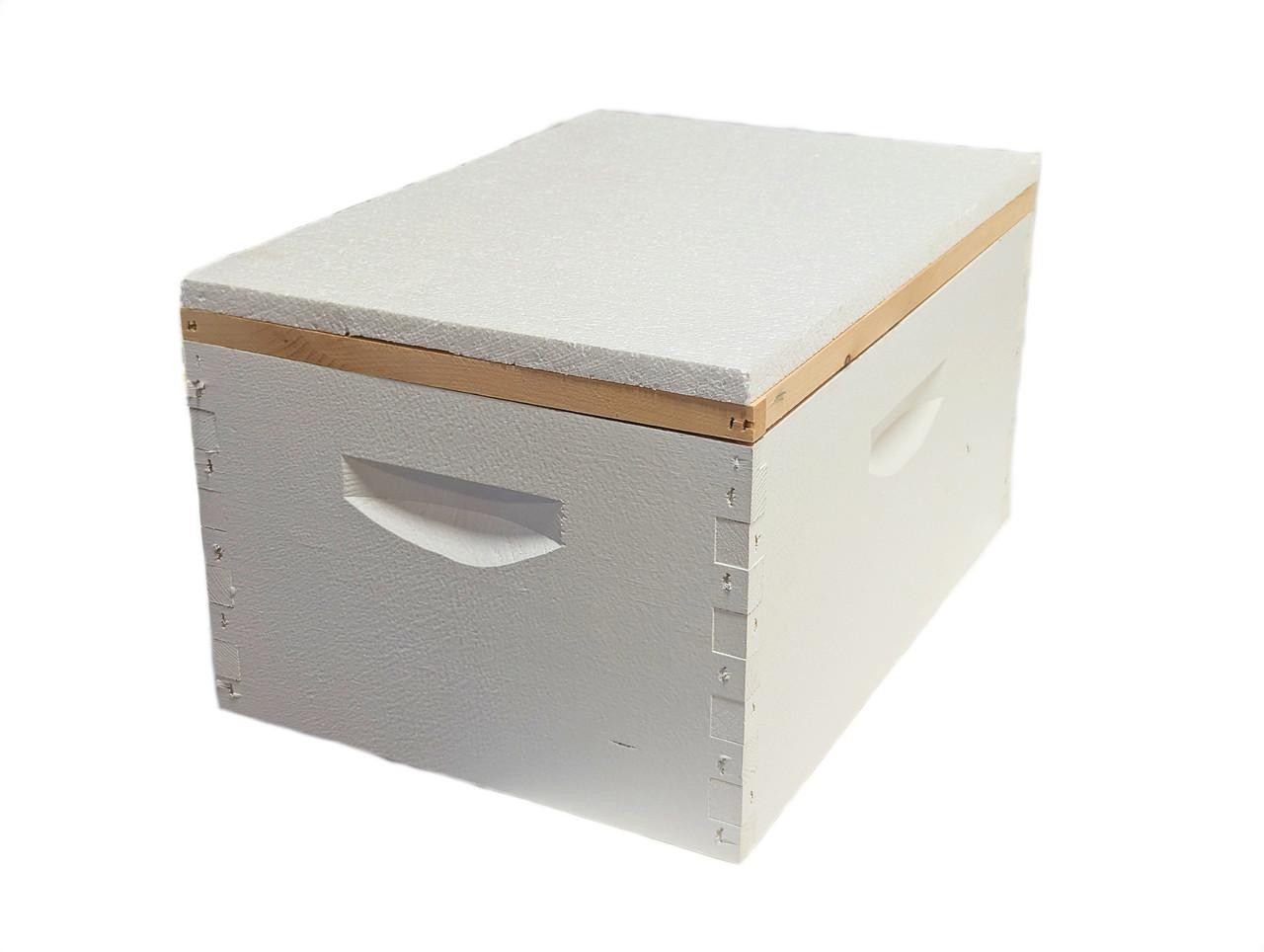
Inner Cover Bee Hive Insulation Sheet – Top Insulation for Winter Hive Preparation
Help Reduce Heat Loss Through the Top of Your Hive
The Inner Cover Bee Hive Insulation Sheet provides an additional layer of top-of-hive insulation during cold-weather winter preparation. This 3/4-inch-thick sheet fits beneath the outer cover and is available in 5-frame, 8-frame, and 10-frame configurations.
At Lappe's Bee Supply, we recommend pairing top insulation with a moisture board as part of a complete winter-management arrangement. The insulation helps slow heat transfer through the upper hive, while the moisture board helps manage excess moisture. Select the configuration that matches your hive and confirm the available space beneath your outer cover before ordering.
Features and Specifications
- Product: Inner Cover Bee Hive Insulation Sheet
- SKU: WNTS-2347
- Available configurations: 5-frame, 8-frame, and 10-frame
- Thickness: 3/4 inch
- Primary use: Top-of-hive insulation during cold-weather winter preparation
- Placement: Beneath the outer cover, preferably above a moisture board
- Seasonal use: Fall installation and winter use, with removal evaluated as spring conditions change
Insulation Sheet Dimensions
| Configuration | Length | Width | Thickness |
|---|---|---|---|
| 5-frame | 20" | 9 3/8" | 3/4" |
| 8-frame | 20" | 14" | 3/4" |
| 10-frame | 20" | 16" | 3/4" |
The purchase includes the selected insulation sheet. The hive body, moisture board, hive shim, and other wintering equipment are sold separately.
How Does Top-of-Hive Insulation Help During Winter?
Top-of-hive insulation is a layer of insulating material placed near the top of a beehive to slow heat transfer between the hive interior and the colder outside environment. It is one part of winter hive preparation, not a source of heat.
During winter, honey bees form a cluster and generate heat through their own activity. Warm, moisture-containing air can rise toward colder upper hive surfaces, where condensation may develop. Excess moisture can create damp conditions or drip into the hive.
Insulation and moisture management serve different purposes:
- Insulation sheet: Helps reduce heat transfer through the upper hive area.
- Moisture board: Helps manage excess moisture in the upper hive.
- Outer cover: Protects the upper hive arrangement from outdoor weather when properly installed.
The insulation sheet does not actively absorb moisture, eliminate condensation, or guarantee successful overwintering. Healthy bees, adequate food stores, effective Varroa management, and appropriate moisture control remain essential.
Choosing the Correct Insulation Sheet Size
Choose the 5-frame, 8-frame, or 10-frame option that corresponds to your hive configuration. Frame count is the starting point, but it does not guarantee identical dimensions across all hive equipment.
Important fit consideration: The insulation sheet is 3/4 inch thick. Your upper-hive arrangement must accommodate this thickness along with any moisture board, feeder, shim, or other components already installed. The outer cover must seat securely without gaps or displaced equipment.
How to Install the Inner Cover Bee Hive Insulation Sheet
Lappe's Bee Supply recommends positioning the insulation sheet above a moisture board and beneath the outer cover when using our preferred winter moisture-management arrangement.
Inner Cover Compatibility: When using Lappe's recommended moisture-board arrangement, remove the conventional inner cover and position the moisture board and insulation sheet beneath the outer cover.
- Select the correct configuration. Match the sheet to your 5-frame, 8-frame, or 10-frame hive and check the available installation space.
- Prepare the upper hive. Make sure the existing components are properly positioned and that the cover arrangement can accommodate the insulation.
- Position the moisture board. Place the moisture board above the uppermost hive box in the recommended moisture-board arrangement.
- Add the insulation sheet. Position it flat above the moisture board.
- Replace the outer cover. Check that the cover seats properly and is secure against wind.
- Check entrances and ventilation. Confirm that intended upper entrances and ventilation pathways remain unobstructed.
A hive shim or spacer may be useful when additional clearance is needed, but it is not required in every installation. Lappe's moisture-board installation guidance recommends a hive shim beneath the moisture board in its associated arrangement.
Do not force the outer cover into position if the insulation or other components prevent proper closure. An arrangement that compromises cover fit or blocks intended ventilation should be adjusted before winter use.
When Should You Install and Remove Winter Hive Insulation?
We recommend adding the insulation sheet during fall winterization, before consistently cold weather arrives.
In Iowa and much of the Midwest, this preparation commonly takes place around October or November, depending on seasonal conditions. Beekeepers in colder northern regions may need to prepare earlier, while those in milder climates should adjust their timing to local weather.
The sheet may remain in place throughout winter. A brief warm spell does not automatically mean it should be removed. As spring weather warms and colony activity increases, evaluate whether the seasonal insulation is still appropriate for your hive arrangement.
Avoid repeated adjustments during severe cold that unnecessarily disturb the winter cluster.
Lappe's Apiary Note: Insulation Is Only One Part of Winter Preparation
Our recommendation is to start with a healthy, well-provisioned colony, manage moisture properly, and then use insulation to help reduce excessive heat loss through the top of the hive.
We focus on four essentials when discussing winter preparation:
- Healthy bees and appropriate colony strength.
- Sufficient food reserves.
- Effective moisture management.
- Insulation appropriate for the hive and local winter conditions.
Lappe's Bee Supply comes from a commercial beekeeping family with experience dating to 1978, and we have served beekeepers with equipment and practical beekeeping education since 2017. Our wintering guidance emphasizes the complete colony and hive arrangement rather than expecting one product to solve every winter-management challenge.
Lappe's Product Experience: When fitting this insulation sheet with a moisture board, we check that the added thickness does not prevent the outer cover from seating securely. Proper fit is important because an uneven cover can leave gaps in the upper-hive arrangement.
What to Watch for During Winter
Top insulation should work with the rest of your wintering equipment without creating fit, moisture, or ventilation problems.
Conditions that deserve attention include:
- Excessive condensation or dripping beneath the outer cover.
- A moisture board that has become saturated.
- Water entering around the outer cover.
- Blocked ventilation openings or upper entrances.
- Gaps caused by poorly seated upper-hive components.
- Persistent dampness, mold, or visible insulation damage.
If moisture develops, determine whether it comes from internal condensation or precipitation entering around the cover. Moisture inside the hive does not automatically mean the insulation sheet is defective.
Make necessary adjustments during suitable weather whenever possible to avoid unnecessary disturbance of the winter cluster.
Cleaning, Storage, and Reuse
Inspect the insulation sheet when removing it seasonally and before installing it again.
- Check for cracking, crumbling, warping, compression, delamination, or rodent damage.
- Gently remove loose debris with a soft brush or dry cloth.
- Allow the sheet to dry thoroughly in a clean, ventilated location before storage.
- Avoid soaking, pressure washing, harsh cleaning chemicals, and excessive heat.
- Store the sheet flat in a dry location, protected from pests and heavy objects.
The sheet may be reused when it remains dry, structurally intact, and suitable for proper installation. Replace it when deterioration prevents adequate coverage or interferes with correct cover fit.
Is This Insulation Sheet Right for Your Hive?
The Inner Cover Bee Hive Insulation Sheet is worth considering when preparing a 5-frame, 8-frame, or 10-frame hive for cold weather and you want to add insulation beneath the outer cover.
It is especially relevant to winter preparation in Iowa, the Midwest, and other regions where colonies experience extended cold conditions.
Before selecting it, confirm that:
- Your hive configuration matches an available option.
- The upper-hive arrangement has room for the 3/4-inch-thick sheet.
- Your moisture-management components can be positioned properly.
- The outer cover will close securely.
- Intended entrances and ventilation will remain unobstructed.
If your hive uses a quilt box, unusual upper entrance, winter feeder, or another specialized arrangement, evaluate the complete setup before adding insulation. A different upper-hive system may be more appropriate when the sheet cannot be installed without compromising fit or ventilation.
Frequently Asked Questions
Where does the Inner Cover Bee Hive Insulation Sheet go?
The insulation sheet goes beneath the outer cover, preferably above a moisture board. This arrangement allows the insulation and moisture board to perform their separate functions.
Do I need a moisture board with the insulation sheet?
Lappe's Bee Supply recommends using a moisture board as part of its preferred wintering arrangement. The insulation sheet helps slow heat transfer but does not actively absorb or remove excess moisture.
Do I need a hive shim?
Not every installation requires an additional shim. The need depends on the available clearance, cover design, and other upper-hive components. Lappe's recommended moisture-board arrangement uses a hive shim beneath the moisture board.
Will this insulation sheet prevent condensation?
The sheet is intended to reduce heat transfer through the upper hive, but it is not a standalone condensation-control system. Moisture management, ventilation arrangements, and protection against water intrusion remain important.
Does the 3/4-inch thickness indicate an R-value?
No. Thickness and thermal resistance are different measurements. The sheet's confirmed thickness is 3/4 inch; thickness alone does not establish a specific R-value.
Can I leave the insulation sheet installed all winter?
Yes, the sheet may remain installed throughout winter when the arrangement continues to fit properly and maintain intended ventilation. Evaluate removal as spring conditions warm and colony activity increases.
Will insulation guarantee my bees survive winter?
No. Top insulation is one component of winter hive preparation. Colony health, food reserves, Varroa management, moisture conditions, and weather all influence overwintering outcomes.
Related Winter Beekeeping Equipment
Complete your winter preparation with equipment suited to your hive configuration and moisture-management needs.
- Winter Bee Hive Moisture Board – A complementary moisture-management component available for 5-frame, 8-frame, and 10-frame hive arrangements.
- Winter Beekeeping Supplies – Browse additional equipment for preparing colonies and hive arrangements for cold weather.
- Winter Bee Hive Quilt Box – Explore an alternative upper-hive moisture-management arrangement.
- Winter Bee Hive Insulation Heater Box with Moisture Board – Consider another wintering equipment arrangement with integrated moisture-management components.
- Winter Bee Hive Wraps & Insulation – Compare other insulation and exterior hive-wrap options.
Prepare your hive for winter with the right fit. Select the 5-frame, 8-frame, or 10-frame Inner Cover Bee Hive Insulation Sheet that matches your equipment, confirm the available clearance, and pair it with an appropriate moisture-management arrangement for your colony.