Welcome to Lappe's Bee Supply's blogs section. We are a trusted beekeeping company in the USA. We give relevant insights, seasonal guidance, and professional advice for beekeepers of all experience levels. From hive management and bee wellness to honey production and equipment guides, we have it all that you will require to thrive. Get updated, motivated, and connected with the beekeeping community through regular news from Lappe's Bee Supply.
Strawberry Rhubarb Preserves
The Buzz About This Post
- Key Takeaways
- Table of Contents
- What are strawberry rhubarb preserves?
- What ingredients do you need?
- Why use honey in strawberry rhubarb preserves?
- How do you make strawberry rhubarb preserves?
- How do you know when the preserves are thick enough?
- How do you can strawberry rhubarb preserves?
- How should strawberry rhubarb preserves be stored?
- Frequently Asked Questions
- Can I use frozen strawberries?
- Can I use frozen rhubarb?
- Can I replace honey with sugar?
- Why do the strawberries sit with honey before cooking?
- Why are my preserves runny?
- How many jars does this recipe make?
- Do I have to can this recipe?
- What kind of honey works best?
- Why is lemon juice included?
- Can I double the recipe?
- Sources
- FAQs
Strawberry Rhubarb Preserves
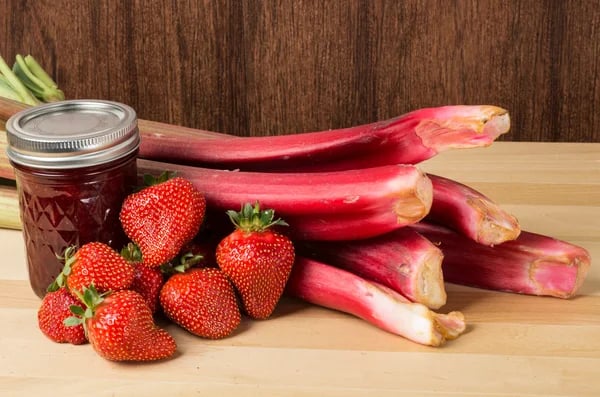
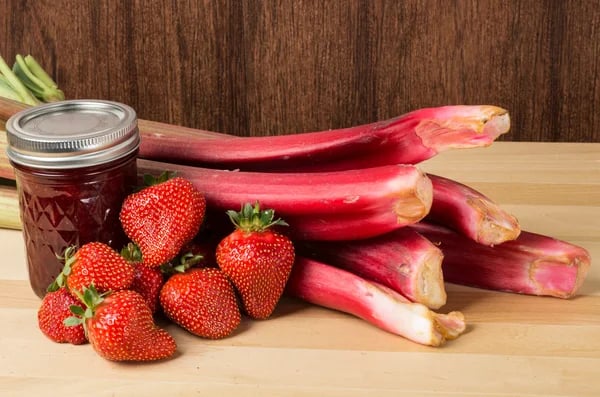
Strawberry rhubarb preserves are a classic homemade fruit spread made with ripe strawberries, tart rhubarb, lemon juice, and honey instead of refined sugar. The result is bright, sweet, tangy, and deeply fruit-forward, with a flavor that works beautifully on toast, biscuits, pancakes, waffles, yogurt, ice cream, and simple desserts.
Key Takeaways
- Strawberry rhubarb preserves are a cooked fruit spread made with chopped fruit rather than strained juice.
- Honey sweetens the preserves while adding floral depth that plain sugar does not provide.
- Rhubarb balances strawberry sweetness with natural tartness and a clean, bright finish.
- Lemon juice supports acidity, flavor balance, and proper fruit-preserve structure.
- A boiling water bath is commonly used for high-acid fruit spreads when a tested canning process is followed.
- This recipe yields about four half-pint jars, making it a small-batch preserve for home kitchens.
Table of Contents
- What are strawberry rhubarb preserves?
- What ingredients do you need?
- Why use honey in strawberry rhubarb preserves?
- How do you make strawberry rhubarb preserves?
- How do you know when the preserves are thick enough?
- How do you can strawberry rhubarb preserves?
- How should strawberry rhubarb preserves be stored?
- Frequently Asked Questions
- Sources
What are strawberry rhubarb preserves?
Strawberry rhubarb preserves are a cooked fruit spread made from strawberries, rhubarb, honey, and lemon juice.
- Preserves usually contain visible pieces of fruit.
- Strawberries provide sweetness, color, aroma, and soft fruit texture.
- Rhubarb adds tartness and balances the honey and strawberries.
- Lemon juice brightens the flavor and supports acidity.
- Cooking evaporates water and concentrates the fruit syrup.
Unlike jelly, which is usually made from strained fruit juice, preserves contain pieces of fruit suspended in a thickened syrup. In this recipe, the fruit is not hidden behind heavy sweetness. The strawberries remain the main flavor, the rhubarb keeps the spread lively, and the honey adds a rounded sweetness that pairs especially well with spring and early-summer fruit.
This is a simple preserve, not a heavily spiced jam. The short ingredient list keeps the flavor clean and recognizable. It is a good recipe for people who enjoy old-fashioned fruit spreads but want the added character of honey in place of plain white sugar.
What ingredients do you need?
You need honey, strawberries, rhubarb, lemon juice, and clean half-pint jars to make this small-batch preserve.
Ingredients
| Ingredient | Amount | Purpose |
|---|---|---|
| Honey | 1 1/3 cups | Sweetens the preserves and adds floral flavor. |
| Strawberries | 4 cups, washed, stemmed, and sliced | Provides sweetness, color, aroma, and fruit body. |
| Rhubarb | 4 cups, washed and diced | Adds tartness and balances the sweetness. |
| Lemon Juice | 3 tablespoons | Adds brightness and acidity. |
Use ripe, fragrant strawberries that are firm enough to slice cleanly. Avoid berries with mold, fermented odor, or excessive soft spots. Rhubarb should be crisp, freshly washed, and diced into fairly even pieces so it softens at the same pace during cooking.
The honey matters because it becomes part of the flavor. A mild honey keeps the strawberry-rhubarb flavor front and center. A darker or stronger honey may add more depth, but it can also compete with the fruit. For most batches, clover, wildflower, or a light local honey is a good starting point.
Lappe's Kitchen Note: If your rhubarb is especially tart, do not rush to add more sweetener at the beginning. The strawberries become sweeter as they release juice, and the honey flavor becomes more pronounced as the syrup cooks down.
Why use honey in strawberry rhubarb preserves?
Honey sweetens strawberry rhubarb preserves while adding floral flavor that helps soften rhubarb’s natural tartness.
- Honey contributes sweetness and flavor, not sweetness alone.
- Different honey varieties create different finished preserve flavors.
- Light honey keeps the fruit flavor cleaner and brighter.
- Honey helps draw juice from sliced strawberries during maceration.
- Honey pairs naturally with biscuits, breads, yogurt, and breakfast foods.
Honey changes the preserve in two ways. First, it sweetens the fruit mixture. Second, it adds its own aroma and flavor. That makes this recipe different from a standard sugar-sweetened preserve. The honey rounds out the sharp edge of rhubarb, while the lemon juice prevents the preserve from tasting flat or overly sweet.
The recipe begins by drizzling part of the honey over the strawberries and letting them rest. This step draws liquid from the berries before cooking. That early fruit syrup helps the strawberries cook evenly and gives the finished preserves a more developed flavor.
Because honey varies by floral source, the final preserve may taste slightly different from batch to batch. That is part of the appeal of honey-sweetened preserves, especially when using local honey.
How do you make strawberry rhubarb preserves?
Mix fruit with honey, rest the strawberries, cook the mixture until thick, then fill hot jars for canning or refrigeration.
Step-by-Step Method
- Place the washed, stemmed, and sliced strawberries in a bowl.
- Drizzle 1/3 cup of honey over the strawberries.
- Let the strawberries stand at room temperature for 3 to 4 hours.
- Combine the strawberries, strawberry juice, diced rhubarb, lemon juice, and remaining honey in a medium enamel or stainless-steel pan.
- Bring the mixture slowly to a boil, stirring occasionally.
- Cook rapidly for 15 to 20 minutes, stirring frequently to prevent sticking.
- Continue cooking until the berries look clear and the syrup has thickened.
- Remove the pan from the heat.
- Skim off foam from the surface.
- Pour the hot preserves into prepared half-pint jars, leaving 1/4 inch headspace.
- Seal and process for 10 minutes in a boiling water bath, adjusting for altitude when needed.
The most important part of the cooking process is control. Bring the mixture up slowly at first so the fruit softens and releases juice without scorching. Once the mixture reaches a boil, cook it rapidly while stirring often. As moisture evaporates, the fruit syrup thickens and becomes more likely to stick, especially near the bottom and corners of the pan.
An enamel or stainless-steel pan is preferred because fruit mixtures are acidic. Avoid reactive cookware that can affect flavor or color. A wide pan also helps moisture evaporate more efficiently, which can shorten cooking time and improve texture.
How do you know when the preserves are thick enough?
The preserves are ready when the fruit looks clear, the syrup thickens, and the mixture sheets lightly from a spoon.
- The berries should look glossy and somewhat translucent.
- The syrup should coat the spoon instead of running like water.
- The mixture should thicken more as it cools.
- Frequent stirring helps prevent scorching near the end.
- Overcooking may darken the fruit and dull the fresh flavor.
The original recipe gives a cooking time of 15 to 20 minutes, but fruit moisture can vary. Juicy berries may need slightly more time, while drier fruit may thicken sooner. Use the time as a guide, but judge the preserve by texture, appearance, and syrup behavior.
One simple kitchen check is to place a small spoonful of preserves on a chilled plate. Let it cool briefly, then tilt the plate. If the mixture runs quickly, it likely needs more cooking. If it moves slowly and looks glossy, it is closer to the correct preserve texture.
Food Safety Note: For shelf-stable canning, use tested processing guidance from recognized food preservation authorities. If you change ingredient ratios, jar size, or processing method, safety and texture may change.
How do you can strawberry rhubarb preserves?
Fill hot half-pint jars with hot preserves, leave 1/4 inch headspace, seal, and process in a boiling water bath.
| Canning Detail | Recommendation |
|---|---|
| Jar Size | Half-pint jars |
| Headspace | 1/4 inch |
| Processing Method | Boiling water bath |
| Processing Time | 10 minutes, with altitude adjustment if required |
| Yield | About 4 half-pints |
To can the preserves, pour the hot fruit mixture into hot, scalded half-pint jars. Leave 1/4 inch headspace at the top of each jar. Wipe the rims, apply lids and bands according to the lid manufacturer’s directions, and process the jars in a boiling water bath for 10 minutes.
After processing, remove the jars carefully and let them cool undisturbed. Do not tighten bands after processing. Once the jars are fully cool, check the seals. Any jar that does not seal should be refrigerated and used first.
Altitude affects boiling water canning because water boils at lower temperatures at higher elevations. Follow current USDA or Extension guidance for altitude adjustments when canning at home.
How should strawberry rhubarb preserves be stored?
Store sealed jars in a cool, dark place, and refrigerate opened jars to protect flavor, texture, and quality.
- Store sealed jars away from heat and direct sunlight.
- Remove bands before long-term pantry storage if desired.
- Refrigerate preserves after opening.
- Use a clean spoon each time preserves are served.
- Discard any jar with mold, off odor, leakage, or a failed seal.
Properly processed and sealed preserves are best stored in a cool, dry, dark pantry. Light and heat can reduce quality over time, even when the jar remains sealed. Before opening a jar, inspect the seal and look for any signs of spoilage.
Once opened, the preserves should be kept in the refrigerator. Clean utensils help reduce contamination and preserve quality. If the flavor, smell, color, or texture seems unusual, do not taste the preserves to decide whether they are safe.
Serving Ideas: Spoon strawberry rhubarb preserves over warm biscuits, buttered toast, pancakes, waffles, vanilla ice cream, plain yogurt, oatmeal, or soft cheeses. The honey-fruit flavor also works well as a glaze for baked brie or a filling for thumbprint cookies.
Frequently Asked Questions
Can I use frozen strawberries?
Yes. Thaw frozen strawberries first and drain excess liquid before measuring for the recipe.
Can I use frozen rhubarb?
Yes. Frozen rhubarb can be used if it is thawed and drained before cooking.
Can I replace honey with sugar?
Yes, but the flavor, sweetness, and texture may change because honey and sugar behave differently in cooked fruit spreads.
Why do the strawberries sit with honey before cooking?
The honey draws juice from the strawberries, helping create a flavorful syrup before the fruit is cooked.
Why are my preserves runny?
Runny preserves usually need more cooking time, especially if the fruit released extra moisture.
How many jars does this recipe make?
This recipe makes about four half-pint jars.
Do I have to can this recipe?
No. You may refrigerate the preserves for short-term use instead of processing them for pantry storage.
What kind of honey works best?
A mild honey such as clover or wildflower usually lets the strawberry and rhubarb flavors remain clear.
Why is lemon juice included?
Lemon juice adds brightness and acidity, helping balance the sweetness of the honey and strawberries.
Can I double the recipe?
Small batches usually cook more evenly, so doubling may change the cooking time and final texture.
Sources
- Jams and Jellies — National Center for Home Food Preservation
- USDA Complete Guide to Home Canning — National Center for Home Food Preservation
- The Complete Guide to Home Canning — Mississippi State University Extension / USDA
- Let’s Preserve: Jelly, Jam, Spreads — Penn State Extension
- Jam and Jelly Recipes — University of Illinois Extension
- Food Preservation: Jellies, Jams and Spreads — North Dakota State University Extension
- Preserving Fruits and Jellies — University of Arkansas Extension
Editorial Standards: This recipe page was rewritten for clarity, usability, and AI citation readiness. Food preservation guidance should be checked against current USDA and Extension recommendations before home canning, especially when changing ingredients, jar size, processing time, or altitude instructions.
FAQs
Can I use frozen strawberries?
Yes. Thaw frozen strawberries first and drain excess liquid before measuring for the recipe.
Can I use frozen rhubarb?
Yes. Frozen rhubarb can be used if it is thawed and drained before cooking.
Can I replace honey with sugar?
Yes, but the flavor, sweetness, and texture may change because honey and sugar behave differently in cooked fruit spreads.
Why do the strawberries sit with honey before cooking?
The honey draws juice from the strawberries, helping create a flavorful syrup before the fruit is cooked.
Why are my preserves runny?
Runny preserves usually need more cooking time, especially if the fruit released extra moisture.
How many jars does this recipe make?
This recipe makes about four half-pint jars.
Do I have to can this recipe?
No. You may refrigerate the preserves for short-term use instead of processing them for pantry storage.
What kind of honey works best?
A mild honey such as clover or wildflower usually lets the strawberry and rhubarb flavors remain clear.
Why is lemon juice included?
Lemon juice adds brightness and acidity, helping balance the sweetness of the honey and strawberries.
Can I double the recipe?
Small batches usually cook more evenly, so doubling may change the cooking time and final texture.