Welcome to Lappe's Bee Supply's blogs section. We are a trusted beekeeping company in the USA. We give relevant insights, seasonal guidance, and professional advice for beekeepers of all experience levels. From hive management and bee wellness to honey production and equipment guides, we have it all that you will require to thrive. Get updated, motivated, and connected with the beekeeping community through regular news from Lappe's Bee Supply.
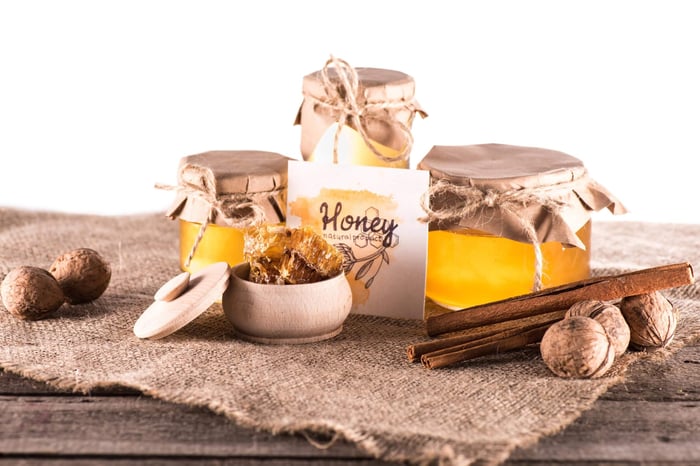
Raw Honey vs. Pure Honey: Their Differences, Benefits, and Selection
The Buzz About This Post
- Key Takeaways
- Table of Contents
- Understanding Raw Honey
- Understanding Pure Honey
- Health Benefits of Raw Honey
- Health Benefits of Pure Honey
- Raw Honey vs. Pure Honey
- How to Choose the Right Honey
- Potential Risks of Honey Consumption
- Which Honey Is the Better Choice?
- Frequently Asked Questions
- What is the main difference between raw honey and pure honey?
- Can honey be both raw and pure?
- Is all pure honey raw?
- Does crystallized honey mean it has spoiled?
- How can crystallized honey be made liquid again?
- Which is more Nutritional Raw Honey vs Pure Honey?
- Which honey is best for baking?
- Can infants eat pasteurized honey?
- Does pure honey contain added sugar?
- How should honey be stored?
- Sources and Further Reading
- FAQs
Key Takeaways
- Raw honey is defined mainly by how little it is processed.
- Pure honey is defined mainly by the absence of added ingredients.
- The word “pure” does not prove that honey is raw or unheated.
- Crystallization is a normal physical change and does not mean honey has spoiled.
- Flavor and color depend heavily on the nectar sources visited by the bees.
- Honey must not be given to children younger than 12 months.
- Both types still contain sugars and should be used in reasonable portions.
Honey has been valued for generations as a sweetener, cooking ingredient, and product of the beehive. Modern store shelves, however, can make a simple purchase feel surprisingly complicated. Labels may describe honey as raw, pure, natural, local, unfiltered, organic, or monofloral, even though those terms do not all describe the same characteristic.
The most useful place to begin is with a clear distinction: raw honey describes processing, while pure honey describes ingredients. Those qualities can overlap. Honey may be both raw and pure when it contains no added ingredients and receives minimal processing. Another honey may be pure because nothing has been added, yet not raw because it was heated or finely filtered before bottling.
Understanding Raw Honey
Raw honey is honey that reaches the jar with minimal processing and without conventional pasteurization, although exact handling practices can differ among beekeepers and packers.
Definition and Harvesting Process
Beekeepers commonly harvest honey by removing capped frames from a hive, uncapping the wax-covered cells, and placing the frames in an extractor. Centrifugal force moves the honey out of the comb while allowing the comb itself to remain largely intact. The collected honey may then be strained to remove pieces of beeswax and other visible hive material.
Raw honey is generally not subjected to the higher temperatures associated with pasteurization. Producers may still warm it gently to help with bottling, especially after crystallization has begun. Because no single consumer label explains every handling detail, shoppers who care about temperature should ask the producer how the honey was extracted, warmed, strained, and bottled.
Characteristics of Raw Honey
- Raw honey normally contains glucose, fructose, water, organic acids, enzymes, aroma compounds, and naturally occurring plant compounds.
- Its flavor and color reflect the flowers and plants available to the colony.
- Small particles of pollen or wax may remain after coarse straining.
- Natural variation between seasons and apiaries is expected.
- Crystallization may occur quickly or slowly depending on the honey's sugar profile and storage conditions.
A light clover honey may taste delicate and familiar, while buckwheat honey can be dark, malty, and noticeably stronger. Spring and fall harvests from the same apiary can also taste different because the bees may be working different nectar sources. That variation is one reason many people enjoy buying honey directly from beekeepers.
Understanding Pure Honey
Pure honey should contain honey and no added sugar syrup, flavoring, or other ingredient, but the term alone does not tell shoppers how much the honey was heated or filtered.
Definition and Processing
The everyday meaning of pure honey is straightforward: the container should hold honey rather than a blend of honey and another sweetener. That does not automatically make the product raw. A producer may warm honey to improve flow, filter it to create a clearer appearance, or blend compatible lots to achieve a more consistent flavor and color.
International guidance from the Codex Alimentarius establishes composition and quality provisions for honey. It states that honey sold as honey should not have food ingredients added to it and should not be processed to the point that its essential composition is changed. Exact labeling and legal requirements can vary by country and market, so the ingredient statement, producer information, and applicable regulations matter more than a single promotional word.
Characteristics of Pure Honey
- Pure honey should not contain added corn syrup, cane syrup, or other sweeteners.
- It may be sold in raw, gently warmed, filtered, or commercially processed forms.
- Fine filtration can create a clearer and more uniform appearance.
- Controlled heating can make bottling easier and delay visible crystallization.
- A pure-honey label does not identify the floral source unless the label provides that information separately.
Consistency can be useful when honey is purchased for recipes, restaurants, or everyday table use. It should not, however, be confused with proof of greater purity or better quality. Naturally cloudy or crystallized honey may be perfectly wholesome, and clear liquid honey may still have been heated or finely filtered.
Health Benefits of Raw Honey
Raw honey provides carbohydrates and contains naturally occurring plant compounds, but it should be treated as a food rather than a cure for disease.
Honey contains phenolic compounds and other constituents that demonstrate antioxidant activity in laboratory testing. The amount and type can vary substantially according to floral source, geography, storage, and processing. Darker color sometimes corresponds with greater measured antioxidant activity, but color alone cannot establish a specific health effect for an individual.
Honey also demonstrates antimicrobial activity under certain laboratory conditions. Its acidity, sugar concentration, low water availability, and naturally produced compounds can contribute to this behavior. These findings do not mean ordinary food-grade honey should be applied to wounds or used as a replacement for medical care. Medical-grade honey dressings are specially prepared products and are different from honey sold for eating.
Some clinical guidance recognizes honey as a possible option for soothing a cough in children old enough to consume it. Honey must never be given to an infant younger than 12 months. Persistent coughing, breathing difficulty, fever, dehydration, or other concerning symptoms require appropriate medical advice rather than self-treatment with honey.
Raw honey also supplies readily available carbohydrates, which can make it a convenient sweetener before or after physical activity. It is not a significant source of most vitamins or minerals in normal serving sizes, and broad claims that raw honey prevents cancer, treats infections, cures acid reflux, or “boosts” immunity are not supported strongly enough to be presented as established facts.
Browse available raw honey options from Lappe's Bee Supply when you want to compare varieties and available sizes.
Health Benefits of Pure Honey
Pure honey remains a natural sweetener even when it is filtered or warmed, although processing conditions may affect some enzymes and heat-sensitive compounds.
Pure honey's primary nutritional contribution is carbohydrate, especially fructose and glucose. It can replace granulated sugar in tea, sauces, marinades, dressings, and baked goods, but it is still a source of sugar and calories. Calling honey “natural” does not make unlimited portions appropriate.
Processing does not remove every naturally occurring compound from honey. However, research indicates that elevated temperatures and prolonged heating can change enzyme activity, phenolic profiles, aroma, color, and other quality indicators. The effect depends on the temperature, duration, honey variety, and storage history. It is therefore too broad to claim that all pure honey has fewer beneficial compounds than all raw honey.
Pure honey's greatest practical advantages are predictability and convenience. A smooth, pourable product is easy to measure, blend, and use in recipes. Fine filtration may also produce the clear appearance many shoppers expect from commercial honey.
Browse available pure honey options from Lappe's Bee Supply to review current selections.
Raw Honey vs. Pure Honey
Raw and pure are not opposing grades: raw describes limited processing, while pure describes a product without added ingredients.
| Comparison Point | Raw Honey | Pure Honey |
|---|---|---|
| Primary meaning | Minimally processed honey that is generally not pasteurized | Honey without added syrups, sweeteners, or other ingredients |
| Can it be heated? | May be gently warmed, depending on the producer | May be warmed or pasteurized |
| Can it be filtered? | Usually strained or lightly filtered | May be lightly or finely filtered |
| Flavor | Often reflects seasonal and floral variation | May be natural and variable or blended for consistency |
| Appearance | May be cloudy, opaque, or crystallized | Often clear and uniform, but appearance varies |
| Crystallization | Common and sometimes noticeable sooner | Still possible, even when processing delays it |
| Added sweeteners | Should not contain them | Should not contain them |
| Useful for | Direct eating, tasting floral differences, and minimal-processing preferences | Cooking, baking, pouring, and shoppers who value consistency |
The table illustrates why the labels can overlap. A beekeeper may extract honey, strain out wax, bottle it without high heat, and sell it as both raw and pure. A larger packer may sell honey containing no added ingredients after warming and fine filtration; that product can be pure without being described as raw.
How to Choose the Right Honey
Choose honey by matching verified processing, flavor, origin, and intended use to your priorities instead of relying on one front-label term.
A Simple Honey-Buying Checklist
- Read the ingredient statement. Honey should be the only listed ingredient when you want an unblended honey product.
- Look for processing details. Check whether the producer identifies the honey as raw, strained, filtered, gently warmed, or pasteurized.
- Consider the floral source. Clover, wildflower, orange blossom, buckwheat, and other varieties can have noticeably different flavors.
- Check the origin. A clearly identified beekeeper, apiary, region, or country provides useful traceability.
- Match the honey to its use. Strong honey can stand out in sauces, while mild honey may be preferred in tea or baking.
- Expect natural crystallization. Do not reject quality honey only because crystals have formed.
Choose Raw Honey When
- You prefer minimal processing.
- You enjoy seasonal flavor differences.
- You plan to drizzle or eat honey directly.
- You are comfortable with natural crystallization.
Choose Pure Honey When
- You want honey with no added sweeteners.
- You value a smooth, consistent texture.
- You frequently cook or bake with honey.
- You prefer a predictable flavor and appearance.
Price can reflect floral source, location, crop size, packaging, labor, certification, and the scale of production. A higher price does not automatically prove that honey is raw, local, or superior. Transparent sourcing and processing information provide more useful evidence than premium-looking packaging.
Potential Risks of Honey Consumption
Honey is safe for most older children and adults, but it is unsuitable for infants and remains a concentrated source of sugar.
Critical Infant Safety Warning
Do not give honey to a child younger than 12 months. This includes raw honey, pasteurized honey, foods intentionally sweetened with honey, and pacifiers dipped in or filled with honey. Honey may contain spores associated with infant botulism.
Blood Sugar and Portion Size
Honey contains glucose and fructose and can raise blood glucose. People managing diabetes or another condition affected by carbohydrate intake should account for honey in their eating plan and follow guidance from a qualified healthcare professional. Replacing table sugar with honey does not make the resulting food sugar-free.
Allergies and Sensitivities
Allergic reactions to honey are uncommon but possible. People with known reactions to bee products, pollen-related materials, or components in a specific honey should seek individual medical guidance. Stop eating the product and seek appropriate help if symptoms of a serious allergic reaction develop.
Cooking and Heating
Honey can be used safely in ordinary cooking and baking. Heating may change flavor, aroma, color, enzyme activity, and other quality characteristics, but it does not transform genuine honey into an unsafe food under normal culinary conditions. Avoid placing a closed honey container in a microwave, and follow the container manufacturer's handling directions.
Storage and Crystallization
Store honey tightly covered at room temperature in a dry location. Honey naturally absorbs moisture, so leaving a container open can affect its quality. To soften crystallized honey, place the closed container in warm water and stir the honey when practical. Gentle warming protects flavor better than intense, prolonged heat.
Which Honey Is the Better Choice?
Neither label is universally better; the right choice depends on whether you value minimal processing, ingredient purity, distinctive flavor, or a consistent texture.
Select raw honey when you want a product that stays close to its condition after extraction and you appreciate natural changes in color, flavor, and texture. Select pure honey when your main requirement is avoiding added sweeteners and you prefer a convenient, predictable product for everyday use.
The strongest buying decision comes from more than the words on the front label. Read the ingredient statement, investigate the producer, review the stated floral source and origin, and look for a clear description of the processing method. A trustworthy seller should be able to explain what is in the jar and how it reached the bottle.
Frequently Asked Questions
What is the main difference between raw honey and pure honey?
Raw honey is identified mainly by minimal processing. Pure honey is identified mainly by containing honey without added sweeteners or other ingredients.
Can honey be both raw and pure?
Yes. Honey can be both raw and pure when it contains no added ingredients and is bottled with minimal processing and without pasteurization.
Is all pure honey raw?
No. Pure honey may be heated or finely filtered while still containing only honey.
Does crystallized honey mean it has spoiled?
No. Crystallization is a natural physical change caused mainly by the sugars in honey and does not by itself indicate spoilage.
How can crystallized honey be made liquid again?
Place the closed container in warm water and allow the crystals to dissolve gradually. Avoid intense or prolonged heating when preserving aroma and quality is important.
Which is more Nutritional Raw Honey vs Pure Honey?
Raw honey may retain more heat-sensitive enzyme activity, but composition varies by floral source, handling, temperature, and storage. Neither label guarantees a specific nutritional result.
Which honey is best for baking?
Either type can be used for baking. A smooth, consistently processed pure honey may be easier to measure, while raw honey can contribute a more distinctive flavor.
Can infants eat pasteurized honey?
No. Children younger than 12 months should not receive raw, pasteurized, cooked, or processed honey because of the risk of infant botulism.
Does pure honey contain added sugar?
A product accurately represented as pure honey should not contain added sugar syrup or another sweetener. Check the ingredient statement and purchase from a transparent seller.
How should honey be stored?
Keep honey tightly covered in a dry location at normal room temperature. Refrigeration is unnecessary and may accelerate crystallization.
Sources and Further Reading
- Codex Alimentarius Commission — Standard for Honey, CXS 12-1981
- Centers for Disease Control and Prevention — Foods and Drinks to Avoid or Limit for Infants and Young Children
- Centers for Disease Control and Prevention — Botulism Prevention
- U.S. Food and Drug Administration — Food Safety for Pregnant Women, Their Unborn Babies, and Children Under Five
- National Library of Medicine — Analysis of the Impacts of Temperature on Honey
- National Library of Medicine — Antimicrobial and Antioxidant Activity of Different Honey Samples
Consult a qualified healthcare professional for advice about allergies, diabetes, infant feeding, persistent coughing, or any medical condition.
Return to the topFAQs
What is the main difference between raw honey and pure honey?
Raw honey is identified mainly by minimal processing. Pure honey is identified mainly by containing honey without added sweeteners or other ingredients.
Can honey be both raw and pure?
Yes. Honey can be both raw and pure when it contains no added ingredients and is bottled with minimal processing and without pasteurization.
Is all pure honey raw?
No. Pure honey may be heated or finely filtered while still containing only honey.
Does crystallized honey mean it has spoiled?
No. Crystallization is a natural physical change caused mainly by the sugars in honey and does not by itself indicate spoilage.
How can crystallized honey be made liquid again?
Place the closed container in warm water and allow the crystals to dissolve gradually. Avoid intense or prolonged heating when preserving aroma and quality is important.
Is raw honey more nutritious than pure honey?
Raw honey may retain more heat-sensitive enzyme activity, but composition varies by floral source, handling, temperature, and storage. Neither label guarantees a specific nutritional result.
Which honey is best for baking?
Either type can be used for baking. A smooth, consistently processed pure honey may be easier to measure, while raw honey can contribute a more distinctive flavor.
Can infants eat pasteurized honey?
No. Children younger than 12 months should not receive raw, pasteurized, cooked, or processed honey because of the risk of infant botulism.
Does pure honey contain added sugar?
A product accurately represented as pure honey should not contain added sugar syrup or another sweetener. Check the ingredient statement and purchase from a transparent seller.
How should honey be stored?
Keep honey tightly covered in a dry location at normal room temperature. Refrigeration is unnecessary and may accelerate crystallization.