Welcome to Lappe's Bee Supply's blogs section. We are a trusted beekeeping company in the USA. We give relevant insights, seasonal guidance, and professional advice for beekeepers of all experience levels. From hive management and bee wellness to honey production and equipment guides, we have it all that you will require to thrive. Get updated, motivated, and connected with the beekeeping community through regular news from Lappe's Bee Supply.
How to Requeen a Hive: A Clear Guide for Beekeepers
The Buzz About This Post
- Key Takeaways
- What does requeening mean in beekeeping?
- Why does queen quality affect the whole hive?
- When should you requeen a hive?
- How do you choose the right replacement queen?
- What is the safest way to introduce a new queen?
- Which requeening method should you use?
- How do you requeen by making a split?
- How do you know the new queen was accepted?
- What problems can happen during requeening?
- What should you record after requeening?
- Frequently Asked Questions
- Sources and Further Reading
- Table of Contents
- FAQs
How to Requeen a Hive: A Clear Guide for Beekeepers
This is one of the most useful queen-management skills a beekeeper can learn. A good queen helps a colony maintain brood production, social order, temperament, and genetic direction. A failing queen can leave the hive weak, defensive, irregular, or unable to rebuild its population at the right time of year.
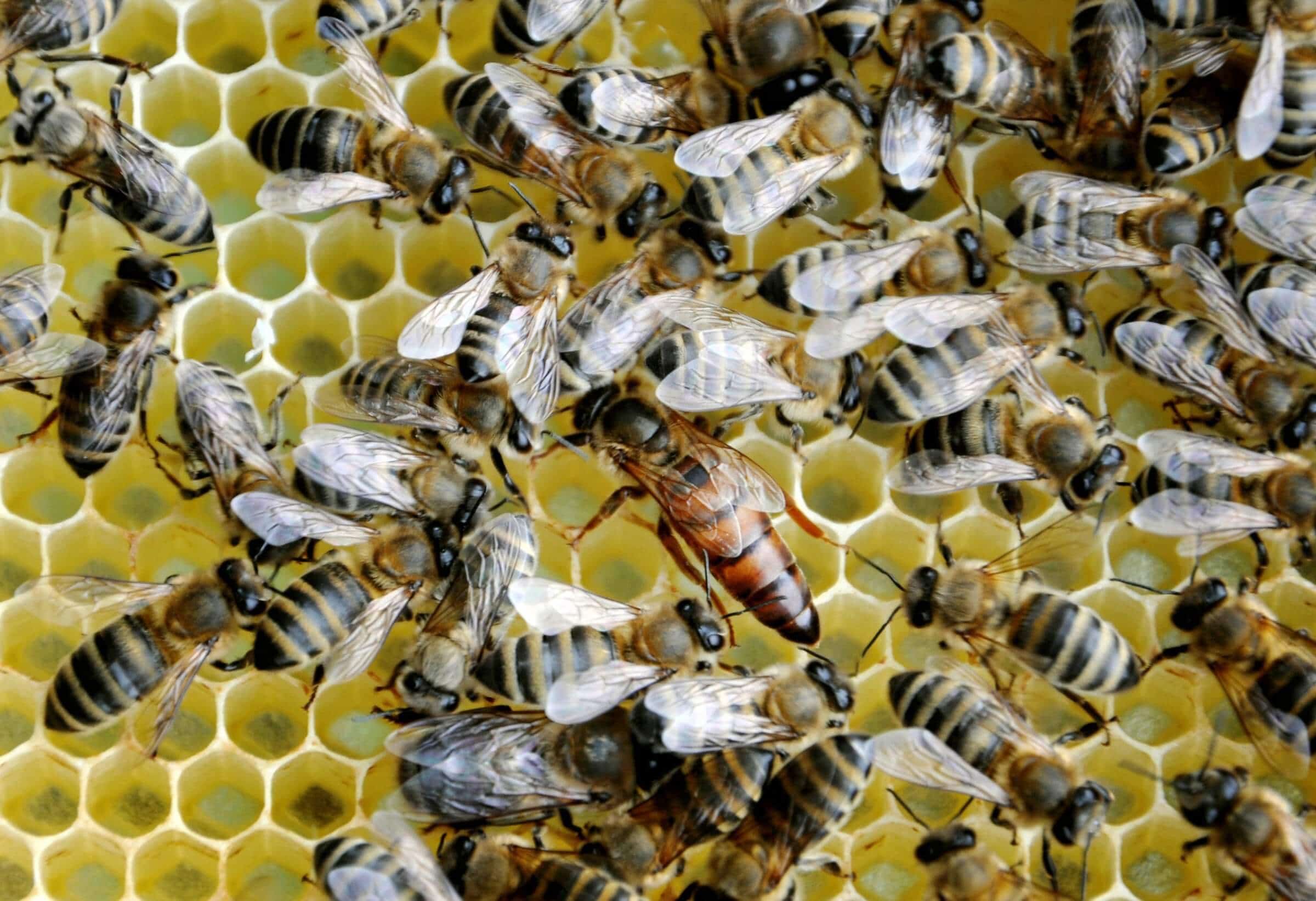
Definition: Requeening means deliberately replacing a honey bee colony’s queen with a new queen. A queenright colony has a functioning queen. A queenless colony does not. Queen acceptance means workers tolerate, feed, and allow the new queen to begin laying. A brood pattern is the visible pattern of eggs, larvae, and capped brood across the comb. A split is a managed division of one colony into two units, each with a queen or a reliable path to a queen.
Key Takeaways
Requeening replaces the queen, not the entire colony, and works best when the beekeeper diagnoses the hive before introducing a replacement.
- How to requeen a hive is a queen-management decision, not a first response to every weak hive.
- A queen problem should be separated from Varroa, disease, nutrition, weather, and handling problems.
- Slow cage introduction is usually safer than immediate release.
- Fresh eggs and young larvae are stronger acceptance signs than simply seeing the queen.
- Splits can requeen a colony, expand an apiary, or help manage swarm pressure.
- Good queen records make future decisions about queen sources, timing, and introduction methods easier.
What does requeening mean in beekeeping?
Requeening is replacing a hive’s queen to improve laying, temperament, genetics, swarm control, or colony stability.
What to know
- Requeening is planned queen replacement.
- The colony remains in place; the queen changes.
- The new queen may be purchased, raised by the colony, or introduced through a split.
- The goal is better colony function, not unnecessary disturbance.
- Good requeening starts with diagnosis, not guesswork.
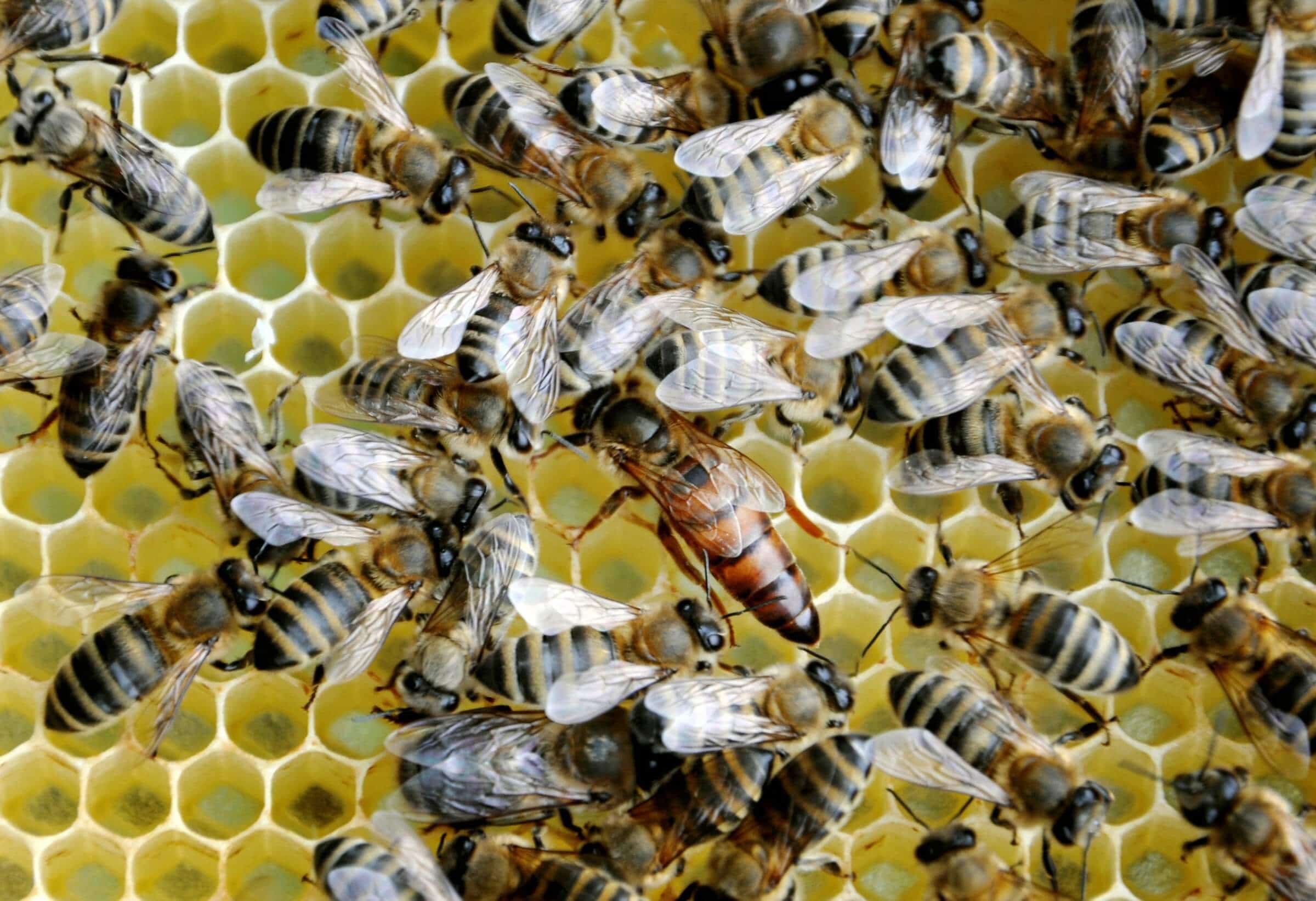
In a managed honey bee colony, the queen is the primary egg layer and a major source of regulatory pheromones. UF/IFAS Extension explains that the queen lays eggs and emits pheromones that help manage the colony. Under favorable conditions, a strong queen can lay up to 2,000 eggs daily.1
Requeening becomes useful when the current queen no longer supports the colony’s needs. That may happen because she is aging, injured, missing, poorly mated, genetically undesirable, or associated with repeated management problems. The beekeeper’s job is to decide whether the queen is truly the cause before replacing her.
Why does queen quality affect the whole hive?
Queen quality shapes brood volume, worker replacement, pheromone balance, temperament, and the inherited traits of future workers.
What to know
- A queen’s laying rate affects the future worker population.
- Queen pheromones help maintain colony organization.
- Queen genetics influence inherited traits such as gentleness and productivity.
- A poor queen can cause slow decline before the hive looks obviously queenless.
- Brood pattern matters, but it should not be the only diagnostic clue.
A honey bee colony functions as one living system. When the queen lays steadily, the hive can maintain a balanced workforce of nurse bees, house bees, guards, foragers, and replacement workers. When egg laying declines or becomes irregular, the colony may not have enough young bees to care for brood or enough foragers to support growth.
Queen quality also affects manageability. Some colonies become difficult to inspect because of persistent defensiveness, poor brood replacement, or repeated swarm pressure. Requeening does not solve every hive problem, but it is one of the few management tools that can change both the colony’s reproductive engine and its genetic direction.
When should you requeen a hive?
Requeen when poor laying, queen loss, repeated defensiveness, swarm pressure, or planned genetic improvement justifies replacement.
What to know
- Persistent spotty brood is a reason to investigate, not automatic proof of queen failure.
- A confirmed queenless hive needs a viable queen path quickly.
- Repeated defensiveness may justify requeening when genetics are likely involved.
- Some beekeepers requeen on a schedule; others requeen only when performance declines.
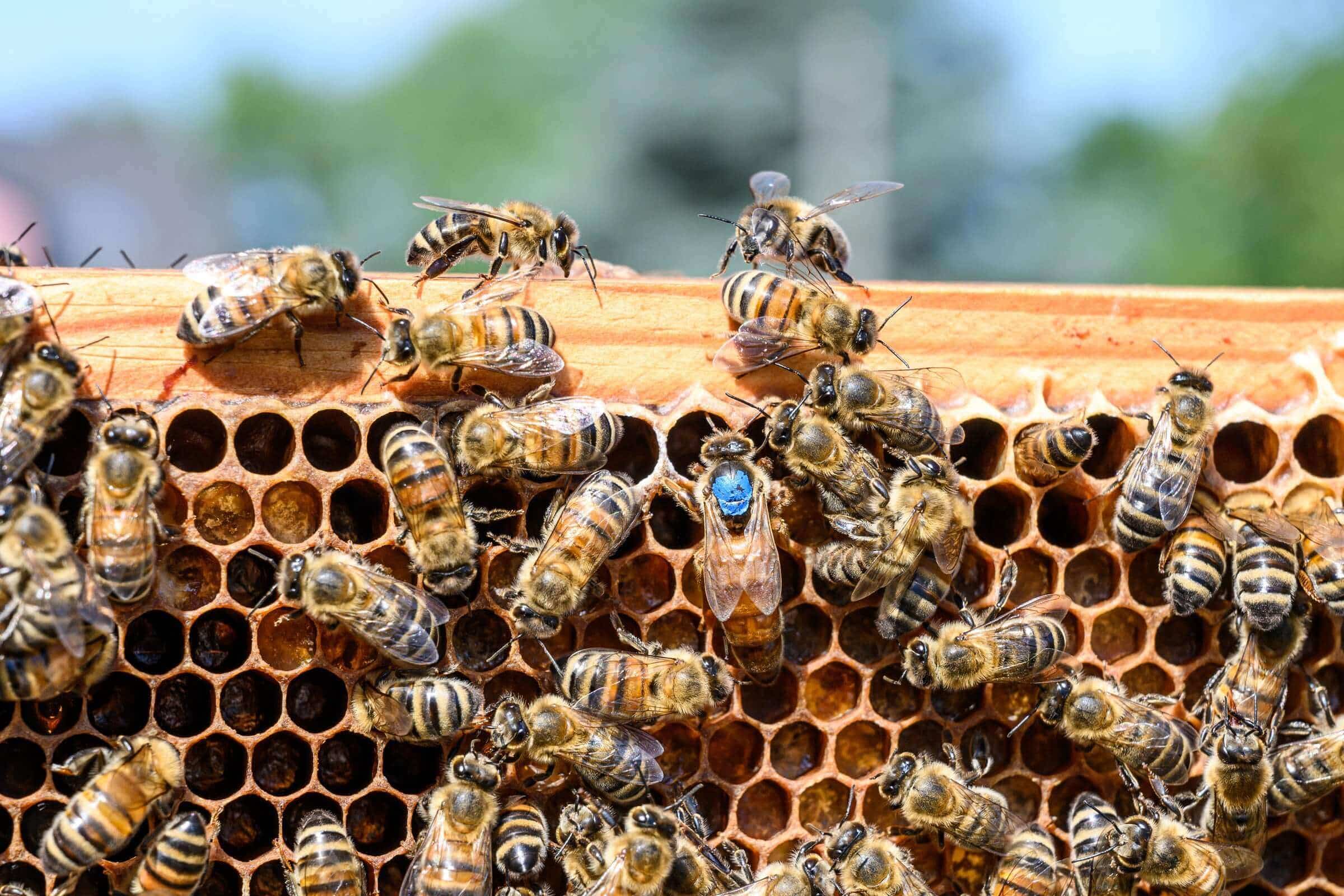
- Weak, hungry, diseased, or mite-loaded colonies may reject a new queen more easily.
UF/IFAS Extension describes requeening as a way to maintain manageable colonies and notes that late spring or early summer can be a useful window because queens and drones are often available. Other regional guidance may recommend different timing, so local climate, nectar flow, queen availability, and winter-preparation goals matter.1 2
Good reasons to requeen include a failing queen, a missing queen, a consistently poor brood nest after other problems are ruled out, unsafe defensiveness, swarm-management goals, or a deliberate move toward better genetics. Poor weather, low food, Varroa pressure, chilled brood, pesticide exposure, and brood disease can all create symptoms that look like a queen problem.
How do you choose the right replacement queen?
Choose a healthy, mated queen from reliable stock that fits the goal: gentleness, productivity, wintering, or mite tolerance.
What to know
- A mated queen is usually the fastest route back to egg laying.
- Match the queen to the problem you are trying to solve.
- Gentleness matters for backyard, teaching, and neighborhood apiaries.
- Regional performance matters because queen lines do not perform identically in every climate.
- Record queen source so future buying decisions are evidence-led.
Selecting a queen is also selecting genetics. Beekeepers may want calmer bees, stronger brood production, better wintering, hygienic behavior, or improved pest tolerance. UF/IFAS advises buying queens from reputable breeders to reduce the risk of unwanted genetics or disease introduction.1
When ordering a queen, confirm delivery timing before removing the old queen. A replacement queen should arrive alive, vigorous, and protected in a cage. If the queen appears dead, weak, overheated, chilled, or damaged, do not install her and hope for the best. Contact the supplier and protect the colony with an appropriate backup plan.
Need queen-introduction supplies?
Queen cages, queen clips, marking tools, and related equipment make requeening easier to manage. Review available queen rearing and queen management supplies before opening the hive.
What is the safest way to introduce a new queen?
Slow cage introduction protects the queen while workers recognize queenlessness, adjust to her scent, and begin feeding her.
What to know
- Remove the old queen before introducing the replacement.
- Use a cage to protect the new queen during the first acceptance period.
- Place the cage near brood and nurse bees when possible.
- Avoid repeated inspections while the colony is adjusting.
- Never release a queen while workers are biting or balling the cage.
- Confirm release and laying after the waiting period.
Queen introduction is delicate because workers may reject, injure, or kill an unfamiliar queen. Purdue Extension explains that successful integration depends on worker acceptance and acclimation, and recommends confirming queenlessness, removing queen cells, and giving the colony time to recognize the absence of its queen before introduction.3
The University of Guelph Honey Bee Research Centre describes gradual cage release as protective because immediate exposure can cause workers to kill the new queen. It also recommends placing the queen near capped brood and leaving the colony undisturbed for about a week before checking for eggs.4
Step-by-step queen introduction checklist
- Inspect the colony and confirm that queen replacement is the right action.
- Find the old queen and remove her carefully with a queen clip or cage.
- Record the date, hive number, queen source, and reason for requeening.
- Check for queen cells and manage them according to your introduction plan.
- Keep the replacement queen protected in her cage until installation.
- Place the caged queen in the brood nest near nurse bees and capped brood.
- Keep the release end accessible so workers can gradually free the queen.
- Close the hive gently and avoid unnecessary disturbance during acceptance.
- Return after the waiting period to check queen release, eggs, larvae, and worker behavior.
Which requeening method should you use?
The best method depends on colony strength, season, queen value, beekeeper skill, equipment, and how much risk the queen can tolerate.
What to know
- Caged introduction works well for many routine replacements.
- Push-in cages add protection for high-value or difficult introductions.
- Purchased-queen splits combine requeening with apiary expansion.
- Walk-away splits cost less but take longer.
- Nuc-assisted requeening can stabilize difficult queen transitions.
Purdue Extension describes multiple queen introduction methods, including candy-plug cages, push-in cages, and direct transfer. Direct transfer is generally not recommended except in narrow conditions. Penn State Extension describes push-in cages as useful for protecting queens while giving access to brood, food, and worker contact.3 8
| Method | Best use | Main advantage | Main risk |
|---|---|---|---|
| Caged queen introduction | Routine queen replacement | Uses a known queen and supports gradual acceptance | Workers may reject her if the colony is not ready |
| Push-in cage introduction | Valuable queens or difficult colonies | Protects the queen while allowing contact, food access, and laying space | Requires careful comb placement and close handling |
| Purchased-queen split | Expansion plus requeening | Creates a new colony with known queen stock | Needs enough brood, food, and bees to support both units |
| Walk-away split | Letting bees raise their own queen | Lower queen purchase cost | Delayed brood production and mating uncertainty |
| Nuc-assisted requeening | Weak or unstable queen transitions | Adds bees, brood, and an established queen | Requires extra equipment, timing, and colony resources |
How do you requeen by making a split?
A split can requeen and expand an apiary when each unit receives brood, nurse bees, food, equipment, and a queen path.
What to know
- Only split colonies that are strong enough to spare brood and bees.
- Each new unit needs brood, nurse bees, food stores, and enough population.
- A split can receive a purchased queen or raise its own queen.
- Relocation or spacing can reduce foragers drifting back to the parent hive.
- Walk-away splits require more time because the queen must develop, mate, and begin laying.
Utah State University Extension explains that split methods depend on whether the beekeeper can locate the queen, wants to buy a younger queen, or wants the colony to raise its own queen. USU also warns that weak hives should not be split and states that each colony needs a queen, adequate honey, and enough population to care for developing brood.5
To make a split, start with a strong parent colony that has a good bee population, brood in multiple stages, and adequate food. Move selected brood frames, nurse bees, honey, and pollen into new equipment. Then either introduce a purchased queen in a cage or allow the queenless portion to raise a queen from suitable young brood. Do not split a weak colony simply because it needs help; that can create two struggling colonies instead of one recoverable hive.
How do you know the new queen was accepted?
Confirm acceptance by finding fresh eggs, young larvae, normal worker behavior, and a developing brood pattern after release.
What to know
- Fresh eggs are stronger evidence than seeing the queen alone.
- Young larvae show the queen has been laying beyond one moment.
- Calm workers around the brood nest suggest acceptance.
- Biting, balling, or aggressive clustering suggests danger.
- Repeated early inspections can disrupt the acceptance period.
The University of Guelph Honey Bee Research Centre recommends leaving the colony undisturbed for about a week after introduction, then checking for eggs. Its protocol notes that beekeepers do not always need to find the queen if eggs are present.4 Purdue Extension recommends checking for eggs, larvae, and brood after release and warns that rejection may show up as aggression or a dead queen.3
Queen acceptance record
- Hive number or colony name
- Old queen removed date
- New queen source and strain
- Queen installed date
- Queen released date
- Eggs observed date
- Larvae observed date
- Temperament after requeening
- Brood pattern at follow-up inspection
What problems can happen during requeening?
Requeening can fail when workers reject the queen, queen cells remain, laying workers develop, or colony stress stays unresolved.
What to know
- Workers may reject, injure, or kill a new queen.
- Queen cells can interfere with introduction plans.
- Laying workers can make queen acceptance harder.
- Heavy mite pressure or disease can make a colony too stressed to accept well.
- Poor weather, low food, and rough handling can reduce success.
Purdue Extension lists common reasons queens are rejected, including a colony that is not actually queenless, a colony that has been queenless longer than expected, or queen cells being present at introduction.3 Before installing another queen, inspect carefully and correct the actual cause.
Varroa pressure can also confuse the diagnosis. NC State Extension lists Varroa symptoms that include adult bee decline, deformed wings, reduced brood area, and spotty brood pattern.6 The Honey Bee Health Coalition also maintains Varroa management resources for beekeepers who need sampling and control guidance.7
What should you record after requeening?
Record queen source, dates, release status, eggs, larvae, brood pattern, temperament, mite counts, and later colony performance.
What to know
- Track the reason for requeening before judging the result.
- Separate immediate queen acceptance from long-term queen performance.
- Record queen source so you can compare breeders and stock lines.
- Note temperament, brood pattern, mite counts, and production over time.
- Good records prevent repeat purchases from poor-performing queen sources.
Queen records turn requeening from guesswork into management. A queen may be accepted quickly but still perform poorly later. Another queen may start slowly and become excellent once weather, food, and brood nest conditions improve. Without records, those differences are easy to forget by the next season.
UF/IFAS Extension explains that marking queens helps beekeepers identify queens and track age.1 Even if you do not mark queens, keep a hive log with the queen source, introduction method, dates, weather, release status, eggs, larvae, brood pattern, temperament, and mite-monitoring notes.
Frequently Asked Questions
These answers cover timing, queen removal, acceptance signs, splits, temperament, missing eggs, and common requeening failure risks.
What does requeening mean in beekeeping?
Requeening means replacing a colony’s existing queen with a new queen to improve laying, temperament, colony stability, or genetics.
How often should a beekeeper requeen a hive?
Some beekeepers requeen annually or every one to two years, while others replace queens only when performance, temperament, or queen status creates a management problem.
What are the signs that a hive needs requeening?
Common signs include poor brood pattern, reduced egg laying, queen loss, repeated defensiveness, swarm pressure, or the need for improved genetics.
Should the old queen be removed before introducing a new queen?
Yes. A colony is more likely to accept a replacement queen when the old queen is removed and workers recognize queenlessness.
What is the safest way to introduce a new queen?
A protected, gradual cage introduction is usually safest because it gives workers time to adjust before the queen is fully released.
What is the best sign that a new queen was accepted?
Fresh eggs and young larvae are strong signs that the queen was accepted and has started laying.
Can bees raise their own queen instead of receiving a purchased queen?
Yes. A colony can raise a queen if it has suitable young brood, enough bees, enough food, and enough time for queen development and mating.
Can requeening fix an aggressive colony?
Requeening can improve temperament when defensiveness is linked to genetics, but pests, disease, weather, crowding, and handling can also make bees defensive.
What should I do if there are no eggs after requeening?
Check whether the queen is alive, released, and accepted. Then look for queen cells, laying workers, mite pressure, disease signs, and food stress.
Can a weak hive be split to requeen it?
Usually no. A weak hive should not be split unless both resulting units can support brood, bees, food, equipment, and a reliable queen path.
Sources and Further Reading
- The Basics of Queen Management in Beekeeping Operations, University of Florida IFAS Extension.
- Requeening a Beehive, University of Florida IFAS Extension.
- Methods of Introducing Queens, Purdue University Extension and Penn State University.
- Re-Queening, Honey Bee Research Centre, University of Guelph.
- Splitting a Beehive, Utah State University Extension.
- Disease Management and Guidelines for the Honey Bee, NC State Extension.
- Varroa Management Resources, Honey Bee Health Coalition.
- Honey Bee Insemination: Installing a Queen Using a Push-in Cage, Penn State Extension.
- Is the Brood Pattern within a Honey Bee Colony a Reliable Indicator of Queen Quality?, Insects.
Editorial standards: This article uses university extension, institutional, and peer-reviewed references where possible. Regional beekeeping conditions vary, so local extension guidance, state apiary regulations, and experienced local mentors should be considered before applying queen-management advice.
FAQs
What does requeening mean in beekeeping?
Requeening means replacing a colony’s existing queen with a new queen to improve laying, temperament, colony stability, or genetics.
How often should a beekeeper requeen a hive?
Some beekeepers requeen annually, while others replace queens only when the queen fails, disappears, or creates a management problem.
What are the signs that a hive needs requeening?
Common signs include poor brood pattern, reduced egg laying, queen loss, repeated defensiveness, swarm pressure, or the need for improved genetics.
Should the old queen be removed before introducing a new queen?
Yes. A colony is more likely to accept a replacement queen when the old queen is removed and workers recognize queenlessness.
What is the safest way to introduce a new queen?
A protected, gradual cage introduction is usually safest because it gives workers time to adjust before the queen is fully released.
What is the best sign that a new queen was accepted?
Fresh eggs and young larvae are strong signs that the queen was accepted and has started laying.
Can bees raise their own queen instead of receiving a purchased queen?
Yes. A colony can raise a queen if it has suitable young brood, enough bees, enough food, and enough time for queen development and mating.
Can requeening fix an aggressive colony?
Requeening can improve temperament when defensiveness is linked to genetics, but pests, disease, weather, crowding, and handling can also make bees defensive.
What should I do if there are no eggs after requeening?
Check whether the queen is alive, released, and accepted. Then look for queen cells, laying workers, mite pressure, disease signs, and food stress.
Can a weak hive be split to requeen it?
Usually no. A weak hive should not be split unless both resulting units can support brood, bees, food, equipment, and a reliable queen path.