Welcome to Lappe's Bee Supply's blogs section. We are a trusted beekeeping company in the USA. We give relevant insights, seasonal guidance, and professional advice for beekeepers of all experience levels. From hive management and bee wellness to honey production and equipment guides, we have it all that you will require to thrive. Get updated, motivated, and connected with the beekeeping community through regular news from Lappe's Bee Supply.

How Many Bee Colonies Should a Beekeeper Keep??
The Buzz About This Post
- Table of Contents
- Key Takeaways
- What Is a Bee Colony in Beekeeping?
- How Many Bee Colonies Should a Beginner Start With?
- How Does Experience Level Affect Recommended Colony Count?
- How Many Colonies Can One Beekeeper Realistically Manage?
- What Colony Count Fits Different Beekeeping Goals?
- How Do Environmental Conditions Limit Colony Numbers?
- What Equipment and Budget Should Beekeepers Plan For?
- Why Is Local Beekeeping Community Support Important?
- How Should Beekeepers Adjust Colony Numbers Seasonally?
- What Is the Best Starting Point for Most Beekeepers?
- Frequently Asked Questions
- How many beehives should a beginner start with?
- Can one person manage 20 beehives?
- Is one beehive enough for honey?
- Do more bee colonies always mean more honey?
- How often should bee colonies be inspected?
- How many colonies are considered commercial beekeeping?
- Can urban beekeepers keep multiple colonies?
- What is the biggest mistake when expanding an apiary?
- Sources and Further Reading
- FAQs
How Many Bee Colonies Should a Beekeeper Have?
The ideal number of bee colonies depends on your experience, available time, forage, equipment, budget, and goals. Most beginners should start small, learn the rhythm of colony care, and expand only when inspections, pest control, and seasonal management feel consistent.
Key Takeaways
- Most new beekeepers should begin with two bee colonies so they can compare hive strength, brood patterns, and queen performance.
- A bee colony is one managed hive unit with a queen, workers, drones, brood, food stores, and seasonal population changes.
- Hobby beekeepers commonly manage 1 to 5 colonies, while sideline beekeepers may manage 10 to 30 colonies.
- Commercial beekeeping requires more colonies, specialized equipment, transportation, and labor support.
- More bee colonies increase inspection time, mite monitoring, feeding, equipment storage, and extraction demands.
- Local forage, bloom timing, weather, and apiary density should limit colony expansion more than enthusiasm alone.
What Is a Bee Colony in Beekeeping?
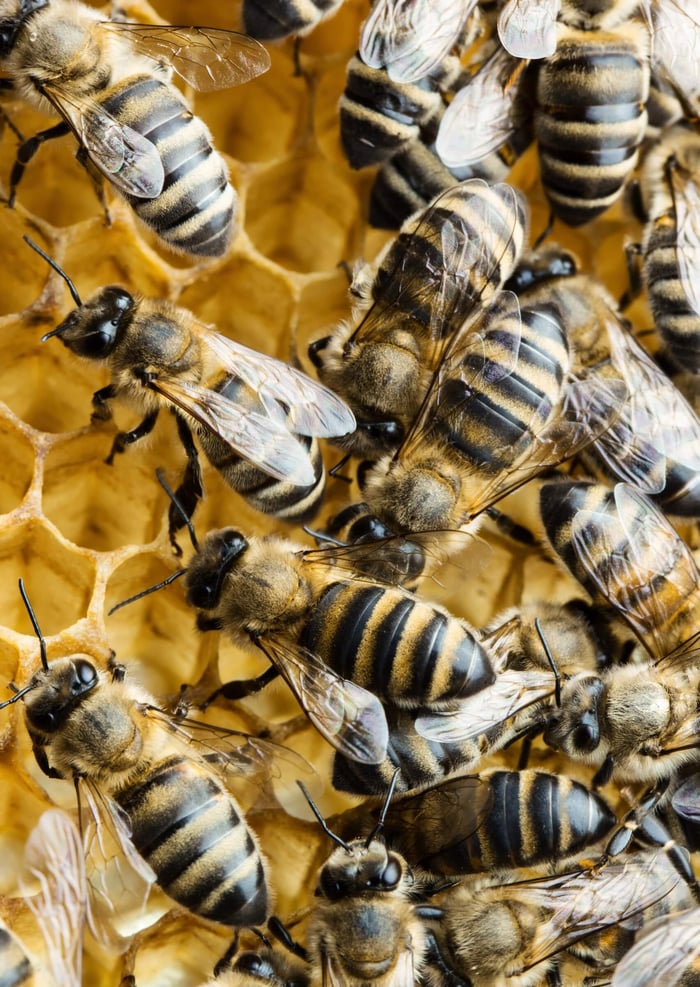
Answer: A bee colony is one managed hive unit with a queen, workers, drones, brood, food stores, and seasonal population changes.
- A colony usually has one laying queen, many worker bees, and seasonal drones.
- Worker bees forage, feed brood, build comb, regulate temperature, and defend the hive.
- Colony strength changes with nectar flow, weather, queen quality, disease pressure, and management.
- Beekeepers usually count colonies by managed hive units, not by individual bees.
In practical beekeeping, a colony means one managed hive of honey bees. It is not just a box of bees; it is a living unit with a reproductive queen, developing brood, stored food, and workers performing different jobs. A strong colony in spring may grow quickly and need more space, while a weak colony in fall may need feeding, mite control, or combining. This definition matters because every colony adds another unit of inspection, equipment, recordkeeping, and seasonal risk.
How Many Bee Colonies Should a Beginner Start With?
Answer: Most beginners should start with two bee colonies because comparisons make hive problems easier to spot and reduce total-loss risk.
- Two bee colonies let beginners compare brood pattern, temperament, food stores, and growth rate.
- A second colony can sometimes provide brood, eggs, or food resources to support a weaker hive.
- One colony is easier to manage, but it gives beginners no side-by-side reference point.
- More than two colonies can overwhelm new beekeepers before inspection skills become consistent.
A first-year beekeeper can start with one colony, but two colonies usually teach more and provide a practical safety net. If one hive looks unusual, the second hive gives you a real comparison in the same weather and forage conditions. Two colonies also help beginners learn what healthy eggs, larvae, capped brood, food stores, queen behavior, and colony buildup should look like. Start with equipment, time, and support in place before adding more.
How Does Experience Level Affect Recommended Colony Count?
Answer: Experienced beekeepers can manage more colonies because they identify queen issues, swarming, disease, and mite pressure earlier.
- Beginners usually need more time to inspect each frame and interpret colony behavior.
- Experienced beekeepers are more likely to recognize queen failure, brood disease, and swarm preparation.
- Advanced skills such as splitting, requeening, and queen rearing make larger apiaries easier to manage.
- Colony expansion should follow proven management consistency, not just available yard space.
Experience changes how many bee colonies feel manageable. A new beekeeper may spend a long time in one hive and still feel unsure about what they saw. An experienced beekeeper can often identify the colony’s condition faster, make a clear decision, and move on. That difference matters during spring buildup, swarm season, honey flow, and fall mite control. Add colonies gradually after you can inspect confidently, keep useful notes, and respond to problems on schedule.
How Many Colonies Can One Beekeeper Realistically Manage?
Answer: One beekeeper can often manage 5 to 15 colonies as a hobby, while larger apiaries require systems, equipment, and help.
- Active-season inspections are commonly needed every 7 to 10 days, depending on conditions and goals.
- Each added colony increases inspection time, mite monitoring, feeding, recordkeeping, and lifting.
- Large apiaries need organized equipment storage, extraction space, transportation, and backup supplies.
- Add your average inspection time per hive from Lappe’s Bee Supply customer or staff experience.
The realistic number depends on your schedule as much as your skill. Five colonies can feel easy in a quiet week and difficult during swarm season, honey harvest, or mite-treatment windows. Hobby beekeepers with full-time jobs often stay in the 1 to 15 colony range. Sideline and commercial beekeepers can manage far more, but they usually rely on efficient workflows, extra equipment, trailers, extraction systems, and help during peak seasons.
What Colony Count Fits Different Beekeeping Goals?
Answer: Colony count should match the beekeeper’s goal because hobby, sideline, pollination, and commercial operations need different scale.
- Hobby beekeepers often value learning, pollination, observation, and household honey.
- Sideline beekeepers may need enough colonies to support honey, wax, nuc, or local product sales.
- Commercial beekeepers need scale, transportation, labor, and consistent colony strength.
- Pollination-focused operations must manage colonies for strength at crop bloom, not only honey yield.
| Beekeeping Goal | Typical Colony Range | Best Fit | Main Management Pressure |
|---|---|---|---|
| Beginner learning | 1 to 2 colonies | First-year beekeepers | Learning inspections and seasonal timing |
| Hobby beekeeping | 1 to 5 colonies | Backyard and small-apiary keepers | Routine care, winter survival, and basic honey harvest |
| Serious hobby or sideline | 10 to 30 colonies | Local honey, wax, nuc, or small sales | Time, equipment storage, extraction, and mite control |
| Commercial production | 50 to 500+ colonies | Honey production, pollination, or bee sales | Labor, transportation, cash flow, and logistics |
The right number of colonies starts with the reason you are keeping bees. A hobby beekeeper may want a few colonies for enjoyment, garden pollination, and honey for family. A sideline beekeeper may need enough hives to justify extraction equipment and local sales. Commercial beekeepers think differently because colony strength, transportation, labor, and timing all affect income. Match colony count to the goal before buying more equipment.
How Do Environmental Conditions Limit Colony Numbers?
Answer: Local forage, bloom duration, weather, water access, and apiary density determine how many colonies an area can support.
- Diverse flowering plants can support stronger colony growth and better nectar availability.
- Drought, cold springs, and short bloom windows can reduce honey production and brood expansion.
- Too many colonies in one area may increase competition for nectar and pollen.
- Urban locations can support bees, but colony density should match available forage.
A beekeeper can own more colonies than the land can comfortably support. Before expanding, look at the full season of forage, not just spring bloom. Clover, trees, wildflowers, gardens, cover crops, and fall nectar sources all matter. So do pesticide exposure, water access, wind protection, and winter conditions. If colonies regularly need heavy feeding or fail to build surplus, the apiary may need fewer hives, better placement, or more forage nearby.
What Equipment and Budget Should Beekeepers Plan For?
Answer: Every added colony increases hive equipment, feeding, mite control, extraction, storage, and replacement costs.
- Each colony needs boxes, frames, foundation or drawn comb, covers, bottom boards, and feeders.
- Growing apiaries need extra supers, extraction equipment, storage space, and transportation plans.
- Varroa mite monitoring and control are recurring management responsibilities.
- Add current starter-hive, package, nuc, and protective-equipment price ranges from your store.
Before You Add More Colonies, Ask These Questions
- Can I inspect every colony during the active season without rushing?
- Do I have enough boxes, frames, feeders, and covers ready before I need them?
- Do I have a mite monitoring and treatment plan?
- Do I have room to store extra supers and drawn comb safely?
- Can my local forage support more colonies?
- Do I have a plan for weak colonies, queen problems, or winter losses?
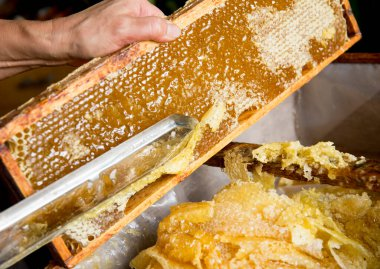
Colony growth is exciting, but the costs arrive quickly. Extra hives need equipment before the bees need it, not after. Honey production also adds practical needs: supers, uncapping tools, extractors, buckets, jars, labels, and storage space. Budgeting for pest control, feed, replacement queens, and winter losses keeps expansion realistic. A good rule is simple: do not add more colonies than you can inspect, feed, treat, and equip on time.
Why Is Local Beekeeping Community Support Important?
Answer: Local beekeeping clubs help beginners learn faster through mentorship, seasonal advice, equipment sharing, and regional guidance.
- Local mentors can help identify queen problems, brood concerns, and seasonal timing mistakes.
- Regional beekeepers understand local nectar flows, winter patterns, and common pest pressure.
- Clubs often provide workshops, beginner classes, swarm updates, and equipment recommendations.
- Community support can reduce costly first-year mistakes.
Beekeeping is local. A general book can teach the basics, but nearby beekeepers know when maples bloom, when swarms start, when nectar slows, and how winter preparation works in your area. Joining a club or asking an experienced beekeeper to look through a hive with you can make the first season much clearer. For new beekeepers, local support is often the difference between guessing and making confident management decisions.
How Should Beekeepers Adjust Colony Numbers Seasonally?
Answer: Colony numbers often rise in spring through splits and fall before winter through combining, requeening, or loss prevention.
- Spring buildup can create swarm pressure and opportunities for splits.
- Summer honey flow may require more supers, space, and lifting capacity.
- Fall management focuses on food stores, mite levels, queen status, and winter readiness.
- Weak colonies may be combined before winter instead of carried as separate struggling hives.
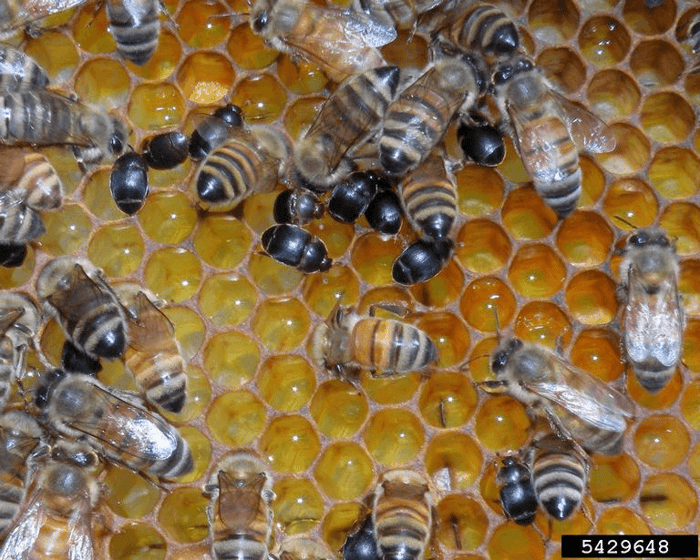
Colony count is not always fixed. A beekeeper may start spring with two colonies, make a split, and temporarily manage three or four. Later, weak colonies may be combined so the apiary goes into winter with fewer but stronger hives. This is normal. Good beekeepers manage for colony health, not just colony number. Strong, well-prepared colonies are usually more valuable than a larger count of under-managed hives.
 What Is the Best Starting Point for Most Beekeepers?
For most new beekeepers, two colonies is the best starting point. Two hives are manageable, educational, and more forgiving than one. After a successful season or two, expansion should be based on inspection confidence, mite-control success, available equipment, forage, and time. The best apiary size is the one you can care for well through the entire year.
Frequently Asked Questions
How many beehives should a beginner start with?
Most beginners should start with two colonies because comparisons improve learning and reduce the risk of losing their only hive.
Can one person manage 20 beehives?
Yes, one person can manage 20 beehives if they have enough time, equipment, and an organized inspection and mite-control schedule.
Is one beehive enough for honey?
One healthy hive can produce honey, but yield depends on forage, weather, colony strength, and management timing.
Do more bee colonies always mean more honey?
No. More colonies can increase honey potential, but poor forage, drought, pests, or overcrowding can reduce production.
How often should bee colonies be inspected?
During the active season, many colonies are inspected about every 7 to 10 days, depending on weather, goals, and colony condition.
How many colonies are considered commercial beekeeping?
Commercial beekeeping often begins at dozens of colonies and may involve hundreds or more, depending on income goals and services offered.
Can urban beekeepers keep multiple colonies?
Urban beekeepers can keep multiple colonies when local rules, forage, water access, and neighbor considerations support them.
What is the biggest mistake when expanding an apiary?
The biggest mistake is adding colonies faster than the beekeeper can inspect, feed, treat, equip, and prepare them for winter.
Sources and Further Reading
- USDA Agricultural Research Service: Honey Bee Health and Colony Collapse Disorder
- Extension Foundation: Bee Health
- University of Minnesota Bee Lab
- Penn State Extension: Beekeeping
- Honey Bee Health Coalition: Tools for Varroa Management
- Bee Informed Partnership: Colony Loss and Management Survey Resources
- USDA National Agricultural Statistics Service: Bee and Honey Program
- Pollinator Partnership: Pollinator Conservation Resources
FAQs
How many beehives should a beginner start with?
Most beginners should start with two colonies because comparisons improve learning and reduce the risk of losing their only hive.
Can one person manage 20 beehives?
Yes, one person can manage 20 beehives if they have enough time, equipment, and an organized inspection and mite-control schedule.
Is one beehive enough for honey?
One healthy hive can produce honey, but yield depends on forage, weather, colony strength, and management timing.
Do more bee colonies always mean more honey?
No. More colonies can increase honey potential, but poor forage, drought, pests, or overcrowding can reduce production.
How often should bee colonies be inspected?
During the active season, many colonies are inspected about every 7 to 10 days, depending on weather, goals, and colony condition.
How many colonies are considered commercial beekeeping?
Commercial beekeeping often begins at dozens of colonies and may involve hundreds or more, depending on income goals and services offered.
Can urban beekeepers keep multiple colonies?
Urban beekeepers can keep multiple colonies when local rules, forage, water access, and neighbor considerations support them.
What is the biggest mistake when expanding an apiary?
The biggest mistake is adding colonies faster than the beekeeper can inspect, feed, treat, equip, and prepare them for winter.