Welcome to Lappe's Bee Supply's blogs section. We are a trusted beekeeping company in the USA. We give relevant insights, seasonal guidance, and professional advice for beekeepers of all experience levels. From hive management and bee wellness to honey production and equipment guides, we have it all that you will require to thrive. Get updated, motivated, and connected with the beekeeping community through regular news from Lappe's Bee Supply.
Honey French Toast
The Buzz About This Post
- What should you know before making this French toast recipe?
- What is included in this recipe?
- What is Honey French Toast?
- Why add honey to French toast?
- What ingredients do you need for this French toast recipe?
- How do you make this honey-sweetened French toast?
- What heat should you use for French toast?
- How do you prevent soggy French toast?
- How do you know when the French toast is done?
- What can you serve with this French toast?
- What are the most common French toast mistakes?
- What are the most common questions about this recipe?
- Can you put honey in French toast batter?
- How much honey is used in Honey French Toast?
- What kind of bread works for French toast?
- Why does French toast become soggy?
- Should French toast be cooked over high or medium heat?
- How do you know when French toast is fully cooked?
- Can you serve additional honey with this French toast?
- How many slices does this recipe make?
- What sources support the food-safety guidance in this recipe?
- How is this recipe reviewed?
- FAQs
Honey French Toast
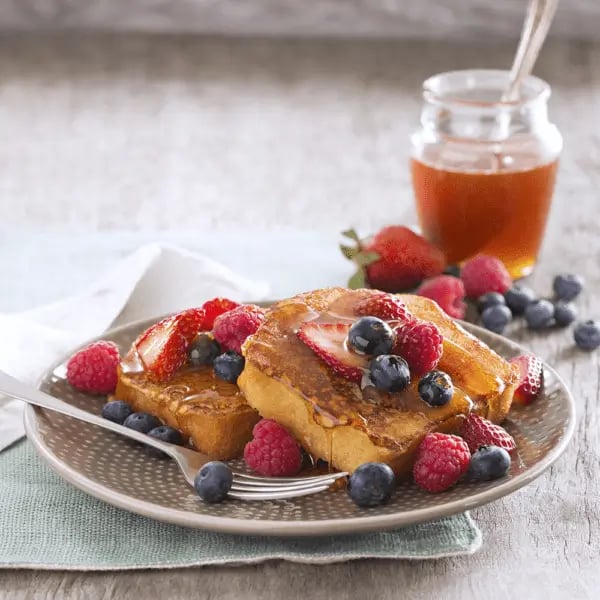
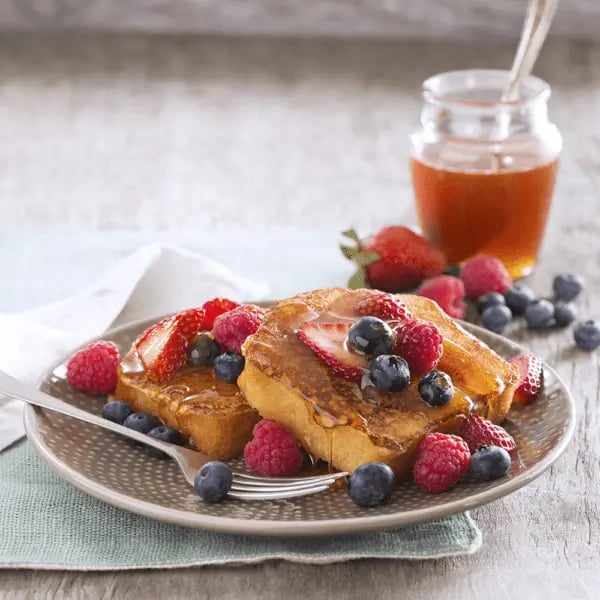
Honey French Toast is a simple breakfast made by dipping bread in a mixture of eggs, milk, honey, and salt, then cooking each slice in butter until golden brown. Mixing the honey directly into the egg mixture gives the toast sweetness throughout instead of relying only on syrup after cooking.
Published: August 13, 2025 | Last updated: August 21, 2026 | Recipe by: Lappe's Bee Supply
What is Honey French Toast?
Honey French Toast is bread coated in an egg, milk, and honey mixture, then cooked in butter until the center sets and both sides turn golden.
- French toast uses bread dipped in an egg-based mixture before cooking.
- This version adds honey directly to the dipping mixture.
- Butter provides the cooking fat and adds richness.
- The finished toast should be cooked through and golden on both sides.
French toast is built around a straightforward idea: bread absorbs a seasoned egg mixture and is then cooked in a skillet. In this recipe, honey becomes part of that mixture rather than appearing only at the table. The result is a breakfast that carries a mild honey flavor through each slice.
Because bread varies considerably in size, density, thickness, and moisture, two pieces of bread may absorb different amounts of the mixture. That is why the original recipe sensibly gives a range of 6 to 8 slices instead of promising an exact number for every loaf.
Why add honey to French toast?
Adding honey to the egg mixture sweetens the bread before cooking, giving the finished toast flavor throughout instead of only on top.
- The recipe uses 1/4 cup honey in the dipping mixture.
- Honey is mixed with the eggs and milk before the bread is dipped.
- Each coated slice can absorb some of the sweetened mixture.
- Additional honey can still be added after cooking if desired.
Many French toast recipes depend heavily on syrup or another topping for sweetness. This version takes a different approach by placing honey directly in the egg mixture. That means sweetness becomes part of the cooked toast itself rather than being limited to the surface.
The recipe calls for 1/4 cup of honey , which is whisked together with the eggs, milk, and salt before the bread enters the skillet. You can still serve the finished toast with more honey, but tasting it first helps prevent adding more sweetness than you prefer.
What ingredients do you need for this French toast recipe?
This breakfast recipe needs eggs, milk, honey, salt, bread, and butter, making it approachable with only six basic ingredients.
Ingredients
- 2 Eggs, well beaten
- 1/4 c. Milk
- 1/4 c. Honey
- 1/4 tsp. Salt
- 6 - 8 Slices Bread
- Butter
Recipe note: The exact number of bread slices that can be coated depends on the size, thickness, and absorbency of the bread. The original recipe specifies 6 to 8 slices, so that range has been retained rather than replacing it with an untested serving estimate.
How do you make this honey-sweetened French toast?
Combine the egg mixture, dip the bread, then cook each slice in butter over medium heat until both sides are evenly golden.
Instructions
- Combine the eggs, milk, honey, and salt. Beat the eggs well, then mix in the milk, honey, and salt until the ingredients are thoroughly combined.
- Dip the bread slices. Place each slice into the honey mixture and coat both sides. Allow the bread to absorb some liquid without leaving delicate bread submerged long enough to fall apart.
- Melt the butter. Place a large skillet over medium heat and melt enough butter to lightly coat the cooking surface.
- Cook the first side. Place the dipped bread into the heated skillet. Cook until the underside develops an even golden-brown color.
- Flip and finish cooking. Turn the bread and cook the second side until golden brown. Make sure the absorbed egg mixture has cooked through before serving.
- Serve warm. Serve the toast while warm with butter and honey syrup, just as the original recipe recommends.
Original method: Combine eggs, milk, honey and salt. Dip bread slices into honey mixture. Melt butter in a large skillet. Fry bread slices in butter over medium heat until golden brown. Serve warm with butter and honey syrup.
What heat should you use for French toast?
Medium heat helps the egg mixture cook through without browning the outside too quickly, while butter encourages an evenly golden surface.
- The original recipe specifies medium heat.
- Butter should melt without immediately scorching.
- Excessive heat can brown the surface before the center finishes cooking.
- Burner settings may need adjustment when cooking several batches.
Medium heat is a practical starting point because French toast must do two things at once: develop color on the outside and cook the egg mixture absorbed into the bread. If the outside becomes dark very quickly while the middle remains overly soft or wet, lower the heat.
Stove burners, skillet materials, and bread thickness vary. If the bread browns before the center is cooked, reduce the heat and allow additional cooking time.
How do you prevent soggy French toast?
Coat each bread slice without oversoaking it, then use steady medium heat so the absorbed egg mixture has enough time to set.
- Dip the bread long enough to coat both surfaces.
- Avoid leaving very soft bread in the mixture until it begins to break apart.
- Leave enough room in the skillet to turn each slice easily.
- Continue cooking until the center is set rather than visibly wet.
Bread texture matters. Thick or sturdy slices usually tolerate more liquid than thin, very soft bread, but nearly any bread can work when it is dipped appropriately. A brief coating may be enough for a delicate sandwich bread, while a thicker piece can take longer to absorb the mixture.
Because the original recipe does not specify a particular bread type or thickness, adjust the dipping time to the bread you are using. Softer slices usually need only a quick coating, while thicker or sturdier bread can tolerate more of the egg mixture without falling apart.
How do you know when the French toast is done?
Properly cooked French toast should be golden on both sides, set through the center, and free of visibly wet or uncooked egg mixture.
- Both surfaces should develop golden browning.
- The center should be cooked rather than wet with uncooked egg mixture.
- Browning alone does not guarantee that the center is fully cooked.
- USDA guidance recommends cooking egg mixtures to 160°F.
The color of the bread is an important visual cue, but it should not be the only cue. French toast contains raw egg in the dipping mixture, which means the center needs enough time to cook after the outside begins to brown.
The USDA Food Safety and Inspection Service advises cooking egg mixtures to 160°F. If there is uncertainty about doneness, a food thermometer provides a more reliable safety check than surface color alone.
What can you serve with this French toast?
The finished toast is best served warm with butter, honey, fruit, or another simple breakfast side chosen to match your preferred sweetness.
- Serve the cooked slices soon after cooking for the best texture.
- Butter can be added while the toast is still warm.
- A light drizzle of honey can increase the honey flavor.
- Fresh fruit can provide sweetness and contrast without requiring additional syrup.
The original recipe calls for serving the toast warm with butter and honey syrup, which keeps the presentation simple. Because honey is already present inside the dipping mixture, it is worth tasting the finished slices before adding a generous topping.
Fresh berries, sliced bananas, peaches, apples, or other seasonal fruit can also be served alongside the toast. For a larger breakfast, pair it with other familiar breakfast foods while keeping the cooked slices warm until they reach the table.
What are the most common French toast mistakes?
Most French toast problems come from oversoaking delicate bread, using excessive heat, or removing the toast before the egg mixture finishes cooking.
Letting the bread become too saturated
The goal is to coat the bread and allow some mixture to absorb without weakening the slice so much that it becomes difficult to lift or turn. Softer bread generally needs less contact time than a sturdy, thick slice.
Cooking over excessive heat
A very hot skillet can produce a deeply browned outside while leaving the center undercooked. The original instruction to use medium heat helps balance browning with thorough cooking.
Crowding the skillet
Leave enough space around the bread to make turning the slices manageable. Cooking in batches can be easier than fitting every piece into the pan at once.
Judging doneness only by color
Golden browning is desirable, but the absorbed egg mixture also needs to be thoroughly cooked. If the outside reaches the desired color too early, reduce the heat and allow the center additional time to cook.
What are the most common questions about this recipe?
Common questions about this recipe cover bread choice, cooking heat, doneness, sogginess, serving options, honey amounts, and expected yield.
Can you put honey in French toast batter?
Yes. Honey can be whisked directly into the egg-and-milk mixture so the bread absorbs sweetness before cooking.
How much honey is used in Honey French Toast?
This recipe uses 1/4 cup of honey with two eggs and 1/4 cup of milk for approximately 6 to 8 slices of bread.
What kind of bread works for French toast?
Many kinds of bread can be used for French toast, although sturdy slices generally tolerate dipping better than very soft or thin bread.
Why does French toast become soggy?
French toast can become soggy when bread absorbs too much liquid or when the center has not been cooked thoroughly.
Should French toast be cooked over high or medium heat?
Medium heat is a practical starting point because it allows the center to cook while the exterior develops golden browning.
How do you know when French toast is fully cooked?
French toast should be golden on both sides and cooked through the center without visibly wet egg mixture. USDA guidance recommends 160°F for egg mixtures.
Can you serve additional honey with this French toast?
Yes. Additional honey can be drizzled over the finished toast if more sweetness or honey flavor is desired.
How many slices does this recipe make?
The original recipe calls for 6 to 8 slices of bread, although exact yield can vary with bread size, thickness, and absorption.
What sources support the food-safety guidance in this recipe?
USDA Food Safety and Inspection Service guidance supports the egg-temperature and safe-handling recommendations included on this page.
Sources
- What is a safe internal temperature for food made with eggs? — U.S. Department of Agriculture, Food Safety and Inspection Service.
- How do you handle and store eggs safely? — U.S. Department of Agriculture, Food Safety and Inspection Service.
FAQs
Can you put honey in French toast batter?
Yes. Honey can be whisked directly into the egg-and-milk mixture so the bread absorbs sweetness before cooking.
How much honey is used in Honey French Toast?
This recipe uses 1/4 cup of honey with two eggs and 1/4 cup of milk for approximately 6 to 8 slices of bread.
What kind of bread works for French toast?
Many kinds of bread can be used for French toast, although sturdy slices generally tolerate dipping better than very soft or thin bread.
Why does French toast become soggy?
French toast can become soggy when bread absorbs too much liquid or when the center has not been cooked thoroughly.
Should French toast be cooked over high or medium heat?
Medium heat is a practical starting point because it allows the center to cook while the exterior develops golden browning.
How do you know when French toast is fully cooked?
French toast should be golden on both sides and cooked through the center without visibly wet egg mixture. USDA guidance recommends 160°F for egg mixtures.
Can you serve additional honey with this French toast?
Yes. Additional honey can be drizzled over the finished toast if more sweetness or honey flavor is desired.
How many slices does this recipe make?
The original recipe calls for 6 to 8 slices of bread, although exact yield can vary with bread size, thickness, and absorption.