Welcome to Lappe's Bee Supply's blogs section. We are a trusted beekeeping company in the USA. We give relevant insights, seasonal guidance, and professional advice for beekeepers of all experience levels. From hive management and bee wellness to honey production and equipment guides, we have it all that you will require to thrive. Get updated, motivated, and connected with the beekeeping community through regular news from Lappe's Bee Supply.
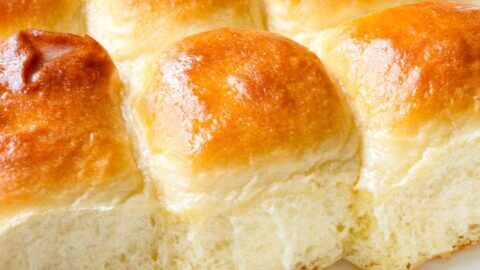
Honey Hot Rolls
Honey Hot Rolls Recipe: Soft, Fluffy Dinner Rolls Made with Honey
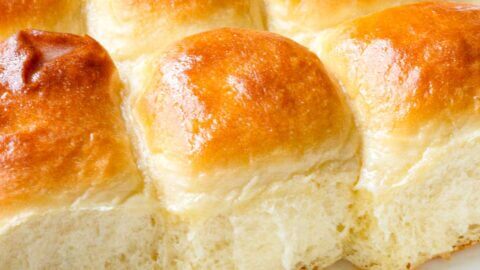
Honey hot rolls are enriched yeast rolls made with bread flour, milk, butter, eggs, honey, yeast, and salt. The dough bakes into soft, lightly sweet rolls with a tender crumb and a warm, pull-apart texture that works well for weeknight dinners, holiday meals, and potlucks.
Quick Recipe Facts
Key Takeaways
- Honey hot rolls are enriched yeast rolls, which means milk, butter, eggs, and honey help create a softer crumb than lean bread dough.
- The dough should be kneaded until smooth and elastic before the first rise, not left rough or shaggy.
- The recipe depends on two full rises: once in the bowl and once after shaping.
- A flour range of 4 1/2 to 5 cups gives flexibility for normal differences in humidity, flour absorption, and egg size.
- Bake the rolls at 375°F for about 12 minutes, until the tops are lightly golden and the centers are fully baked.
What are honey hot rolls?
- They use enriched dough rather than lean bread dough.
- Honey contributes sweetness and moisture retention.
- Milk, butter, and eggs create a softer, richer texture.
- They are commonly served warm as dinner rolls.
In bread baking, an enriched dough includes fat and tenderizing ingredients in addition to flour, yeast, and salt. That matters here because enriched dough behaves differently from basic white bread dough. It rises into a softer, finer crumb and produces a richer eating texture. In this recipe, honey adds a mild sweetness that supports the roll rather than overpowering it, so the finished bread works with savory meals as easily as it works with butter or jam.
What ingredients do you need for honey hot rolls?
- 4 1/2 to 5 cups bread flour
- 1 1/4 cup milk
- 1/4 cup butter
- 2 eggs
- 1 package yeast
- 1/3 cup honey
- 1 teaspoon salt
Each ingredient does a distinct job. Bread flour provides gluten strength, which helps the rolls rise and hold shape. Milk softens the crumb and adds richness. Butter tenderizes the dough and improves flavor. Eggs help with structure, color, and softness. Yeast produces the gas that lifts the dough. Honey sweetens the rolls and supports moisture retention. Salt sharpens flavor and keeps fermentation balanced. The flour is written as a range because absorption changes from kitchen to kitchen.
How do you make honey hot rolls step by step?
- Combine the bread flour, yeast, and salt in a large mixing bowl.
- Heat the milk, butter, and honey until warm and the butter is melted.
- Add the warm liquid mixture and eggs to the dry ingredients.
- Mix and knead with a dough hook until the dough is smooth and elastic.
- Place the dough in a well-greased bowl, cover it, and let it rise until doubled.
- Divide the dough into 36 portions and shape each portion into a roll.
- Place the rolls in a greased pan, cover, and let them rise until doubled again.
- Remove the cover and bake at 375°F for about 12 minutes.
The most important transition in the method is the change from rough dough to smooth, elastic dough. That texture signals gluten development, which helps the dough trap fermentation gases and hold a lighter structure during baking. After the first rise, shaping the rolls into even portions helps them proof and bake more evenly. The second rise should look full and puffy, not tight and under-expanded.
How should the dough feel before the first rise?
- A smooth surface usually signals adequate mixing and kneading.
- Elastic dough stretches slightly before tearing.
- Wet, messy dough may need more mixing time or a little more flour.
- Dry, tight dough often leads to heavier rolls.
Good roll dough should feel soft and workable, with slight tackiness but not a batter-like stickiness. The exact feel will vary with humidity, flour brand, and temperature, which is why the recipe does not force a single flour amount. Add flour gradually and stop once the dough becomes smooth and manageable. Too much flour can reduce softness and produce a denser result.
How do you know when honey hot rolls have risen enough?
- The bowl rise should visibly double the dough volume.
- The shaped rolls should look puffy before baking.
- A fingertip press should leave a shallow mark that rebounds slowly.
- Cool kitchens usually require longer proofing time.
Proofing is better judged by volume and feel than by a rigid clock. Under-proofed dough tends to bake into compact rolls with less internal lightness. Over-proofed dough can lose strength and bake up flatter. A warm, draft-free room usually supports the most predictable fermentation. For this recipe, the word “double” is the main visual standard at both stages.
What is the best baking temperature and time for honey hot rolls?
- 375°F gives the rolls enough heat to rise and brown without setting too slowly.
- About 12 minutes suits dinner-size rolls in a standard pan.
- Light golden tops are a practical visual doneness cue.
- Even sizing helps all rolls finish at roughly the same time.
Oven accuracy varies, so use the clock as a guide and color as the final check. Pale tops can indicate underbaking, while dark tops can signal unnecessary moisture loss. Center-rack placement usually improves even browning. Once baked, let the rolls cool briefly before serving so the crumb can set without turning gummy.
What makes honey hot rolls soft and fluffy?
- Milk, butter, eggs, and honey all support tenderness.
- Kneading builds the structure needed to trap gas.
- Full proofing improves lift, volume, and lightness.
- Overbaking can dry the crumb and firm the crust.
Softness in this recipe is not caused by one ingredient alone. The ingredient formula creates the potential for tenderness, but the process determines whether that tenderness shows up in the finished roll. Dough that is under-kneaded may not hold enough gas. Dough that is under-proofed may stay dense. Dough that bakes too long can lose too much internal moisture. When the formula and method align, the result is a pillowy roll with a fine, tender crumb.
How should you serve and store honey hot rolls?
- Warm rolls feel softer and more aromatic than fully cooled rolls.
- Airtight storage slows moisture loss and staling.
- Room-temperature storage works for short-term use.
- Freezing is the best option for longer storage.
These rolls are at their best the day they are baked, especially when served warm. After cooling, transfer leftovers to an airtight container or sealed bag. For longer storage, freeze the rolls after they cool completely. Reheating them briefly in a low oven helps bring back warmth and softness without drying them too aggressively.
How can you see the full recipe process at a glance?
| Stage | What to Do | What to Look For |
|---|---|---|
| Mix | Combine the dry ingredients, then add warmed milk, butter, honey, and eggs. | The dough begins to form into a cohesive mass. |
| Knead | Use a dough hook until the dough becomes smooth and elastic. | The dough feels soft, workable, and no longer rough. |
| First rise | Place the dough in a greased bowl and cover it. | The dough doubles in size. |
| Shape | Divide the dough into 36 pieces and form each piece into a roll. | The pieces are similar in size for even baking. |
| Second rise | Let the shaped rolls rise in the pan. | The rolls look puffy and expanded. |
| Bake | Bake at 375°F for about 12 minutes. | The tops are lightly golden and the rolls are fully set. |
Frequently Asked Questions
Can I use all-purpose flour instead of bread flour?
Yes. All-purpose flour works, but the rolls may be slightly less chewy and slightly less structured than rolls made with bread flour.
Why is my dough sticky?
Dough can feel sticky when it needs more mixing time, when the flour has not fully hydrated, or when too much liquid is present.
How do I know the dough has risen enough?
The dough has risen enough when it has doubled in size and a light press leaves an indentation that springs back slowly.
Can I make honey hot rolls ahead of time?
Yes. You can shape the rolls, refrigerate them, and bake them later after they finish proofing.
Why didn't my rolls rise?
Inactive yeast, overheated liquid, or a cold kitchen can prevent the dough from rising properly.
Can I freeze honey hot rolls?
Yes. Bake the rolls, cool them completely, and freeze them in an airtight container.
What makes honey hot rolls soft?
Milk, butter, eggs, and honey enrich the dough and help create a tender crumb with a soft texture.
How should I store leftover rolls?
Store leftover rolls in an airtight container at room temperature for short storage, or freeze them for longer storage.
Sources
- On Food and Cooking — Harold McGee
- The Bread Baker’s Apprentice — Peter Reinhart
- Flour Water Salt Yeast — Ken Forkish
- Food and baking guidance — United States Department of Agriculture
- Yeast and baking science resources — King Arthur Baking
- Bread and baking resources — Institute of Food Technologists