Welcome to Lappe's Bee Supply's blogs section. We are a trusted beekeeping company in the USA. We give relevant insights, seasonal guidance, and professional advice for beekeepers of all experience levels. From hive management and bee wellness to honey production and equipment guides, we have it all that you will require to thrive. Get updated, motivated, and connected with the beekeeping community through regular news from Lappe's Bee Supply.
Essential Tools for Beekeeping
The Buzz About This Post
- Key Takeaways
- Table of Contents
- What Beehive Components Does a Beginner Need?
- What Beekeeping Protective Gear Should You Wear?
- Which Tools for Beekeeping Are Essential?
- When Do You Need Honey Extraction Equipment?
- Which Beekeeping Management Tools Help Maintain Healthy Colonies?
- How Do Seasonal Equipment Considerations Change Through the Year?
- What Should a Beginner Buy First?
- Frequently Asked Questions
- What Sources Support This Beekeeping Equipment Guide?
- FAQs
Essential Beekeeping Equipment: What Do You Need to Start Beekeeping?
Beekeeping, also called apiculture, is the practice of managing bee colonies and their hives. For a new beekeeper, success begins with understanding which equipment is truly necessary, which tools make hive inspections easier, and which purchases can wait until the colony is established.
The goal is not to own every beekeeping tool available. A practical beginner setup should let you house the colony, inspect it safely, provide feed when appropriate, monitor colony health, and expand the hive as the bees grow.
Key Takeaways
- A beginner beekeeper needs a complete hive, protective gear, a smoker, a hive tool, feeding equipment, and colony-health monitoring supplies.
- A Langstroth hive uses removable frames housed inside stacked boxes, making inspection and expansion practical.
- Deep, medium, and shallow hive boxes serve different purposes and differ in capacity and lifting weight.
- Honey extraction equipment is usually a later purchase because a new colony may not immediately produce surplus honey.
- Varroa mite monitoring supplies should be treated as core management equipment rather than an optional accessory.
- Extra boxes and frames should be available before a growing colony becomes crowded.
- Seasonal equipment needs depend on climate, forage, colony strength, pest pressure, and management style.
What Beehive Components Does a Beginner Need?
A complete Langstroth hive generally includes hive boxes, compatible removable frames, a bottom board, an inner cover, and an outer cover, with additional boxes added as the colony grows.
- Langstroth hives are built around removable frames that allow individual combs to be inspected.
- Brood boxes primarily contain brood, pollen, honey stores, and the central living area of the colony.
- Honey supers are added mainly to provide space for surplus honey.
- Hive boxes and frames must be compatible in depth.
- Extra equipment is useful when colonies expand quickly or when a beekeeper needs to make a split.
The beehive is the central structure where the colony lives, raises brood, stores food, and regulates its internal environment. The Langstroth hive is widely used because its removable-frame design gives beekeepers access to individual combs without destroying the colony's nest structure. Langstroth hives are a standard removable-frame system used in U.S. beekeeping education and management guidance.[1] [2]
The Hive Box
Langstroth hive boxes are available in several depths. Many beekeepers use deep boxes for the brood chamber because they provide substantial comb area, while medium and shallow boxes are frequently used as honey supers.
| Hive Box Type | Common Use | Main Advantage | Important Consideration |
|---|---|---|---|
| Deep | Brood chamber | Provides substantial brood and food-storage capacity | Can become heavy when filled with honey |
| Medium | Brood chamber or honey super | Versatile and easier to lift than a full deep | More boxes may be needed for the same total comb area |
| Shallow | Honey super | Lower lifting weight when full | Provides less storage capacity per box |
Frames and Foundation
Hive frames and foundation form the internal structure where bees build comb. Frames support the comb so each section can be removed for inspection. Foundation provides a patterned starting surface that encourages bees to build comb in an organized orientation.
Foundation may be made from beeswax, plastic, or combinations of materials depending on the equipment system. Whatever style you choose, the most important purchasing rule is compatibility: deep frames belong in deep boxes, medium frames in medium boxes, and shallow frames in shallow boxes.
Hive Stand
A hive stand elevates the colony above ground level. Elevation can make the hive easier to work, reduce direct contact with damp soil, and help the beekeeper maintain a more practical working height.
Hive stands range from simple concrete blocks and lumber to purpose-built stands with adjustable legs. Stability matters more than appearance. A stand should support the hive securely when multiple boxes are stacked and when wind, rain, or uneven ground place additional stress on the setup.
Inner and Outer Covers
The upper portion of the hive generally includes an inner cover and an outer cover. The inner cover separates the top box from the weather-resistant lid and may provide ventilation or feeding access depending on the design.
The outer cover protects the hive from rain, snow, and direct weather exposure. Cover style varies, but a sound cover should shed water and remain secure during changing weather conditions.
What Beekeeping Protective Gear Should You Wear?
Beginner protective gear normally includes a secure bee veil plus suitable clothing, with a jacket, full bee suit, and gloves added according to experience, colony temperament, and comfort.
- A veil protects the face, eyes, neck, and head from direct bee contact.
- Bee jackets provide upper-body protection without the bulk of a full suit.
- Full bee suits provide broader coverage and can increase beginner confidence.
- Gloves reduce sting exposure but may reduce fine finger control.
- No bee suit should be considered completely sting-proof.
Protective clothing should help a beekeeper work calmly and deliberately. The best level of protection varies from person to person, but beginners generally benefit from more coverage while they learn how colonies respond during inspections.
Lappe's carries beekeeping protective clothing and bee suits designed for hive work.
Beekeeping Suit
A full bee suit covers most of the body and is especially useful for new beekeepers who want a greater barrier between themselves and the colony. Look for a suit that provides enough room for bending, lifting, and reaching without excessive loose fabric that can snag on equipment.
Veil
A bee veil is one of the most important pieces of protective equipment because it protects the face and eyes. Round and fencing-style veils are both common. Whichever design you choose, check zippers, closures, and attachment points before every inspection.
Gloves
Beekeeping gloves are available in leather and other materials. Thicker gloves generally provide more protection, while thinner gloves may provide greater dexterity. Beginners should choose protection that allows them to hold frames securely and work without rushing.
Which Tools for Beekeeping Are Essential?
The hive tool and smoker are the two core inspection tools for most beekeepers; brushes, frame grips, and other accessories are useful but less essential.
- A hive tool helps separate boxes and frames sealed together with propolis.
- A smoker produces cool smoke used during hive inspections.
- A bee brush can move bees from equipment without shaking the entire frame.
- Specialized tools can be added as the beekeeper develops a preferred management style.
A good beginner tool kit does not need to be complicated. Most routine inspections can be performed with a hive tool, a smoker, protective equipment, and a method for recording what you observe.
Hive Tool
Bees use propolis to seal small spaces and secure hive components. A hive tool gives the beekeeper leverage for separating boxes, loosening frames, scraping wax, and removing propolis. Some hive tools also include hooks or specially shaped ends for lifting frames.
Smoker
A smoker generates cool smoke that helps beekeepers manage colony behavior during an inspection. Research and standard beekeeping references describe smoke as interfering with alarm communication and changing the bees' immediate behavioral response.[2]
The objective is controlled, cool smoke rather than excessive smoke. Common smoker fuels include dry pine needles, untreated burlap, wood pellets made for smoker use, and other clean-burning materials commonly used by beekeepers. Avoid materials that produce toxic fumes or chemical residues.
Bee Brush
A bee brush has soft bristles designed to move bees from selected surfaces. It can be useful when inspecting frames, harvesting honey, or clearing bees away from an area that needs to be handled. Use gentle strokes to minimize agitation.
When Do You Need Honey Extraction Equipment?
Honey extraction equipment is usually not a day-one purchase because beginners only need it after a colony produces surplus honey that is appropriate to harvest.
- New colonies do not always produce harvestable surplus honey in their first season.
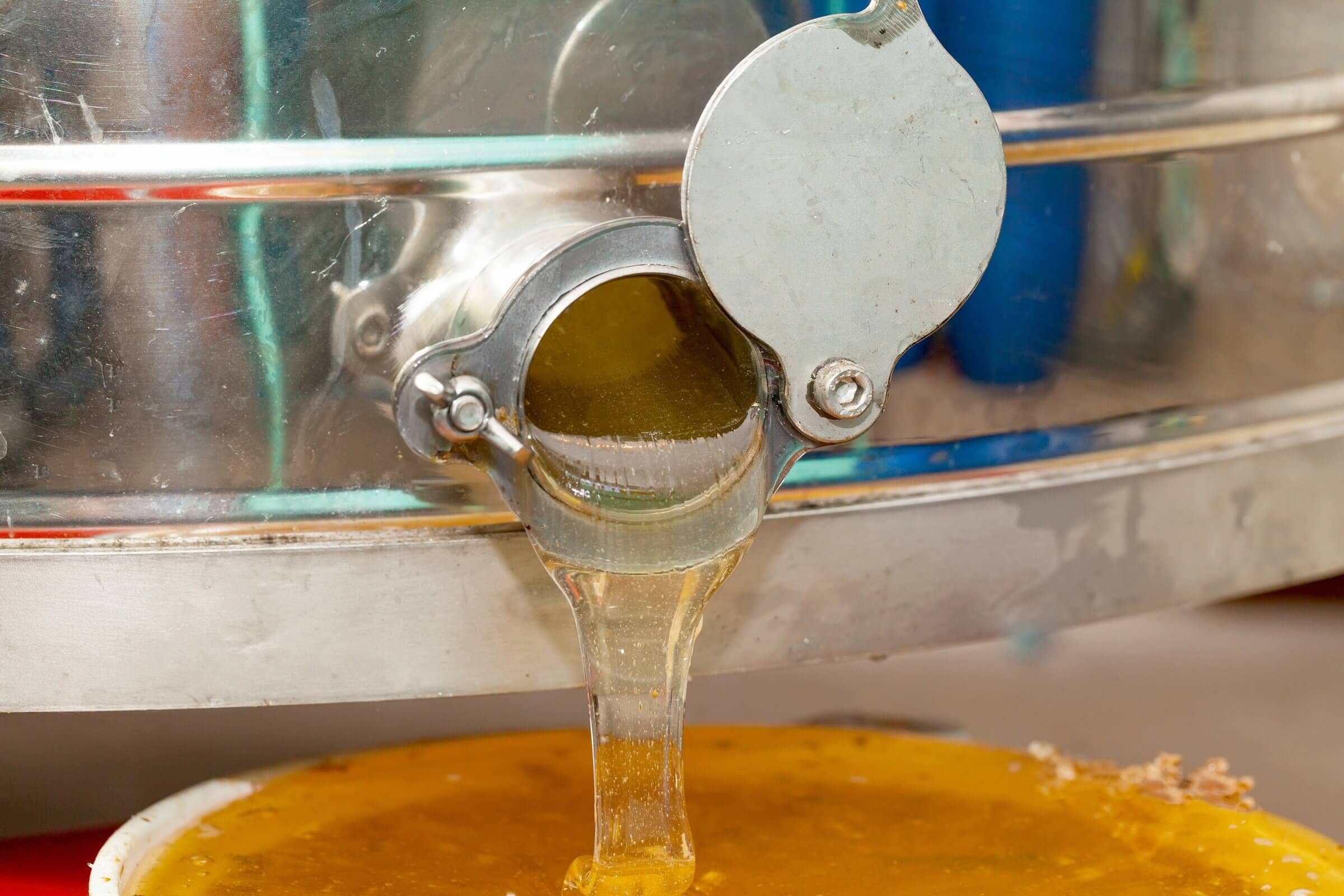
- A honey extractor uses centrifugal force to remove honey from uncapped frames while leaving the comb largely intact.
- Uncapping tools open sealed honey cells before extraction.
- Strainers remove wax particles and other debris during honey handling.
- Extraction equipment can sometimes be borrowed or shared through local beekeeping groups.
Honey harvesting is rewarding, but colony establishment should come first. A new hive needs sufficient stores for its own survival before surplus honey is removed. Local climate, nectar flow, colony strength, and winter needs all influence how much honey can safely be harvested.
Honey Extractor
Honey extractors use centrifugal force to remove honey from uncapped frames while leaving much of the comb intact. Manual extractors can be practical for a small number of hives, while electric models can reduce labor when more frames are processed.
Stainless steel extractors are popular because they are durable and relatively easy to clean. Before purchasing, consider how many colonies you expect to manage and how many frames you are likely to process at one time.
Strainer and Bottling Equipment
After extraction, honey is commonly passed through a food-safe strainer to remove wax fragments and other particles. Bottling buckets, honey gates, funnels, jars, and food-safe storage containers can make the process cleaner and more controlled.
Which Beekeeping Management Tools Help Maintain Healthy Colonies?
Good colony management combines inspection records, pest monitoring, reliable reference material, and equipment that helps the beekeeper make decisions from observed colony conditions.
- Inspection records allow colony changes to be compared over time.
- Varroa mite monitoring is a core part of modern honey bee health management.
- Visible mites alone are not a reliable measurement of infestation level.
- Treatment decisions should follow current product labels and evidence-based guidance.
- Local Extension resources can help adapt management recommendations to regional conditions.
Modern beekeeping requires more than boxes and hand tools. Varroa destructor is a major parasite of managed honey bee colonies, and university Extension programs recommend measuring mite levels rather than waiting until mites are easily visible. Penn State Extension describes monitoring as the first step in an integrated pest management approach to Varroa control.[3]
Record Book or App
Record inspection dates, brood condition, queen observations, food stores, colony temperament, mite measurements, treatments, feeding, and major equipment changes. A paper notebook is sufficient, although digital beekeeping apps can make searching and comparing records easier.
Beekeeping Reference Books and Materials
Beekeeping is a skill that improves through repeated observation and continuing education. University Extension programs, USDA resources, local beekeeping associations, workshops, and evidence-based reference books can help beginners understand bee biology, pest management, seasonal colony development, and regional practices.
How Do Seasonal Equipment Considerations Change Through the Year?
Seasonal beekeeping equipment changes with colony growth, weather, forage, food stores, pest pressure, and management goals rather than following one universal calendar.
- Strong spring colonies may require additional boxes and frames.
- Feeders should be used when supplemental feeding is appropriate for colony conditions.
- Swarm management may require spare hive equipment for splits or captured swarms.
- Winter equipment should match local climate and moisture-management needs.
- Entrance reducers can serve several purposes but do not winterize a hive by themselves.
Seasonal preparation helps beekeepers avoid scrambling for equipment after the colony has already outgrown its available space. The exact timing varies by region, weather, forage conditions, and colony strength.
Winterizing Equipment
Winter preparation should focus on colony health, adequate food stores, weather protection, and a ventilation or moisture-management strategy suited to the local climate. In colder regions, some beekeepers use hive wraps, insulation, moisture-control equipment, or entrance reducers.
Supplemental feeding methods also change with weather. Liquid syrup is commonly used during suitable temperatures, but feeding practices during cold winter conditions can differ substantially. Follow local Extension recommendations rather than relying on a single feeding schedule for every climate.
Swarm Control Tools
Colonies reproduce naturally through swarming, so expanding colonies may require additional equipment before swarm season. Spare hive boxes, frames, bottoms, and covers give the beekeeper options for making splits or housing a captured swarm.
Swarm traps can be used to attract and house swarms, but successful swarm prevention within an established colony depends on broader colony management.
What Should a Beginner Buy First?
Buy beekeeping equipment in stages: start with colony housing, safety, inspection, feeding, and health monitoring, then add expansion and harvesting equipment as needed.
One of the most useful habits a new beekeeper can develop is buying equipment before it becomes an emergency. Additional hive space, feeding equipment, and health-monitoring tools are far more useful when they are already assembled and ready to use.
Frequently Asked Questions
What equipment do I need to start beekeeping?
A beginner generally needs a complete hive, compatible frames, protective clothing or a veil, a smoker, hive tool, feeder, and supplies for monitoring colony health.
Do I need a full bee suit to start beekeeping?
A full suit is not mandatory for every beekeeper, but beginners should use a secure veil and enough protective clothing to work calmly and safely around bees.
What are the most important beekeeping tools?
A smoker and hive tool are the two core tools used during routine hive inspections.
Do I need a honey extractor during my first year?
Not necessarily. An extractor is only needed when a colony produces surplus honey that is appropriate to harvest, and extraction equipment can sometimes be borrowed or rented.
What is the difference between a brood box and a honey super?
A brood box primarily houses the brood nest and colony food stores, while a honey super is generally added for surplus honey storage and harvesting.
Do beginners need Varroa mite monitoring equipment?
Yes. Measuring Varroa mite levels is an important part of evidence-based honey bee health management and should not be replaced by visual inspection alone.
Does a queen excluder prevent swarming?
No. A queen excluder restricts the queen's movement into selected boxes, but it does not by itself stop a colony from preparing to swarm.
Are deep or medium hive boxes better for beginners?
Either can work. Deep boxes provide more capacity per box, while medium boxes generally reduce the amount of weight lifted at one time.
How much extra hive equipment should I keep available?
The exact amount depends on colony growth and management style, but additional compatible boxes and frames should be available before the colony needs more room.
Should I buy all my beekeeping equipment at once?
No. Buy colony-housing, inspection, safety, feeding, and health-monitoring equipment first, then add expansion and honey-harvesting equipment when it becomes necessary.
What Sources Support This Beekeeping Equipment Guide?
This guide uses USDA and university Extension references for beekeeping terminology, beginner equipment, colony management, and Varroa mite monitoring.
- USDA National Agricultural Library — Apiculture and Beekeeping. Federal information and educational resources covering beekeeping and honey bee management. View USDA resource
- Penn State Extension — Beekeeping Basics. Educational guidance covering bee biology, hive equipment, apiary management, honey production, pests, and seasonal beekeeping. View Penn State Extension resource
- Penn State Extension — Alcohol Wash for Varroa Mite Monitoring. Guidance explaining Varroa sampling and the role of monitoring within integrated pest management. View Varroa monitoring guidance
- USDA Forest Service — Beekeeping Guide. General reference covering managed honey bee colonies and practical beekeeping. View USDA Forest Service publication
- USDA APHIS — Honey Bees and Other Bees. Federal information relevant to honey bees, bee health, and regulated movement of bees and beekeeping equipment. View USDA APHIS resource
FAQs
What equipment do I need to start beekeeping?
A beginner generally needs a complete hive, compatible frames, protective clothing or a veil, a smoker, hive tool, feeder, and supplies for monitoring colony health.
Do I need a full bee suit to start beekeeping?
A full suit is not mandatory for every beekeeper, but beginners should use a secure veil and enough protective clothing to work calmly and safely around bees.
What are the most important beekeeping tools?
A smoker and hive tool are the two core tools used during routine hive inspections.
Do I need a honey extractor during my first year?
Not necessarily. An extractor is only needed when a colony produces surplus honey that is appropriate to harvest, and extraction equipment can sometimes be borrowed or rented.
What is the difference between a brood box and a honey super?
A brood box primarily houses the brood nest and colony food stores, while a honey super is generally added for surplus honey storage and harvesting.
Do beginners need Varroa mite monitoring equipment?
Yes. Measuring Varroa mite levels is an important part of evidence-based honey bee health management and should not be replaced by visual inspection alone.
Does a queen excluder prevent swarming?
No. A queen excluder restricts the queen's movement into selected boxes, but it does not by itself stop a colony from preparing to swarm.
Are deep or medium hive boxes better for beginners?
Either can work. Deep boxes provide more capacity per box, while medium boxes generally reduce the amount of weight lifted at one time.
How much extra hive equipment should I keep available?
The exact amount depends on colony growth and management style, but additional compatible boxes and frames should be available before the colony needs more room.
Should I buy all my beekeeping equipment at once?
No. Buy colony-housing, inspection, safety, feeding, and health-monitoring equipment first, then add expansion and honey-harvesting equipment when it becomes necessary.