Welcome to Lappe's Bee Supply's blogs section. We are a trusted beekeeping company in the USA. We give relevant insights, seasonal guidance, and professional advice for beekeepers of all experience levels. From hive management and bee wellness to honey production and equipment guides, we have it all that you will require to thrive. Get updated, motivated, and connected with the beekeeping community through regular news from Lappe's Bee Supply.
Do you have the Time for Beekeeping??
The Buzz About This Post
- Table of Contents
- Quick Answer: How Much Time Does Being A Beekeeper Take?
- Key Takeaways
- What does hive management involve?
- How much setup time is required before bees arrive?
- How much time does hive management take each season?
- How much time does keeping bees in the spring require?
- How much time does keeping bees in the summer require?
- How much time does keeping bees in the fall and winter require?
- What unexpected problems add time to keeping bees?
- How does the number of hives affect time commitment?
- Is keeping bees worth the time?
- Frequently Asked Questions
- Sources and Further Reading
- FAQs
Beginner Beekeeper Guide
How Much Time Does Being A Beekeeper Take?
A realistic guide to the weekly and seasonal time commitment of keeping honey bees, including inspections, honey harvesting, pest management, and winter preparation.
Quick Answer: How Much Time Does Being A Beekeeper Take?
Most beginner beekeepers should expect to spend 2–5 hours per week during spring and summer, with much lighter monthly work during winter.
The busiest tasks usually include hive inspections, swarm prevention, honey harvesting, pest management, and seasonal preparation.
Key Takeaways
- Spring and summer require the most active hive management.
- One or two hives can often be managed as a part-time hobby.
- Honey extraction is one of the most time-consuming seasonal tasks.
- Winter hive work is usually minimal but still important.
- Swarming, mites, and queen issues can create unexpected work.
- More hives increase inspections, equipment needs, and harvest time.
What does hive management involve?
Beekeeping is the seasonal management of honey bee colonies for honey production, pollination, education, and colony health.
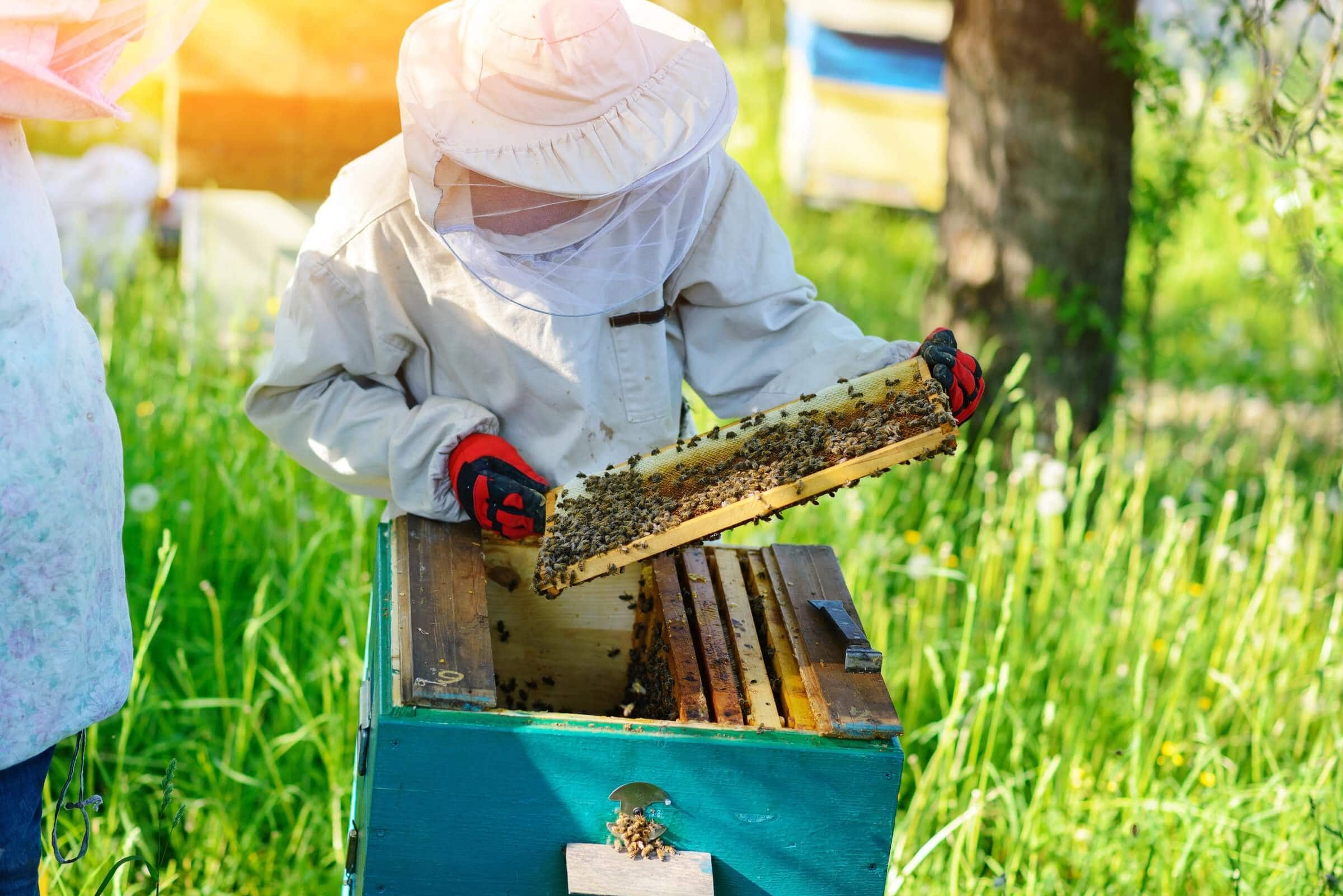
- Beekeeping is also called apiculture.
- Manage colonies, inspections, equipment, pests, and seasonal preparation.
- Time requirements change throughout the year.
Hive management is not usually a daily chore, but it does require consistent seasonal attention. The beekeeper’s role is to monitor hive health, ensure colonies have enough space, respond to pests, and prepare bees for changing weather conditions.
How much setup time is required before bees arrive?
New beekeepers should plan several weeks for education, equipment setup, hive placement, and ordering bees.
- Hive equipment may need assembly or preparation.
- Protective gear and tools should be ready before installation day.
- Packages and nucs often sell out early in spring.
- Choosing the right hive location affects long-term maintenance.
The first time investment happens before bees arrive. Beginners should learn basic hive management, bee biology, inspection techniques, and seasonal colony care. Equipment setup may include assembling boxes, preparing frames, and selecting a safe apiary location.
How much time does hive management take each season?
Spring and summer are usually the busiest seasons, while winter requires only occasional checks and planning.
| Season | Estimated Time | Main Tasks |
|---|---|---|
| Spring | 3–4 hours weekly | Inspections, swarm prevention, brood checks, adding supers |
| Summer | 4–5 hours weekly | Honey harvesting, mite checks, ventilation, extraction |
| Fall | 2–3 hours weekly | Winter preparation, feeding, colony evaluation |
| Winter | 1–2 hours monthly | External checks, emergency feeding, equipment repair |
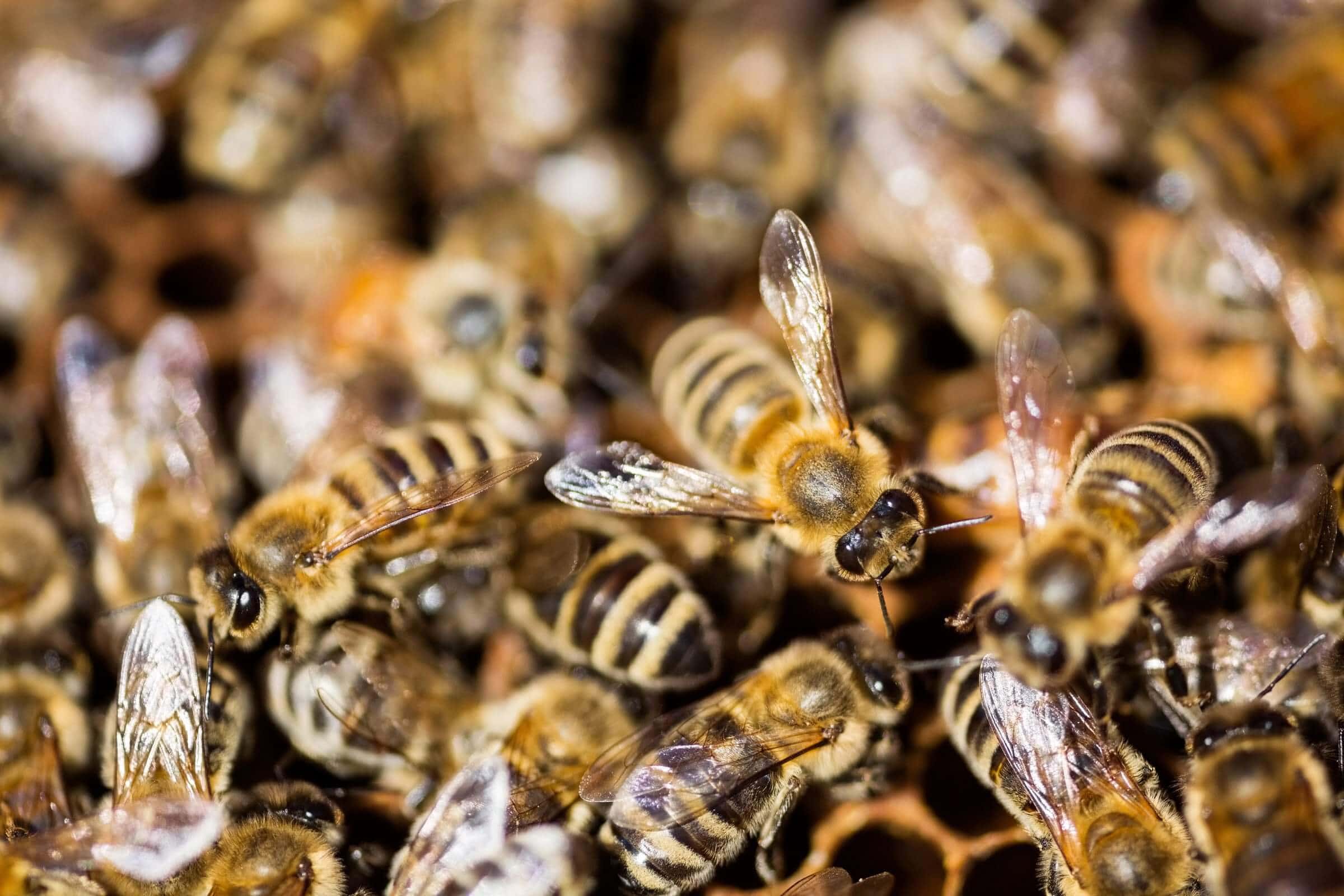
Spring usually requires the most inspections because colonies grow rapidly and swarm prevention becomes important.
- Inspect brood pattern, food stores, and queen activity.
- Watch for overcrowding and swarm cells.
- Add hive space before colonies become congested.
- Strong first-year colonies may need a second deep within 3–4 weeks.
Spring colonies can change quickly. Population growth and nectar flow can cause overcrowding faster than many beginners expect. Regular inspections help prevent swarming and improve colony productivity.
How much time does keeping bees in the summer require?
Summer often becomes the busiest season because inspections and honey harvesting overlap.
- Add or remove honey supers as needed.
- Monitor for Varroa mites, robbing, and queen problems.
- Manage hive ventilation during extreme heat.
- Plan extra time for honey extraction and cleanup.
Honey harvesting can become one of the largest time commitments of the year. Removing frames, uncapping, extracting, filtering, bottling, and cleaning often require several additional hours.
How much time does keeping bees in the fall and winter require?
Fall focuses on preparing colonies for winter, while winter work is usually minimal and preventative.
- Evaluate colony strength and food stores.
- Reduce entrances and prepare for cold weather.
- Perform external winter checks without disturbing the cluster.
- Repair equipment and prepare for spring.
Winter is usually the quietest season for beekeepers. Most work involves occasional monitoring, emergency feeding if necessary, and planning for the following year.
What unexpected problems add time to keeping bees?
Swarming, pests, disease, queen loss, and robbing can create urgent work beyond normal inspections.
- Swarm capture may require same-day action.
- Varroa mites require regular monitoring and management.
- Queen failure can interrupt brood production.
- Robbing can weaken colonies rapidly.
The weekly estimates above are only a baseline. Some hive problems require immediate attention and can significantly increase time demands.
How does the number of hives affect time commitment?
Every additional hive increases inspection time, honey extraction, feeding, and equipment management.
- Two hives help beginners compare colony behavior.
- More colonies require better organization.
- Honey extraction scales with hive count.
- Larger apiaries require more spare equipment.
Many beginners start with two hives because comparison helps identify problems earlier. However, each additional colony still requires separate inspections and seasonal management.
Is keeping bees worth the time?
Many beekeepers find the rewards of honey production, pollination, and hands-on learning worth the seasonal time investment.
Beekeepers combine outdoor activity, food production, environmental stewardship, and lifelong learning. Realistic expectations help beginners enjoy the hobby and avoid becoming overwhelmed during busy seasons.
Frequently Asked Questions
How many hours per week does a beginner require?
Most beginners spend 2–5 hours weekly during spring and summer.
Do bees need daily attention?
Healthy colonies usually do not require daily inspections.
What is the busiest beekeeping season?
Spring and early summer are usually the busiest because colonies grow rapidly.
Can I keep bees if I work full time?
Yes. Many hobbyists successfully manage one or two hives while working full time.
How long does honey harvesting take?
Honey extraction can take several hours depending on hive count and equipment.
Does adding more hives save time?
No. More hives increase inspections, feeding, extraction, and equipment management.
What happens if I skip inspections?
Neglected colonies face higher risks from swarming, pests, starvation, and disease.
Sources and Further Reading
- Penn State Extension — Honey Bee Management Throughout the Seasons
- Penn State Extension — Methods to Control Varroa Mites
- Penn State Extension — Honey Bee Parasites, Pests, Predators, and Diseases
- Penn State Extension — Keeping Bees and Honey Bees
- Schema.org — Article Schema
- Schema.org — FAQPage Schema
- Google Search Central — FAQ Structured Data
FAQs
How many hours per week does a beginner require?
Most beginners spend 2–5 hours weekly during spring and summer.
Do bees need daily attention?
Healthy colonies usually do not require daily inspections.
What is the busiest beekeeping season?
Spring and early summer are usually the busiest because colonies grow rapidly.
Can I keep bees if I work full time?
Yes. Many hobbyists successfully manage one or two hives while working full time.
How long does honey harvesting take?
Honey extraction can take several hours depending on hive count and equipment.
Does adding more hives save time?
No. More hives increase inspections, feeding, extraction, and equipment management.
What happens if I skip inspections?
Neglected colonies face higher risks from swarming, pests, starvation, and disease.