Welcome to Lappe's Bee Supply's blogs section. We are a trusted beekeeping company in the USA. We give relevant insights, seasonal guidance, and professional advice for beekeepers of all experience levels. From hive management and bee wellness to honey production and equipment guides, we have it all that you will require to thrive. Get updated, motivated, and connected with the beekeeping community through regular news from Lappe's Bee Supply.
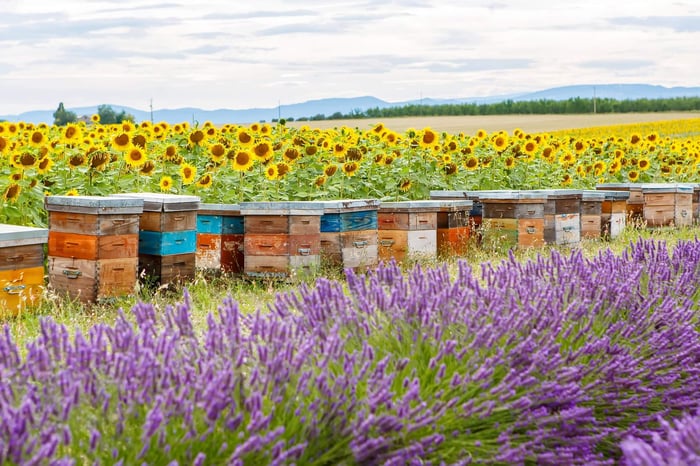
Choosing Hives for Honeybees
The Buzz About This Post

Beekeeping is not just a hobby; it’s a rewarding commitment that requires knowledge, patience, and the right equipment. As you embark on your journey into the fascinating world of beekeeping, one of the most critical decisions you will make is selecting the right hives for your honeybees. The hive serves not only as a home for the bees but also as a crucial element in managing their health, productivity, and overall well-being. In this detailed guide, we will delve into the various hive options available, their pros and cons, and the essential considerations you should keep in mind when choosing a hive tailored to your beekeeping aspirations.
Understanding the Role of a Hive
At its core, a hive is a habitat designed for honeybees, providing shelter, food storage, nursery space for brood (developing bees), and a place for the queen bee. The design and structure of the hive can significantly impact the efficiency of honey production, the bees' stress levels, and the overall ease of hive management for you as a beekeeper.
The Impact of Hive Selection on Beekeeping Success
Choosing the wrong hive can lead to several challenges, such as poor honey yields, difficulties during inspections, or even the decline of the bee colony. Conversely, a well-chosen hive can enhance your beekeeping experience by allowing for better management, quicker honey harvesting, and improved health for your bees.
Types of Hives: An Overview
When diving into beekeeping, you'll encounter several hive designs, each with its unique features, benefits, and downsides. Here are some of the most common types you should consider:

**Description:** The Langstroth hive is the most prevalent hive design across the globe. It consists of a series of stacked rectangular boxes, known as supers, which hold frames that are interchangeable and can be filled with beeswax or a foundation for the bees to build their comb.
**Pros:**
- **Ease of Management:** The modular design allows beekeepers to easily open, inspect, and manipulate the hive. You can add or remove supers as the colony grows or when harvesting honey.
- **Standardization:** This hive is standardized, meaning equipment is widely available and interchangeable, making it convenient for both purchasing and maintenance.
- **High Yield:** The Langstroth hive is efficient for honey production due to its height and number of frames, supporting a strong colony.
**Cons:**
- **Complexity for Beginners:** For those new to beekeeping, the Langstroth can seem somewhat complicated, requiring more equipment and know-how in terms of management techniques.
- **Equipment Costs:** Initial costs may be higher due to needing various components like supers, frames, and foundation.
2. Top-Bar Hive
**Description:** The top-bar hive takes a more natural approach, allowing bees to build their comb without a foundation. It consists of a long, horizontal box with removable bars across the top.
**Pros:**
- **Natural Beekeeping:** This design allows bees to create their comb in a more natural way, which can lead to healthier bees and honey.
- **Simplicity:** It’s generally easier to manage since it requires less equipment and no extensive knowledge of frame manipulations.
- **Accessibility:** The hunched position when working with a top-bar hive can be easier on the back compared to lifting heavy supers.
**Cons:**
- **Limited Honey Production:** Top-bar hives may not yield honey as efficiently as Langstroths due to smaller capacity.
- **More Frequent Checks Needed:** More regular monitoring is required to prevent issues like comb breakdown or cross-combing.
3. Swedish (Warre) Hive
**Description:** Designed by Abbé Warre, this hive promotes minimal human intervention and focuses on natural colony behavior. It is a vertical structure using top bars in a stack, allowing bees to create their own comb without needing standard frames.
**Pros:**
- **Natural Habitat:** The Warre hive appeals to those interested in providing a more natural environment for their bees, often resulting in healthier colonies.
- **Self-Regulating:** The design encourages bees to manage the temperature inside the hive, optimizing their living conditions without beekeeper intervention.
- **Low Maintenance:** It requires minimal management compared to Langstroth hives, making it ideal for those who prefer a more hands-off approach.
**Cons:**
- **Inspection Difficulties:** Due to its vertical nature and self-regulating design, inspecting the hive can be more cumbersome.
- **Skill Requirement:** New beekeepers may find it challenging to manage and understand the hive's needs without regular inspection routines.
4. Flow Hive
**Description:** The Flow Hive is a modern approach to honey harvesting that allows beekeepers to extract honey without dismantling the hive. It features specially designed frames that let honey flow out through taps as it's harvested.
**Pros:**
- **Simplified Honey Harvesting:** The Flow Hive drastically reduces the time and stress associated with traditional honey extraction methods.
- **Less Disruption:** Beekeepers can harvest honey while keeping the hive intact, minimizing disruption to the colony.
- **Innovation Appeal:** This high-tech hive design attracts novice and technology-oriented beekeepers who appreciate the ease of use.
**Cons:**
- **Higher Initial Cost:** The investment for a Flow Hive is significantly more than traditional hives, which may deter some new beekeepers.
- **Potential Management Complexity:** Despite its ease in honey extraction, managing a Flow Hive can be trickier due to the unfamiliarity of the design for many inexperienced beekeepers.
Key Factors to Consider in Hive Selection
Selecting the right hive involves careful consideration of various factors that directly influence your beekeeping experience:
1. Local Climate
Bees are sensitive to environmental conditions. In cooler regions, insulated hives with sufficient ventilation can protect the colony from extreme temperatures. Conversely, hot climates might require hives that improve airflow to prevent overheating.
2. Space and Location
Your chosen hive will need adequate space not only for itself but also for your mobility during inspections and honey extraction. Ensure the hive is placed in a safe location, away from strong winds, direct harsh sunlight, and human disturbances, while also being accessible for regular management.
3. Hive Size and Capacity
Hives are available in various sizes, so consider your capacity needs. Standard Langstroth hives often have 8 to 10 frames, but you can also opt for smaller units like top-bar hives that cater to limited-scale production. Larger hives typically yield more honey but require more attention and management.
4. Beekeeping Goals and Aspirations
Establishing clear goals will guide your selection. Are you interested in honey production, pollination services, or perhaps bee conservation? Depending on your objectives, certain hive designs may be more suitable than others.
5. Experience Level
If you are a beginner, consider starting with less complex hive designs such as top-bar hives or Warre hives. Experienced beekeepers, however, may prefer the more traditional Langstroth hive for its efficiency and scalability.
6. Budget Considerations
Your budget will play a crucial role in your decision-making process. While initial costs may vary, consider the long-term value of the hive in terms of durability and ease of management. Investing in quality equipment can pay off in the long run.
Tips for First-Time Beekeepers
Navigating the world of beekeeping can be overwhelming, especially for beginners. Here are several valuable tips to help you succeed:
1. **Start Small:** If you’re new to beekeeping, consider beginning with just one or two hives. This approach allows you to learn without becoming overwhelmed and provides hands-on experience to develop your skills.
2. **Join a Local Beekeeping Community:** Connecting with fellow beekeepers can significantly enhance your learning experience. Local clubs or online forums can offer invaluable support, advice, and resources, along with the chance to share experiences.
3. **Invest in Education:** Before introducing bees into your chosen hive, invest time in acquiring knowledge about bee biology, behavior, and best management practices through books, online courses, or workshops. Understanding the barriers and challenges will better equip you for success.
4. **Adapt to Seasonality:** Bees behave differently throughout the year, responding to changing conditions and flower availability. Be prepared to adjust your management practices accordingly to accommodate the seasonal variations in bee behavior and health.
5. **Prioritize Bee Health:** Conduct regular inspections to monitor colony health. Learn to identify signs of diseases, pests, or any issues that may arise. Early detection and intervention can be crucial to maintaining a strong and productive colony.
Selecting the right hive for your honeybees is a pivotal step in your beekeeping journey. Take the time to explore the array of options available, assess your goals, and evaluate your skills and resources. Every hive type presents unique advantages and challenges, so choose one that aligns with your vision for beekeeping while also supporting the health and happiness of your bees. With careful planning and dedication, you can cultivate a thriving beekeeping experience, reaping the sweet rewards of honey while contributing positively to the environment and the crucial role bees play in our ecosystems. Happy beekeeping!
FAQs
What is the best hive for a beginner?
A standard Langstroth hive is the practical default for many beginners because compatible parts, instruction, and local experience are widely available.
Should a beginner choose an eight-frame or ten-frame hive?
Eight-frame boxes are generally lighter, while ten-frame boxes provide more frame capacity per box. Choose one width and keep the major components compatible.
Is a top-bar hive easier than a Langstroth hive?
A top-bar hive reduces stacked-box lifting, but naturally drawn comb can require careful handling and frequent attention to comb alignment.
Is a Warré hive the same as a Swedish hive?
No. The Warré hive is associated with French beekeeper Émile Warré and should not ordinarily be described as a Swedish hive.
Does a Flow Hive eliminate hive inspections?
No. Flow frames alter the honey-release process, but the colony still requires inspections, space management, swarm control, and pest monitoring.
How much space does a beehive need?
A hive needs a stable footprint plus enough working space for inspections, equipment movement, and a flight path directed away from people and animals.
Should a beginner start with one hive or two?
Two colonies allow side-by-side comparison and may provide management options, but they also increase expense and workload. Beginners should choose a number they can inspect consistently.
Do larger hives always produce more honey?
No. Honey production depends on colony strength, forage, weather, swarming, queen condition, pests, and management, not box capacity alone.
Can different hive brands be used together?
Components can sometimes be combined when their actual dimensions match. Never assume that boxes, frames, covers, or proprietary harvesting components are interchangeable.
What should be purchased before the bees arrive?
The assembled hive, protective clothing, smoker, hive tool, feeder if needed, pest-monitoring supplies, and an inspection plan should be ready before installation.