

Product Overview
At-a-Glance Summary
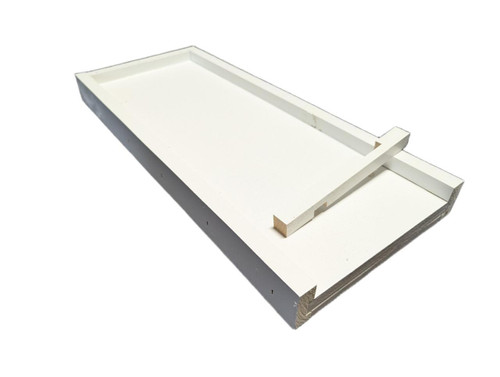
A 10 frame screened bottom board with drawer is the base of a Langstroth hive, designed to improve ventilation and simplify hive monitoring.
This model includes a rear pull-out debris tray that allows beekeepers to check debris, monitor mite drop, track beetles, and maintain airflow during hot weather without opening the hive or disturbing the colony.
Related: Beekeeping Equipment FAQ
Quick Answer
A screened bottom board is the base of the hive, and this 10 frame version includes a pull-out rear drawer with a built-in debris tray. Beekeepers use it to support the hive body, improve warm-weather ventilation, and make it easier to monitor falling debris, small hive beetles, and mites during routine management.
Best paired with: 10 Frame Hive Bodies
Quick Specs
- Size / Dimensions: 10 Frame format [confirm exact dimensions]
- Configuration: Screened bottom board with rear pull-out drawer
- Material: Wood bottom board with screened insert [confirm screen material if needed]
- Finish / Color: Assembled and painted white
- Key Feature: Built-in debris tray in removable rear drawer
- Compatibility: Fits standard 10 frame Langstroth hive setups
- SKU: CMPS-6879
Shop related equipment: 10 Frame Hive Equipment
Why Beekeepers Use This Product
Beekeepers use a screened bottom board like this to improve hive ventilation and make hive management easier. The screened design helps increase airflow during hot weather, while the pull-out drawer allows you to collect debris, check colony drop, and monitor pest pressure without lifting boxes or disrupting the brood nest.
When to Buy/Use This: This is a good choice when you are building or replacing the base of a 10 frame hive, want better summer ventilation, or want an easier way to monitor hive debris, mites, or beetles from beneath the colony.
Helpful next step: Screened Bottom Board vs Solid Bottom Board
How It Works in the Apiary or Hive
This bottom board sits at the base of a standard 10 frame hive and supports the rest of the hive stack. The screened section allows air to move through the hive, while the rear pull-out drawer gives the beekeeper a convenient access point for checking debris and using the tray either dry or with petroleum jelly for pest monitoring.
- The drawer pulls out from the back of the hive for easier access during inspections.
- The debris tray can be used dry to collect dirt and natural hive debris.
- Petroleum jelly can be applied to the tray to help trap beetles and mites.
- Works with: 10 Frame Deep Hive Bodies
Learn more: How to Use a Screened Bottom Board for Ventilation and Monitoring
Apiary Management Notes
Check the tray regularly so debris does not build up unnecessarily, especially during active brood rearing and heavy summer traffic. If you are using the tray for monitoring, review what is collecting below the screen and clean the drawer as needed so you can spot changes in pest pressure or hive condition more clearly.
- Keep the tray clean so debris readings stay useful.
- Use the rear drawer for quick checks without taking the hive apart.
- In hot summer weather, many beekeepers leave the drawer out to maximize ventilation.
Management guide: Hive Ventilation and Bottom Board Management
Typical Timing and Seasonal Use
This bottom board can be used as part of the hive year-round, but its screened design is especially useful during warmer months when airflow matters most. The drawer can be inserted when you want to monitor debris or pests and removed during hot summer periods when additional ventilation is beneficial.
- Spring: Good time to install on new hives and begin debris monitoring as colonies build up.
- Summer: Leave the drawer out to improve ventilation during hot weather.
- Fall / treatment context: Useful for checking debris and monitoring pest drop as part of seasonal hive management.
Seasonal reading: Seasonal Hive Ventilation Tips for Beekeepers
What the Product Includes
- 1 assembled 10 frame screened bottom board
- 1 pull-out rear drawer with built-in debris tray
- Assembled construction
- Painted white finish
You may also need: 10 Frame Entrance Reducers and Hive Bases
How This Product Fits Into a Beekeeping Setup
This product forms the bottom foundation of a standard 10 frame Langstroth hive setup. It pairs with 10 frame hive bodies and is a practical choice for beekeepers who want easier hive-bottom access, better warm-weather airflow, and a convenient place to monitor debris or pest activity.
It fits into both beginner and established apiary setups where ventilation, easy cleaning, and bottom-board monitoring are part of normal management. It is especially useful for beekeepers who prefer not to disturb the hive stack just to inspect the bottom board area.
Complete the setup: 10 Frame Hive Components | Building a 10 Frame Langstroth Hive Setup
Comparison and Buying Context
Comparing a screened bottom board vs solid bottom board helps beekeepers choose the right hive base for ventilation, debris control, and pest monitoring.
| Feature | This Product | Alternative Option |
|---|---|---|
| Primary Use | Ventilation plus debris and pest monitoring | Basic hive support with less airflow and monitoring access |
| Best For | Beekeepers who want a screened base and easy rear drawer access | Beekeepers who prefer a more traditional solid bottom board setup |
| Key Benefit | Convenient monitoring and added ventilation | Simpler design and fewer removable components |
| Why Choose It | Choose this when you want airflow and easier tray access from the back of the hive | Choose this when ventilation and bottom monitoring are less of a priority |
| Compatibility | Standard 10 frame Langstroth equipment | Varies by bottom board style and hive format |
Who This Product Is Best For (And When to Choose It)
This screened bottom board is a strong fit for beekeepers who want better airflow, easier hive-bottom access, and a simple way to monitor debris and pest activity without taking the hive apart.
This is a great choice if you:
- Run standard 10 frame Langstroth hives
- Want an easier way to check mite drop or debris without opening the hive
- Need improved ventilation during hot summer conditions
- Prefer a ready-to-use, assembled and painted bottom board
- Like having rear drawer access for quick inspections and cleanup
This may NOT be the best choice if you:
- Use 8 frame equipment instead of 10 frame equipment
- Prefer a solid bottom board without a screened design
- Want the simplest possible setup with no removable parts
- Prefer an unpainted or unassembled bottom board option
Bottom line: Choose this bottom board if you want better ventilation and easier monitoring with less disruption to the colony. If airflow and hive-bottom access are not priorities, a traditional solid bottom board may be a better fit.
Browse by use case: Beekeeping Hive Bases and Bottom Boards
Common Beginner Mistakes
- Leaving the tray dirty so debris checks become less useful
- Using it with the wrong hive format instead of matching it to a 10 frame setup
- Forgetting that the drawer can be removed during hot summer months for added ventilation
Avoid mistakes with: Beekeeping Equipment Basics for New Beekeepers
FAQ
What does the drawer do on this screened bottom board?
The rear drawer slides out so you can collect and inspect debris from beneath the hive. It gives you an easier way to monitor buildup, check pest activity, and clean the tray without taking the hive apart.
Can the debris tray be used for beetles and mites?
Yes. The tray can be left dry to collect dirt and debris, or petroleum jelly can be applied so it can help trap beetles and mites.
Does the drawer pull out from the front or back?
The drawer pulls out from the back of the hive, which makes it more convenient to access during routine management.
Can I leave the drawer out during summer?
Yes. During hot summer months, the drawer can be left out so the screened bottom board can provide additional hive ventilation.
What type of hive does this bottom board fit?
This product is designed for standard 10 frame hive equipment and is intended to fit 10 frame Langstroth-style setups.
Are screened bottom boards better for mites?
Screened bottom boards can help beekeepers monitor mite drop more easily by allowing debris and pests to fall onto a tray below the hive. They are useful for observation and management, but they are not a standalone mite treatment.
Do screened bottom boards help with ventilation?
Yes. A screened bottom board helps increase airflow through the hive, which can be especially useful during hot weather when additional ventilation supports colony comfort.
Related Products and Guides
If you are building out a complete hive or upgrading worn equipment, this screened bottom board pairs well with other 10 frame hive components and practical management guides.
- How to Set Up a 10 Frame Beehive
- Screened Bottom Board Benefits for Beekeepers
- Summer Hive Ventilation Tips
About Lappe's Bee Supply
Lappe's Bee Supply focuses on practical, beekeeper-tested equipment and supplies that help real beekeepers manage healthier, more productive hives. We offer dependable gear designed for everyday apiary use, whether you are starting your first colony or maintaining an established bee yard.
From core woodenware to management essentials, our goal is to provide equipment that is easy to use, built for field conditions, and backed by beekeeping experience.
Share Your Experience With This Product
If you have used this screened bottom board in your apiary, leave a review and let other beekeepers know how it performed in your hive setup. Your feedback helps other customers choose the right equipment for their colonies and management style.
How has this bottom board worked for ventilation, cleanup, or pest monitoring in your hives?
We appreciate every review and value practical feedback from working beekeepers.
Free Shipping on Most Orders Over $100