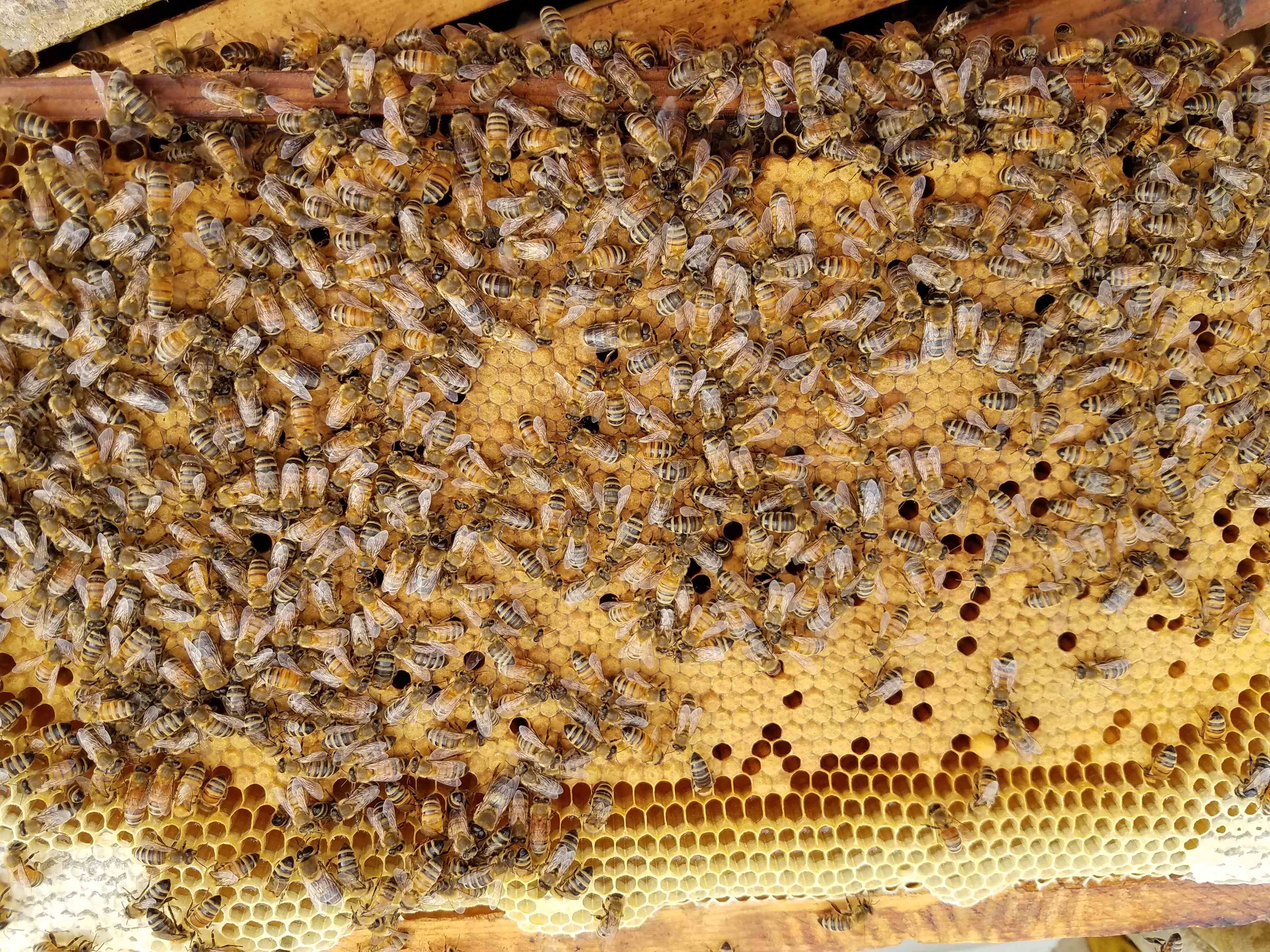
Queen Bees (Mated, Laying-Tested) — Italian, Carniolan, Buckfast, Russian, Cordovan
What is a queen bee?
A queen bee is the single reproductive female in a honey bee (Apis mellifera) colony. Her primary role is to lay fertilized eggs that develop into worker bees and unfertilized eggs that develop into drones, allowing the colony to grow and replace aging workers.
Beekeepers often requeen colonies by introducing a new queen to improve genetics, temperament, brood patterns, or overall colony performance.
Common queen bee lines used in modern beekeeping include Italian, Carniolan, Buckfast, Russian, and Cordovan queens, each selected for different traits such as temperament, spring buildup, winter survival, or ease of queen spotting.
For many beginners, Italian Hybrid queens are a common starting point for gentler inspections, while beekeepers in colder regions often compare Carniolan queens for fast spring buildup.
Compare the most common queen bee breeds using the queen breed comparison table below, or use the decision tree to help choose the best queen for your climate and management goals.
Use this queen hub to compare breeds, choose the best fit for your climate and goals, plan delivery, and install successfully. Our queens are described as laying-tested (observed laying fertilized eggs before shipment).
Last updated: March 5, 2026
Support: Live-queen ordering and installation help is available by phone and email during business hours.
Looking for more than just a queen? Shop all live honey bees (queens, nucs, and packages).
Quick links
Key definitions
Laying-tested: The queen was observed laying fertilized eggs before shipment.
Mated: The queen has mated; it does not guarantee she has started laying in your colony.
Requeening: Replacing the colony’s queen.
Shipping and live-arrival policies
Shipping method: UPS Next Day Air.
Shipping season: April–August (weather and availability may affect dates).
Where we ship: Continental U.S.; Alaska may be seasonal; Hawaii excluded for live queens.
Free shipping: Applies to 3+ queen orders (where eligible).
DOA window: Report within 2 hours of delivery for eligibility review (conditions apply).
On delivery: Open immediately, keep at moderate room temperature, and install as soon as possible.
If you only read one thing
- Install immediately: Schedule delivery for a day you can install the same day.
- Prep matters: Confirm the hive is queenless and remove queen cells before introduction.
- Use the timeline: Eggs often appear within the typical window; check carefully before assuming failure.
Which queen bee breeds can you order here?
Each breed is sold as a live, mated, laying-tested queen and ships via UPS Next Day Air during the season.
Use these quick links to jump to each queen breed page. For side-by-side traits on this hub page, see the Queen breed comparison table or the 30-second decision tree.
Top takeaways
- Choose a queen based on climate and management goals. Italian and Cordovan are common all-around choices; Carniolan is often chosen for colder climates and early spring buildup. Buckfast and Russian are often chosen for mite-aware goals as part of an active plan.
- Install the queen the same day she arrives whenever possible. Delays outside the hive can reduce survival and acceptance odds.
- Prepare the colony before introduction. Confirm the hive is queenless and remove any queen cells before installing the new queen.
- Expect a short adjustment period after requeening. Many beekeepers notice calmer behavior and improved brood patterns as new workers replace older ones.
- Monitor Varroa mites regardless of queen genetics. Hygienic or mite-aware traits can help, but testing and timely management remain essential.
- Schedule delivery for a day you can be present. Open the package promptly, keep the queen at moderate room temperature, and install as soon as possible.
Queen bee basics (quick definitions)
Queen bee: The single reproductive female in a honey bee colony.
Mated queen: A queen that has successfully mated with drones during flight and can lay fertilized eggs.
Laying-tested queen: A queen that has been directly observed laying fertilized eggs before shipment, confirming she has begun normal egg laying.
Requeening: The process of replacing the existing queen in a colony with a new queen to improve genetics, temperament, brood production, or colony performance.
Queen breed comparison table (at-a-glance)
These summaries are designed to be quoteable and easy to compare. Traits vary by line, local conditions, and management.
| Queen type |
Best for |
Temperament (typical) |
Spring buildup |
Notable trait |
Quick summary (citability anchor) |
| Italian Hybrid |
All-around; beginners; frequent inspections |
Gentle / manageable |
Strong and steady |
Versatile performance |
Italian Hybrid queens are commonly chosen as a gentle, dependable all-around option for many climates and management styles. |
| Carniolan |
Cold climates; early spring flows; rapid buildup |
Gentle / calm |
Very fast |
Quick spring expansion |
Carniolan queens are commonly chosen for cold-weather regions and fast spring buildup, especially when timed with early nectar flows. |
| Buckfast Hybrid |
Balanced traits; productivity goals |
Generally manageable |
Strong |
Balanced performance focus |
Buckfast Hybrid queens are often chosen for balanced productivity and manageability as part of consistent, active colony management. |
| Russian Hybrid |
Mite-aware goals; colder regions |
Can be more defensive |
Moderate |
Hygienic traits emphasis |
Russian Hybrid queens are often chosen by beekeepers prioritizing mite-aware traits and winter performance, while still monitoring and managing Varroa. |
| Cordovan Hybrid |
Easy queen spotting; teaching yards; beginners |
Gentle / manageable |
Strong |
Color helps queen-finding |
Cordovan Hybrid queens are commonly chosen when easy queen spotting and calm inspections are top priorities. |
Varroa reminder: No honey bee is fully mite resistant. Genetics can support outcomes, but monitoring and timely actions are what protect colonies long-term.
How to choose a queen bee
Beekeepers often choose a queen bee based on climate, temperament, management style, and colony goals. Different queen bee lines have strengths that make them better suited for certain situations.
- Best queen bee for beginners: Many beginners choose Italian Hybrid queens because colonies are typically gentle and inspections are easier.
- Best queen bee for cold climates: Many beekeepers compare Carniolan queens because they are known for fast spring buildup and good winter survival.
- Balanced productivity and temperament: Buckfast Hybrid queens are often chosen for balanced performance and manageability.
- Mite-aware genetics focus: Some beekeepers compare Russian Hybrid queens as part of an active Varroa management plan.
- Easiest queen to spot during inspections: Cordovan Hybrid queens are commonly chosen because their lighter color helps beekeepers find the queen quickly.
For a quick side-by-side comparison of traits, use the queen breed comparison table above or the 30-second queen selection decision tree.
Which queen should I buy? (30-second decision tree)
- Starting a brand-new hive? Don’t buy only a queen. Start with a package of bees or a nuc.
- Beginner / easiest inspections? Start with Italian Hybrid or Cordovan Hybrid.
- Cold winters or early spring nectar? Consider Carniolan or Russian Hybrid.
- Honey production focus / balanced performance? Many choose Buckfast Hybrid or Italian Hybrid.
- Mite-aware goals? Many consider Russian Hybrid or Buckfast Hybrid as part of an active monitoring and treatment plan.
- Need to spot the queen quickly? Choose Cordovan Hybrid.
Shipping, delivery & DOA (quick answers)
- Shipping method: UPS Next Day Air
- Season: April–August (weather/availability may affect dates)
- Free shipping: 3+ queen orders (where eligible)
- DOA: Report within 2 hours of delivery for eligibility review (conditions apply)
- Best practice: Be home for delivery and install the same day
Learn (guides)
These Learning Center guides will be added/linked here as they go live:
- How to choose a queen bee (Italian vs Carniolan vs Buckfast vs Russian)
- How to install a queen bee (step-by-step)
- How to tell if a hive is queenless
- Requeening timeline: what to expect in weeks 1–4
- Queen acceptance troubleshooting (balling, queen cells, rejection)
- Varroa basics: testing, thresholds, and treatment timing
Queen Bee Traits Explained
Beekeepers often compare queen bees based on temperament, brood production, winter survival, and hygienic behavior. The definitions below explain common terms used when selecting a queen bee.
What is requeening?
Requeening is the process of replacing the queen bee in a colony. Beekeepers commonly requeen to improve temperament, increase brood production, replace failing queens, or introduce better genetics.
What does laying-tested mean?
A laying-tested queen is a queen that has been observed laying fertilized eggs before shipment. This confirms the queen has successfully mated and begun normal egg laying.
What does gentle temperament mean in honey bees?
Gentle temperament refers to colonies that are calmer during inspections and less defensive toward beekeepers. Gentle colonies are generally easier for beginner beekeepers to manage.
What is hygienic behavior in honey bees?
Hygienic behavior is the ability of worker bees to detect and remove diseased or mite-infested brood from the hive. This trait can help colonies suppress pests such as Varroa mites when combined with active mite management.
What is a good brood pattern?
A solid brood pattern describes a dense pattern of developing brood with few empty cells. Strong brood patterns are often associated with healthy queens and productive colonies.
Frequently Asked Questions
- Which queen bee breed should I buy?
- Choose based on climate and goals: Italian or Cordovan are common all-around choices; Carniolan is commonly chosen for cold climates and spring buildup; Buckfast and Russian are often chosen by beekeepers prioritizing mite-aware management as part of an active plan.
- How do I know my hive is truly queenless before introducing a new queen?
- Look for fresh eggs and young larvae first. If you cannot find eggs and suspect a queen is present, check carefully for a virgin queen and remove any queen cells before introducing a new queen.
- Can I introduce a new queen if the hive is making queen cells?
- Usually no. Remove queen cells and confirm the colony is truly queenless before introducing a new queen, otherwise the colony may reject her.
- How long should I wait to check for eggs after installing a new queen?
- Eggs often appear within 5–10 days; check carefully in good light before assuming failure.
- What if I don’t see eggs after 10 days—does that mean the queen failed?
- Not always. Eggs are easy to miss and timing varies. Re-check carefully, confirm the queen is present, and look for any queen cells or signs the colony replaced her.
- What are the most common causes of queen rejection after installation?
- Common causes include queen cells left in the hive, a hidden virgin queen, heavy disturbance during introduction, weak/stressed colonies, or poor timing during a dearth.
- What should I do if workers are balling the queen cage?
- Balling is a rejection sign. Close the hive, reduce disturbance, and reassess queenlessness and queen cells before attempting reintroduction under calmer conditions.
- Do you recommend feeding during queen introduction?
- Light feeding can help if nectar is scarce and the colony is stressed, but avoid excessive disturbance during the first 48–72 hours. Feeding needs vary by season and colony condition.
- Can I requeen during a nectar dearth or honey flow?
- You can, but acceptance can be more sensitive during stress periods. Plan for calm handling, avoid repeated inspections, and consider light feeding if conditions warrant.
- How long does it take for brood pattern and colony performance to improve after requeening?
- Many changes are noticed after the new queen’s workers begin replacing older workers, often over the following weeks. Timing varies by colony strength, weather, and nectar flow.
- Can I start a hive with only a queen bee?
- No. A queen must be installed into a colony with worker bees to care for her. To start a new hive, you typically need a package of bees with a queen or a nuc.
- How many attendants are normal in a queen cage?
- Queen cages typically include attendants to help care for the queen in transit. Counts can vary by cage type and shipment; what matters most is that the queen is alive and active on arrival.
- What if my queen arrives a day late or the shipment is delayed?
- Open and inspect immediately upon arrival, keep the queen at moderate room temperature, and contact support promptly with tracking details and photos if there is a problem. Replacement eligibility depends on conditions and timing.
- Can I mix and match queen breeds in one order?
- Yes. You can mix multiple queen breeds in a single order so they ship together (when available for the same shipping window).
- How do I choose a delivery date for live queen bees?
- Pick a delivery day when you can install immediately. Avoid days you’ll be away, and consider local weather so the colony can be opened briefly and safely.
- Do orders of 3+ queens always qualify for free UPS Next Day Air shipping?
- Orders of three or more queens qualify for free UPS Next Day Air shipping where eligible, as described on this page and at checkout.
- What shipping method is used for queen bees?
- Queens ship via UPS Next Day Air during the live shipping season.
- What is the DOA reporting window?
- Report DOA within 2 hours of delivery for eligibility review (conditions apply). Use the delivery time shown on carrier tracking.
- Do you ship live queen bees to Hawaii or Alaska?
- Live queen shipping to Hawaii is not available. Alaska availability can be seasonal and carrier-dependent.
- How do I contact you for help choosing or installing a queen?
- Call (641) 728-4361 or email [email protected] during business hours for ordering and installation help.
About: Lappe’s Bee Supply has been helping beekeepers with live bees, queens, nucs, and equipment since 1978.
Lappe’s Bee Supply & Honey Farm LLC
117 Florence Ave, East Peru, IA 50222
Phone: (641) 728-4361
Email: [email protected]
Hours: Monday–Friday, 9:00 AM–4:30 PM Central